Se i rommet
 Del som digitalt kort
 Del
Del
 Detaljer
 Studentguide

 Last ned
 Liknende objekter
 Røntgen
 Lysbildefremvisning
 Besøksstatistikk
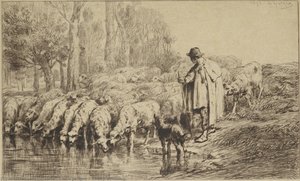
The Sheepfold
 Barbizon School
 1857
1857 46.0 x 92.0 cm
 Les mer
Giclée / Kunsttrykk
Giclée- eller lerretsprint av museumskvalitet med rask produksjon og fleksible valgmuligheter for etterbehandling. ( Bestill håndmalt reproduksjon Gå til digitalt bilde)




































Velg mellom våre forhåndsdefinerte størrelser som bevarer kunstverkets opprinnelige proporsjoner.

Skriv inn bredden og høyden du trenger, slik at den passer til din ramme eller vegg. Et trykk kan kun beskjæres, aldri gjøres større enn bildet, så et format med en annen form vil miste en del av motivet. Vi sender deg en digital mockup for godkjenning før vi trykker noe som helst. Bildet som vises på denne siden viser ikke den faktiske beskjæringen — det er kun mockuppen som gjør det.
Verdensomspennende levering () på 2 uker i stedet for standard 4/5 uker. (24 October)

Gratis ekspressfrakt over hele verden

Lerretsduk av høykvalitets lin

Full transportforsikring

Garanti for refusjon av toll og importavgifter

Garantert fargeekthet

100 dagers returrett ved fabrikasjonsfeil

100% pengene tilbake-garanti

Mengderabatt
 Glassalternativet er kun tilgjengelig i størrelser under 110 cm

The Sheepfold
Giclée / Kunsttrykk
Format på reproduksjon
-


Totalpris
Nkr 760
Spørsmål og svar
Er fargene i "The Sheepfold" av Charles-Émile Jacque mettede eller dempede?
"The Sheepfold" av Charles-Émile Jacque er gjengitt med en Subtle Color metning.
Hva er den fargemessige identiteten til "The Sheepfold" av Charles-Émile Jacque?
Fargeidentiteten til "The Sheepfold" av Charles-Émile Jacque: en Earthy-palett, dominert av Espresso (#583b1c).
Hvordan harmonerer fargene i "The Sheepfold" med hverandre?
Fargeharmonien i "The Sheepfold" er beskrevet som Unified Palette.
Kunstnerbiografi
Et liv forankret i det franske landskapet
Charles-Émile Jacque, født i Paris i 1813, var ikke skjebnebestemt til en konvensjonell kunstnerisk bane. Hans tidlige liv tok en uventet vending med syv års tjeneste i den franske hæren. Men selv innenfor militærlivets strenge strukturer fant hans medfødte talent et uttrykk – ikke gjennom maleri i begynnelsen, men gjennom den møysommelige ferdigheten i kartgravering. Denne grunnleggende treningen, som krevde presisjon og observasjonsevne, skulle vise seg å være overraskende avgjørende for hans senere kunstneriske virke, da den inngav en dedikasjon til detaljer som ble et kjennetegn ved hans arbeid. Det var en usannsynlig begynnelse for en maler som skulle bli synonym med den idylliske skjønnheten i det rurale Frankrike, men det sier mye om Jacques tilpasningsevne og iboende kunstneriske sjel. Etter å ha forlatt hæren, utforsket han kortvarig illustrasjon og karikatur, og bidro til parisiske tidsskrifter før han fant sitt sanne kall innen etsing og maleri.Omfavnelsen av Barbizon og en pastoral visjon
Midten av det 19. århundre så Jacque bli trukket mot Barbizon, en liten landsby som skulle bli episenteret for en revolusjonerende kunstbevegelse. På flukt fra koleraepidemier som herjet i Paris, sluttet han seg til Jean-François Millet og andre likesinnede kunstnere i søken etter inspirasjon direkte fra naturen. Dette markerte et avgjørende skifte bort fra akademiske konvensjoner og mot en mer ærlig, realistisk fremstilling av livet. Jacque omfavnet denne nye tilnærmingen med hele sitt hjerte, og viet seg til å fange essensen av det landlige livet – den stille verdigheten hos gjeterne som passer sine flokker, den milde rytmen i gårdsarbeidet, og den enkle skjønnheten i buskapen på solflekket mark. Hans malerier var ikke bare avbildninger av scener; de var gjennemsyret av en dyp følelse av ro og harmoni, som reflekterte en dyp verdsettelse av den naturlige verden. Han *malte* ikke bare sauer eller låver; han formidlet en følelse, en atmosfære – en ærbødighet for det pastorale livet som resonnerte dypt hos publikum.Mester av medier: Maleri og grafikk
Jacques kunstneriske ferdigheter strakte seg langt utover maleriet. Han ble berømt som en mester innen etsing og gravering, der han gjenopplivet teknikker fra det 17. århundre og flyttet grensene for grafikkens muligheter. Hans etsninger ble hyllet for sin dristighet og sitt velformulerte motivvalg, noe som ga ham ros fra kritikere som Charles Baudelaire. Henri Béraldi skilte mellom to distinkte perioder i Jacques grafiske arbeid: en tidlig fase inspirert av nederlandske vignetter, preget av spontanitet, og en senere periode markert av større, mer detaljerte plater som demonstrerte et nitid håndverk. Denne doble mestringen – av både pensel og burin – gjorde det mulig for ham å nå et bredere publikum og befeste sitt rykte som en betydningsfull skikkelse i kunstverdenen. Han så ikke på maleri og grafikk som separate disipliner, men snarere som komplementære veier for å uttrykke sin kunstneriske visjon. Hans illustrasjoner til litterære klassikere, inkludert utgaver av Goldsmiths *The Vicar of Wakefield* og Wordsworths *Picturesque Greece*, viste ytterligere hans allsidighet og dyktighet.Arv og varig innflytelse
Charles-Émile Jacque døde i 1894 og etterlot seg en rik kunstnerisk arv som fortsetter å trollbinde betraktere den dag i dag. Han spilte en avgjørende rolle i utformingen av realismens utvikling i fransk kunst, og beredte vei for fremtidige generasjoner av kunstnere som søkte å skildre livet med ærlighet og følsomhet. Hans dedikasjon til å portrettere det landlige livet løftet sjangermaleriet – scener fra dagliglivet – til en fremtredende posisjon i det kunstneriske landskapet.- En pioner innen etsingens renessanse: Jacques gjenoppliving av etseteknikker fra det 17. århundre hadde en betydelig innvirkning på grafikken.
- Innflytelse på Millet: Hans tidlige arbeid og etsninger påvirket hans venn og medkunstner fra Barbizon-skolen, Jean-François Millet, dypt.
- Forsvarer av det landlige liv: Han foreviget skjønnheten og verdigheten i det franske bondelivet, og skapte et varig visuelt arkiv over en levemåte som er i ferd med å forsvinne.

Charles-Émile Jacque
1813 - 1894 , Frankrike
Kort om kunstneren
- Artistic Movement Or Style: Barbizon-skolen
- Artists Or Movements Influenced By This Artist: ['Realisme']
- Artists Who Influenced This Artist: ['Adriaen van Ostade']
- Date Of Birth: 1813
- Date Of Death: 1894
- Full Name: Charles-Émile Jacque
- Nationality: Fransk
- Notable Artworks:
- Lille blå gutt
- Saueinnhegningen
- Gjetertjeneste
- Place Of Birth: Paris, Frankrike
Relaterte artikler
The Barbizon School: A Professional Guide to Naturalism and Landscape Mastery for Interior Designers
Explore the Barbizon School's mastery of naturalism. An expert guide for hotel designers and procurement managers on sourcing high-quality landscape reproductions to elevate hospitality and corporate interiors with authentic, large-scale fine art solutions.
The Barbizon School: Pioneering Realism & the Pastoral Vision in 19th-Century French Painting
Explore the Barbizon School's pivotal role in 19th-century French painting. Discover how these artists revolutionized landscape art with their commitment to Realism and a profound connection to nature. Learn about key figures like Rousseau, Millet & Corot.

The Hague School: Realism, Atmosphere & the Dawn of Dutch Impressionism
Explore the Hague School's pivotal role in Dutch art history. Discover realism, atmospheric landscapes & its influence on Impressionism. Learn about key artists like Mauve & Maris with OriginalUniqueArt.
Charles-François Daubigny: Pioneering Atmospheric Light & Barbizon Realism
Explore the life & art of Charles-François Daubigny, a pivotal Barbizon School painter. Discover his innovative landscapes, mastery of light, and influence on Impressionism. High-quality reproductions available.
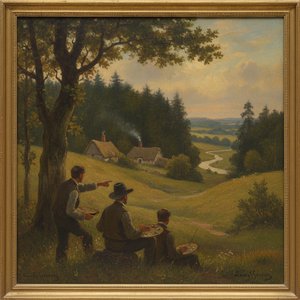
The Barbizon School: The Soulful Origins of Impressionism's Natural Light and Atmospheric Mastery
Discover the profound influence of the Barbizon School on Impressionism. Explore how these masters captured natural light and atmospheric beauty through plein air painting, paving the way for Monet and Renoir. A journey into the soulful origins of landscape art history.