Se i rommet
 Del som digitalt kort
 Del
Del
 Detaljer
 Studentguide

 Last ned
 Liknende objekter
 Røntgen
 Lysbildefremvisning
 Besøksstatistikk
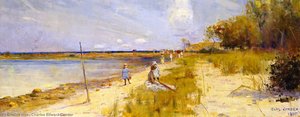
Ricketts Point, Beaumaris
 Oil
Oil- WallArt
- Impressionism
 1890
1890- 19th Century
 215.0 x 120.0 cm
 National Gallery of Australia
 Les mer
Giclée / Kunsttrykk
Giclée- eller lerretsprint av museumskvalitet med rask produksjon og fleksible valgmuligheter for etterbehandling. ( Bestill håndmalt reproduksjon Gå til digitalt bilde)




P118B Nkr10

P118H Nkr10

P118W Nkr10

P438Z Nkr10

P508JH Nkr12

P508YH Nkr12

P805H Nkr10

P805Z Nkr10

P919BZ Nkr10

P919G Nkr10

P919XJ Nkr10

P959ZH Nkr10

P968JZ Nkr12

W106C Nkr8

W218G Nkr10

W218JH Nkr8

W218Y Nkr10

W307PJ Nkr10

W316G Nkr10

W316PJ Nkr8

W316Y Nkr10

W398PJ Nkr8

W4111J Nkr10

W500HY Nkr15

W500JH Nkr15

W692G Nkr12

W849H Nkr8

W940BG Nkr15

W953PJ Nkr8




Velg mellom våre forhåndsdefinerte størrelser som bevarer kunstverkets opprinnelige proporsjoner.

Skriv inn bredden og høyden du trenger, slik at den passer til din ramme eller vegg. Et trykk kan kun beskjæres, aldri gjøres større enn bildet, så et format med en annen form vil miste en del av motivet. Vi sender deg en digital mockup for godkjenning før vi trykker noe som helst. Bildet som vises på denne siden viser ikke den faktiske beskjæringen — det er kun mockuppen som gjør det.
Verdensomspennende levering () på 2 uker i stedet for standard 4/5 uker. (27 October)

Gratis ekspressfrakt over hele verden

Lerretsduk av høykvalitets lin

Full transportforsikring

Garanti for refusjon av toll og importavgifter

Garantert fargeekthet

100 dagers returrett ved fabrikasjonsfeil

100% pengene tilbake-garanti

Mengderabatt
 Glassalternativet er kun tilgjengelig i størrelser under 110 cm

Ricketts Point, Beaumaris
Giclée / Kunsttrykk
Format på reproduksjon
-


Totalpris
Nkr 762
A Sun-Drenched Moment in Australian Impressionism
In the luminous masterpiece Ricketts Point, Beaumaris, Charles Edward Conder invites us to step into a world of pure, unadulterated joy. Painted in 1890, this sweeping composition captures more than just a coastal landscape; it captures the very essence of a summer afternoon on the shores of Melbourne. The scene is an exquisite study of light and leisure, where the reflective shallows of the foreground act as a mirror to the sky, drawing the viewer’s eye through the shimmering water toward the distant horizon. Conder, a pivotal figure of the Heidelberg School, demonstrates his profound ability to translate the subtle moods of nature into a vibrant visual language. As we gaze upon the rhythmic movement of the waves and the gentle activity along the shoreline, we are transported to a time when the simple pleasure of watching a sailboat drift across the bay was enough to stir the soul.
The technical brilliance of this work lies in Conder’s bold application of paint and his masterful command of color. Eschewing rigid outlines for a more fluid, impressionistic touch, he uses light to define form and atmosphere. The composition is masterfully balanced; while much of the canvas is dedicated to the expansive, tranquil ocean, the strip of sand and rock provides a grounded stage for human connection. One can almost feel the warmth of the sun through the artist's energetic brushstrokes. The way the light dances upon the wet sand and catches the edges of the figures creates a sense of immediacy, as if the scene were captured in a fleeting heartbeat. For the collector or interior designer, this painting offers a profound sense of openness and vitality, making it an ideal centerpiece for spaces that crave a breath of fresh, coastal air.
The Poetry of Everyday Life
Beyond its technical prowess, Ricketts Point, Beaumaris serves as a poignant narrative of social harmony and the poetic qualities of the natural world. Conder populates his landscape with figures that feel deeply integrated into the environment rather than merely placed upon it. Women in long, flowing dresses wander the shoreline in search of seashells, their movements echoing the gentle ebb and flow of the tide, while a small child plays near the water's edge, embodying the innocent wonder of discovery. This interplay between humanity and nature is central to Conder’s vision; he does not depict man conquering the landscape, but rather finding a rhythmic, peaceful coexistence within it. The presence of the distant sailboat adds a layer of movement and aspiration, suggesting the broader world beyond this intimate coastal retreat.
Historically, this work stands as a testament to the flourishing Australian Impressionist movement, born from the creative synergy between Conder and his contemporaries, Tom Roberts and Arthur Streeton. It reflects a period of intense artistic exploration where the light of the Australian landscape was being redefined through a new, modern lens. To possess a reproduction of such a piece is to hold a fragment of art history—a window into a nostalgic, golden era of Australian life. The emotional impact of the painting is one of profound serenity and optimism; it is a work that celebrates the beauty of the present moment, offering a timeless escape for anyone seeking inspiration, peace, or a touch of classical elegance in their personal surroundings.
Spørsmål og svar
Hvilken kunstretning tilhører "Ricketts Point, Beaumaris" av Charles Edward Conder?
"Ricketts Point, Beaumaris" er et verk innenfor Impressionism. Retningen angir den kunstneriske tradisjonen verket er en del av.
Hvor stor er den originale "Ricketts Point, Beaumaris"?
De registrerte målene for "Ricketts Point, Beaumaris" av Charles Edward Conder er 215 x 120 cm. Reproduksjoner kan bestilles i andre størrelser med de samme proporsjonene.
Hva handler "Ricketts Point, Beaumaris" om?
Motivene i "Ricketts Point, Beaumaris" er beach, seascape, impressionism, coastal life, leisure, australia, summer day.
Kunstnerbiografi
Early Life and Artistic Journey
Charles Edward Conder (født 24 oktober 1868 i Tottenham, Middlesex) var en engelskfødt målare, grafiker och designer som lämnade ett bestående avtryck inom konstvärlden. Hans tidiga liv präglades av sin mors död i Indien när han bara fyra år gammal, vilket ledde till att han skickades tillbaka till England och studerade på flera skolor inklusive Eastbourne boarding school från 1877. Han lämnade skolan vid 15 års ålder och hans mycket religiösa far vägrade att Conder följde i faderns fotspår som civilingenjör, vilket beslutades att han skulle göra. Detta var ett stort avstånd till hans naturliga konstnärliga ambitioner. Han studerade vid Académie Julian och blev medlem av konstföreningen i New South Wales tillsammans med andra australiensiska konstnärer såsom Tom Roberts, som han träffat tidigare i Sydney. Kort efter att Conder hade arbetat för sin far var han mycket engagerad i konst och utvecklade sina färdigheter genom olika övningar och studier. Han fick också kontakt med andra konstnärliga influenser från Europa.Artistic Career in Australia
År 1884 emigrerade Conder till Sydney, Australien, där han arbetade för sin farbror som lantmätare för New South Wales regeringen. Dock avskydde han arbetet och föredrog att måla landskap framför att mäta marken. År 1886 lämnade han tjänsten och blev konstnär för Illustrated Sydney News, där han arbetade tillsammans med andra konstnärer som Albert Henry Fullwood och Frank Mahony samt Benjamin Edwin Minns. Han studerade också vid Alfred James Daplyn's målarskola och hade kontakt med Julian Ashton och andra viktiga australiensiska konstnärer. Conder var särskilt inspirerad av Tom Roberts och hans verk från Grosvenor Chambers studio i Melbourne där han bodde mellan 1888 och 1890. Detta samarbetes betydelse för Conder utveckling är mycket stor och Conder hade kontakt med andra konstnärliga influenser från Europa. Han var särskilt inspirerad av Whistler och hans verk.The Heidelberg School and Notable Works
Conder blev en nyckelperson inom Heidelberg School*, vilket är början på en distinkt australiensisk tradition inom västerländsk konst. Hans mästerverk, *Departure of the Orient – Circular Quay* (1888), visade upp hans nya maestri över form och penseldrag. Detta hamnscener var ett resultat av Conder's utveckling som konstnär och blev mycket väl omhändertagen av publiken och köptes direkt av Art Gallery of New South Wales vilket gjorde det till Conder första verk att komma in i en offentlig samling. Han målade också *A Holiday at Mentone* (1888) där han fångade atmosfären på australiensiska stränderna och människorna som njöt av sommaren. Conder var särskilt engagerad i landskapsmålning och hans verk är väl representerade i Tate Britain samt andra viktiga museer över hela världen. Han målade också porträtt och gjorde några litografier och träsnitt. Hans konstverk är mycket väl omhändertagna av publiken och köptes direkt av Art Gallery of New South Wales vilket gjorde det till Conder första verk att komma in i en offentlig samling.Legacy and Later Life
Conder fortsatte att måla även efter sin sjukdom och utvecklade sina färdigheter genom olika övningar och studier. Han var särskilt inspirerad av Tom Roberts och hans verk från Grosvenor Chambers studio i Melbourne där han bodde mellan 1888 och 1890. Conder hade kontakt med andra konstnärliga influenser från Europa och utvecklade sina färdigheter genom olika övningar och studier. Han var särskilt inspirerad av Whistler och hans verk samt många andra viktiga konstnärliga influenser från Europa. Conder fortsatte att måla även efter sin sjukdom och utvecklade sina färdigheter genom olika övningar och studier. Hans konstverk är mycket väl omhändertagna av publiken och köptes direkt av Art Gallery of New South Wales vilket gjorde det till Conder första verk att komma in i en offentlig samling. Han var särskilt inspirerad av Tom Roberts och hans verk från Grosvenor Chambers studio i Melbourne där han bodde mellan 1888 och 1890. Conder hade kontakt med andra konstnärliga influenser från Europa och utvecklade sina färdigheter genom olika övningar och studier. Hans konstverk är mycket väl omhändertagna av publiken och köptes direkt av Art Gallery of New South Wales vilket gjorde det till Conder första verk att komma in i en offentlig samling. Han var särskilt inspirerad av Tom Roberts och hans verk från Grosvenor Chambers studio i Melbourne där han bodde mellan 1888 och 1890. Conder hade kontakt med andra konstnärliga influenser från Europa och utvecklade sina färdigheter genom olika övningar och studier. Hans konstverk är mycket väl omhändertagna av publiken och köptes direkt av Art Gallery of New South Wales vilket gjorde det till Conder första verk att komma in i en offentlig samling. Han var särskilt inspirerad av Tom Roberts och hans verk från Grosvenor Chambers studio i Melbourne där han bodde mellan 1888 och 1890. Conder hade kontakt med andra konstnärliga influenser från Europa och utvecklade sina färdigheter genom olika övningar och studier. Hans konstverk är mycket väl omhändertagna av publiken och köptes direkt av Art Gallery of New South Wales vilket gjorde det till Conder första verk att komma in i en offentlig samling.
Charles Edward Conder
1868 - 1909 , Storbritannia
Kort om kunstneren
- Artistic Movement Or Style: Heidelberg School
- Artists Who Influenced This Artist:
- Alfred Daplyn
- Victor Mann
- Julian Ashton
- Date Of Birth: October 24, 1868
- Date Of Death: February 9, 1909
- Full Name: Charles Edward Conder
- Nationality: British
- Notable Artworks:
- Departure of the Orient – Circular Quay
- A holiday at Mentone
- Under The Southern Sun
- Place Of Birth: Tottenham, United Kingdom
Relaterte artikler

Impresjonistiske landskap: 10 mesterverk som definerte en kunstbevegelse | OriginalUniqueArt.no
Opplev impresjonismens magi! Utforsk 10 ikoniske landskapsmalerier av Monet, Renoir og Degas. Lær historien bak mesterverkene & finn din perfekte kunsttrykk på OriginalUniqueArt.com.

Impressionistic Realism's Finest: 10 Masterpieces for Your Home | OriginalUniqueArt
Journey through Impressionistic Realism with 10 iconic masterpieces by Monet, Renoir & Van Gogh. Explore art history, techniques & find museum-quality reproductions for your home at OriginalUniqueArt.com. Discover all masterpieces online!
Capturing Light: A Masterclass in the Ethereal Beauty of Impressionistic Landscapes
Explore the ethereal beauty of Impressionist landscapes. Discover how masters like Monet captured fleeting light through color and texture, and learn to curate these timeless, luminous masterpieces for your home collection.
Renoirs Mesterverk: Topp 25 Kunstverk for Din Vegg – OriginalUniqueArt.no
Oppdag Renoirs 25 mest ikoniske malerier! Fordyp deg i impresjonismens verden, fargerike dansebilder og vakre portretter. Finn museumskvalitets reproduksjoner & interiørinspirasjon på OriginalUniqueArt.com.

Impressionismens landskapskunst: Topp 10 mesterverk som definerte en epoke | OriginalUniqueArt.no
Opplev impressionismens magi! Utforsk 10 ikoniske landskapsmalerier av Monet, Renoir og Van Gogh. Lær om kunsthistorien bak mesterverkene & finn din perfekte veggkunst på OriginalUniqueArt.com – museumskvalitet for ditt hjem.