
 Forhåndsvisning
 Send
Send Del med andre
 Vis detaljer

 Last ned bildet
 Liknende objekter
 Røntgenundersøkelse
 Lysbildefremvisning
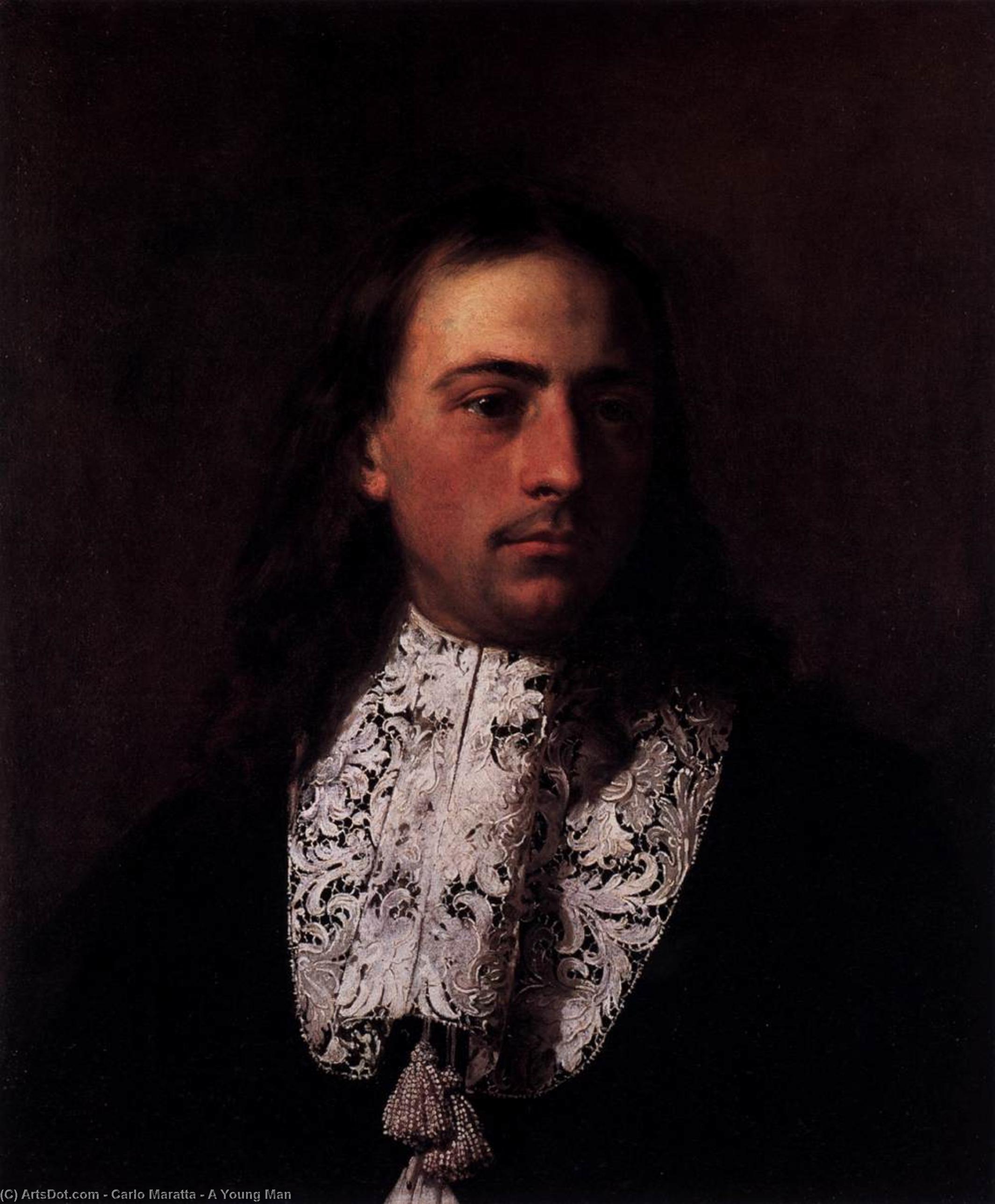
A Young Man


 Vis hele teksten
Giclée / Kunsttrykk
Giclée- eller lerretsprint av museumskvalitet med rask produksjon og fleksible valgmuligheter for etterbehandling. ( Bytt til håndmalt maleri Bytt til bilde)




P118B $10

P118H $10

P118W $10

P438Z $10

P508JH $12

P508YH $12

P805H $10

P805Z $10

P919BZ $10

P919G $10

P919XJ $10

P959ZH $10

P968JZ $12

W106C $8

W218G $10

W218JH $8

W218Y $10

W307PJ $10

W316G $10

W316PJ $8

W316Y $10

W398PJ $8

W4111J $10

W500HY $15

W500JH $15

W692G $12

W849H $8

W940BG $15

W953PJ $8




Velg mellom våre forhåndsdefinerte størrelser som bevarer kunstverkets opprinnelige proporsjoner.

Du kan oppgi egne mål for å tilpasse en spesifikk ramme eller et bestemt område. Dersom den valgte størrelsen ikke samsvarer med det originale bildets proporsjoner, vil vi enten beskjære kunstverket eller utvide bildet med en speilet eller ensfarget kant. En digital mockup vil bli sendt til din godkjenning før produksjonen starter.
Vennligst merk at forhåndsvisningen på skjermen ikke gjenspeiler den faktiske beskjæringen eller utvidelsen. Kun mockuppen vil vise den endelige komposisjonen nøyaktig.
Selv om tilpassede størrelser er tilgjengelige, anbefaler vi å velge et mål fra den forhåndsdefinerte listen for å bevare de originale proporsjonene.
Verdensomspennende levering () på 2 uker i stedet for standard 4/5 uker. (10 August)

Gratis ekspressfrakt over hele verden

Lerretsduk av høykvalitets lin

Full forsikring under transport

Garanti for refusjon av toll og importavgifter

Garantert korrekt fargegjengivelse

60 dagers returrett (kun ved feil)

100% pengene tilbake-garanti

Rabatt ved flere kjøp
 Glassalternativet er kun tilgjengelig i størrelser under 110 cm

A Young Man
Giclée / Kunsttrykk
Størrelse på reproduksjon
-


Endelig pris
$ 80
Beskrivelse av samleobjektet
The Enigmatic Youth: An Exploration of Carlo Maratta’s “A Young Man”
Carlo Maratta's "A Young Man," a captivating portrait from the heart of the Baroque era, isn’t merely a depiction of a young man; it’s an invitation into a world of refined elegance and nascent emotion. Painted in 1663, this oil on canvas offers a glimpse into the sensibilities of 17th-century Italy, revealing a masterful command of light, shadow, and psychological nuance that continues to resonate with viewers today. The painting immediately draws the eye with its subject’s direct gaze – an expression of quiet contemplation mingled with a hint of youthful confidence. He is presented within a richly textured interior, suggesting a space of private reflection, further enhancing the sense of intimacy created by Maratta's skillful rendering.
- Subject and Composition: The young man’s attire – a pristine white lace collar framing a ruffled neckline – speaks volumes about the era’s fashion sensibilities. The careful arrangement of his clothing, coupled with the subtle play of light on his features, highlights his status and youthfulness.
- Color Palette: Maratta employs a restrained yet sophisticated color palette dominated by warm browns, creams, and golds. These tones contribute to the painting’s overall sense of refinement and create a harmonious visual experience.
Baroque Techniques: A Dance of Light and Shadow
Maratta's genius lies not just in his subject matter but also in his technical prowess. He was a master of *chiaroscuro*, the dramatic use of light and shadow, which he employs here to sculpt the young man’s face and create a sense of three-dimensionality. Notice how the light gently illuminates his features, drawing attention to his eyes and mouth while leaving the background in relative darkness – a technique that intensifies the focus on the subject and evokes a feeling of mystery. The meticulous detail evident in the rendering of the lace collar and the folds of his clothing demonstrates Maratta’s dedication to realism and his ability to capture textures with remarkable precision.
- Brushwork: Maratta's brushstrokes are remarkably controlled, creating a smooth and polished surface that contributes to the painting’s overall sense of elegance.
- Layering Techniques: The artist skillfully layered colors to achieve depth and richness in his palette, adding subtle variations in tone to create a more dynamic and engaging image.
Historical Context and Artistic Legacy
“A Young Man” resides within the prestigious Staatliche Museen zu Berlin, a testament to its historical significance and artistic merit. Maratta’s work reflects the broader trends of the Baroque period – a time marked by both religious fervor and secular sophistication. He was deeply influenced by artists like Caravaggio and Annibale Carracci, absorbing their techniques while developing his own distinctive style. His portraits were highly sought after by European nobility and wealthy merchants, reflecting the growing importance of portraiture as a means of social status and personal expression. The painting’s enduring appeal lies in its ability to capture not just a likeness but also a sense of personality and inner life – qualities that continue to fascinate viewers centuries later.
Additional Research:**- IASblog — By Costanza Beltrami Carlo Maratta or Maratti was
- A Portrait of the Young Man, 1663 - Maratta, Carlo (Maratti, Carlo 1625-1713)
- IASblog — A Portrait of the Artist as a Young Man
Symbolism and Emotional Resonance
Beyond its technical brilliance, “A Young Man” is rich in symbolism. The young man’s direct gaze invites contemplation, suggesting an awareness of his own identity and place in the world. The lace collar, a fashionable accessory of the era, can be interpreted as a symbol of social status and refinement. The painting's overall mood is one of quiet introspection – a sense that the subject is grappling with profound questions about himself and his future. Maratta’s masterful use of light and shadow further enhances this emotional resonance, creating an image that is both visually stunning and psychologically compelling.
Om kunstneren
Carlo Maratta: The Quintessential Classicizing Baroque
Carlo Maratta, often known as Maratti, stands as a pivotal figure in 17th-century Italian painting, embodying the transition from the High Baroque to a more refined and classically inspired aesthetic. Born on May 15, 1625, in Camerano, within the Papal States—now part of Italy—his artistic journey began with an early move to Rome at the age of eleven. This relocation proved transformative, as he entered the studio of Andrea Sacchi, a painter renowned for his measured compositions and commitment to classical ideals. Sacchi’s influence would profoundly shape Maratta's developing style, instilling in him a dedication to clarity, balance, and a restrained emotionalism that distinguished him from more flamboyant Baroque contemporaries. This apprenticeship wasn’t merely technical training; it was an immersion into a philosophical approach to art, one prioritizing intellectual rigor and harmonious design over dramatic spectacle. He absorbed these principles, yet he wouldn't remain solely within their confines, demonstrating a remarkable ability to synthesize classical foundations with the prevailing currents of Baroque sensibility.- Early Life and Education:
- The Studio of Andrea Sacchi: Shaping Maratta’s Style
- A Flourishing Career in Rome: Patronage and Prestige
- Synthesis of Styles: Classical Ideals Embraced with Baroque Sensibility
- Legacy and Influence: An Enduring Artistic Vision
The Studio of Andrea Sacchi: Shaping Maratta’s Style
Maratta's formative years were spent under the tutelage of Andrea Sacchi, a painter whose artistic philosophy mirrored Maratta’s own. Sacchi championed a style characterized by meticulous observation and careful execution—a deliberate contrast to the exuberant theatricality favored by many Baroque artists. This mentorship instilled in Maratta a profound respect for proportion, perspective, and idealized beauty, elements that would become hallmarks of his oeuvre. Sacchi's insistence on restraint and intellectual contemplation served as an anchor against the excesses of the era, guiding Maratta toward a style rooted in humanist ideals—a cornerstone of classical art. The influence extended beyond mere technique; Sacchi instilled in Maratta a belief that painting should elevate the intellect alongside the senses, reflecting a broader cultural preoccupation with reason and order.A Flourishing Career in Rome: Patronage and Prestige
By the mid-1650s, Maratta’s talent swiftly gained recognition, attracting commissions from prominent Roman families and, crucially, the papacy itself. This sustained papal support wasn't merely a matter of financial stability; it positioned him at the very heart of Rome’s artistic and cultural life—a circumstance that fostered collaboration with leading intellectuals and architects. Over six decades, he received patronage from no fewer than six popes—a testament to his artistic prowess and astute political maneuvering. This consistent papal backing enabled Maratta to undertake ambitious projects, securing him a place among the most celebrated painters of his time. His works adorned churches and palaces throughout Rome, showcasing not only his artistic skill but also his ability to navigate the complex social landscape of the Baroque court.Synthesis of Styles: Classical Ideals Embraced with Baroque Sensibility
Maratta’s distinctive style—often termed “classicizing Baroque”—represents a masterful reconciliation between two artistic traditions. While deeply indebted to Raphael and other classical masters, he skillfully incorporated elements of Baroque dynamism and theatricality. He achieved this balance through meticulous attention to detail, employing subtle gradations of light and shadow to create an illusionistic depth that captivated viewers—a technique honed during his apprenticeship with Sacchi. Unlike many Baroque painters who prioritized emotional expression above all else, Maratta sought harmony between intellect and feeling, producing images that were both aesthetically pleasing and intellectually stimulating. This approach is evident in works such as *The Mystery of the Trinity Revealed to St. Augustine*, where classical idealism blends seamlessly with Baroque grandeur.Legacy and Influence: An Enduring Artistic Vision
Maratta’s contribution extended beyond creating individual masterpieces; he established a stylistic paradigm that resonated throughout the 18th century, influencing generations of artists. His emphasis on clarity, balance, and harmonious composition—principles championed by Giovanni Bellori—became foundational to Neoclassical art. He remains a significant figure for understanding the evolution of Italian painting and its enduring legacy on Western artistic tradition. Today, his paintings can be found in museums worldwide, ensuring that his artistic vision continues to inspire and captivate audiences for years to come. His influence is palpable in the works of artists who followed him, demonstrating the lasting impact of a painter who successfully bridged two eras—a true innovator within the context of Baroque art history.
Carlo Maratta
1625 - 1713 , Italia
Kort om kunstneren
- Artistic Movement Or Style: Classicizing Baroque
- Artists Who Influenced This Artist: ['Andrea Sacchi']
- Date Of Birth: 18 mai 1625
- Date Of Death: 15 décembre 1713
- Full Name: Carlo Maratta
- Nationality: Italian
- Notable Artworks:
- Apollo Chasing Daphne
- Adoration of the Magi
- Adoration of the Shepherds
- Place Of Birth: Camerano, Italie
Relaterte artikler

Oil on Canvas: A Historical & Technical Exploration of a Timeless Artistic Medium
Explore the rich history & enduring techniques of oil painting on canvas. Discover the science behind its longevity, conservation practices, and contemporary relevance. Expert insights for art enthusiasts.

The Enduring Legacy of Oil on Canvas: Technique, History & Aesthetic Impact
Explore the rich history & techniques of oil painting – from Renaissance masters to Impressionism. Discover pigments, layering methods, and why this timeless medium endures. Expert insights for artists & art enthusiasts.

Oljemaleriets varige arv: Teknikk, historie og samtidspraksis
Utforsk oljemaleriets fascinerende historie og teknikker! Lær om mestere, materialer og samtidspraksis. Få ekspertråd og inspirasjon for ditt neste kunstprosjekt.
De 10 mest ikoniske oljemalerier som forandret kunsthistorien – OriginalUniqueArt.com
Oppdag de 10 mest innflytelsesrike oljemaleriene gjennom tidene! Fra Mona Lisa til Van Goghs mesterverk – lær historien bak ikoniske kunstverk og finn inspirasjon for ditt hjem. Museumskvalitet reproduksjoner på OriginalUniqueArt.com.
The Soul of Impressionism: Why Oil on Canvas Captures Eternal Light and Timeless Emotion
Discover the enchanting alchemy of Impressionism. Explore how the mastery of oil on canvas, through glazing and impasto, captures eternal light and emotion. Perfect for lovers of Monet and Van Gogh seeking the profound depth of hand-painted fine art.


