
 Forhåndsvisning
 Send
Send Del med andre
 Vis detaljer

 Last ned bildet
 Liknende objekter
 Røntgenundersøkelse
 Lysbildefremvisning
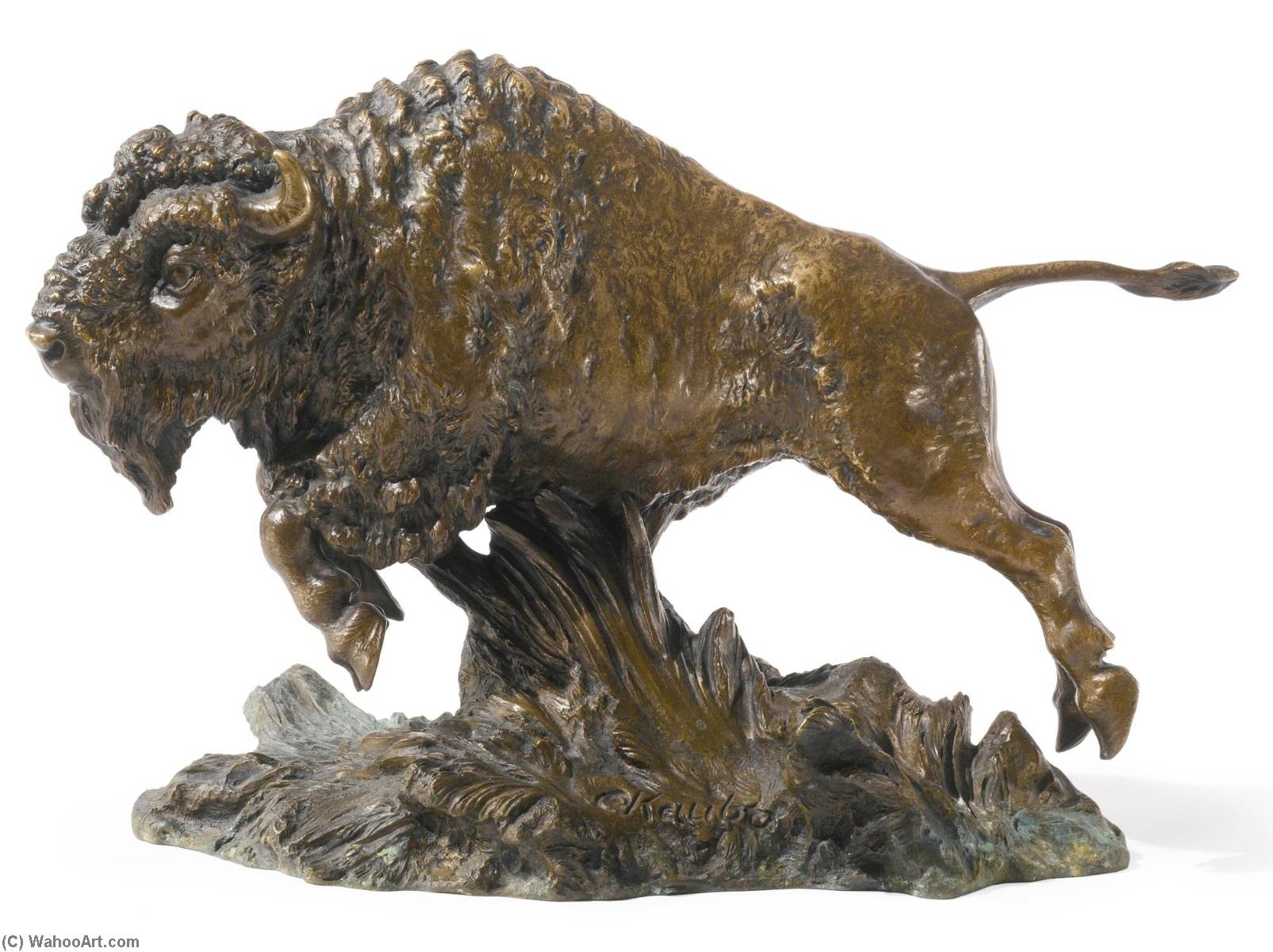
Charging Buffalo

 Vis hele teksten
Giclée / Kunsttrykk
Giclée- eller lerretsprint av museumskvalitet med rask produksjon og fleksible valgmuligheter for etterbehandling. ( Kjøp håndlaget maleri Kjøp bilde)




P118B $10

P118H $10

P118W $10

P438Z $10

P508JH $12

P508YH $12

P805H $10

P805Z $10

P919BZ $10

P919G $10

P919XJ $10

P959ZH $10

P968JZ $12

W106C $8

W218G $10

W218JH $8

W218Y $10

W307PJ $10

W316G $10

W316PJ $8

W316Y $10

W398PJ $8

W4111J $10

W500HY $15

W500JH $15

W692G $12

W849H $8

W940BG $15

W953PJ $8




Velg mellom våre forhåndsdefinerte størrelser som bevarer kunstverkets opprinnelige proporsjoner.

Du kan oppgi egne mål for å tilpasse en spesifikk ramme eller et bestemt område. Dersom den valgte størrelsen ikke samsvarer med det originale bildets proporsjoner, vil vi enten beskjære kunstverket eller utvide bildet med en speilet eller ensfarget kant. En digital mockup vil bli sendt til din godkjenning før produksjonen starter.
Vennligst merk at forhåndsvisningen på skjermen ikke gjenspeiler den faktiske beskjæringen eller utvidelsen. Kun mockuppen vil vise den endelige komposisjonen nøyaktig.
Selv om tilpassede størrelser er tilgjengelige, anbefaler vi å velge et mål fra den forhåndsdefinerte listen for å bevare de originale proporsjonene.
Verdensomspennende levering () på 2 uker i stedet for standard 4/5 uker. (24 August)

Gratis ekspressfrakt over hele verden

Lerretsduk av høykvalitets lin

Full forsikring under transport

Garanti for refusjon av toll og importavgifter

Garantert korrekt fargegjengivelse

60 dagers returrett (kun ved feil)

100% pengene tilbake-garanti

Rabatt ved flere kjøp
 Glassalternativet er kun tilgjengelig i størrelser under 110 cm

Charging Buffalo
Giclée / Kunsttrykk
Størrelse på reproduksjon
-


Endelig pris
$ 80
Om kunstneren
Carl Kauba: Bridging Realism and Symbolism in Late 19th-Century Austrian Painting
Carl Eduard Schuch (1846-1903) stands as a pivotal figure in late 19th-century Austrian painting, marking a crucial transition between traditional realism and the burgeoning influences of modern symbolism. Born in Vienna, Schuch’s artistic journey was shaped by a fascination with both meticulous observation of nature and an exploration of spiritual themes—a duality that characterizes his distinctive oeuvre. His early training focused on academic traditions, absorbing lessons from masters like Albert Brumel and Johann Franz Staubach, grounding him in the conventions of landscape painting prevalent at the time. However, Schuch quickly distinguished himself through a bold experimentation with color and form, rejecting purely representational approaches in favor of conveying emotion and inner experience. Schuch’s artistic vision was profoundly impacted by Orientalism—the European fascination with the East—which gained considerable momentum during his lifetime. Artists like Eugène Delacroix and Frédéric Bazille had already established precedents for depicting exotic locales and cultures with heightened emotional intensity, inspiring Schuch to venture beyond mere topographical accuracy. He traveled extensively throughout Morocco and Algeria, immersing himself in the vibrant colors and textures of North African landscapes and capturing portraits of local inhabitants—often imbued with a sense of melancholy and contemplation. This engagement with Orientalism wasn’t merely stylistic; it represented a broader intellectual preoccupation with questions of spirituality and transcendence. Schuch sought to express profound ideas about human existence through his paintings, utilizing color palettes rich in blues and greens to evoke feelings of serenity and introspection. Schuch's artistic development progressed steadily throughout his career, culminating in a masterful synthesis of realism and symbolism. He honed his technique—particularly watercolor—to achieve unparalleled luminosity and expressive nuance. His landscapes are characterized by meticulous detail—capturing the subtle variations of light and shadow—yet simultaneously infused with an ethereal quality that transcends mere visual perception. Recurring motifs—such as solitary figures gazing upon expansive vistas—suggested a preoccupation with themes of solitude, contemplation, and spiritual yearning. Schuch’s paintings resonate powerfully today because they embody the spirit of their time—a period marked by both scientific advancements and a renewed interest in mysticism. Schuch's legacy extends beyond his individual artworks; he served as an influential teacher at the Akademie der Bildenden Künste Wien (Vienna Academy of Fine Arts), nurturing generations of aspiring artists who embraced his innovative approach to painting. His students included Josef Maria Hornberger and Wilhelm Trübner, who carried forward Schuch’s stylistic principles—particularly the expressive use of color—into their own artistic endeavors. Through his teaching and mentorship, Schuch ensured that his distinctive vision would continue to inspire artists for decades to come. Schuch's contribution to Austrian art history is undeniable. He stands as a testament to the transformative power of artistic experimentation and the enduring relevance of exploring spiritual dimensions within visual representation. His paintings remain treasured examples of late 19th-century watercolor landscape, embodying both meticulous observation and profound emotional depth—a duality that secures his place among Austria’s most celebrated painters.
carl kauba
1865 - 1922
Kort om kunstneren
- Artistic Movement Or Style: American West Painting
- Date Of Birth: 1865
- Date Of Death: 1922
- Full Name: Carl Kauba
- Nationality: Austrian
- Notable Artworks:
- Charging Buffalo
- Moorish Dancer
- Place Of Birth: Vienna, Austria
Relaterte artikler

Bronzens Mesterverk: 10 Skulpturer Som Forandret Kunsthistorien | OriginalUniqueArt
Oppdag 10 legendariske bronse skulpturer som revolusjonerte kunsthistorien! Fra Michelangelo til Rodin – lær om teknikker, historier og tidløs skjønnhet. Finn museumskvalitets reproduksjoner & interiørinspirasjon på OriginalUniqueArt.com.

Bronseklassikere: 10 skulpturer som revolusjonerte kunsten | OriginalUniqueArt
Utforsk 10 legendariske bronseskulpturer som formet kunsthistorien! Fra Rodin til Michelangelo – oppdag historiene, teknikkene og skjønnheten bak tidløse mesterverk. Finn din perfekte veggkunst eller interiørdekor på OriginalUniqueArt.com.

The Enduring Legacy of Bronze: A Historical & Artistic Exploration for the Collector
Explore the rich history & enduring appeal of bronze sculpture with expert insights for collectors at OriginalUniqueArt. Learn about casting techniques, iconic artists, collecting tips & contemporary interpretations.
The Enduring Legacy of Bronze Sculpture: A Collector's Guide to Form & Cultural Significance
Explore the rich history & enduring appeal of bronze sculpture with expert insights for collectors at OriginalUniqueArt. Learn about casting techniques, iconic artists, and collecting tips to build a discerning art collection.
The Enduring Legacy of Bronze: History, Technique & Artistic Expression for the Collector
Explore the rich history & enduring appeal of bronze sculpture with expert insights for collectors at OriginalUniqueArt. Learn about casting techniques, iconic artists, and collecting tips.

