
 Forhåndsvisning
 Send
Send Del
Del
 Vis detaljer
 Utskriftsvennlig guide

 Last ned bilde
 Liknende objekter
 Røntgenundersøkelse
 Lysbildefremvisning
 Spørsmål og svar
 Statistikk
Autoportrait

 Vis hele teksten
Få en utskriftsklar fil som går langt utover forhåndsvisningen på nett. Hvert digitale bilde vi selger er hentet fra en høyoppløselig master i vår database – vanligvis mellom 5 000 og 15 000 piksler bred – slik at du kan trykke stort, beskjære tett eller gjenskape fine detaljer med full trygghet.
Ingen filer forlater studioet vårt uten å bli bearbeidet. En digital ekspert kontrollerer fargene mot det originale maleriet og korrigerer dem ved behov, for deretter å forbedre klarhet og detaljrikdom med profesjonelle retusjeringsverktøy — alltid tro mot kunstnerens penselstrøk og stil. Resultatet er et bilde som fremstår som selve maleriet, ikke som en skann med filter.
Du godkjenner før ferdigstilling: vår ekspert sender bildet på e-post til din vurdering innen 72 timer. Ikke fornøyd? Be om forbedringer eller korrigeringer, eller be om refusjon dersom kvaliteten ikke svarer til forventningene.
Dette er kvaliteten forlag, designstudioer, gallerier og trykkerier stoler på.
Digitalt bilde
Last ned en høyoppløselig fil til personlig bruk, utskrift og kreative prosjekter. ( Bytt til trykk Kjøp håndmalt maleri)
Inkludert i alle bestillinger av digitale bilder
Ekspert på digital levering, garantert
Når du velger OriginalUniqueArt.com, får du ikke bare et bilde – du mottar et profesjonelt etterbehandlet digitalt kunstverk, skapt med presisjon og med en garantert tilfredshetsgaranti. Her er alt som automatisk følger med din bestilling:

Rask levering på e-post
Din høyoppløselige digitale bildefil sendes til din e-post innen 72 timer etter bestilling – klar til umiddelbar bruk.

KI-forbedret digital fil
Ditt kunstverk blir profesjonelt optimalisert ved hjelp av avanserte AI-verktøy og manuell redigering, noe som sikrer maksimal detaljrikdom, klarhet og fargegjengivelse.

Gratis livslang nyutlevering
Har du ved et uhell slettet eller mistet filen din? Ingen bekymring – vi sender den på nytt når som helst, helt gratis.

Ingen importavgifter – noen gang
Nyt ditt kunstverk umiddelbart uten toll, avgifter eller leveringskostnader – digitale nedlastinger er alltid avgiftsfrie.

Garantert fargenøyaktighet
Vi sikrer at det digitale bildet gjenspeiler de originale fargene så nøyaktig som mulig ved hjelp av profesjonelle verktøy og fargehåndtering.

100 dagers fornøydhetsgaranti
Hvis du ikke er fornøyd med ditt digitale bilde, vil vi revidere det eller refundere 100% innen 100 dager – uten spørsmål.

100% Penggaranti
Ikke fornøyd? Få full refusjon innen 100 dager etter at du har mottatt din digitale fil – uten spørsmål.

Rabatt ved storkjøp
Kjøp 3 bilder, spar 10% - Kjøp 5, spar 15% - Kjøp 10+, spar 20%. Ideelt for kreative prosjekter, gallerier og byråer.
Om kunstneren
Raymond Bonheur: The Quiet Foundation of a Legacy
Raymond Bonheur (1796–1849) remains a somewhat shadowy figure in the annals of 19th-century art, often overshadowed by his more celebrated daughter, Rosa. Yet, to dismiss him as merely a supporting player would be a profound oversight. He was, in fact, a pivotal influence, a landscape and portrait painter deeply rooted in Saint-Simonianism – a utopian Christian socialist movement that profoundly shaped his artistic philosophy and approach. Born into an artistically inclined family—his father, Oscar-Raymond Bonheur, was himself a respected painter—Raymond’s life unfolded against the backdrop of revolutionary France, a period marked by social upheaval and intellectual ferment. His early years were spent in Bordeaux, absorbing the artistic traditions of the region while simultaneously grappling with the complexities of his father's unconventional beliefs. The Saint-Simonian movement, advocating for education reform and social harmony through art, instilled in Raymond a belief in the transformative power of creativity and its potential to contribute to a better world. This conviction led him to abandon a conventional career path and dedicate himself entirely to painting, a decision that ultimately distanced him from his family and children. His departure with the community marked a significant turning point, one that would profoundly impact the lives of those he left behind, including his young daughter Rosa.A Landscape Painter and Saint-Simonian Idealist
Raymond’s artistic style was characterized by a meticulous attention to detail and a deep appreciation for the natural world. He primarily focused on landscape painting and portraiture, often depicting scenes of rural life with remarkable realism. His works are imbued with a sense of tranquility and harmony, reflecting the Saint-Simonian ideal of social unity and spiritual enlightenment. Unlike many of his contemporaries who sought grand historical or mythological subjects, Raymond chose to capture the everyday beauty of the French countryside—rolling hills, verdant fields, and charming villages. His brushwork was precise and controlled, conveying a sense of order and balance. He frequently employed atmospheric perspective to create depth and distance in his compositions, skillfully rendering the effects of light and shadow. While not widely exhibited during his lifetime, Raymond’s paintings were admired by fellow Saint-Simonians who recognized the value of his work as an embodiment of their philosophical principles. His dedication to capturing the essence of nature and promoting social harmony through art established a crucial foundation for Rosa Bonheur's future artistic endeavors.The Influence on Rosa Bonheur’s Artistic Development
Rosa Bonheur’s extraordinary success as a painter of animals owes, in no small part, to her father’s early influence. Raymond provided her with an unparalleled artistic education, fostering her innate talent and instilling in her a deep love for the natural world. He encouraged her to study animal anatomy meticulously, often bringing live animals into their home studio for observation and sketching. This hands-on approach—a rarity for young female artists of the time—allowed Rosa to develop a profound understanding of animal form and movement. Raymond’s own landscape paintings served as models for Rosa, demonstrating his meticulous technique and appreciation for atmospheric perspective. Furthermore, he instilled in her a strong sense of self-reliance and independence, qualities that would prove invaluable throughout her career. The family's Saint-Simonian beliefs also shaped Rosa’s artistic vision, encouraging her to depict animals with empathy and respect, rather than as mere subjects of scientific study. It is often noted that Raymond’s influence on Rosa was not merely technical but profoundly philosophical, shaping the way she approached her art and her relationship with the natural world.A Family Divided: Loss and Reconnection
Raymond Bonheur's life took a tragic turn when he joined the Saint-Simonian community in 1839, leaving his wife, Sophie, and their four children behind. This decision, driven by his commitment to the movement’s ideals, resulted in a painful separation and ultimately led to Sophie’s death from tuberculosis in 1833. The abandonment of his children created a complex and emotionally fraught situation. He sent his two sons to boarding school, while Rosa remained with her mother. This period of isolation profoundly affected Raymond's life, marked by regret and a sense of responsibility for the hardship he had caused his family. Remarkably, Raymond’s dedication to the Saint-Simonian community did not diminish; instead, it intensified, leading him to dedicate himself entirely to art. Years later, after Sophie’s death, Raymond returned to care for his children, demonstrating a remarkable capacity for redemption and a deep love that transcended the years of separation. This poignant story highlights the personal cost of ideological commitment and the enduring bonds of family.Legacy and Historical Significance
While Raymond Bonheur’s own artistic output was relatively modest compared to his daughter’s, his influence on Rosa Bonheur's career is undeniable. He provided her with a solid foundation in art, instilled in her a love for the natural world, and fostered her independent spirit. His commitment to Saint-Simonian ideals—emphasizing education, social harmony, and the transformative power of creativity—shaped her artistic vision and contributed to her success as one of the most celebrated animal painters of the 19th century. Furthermore, Raymond’s story serves as a compelling example of an artist who defied conventional expectations and pursued his passion despite personal hardship. He represents a quiet but significant force in the history of French art—a foundational figure whose legacy continues to resonate through the work of his extraordinary daughter, Rosa Bonheur. His dedication to capturing the beauty of the natural world and promoting social harmony remains a testament to the enduring power of art as a means of expressing human values and aspirations.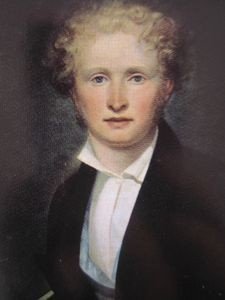
Bonheur Raymond
1796 - 1849
Kort om kunstneren
- Artistic Movement Or Style: Realism, Saint-Simonianism
- Artists Or Movements Influenced By This Artist:
- Rosa Bonheur
- Realism
- Artists Who Influenced This Artist:
- Paulus Potter
- Aelbert Cuyp
- Date Of Birth: 1796
- Date Of Death: 1849
- Full Name: Oscar-Raymond Bonheur
- Nationality: French
- Notable Artworks:
- Ploughing in the Nivernais
- The Horse Fair
- Place Of Birth: Bordeaux, France