

 Se i rommet
 Del som digitalt kort
 Del
Del
 Detaljer
 Studentguide

 Last ned
 Liknende objekter
 Røntgen
 Lysbildefremvisning
 Besøksstatistikk
Fruit, Flowers, and Shells
 Oil On Canvas
- WallArt
- Baroque Still Life
 1629
1629- Renaissance
 55.0 x 89.0 cm
 Toledo Museum of Art
 Les mer
Giclée / Kunsttrykk
Giclée- eller lerretsprint av museumskvalitet med rask produksjon og fleksible valgmuligheter for etterbehandling. ( Bestill håndmalt reproduksjon Gå til digitalt bilde)




P118B Nkr10

P118H Nkr10

P118W Nkr10

P438Z Nkr10

P508JH Nkr12

P508YH Nkr12

P805H Nkr10

P805Z Nkr10

P919BZ Nkr10

P919G Nkr10

P919XJ Nkr10

P959ZH Nkr10

P968JZ Nkr12

W106C Nkr8

W218G Nkr10

W218JH Nkr8

W218Y Nkr10

W307PJ Nkr10

W316G Nkr10

W316PJ Nkr8

W316Y Nkr10

W398PJ Nkr8

W4111J Nkr10

W500HY Nkr15

W500JH Nkr15

W692G Nkr12

W849H Nkr8

W940BG Nkr15

W953PJ Nkr8




Velg mellom våre forhåndsdefinerte størrelser som bevarer kunstverkets opprinnelige proporsjoner.

Skriv inn bredden og høyden du trenger, slik at den passer til din ramme eller vegg. Et trykk kan kun beskjæres, aldri gjøres større enn bildet, så et format med en annen form vil miste en del av motivet. Vi sender deg en digital mockup for godkjenning før vi trykker noe som helst. Bildet som vises på denne siden viser ikke den faktiske beskjæringen — det er kun mockuppen som gjør det.
Verdensomspennende levering () på 2 uker i stedet for standard 4/5 uker. (23 October)

Gratis ekspressfrakt over hele verden

Lerretsduk av høykvalitets lin

Full transportforsikring

Garanti for refusjon av toll og importavgifter

Garantert fargeekthet

100 dagers returrett ved fabrikasjonsfeil

100% pengene tilbake-garanti

Mengderabatt
 Glassalternativet er kun tilgjengelig i størrelser under 110 cm

Fruit, Flowers, and Shells
Giclée / Kunsttrykk
Format på reproduksjon
-


Totalpris
Nkr 758
A Symphony of Natural Wonders: Balthasar van der Ast’s *Fruit, Flowers, and Shells*
Balthasar van der Ast's 1629 masterpiece, *Fruit, Flowers, and Shells*, is more than a still life; it’s a meticulously crafted window into the burgeoning world of Dutch Golden Age artistry and intellectual curiosity. This painting, measuring 55 x 89 cm, immediately captivates with its astonishing detail – a profusion of exquisitely rendered fruit, flowers, and shells that seem poised to leap from the canvas. Van der Ast’s skill isn't merely in depicting these objects; it lies in his ability to imbue them with a sense of scientific observation and humanist contemplation, reflecting the profound shifts occurring across Europe during the 16th and 17th centuries.
The Art of Shell Painting and Scientific Observation
Van der Ast’s reputation rests largely on his pioneering work in shell painting, a technique demanding an almost obsessive attention to detail. He elevates the humble shell – sourced from exotic locales like the South Pacific and Indian Ocean – into objects of profound beauty and scientific interest. The inclusion of these shells, alongside rare tulips (introduced to Europe from Turkey around 1550), parrots, lizards, and crickets, speaks to the era’s fascination with natural history and the collecting of curiosities. This wasn't simply about aesthetic pleasure; it mirrored the burgeoning scientific revolution, where artists like Van der Ast were engaged in a rigorous study of form, texture, and color – mirroring the advancements being made in astronomy, physics, and medicine.
A Dutch Masterpiece: Technique and Composition
The painting’s composition is masterful. Each element—the apples, grapes, pears, plums, peaches, cherries, oranges, rose, and carnation – occupies a distinct space, inviting the viewer to examine each object with careful attention. The inclusion of the Chinese Wan-li porcelain vase, enhanced with a gilded base crafted by a European goldsmith, further underscores the cross-cultural influences shaping Dutch art at the time. Van der Ast’s use of light and shadow is particularly noteworthy, creating a sense of depth and volume that brings the still life to vibrant life. His meticulous layering of glazes – a hallmark of Flemish painting – ensures an incredible richness of color and texture, allowing for subtle variations in tone that contribute significantly to the work's realism.
Symbolism and Emotional Resonance
*Fruit, Flowers, and Shells* transcends mere representation; it’s laden with symbolic meaning. The abundance of fruit represents fertility, prosperity, and the bounty of nature – themes frequently explored in Dutch art. The flowers, particularly the rose and carnation, carry their own traditional associations, adding layers of interpretation. Beyond this, the painting evokes a sense of quiet contemplation and appreciation for the beauty of the natural world. It’s a testament to Van der Ast's ability to capture not just what he saw, but also the emotions and ideas associated with his subject matter – a skill that continues to resonate with viewers today.
Spørsmål og svar
Hvilken kunstner kan "Fruit, Flowers, and Shells" tilskrives?
"Fruit, Flowers, and Shells" tilskrives Balthasar Van Der Ast.
Hvor populær er "Fruit, Flowers, and Shells" innenfor Baroque Still Life?
Innenfor Baroque Still Life-retningen har "Fruit, Flowers, and Shells" et Recognized popularitetsnivå.
I hvilket år ble "Fruit, Flowers, and Shells" av Balthasar Van Der Ast skapt?
"Fruit, Flowers, and Shells" dateres til 1629. Datoen plasserer verket innenfor Balthasar Van Der Ast sin karriere og sin epoke.
Kunstnerbiografi
Mesteren av det miniatyriske universet: Balthasar van der Ast
I det gylne lyset fra det syttenende århundrets Nederland, en periode definert av enestående velstand og vitenskapelig nysgjerrighet, trådte Balthasar van der Ast frem som en virtuos av det småskala mesterverket. Født i Middelburg rundt 1593, malte ikke van der Ast bare objekter; han orkestrerte tause dramaer på lerretet. Hans liv var dypt sammenvevd med den voksende handelskulturen i Zeeland, som sønn av en velstående ullhandler, Hans van der Ast. Denne bakgrunnen ga ham mer enn bare sosial stabilitet; den tilbød en tidlig fortrolighet med de eksotiske varene og dyrebare prøvene som senere skulle bli protagonistene i hans berømte stilleben.
Den kunstneriske sjelens bane ble uforanderlig formet av hans tilknytning til Bosschaert-dynastiet. Gjennom et familiært bånd ble van der Ast protegen til den legendariske Ambrosius Bosschaert den eldre, hans stedfar. Under denne veiledningen mestret han den nitidige presisjonen som kreves for "blomsterstykket", en sjanger som krevde et nesten mikroskopisk nivå av observasjon. Denne arven av ekspertise gjorde det mulig for ham å foredle en teknikk preget av subtile tonale graderinger og en dyp respekt for naturens fysiske tekstur. Han var ikke alene i denne søken etter perfeksjon; sammen med sine svogere bidro han til å dyrke en stilistisk bevegelse som prioriterte det delikate samspillet mellom lys og skygge, og som forvandlet enkle botaniske studier til dype meditasjoner over eksistensen.
En symfoni av skjell og flora
Mens mange av hans samtidige utelukkende fokuserte på blomsters forgjengelige skjønnhet, oppnådde van der Ast historisk udødelighet gjennom sine banebrytende utforskninger av konkologi. Han ble en pioner innen skjellmaleri, og behandlet de forkalkede restene av sjødyr med samme ærbødighet som det mykeste kronblad. I verk som "Stilleben med plommer, kirsebær og skjell", kan man være vitne til et pustende ekteskap mellom ulike teksturer: den saftige, gjennomsiktige huden på frukten i kontrast til de harde, perlemorsaktige overflatene på eksotiske skjell. Denne fascinasjonen var ikke bare estetisk; den reflekterte epokens voksende vitenskapelige interesse for naturhistorie og den nederlandske sjøfartshandelens globale rekkevidde.
Hans komposisjoner fungerte ofte som langt mer enn bare fremvisninger av rikdom eller botanisk nøyaktighet. Å betrakte et maleri av van der Ast er å gå inn i et komplekst nett av symbolikk forankret i humanistisk filosofi. Innenfor hans arrangementer kan man finne:
- Livets forgjengelighet: Representert gjennom visnende kronblader eller insekter som fortærer selve skjønnheten de bebor.
- Vitenskapelig observasjon: En nitidig registrering av arter, som gjenspeiler oppdagelsestiden og epokens tørst etter kunnskap.
- Vanitas-temaer: Subtile påminnelser om dødelighet, der fruktens forfall tjener som et gripende memento mori.
Arv og kunstnerisk betydning
Balthasar van der Asts innflytelse strakte seg langt utover hans eget atelier i Utrecht. Ved å ønske kunstnere som Roelandt Savery velkommen inn i det lokale gildet, bidro han til å fremme et miljø der tonalitet og realisme kunne blomstre. Hans evne til å besjele livløse objekter med en følelse av liv—en kvalitet man ser i hans fremstillinger av øgler og insekter som kryper blant frukten—satte en ny standard for den nederlandske gullalderen. Han beveget stillebenssjangeren bort fra statiske oppstillinger mot en mer dynamisk, pustende virkelighet.
I dag forblir hans verk hjørnesteiner i museumssamlinger over hele verden, fra British Museum til Europas store gallerier. Hans arv finnes i hvert penselstrøk som fanger duggdråpen på et blad eller den iriserende glansen i et skjell. Balthere van der Ast forblir en titan innen Stilleven, en kunstner som lærte verden å finne det uendelige i det uendelig lille, og som transformerte naturens ydmyke objekter til evige ikoner av skjønnhet.

Balthasar Van Der Ast
1593 - 1657 , Nederland
Kort om kunstneren
- Artistic Movement Or Style: Gullalder-maleri
- Artists Or Movements Influenced By This Artist: Nederlandsk barokk
- Artists Who Influenced This Artist: Ambrosius Bosschaert
- Date Of Birth: 1593
- Date Of Death: 1657
- Full Name: Balthasar van der Ast
- Nationality: Nederlandsk
- Notable Artworks:
- Frukt og skjell på en avsats
- Tulipan
- Øgle og skjell
- Place Of Birth: Middelburg, Nederland
Relaterte artikler
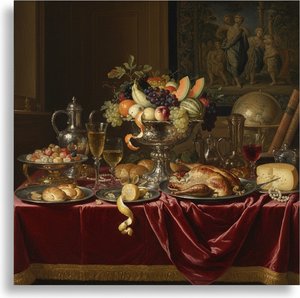
Abraham Hendricksz van Beyeren: Pioneering Dutch Still Life & the Banquet Tradition
Explore the captivating world of Dutch Golden Age still life with Abraham van Beyeren. Discover his innovative techniques, symbolic banquet scenes & lasting influence on art history. Learn about collecting these masterpieces.

Rembrandts Mesterverk: Topp 25 Kunstverk for Din Vegg | OriginalUniqueArt.no
Utforsk Rembrandts 25 mest ikoniske kunstverk! Oppdag historiene bak mestermalerier, portretter og bibelske scener fra den nederlandske barokken. Finn museumskvalitets reproduksjoner & interiørinspirasjon på OriginalUniqueArt.com.

Golden Light & Dutch Skies: The Timeless Magic of Dutch Golden Age Landscapes
Discover the breathtaking beauty of Dutch Golden Age landscapes. Explore the mastery of light, chiaroscuro, and 17th-century realism through an expert art history lens, celebrating the enduring legacy of the Dutch Masters for discerning collectors and art lovers.

Golden Age Reflections: Dutch Baroque Painting & Cultural Innovation
Explore the Dutch Golden Age of painting! Discover key artists like Vermeer & ter Borch, their innovative techniques, and the rich cultural context behind these Baroque masterpieces. Learn about collecting & appreciating this iconic art period.

De 10 Mesterverkene som Definerte den Nederlandsk Gyldne Tidsalder – Kunst & Interiør
Oppdag de 10 ikoniske mesterverkene fra den nederlandske gullalderen! Lær om Rembrandt, Vermeer og andre store kunstnere. Finn inspirasjon til klassisk interiørdekorasjon og kjøp museumskvalitets reproduksjoner på OriginalUniqueArt.com.