 Forhåndsvisning
 Send
Send Del
Del
 Vis detaljer
 Utskriftsvennlig guide

 Last ned bilde
 Liknende objekter
 Røntgenundersøkelse
 Lysbildefremvisning
 Spørsmål og svar
 Statistikk
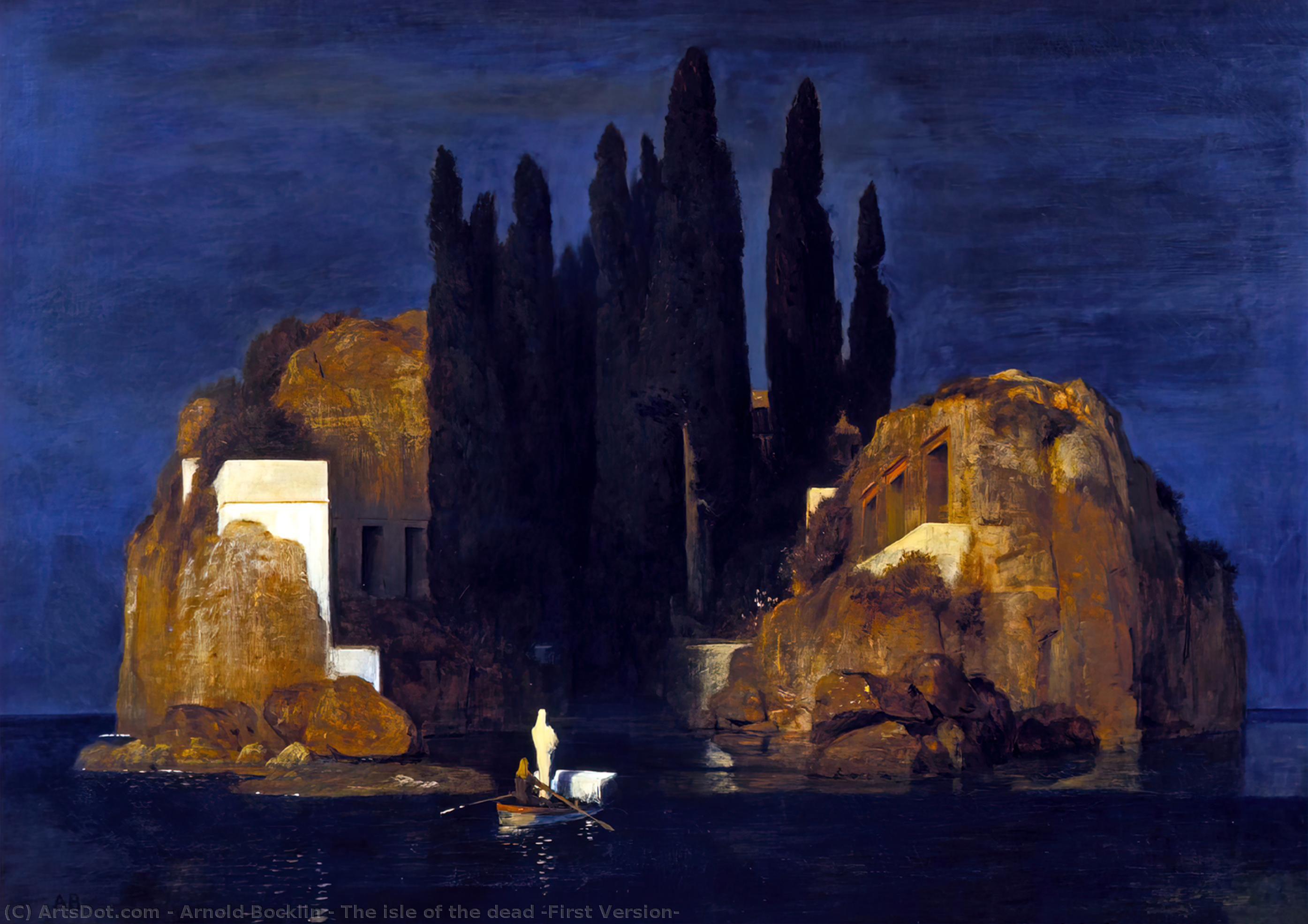
The isle of the dead (First Version)

- 111.0 x 155.0 cm


 Vis hele teksten
Giclée / Kunsttrykk
Giclée- eller lerretsprint av museumskvalitet med rask produksjon og fleksible valgmuligheter for etterbehandling. ( Kjøp håndmalt maleri Bytt til digitalt bilde)




P118B Nkr10

P118H Nkr10

P118W Nkr10

P438Z Nkr10

P508JH Nkr12

P508YH Nkr12

P805H Nkr10

P805Z Nkr10

P919BZ Nkr10

P919G Nkr10

P919XJ Nkr10

P959ZH Nkr10

P968JZ Nkr12

W106C Nkr8

W218G Nkr10

W218JH Nkr8

W218Y Nkr10

W307PJ Nkr10

W316G Nkr10

W316PJ Nkr8

W316Y Nkr10

W398PJ Nkr8

W4111J Nkr10

W500HY Nkr15

W500JH Nkr15

W692G Nkr12

W849H Nkr8

W940BG Nkr15

W953PJ Nkr8




Velg mellom våre forhåndsdefinerte størrelser som bevarer kunstverkets opprinnelige proporsjoner.

Skriv inn ønsket bredde og høyde for å tilpasse trykket til din ramme eller vegg. Et trykk kan kun beskjæres, aldri skaleres opp utover motivets opprinnelige størrelse, noe som betyr at et format med andre proporsjoner vil føre til tap av deler av bildet. Vi sender deg en digital mockup for godkjenning før vi starter trykkeprosessen. Bildet som vises på denne siden viser ikke den faktiske beskjæringen — det er kun mockuppen som viser dette.
Verdensomspennende levering () på 2 uker i stedet for standard 4/5 uker. (4 November)

Gratis ekspressfrakt over hele verden

Lerretsduk av lin av høy kvalitet

Full transportforsikring

Garanti for refusjon av toll og importavgifter

Garantert fargegjengivelse

100 dagers returrett ved fabrikasjonsfeil

100% pengene tilbake-garanti

Rabatt ved flere kjøp
 Glassalternativet er kun tilgjengelig i størrelser under 110 cm

The isle of the dead (First Version)
Giclée / Kunsttrykk
Størrelse på reproduksjon
-


Totalpris for valgte alternativer
Nkr 774
A Journey into the Sublime: The Enigmatic World of Böcklin
In the quiet, shadowed corridors of art history, few images possess the haunting magnetism of Arnold Böcklin’s The Isle of the Dead (First Version). Completed in the early 1880s, this masterpiece serves as a profound gateway into the Symbolist movement, where the artist’s brush seeks not to mirror reality, but to evoke the intangible whispers of the soul. As one gazes upon this monumental canvas, they are immediately transported to a realm of profound stillness and spectral beauty. The scene is dominated by a desolate, rocky islet, rising sharply from dark, turbulent waters like a monument to the eternal. Towering cypress trees, those ancient sentinels of mourning, pierce the heavy atmosphere, their dark silhouettes anchoring the composition in a state of perpetual twilight. It is an immersive experience that invites the viewer to step away from the clamor of the modern world and enter a space of deep, meditative contemplation.
The emotional resonance of the work lies in its masterful use of chiaroscuro—the dramatic interplay between light and shadow. Böcklin employs a meticulous oil painting technique, utilizing smooth gradations of color to create an atmospheric gloom that feels almost tactile. The water, dark and brooding, seems to swallow the light, while the starkness of the rocks provides a sense of unyielding permanence. This technical precision allows for a palpable sense of mystery; every ripple in the water and every shadow cast by the cypress trees contributes to a narrative of solitude and transition. For the collector or interior designer, this painting offers more than mere decoration; it provides a focal point of immense gravity, capable of anchoring a room with its somber elegance and sophisticated depth.
Symbolism and the Voyage of the Soul
Beyond its striking aesthetic, the painting is a rich tapestry of mythological and folkloric references. The lone rowing boat, approaching the shore with a shrouded figure at its helm, serves as a powerful metaphor for the final journey of the deceased. Scholars often draw parallels to the classical myth of Charon, the ferryman of Hades, suggesting that this islet is a destination within the underworld itself. This interpretation imbues the work with a universal weight, touching upon the shared human experience of mortality and the mystery of what lies beyond the veil. The cypress trees, traditionally associated with cemeteries and grief, reinforce this theme of remembrance and the cyclical nature of life and death.
Böcklin himself remained famously elusive regarding his specific intentions, allowing the painting to remain an open vessel for individual interpretation. This ambiguity is precisely what gives the work its enduring power; it is a mirror for the viewer's own emotions, whether they find peace in its stillness or trepidation in its shadows. To possess a high-quality reproduction of this work is to invite a piece of the sublime into one's personal space—a constant reminder of the beauty found in the ephemeral and the profound strength found in silence. It is an ideal acquisition for those who appreciate art that challenges the intellect while deeply stirring the heart.
Spørsmål og svar
Hvor stor er kontrasten i "The isle of the dead (First Version)" av Arnold Böcklin?
Kontrastnivået i "The isle of the dead (First Version)" av Arnold Böcklin er Gentle.
Hvilken fase av Arnold Böcklin sin karriere tilhører "The isle of the dead (First Version)", basert på datoen?
Dateringen fra 1880 plasserer "The isle of the dead (First Version)" i Mature Period av Arnold Böcklin sin kunstneriske utvikling.
Hvilken teknikk og hvilket årstall er "The isle of the dead (First Version)" av Arnold Böcklin fra?
"The isle of the dead (First Version)" av Arnold Böcklin er utført i Oil On Canvas og er datert 1880.
Om kunstneren
Early Life and Training
Arnold Böcklin, a name synonymous with haunting beauty and profound melancholy, was born on October 16, 1827, in Basel, Switzerland—a city that would profoundly shape his artistic vision. His father, Christian Frederick Böcklin, descended from an old family rooted in the silk trade of Schaffhausen, while his mother, Ursula Lippe, hailed from the same city as well. From a young age, Arnold displayed a keen interest in art, initially studying drawing at the Zeichenschule in Basel under the guidance of Ludwig Adam Kelterborn. This foundational training provided him with essential skills before he embarked on his formal artistic education at the Düsseldorf Academy in 1845. There, he honed his technique under the tutelage of Johann Wilhelm Schirmer, a renowned German landscape painter, and became acquainted with fellow artist Anselm Feuerbach—a connection that would undoubtedly influence his later work. Böcklin’s time in Düsseldorf marked a crucial period of artistic development, laying the groundwork for his distinctive style and thematic preoccupations.Artistic Career and Symbolism
Böcklin's artistic journey took him beyond the familiar landscapes of Northern Europe, leading him to explore the vibrant cultural currents of Paris and the evocative settings of Rome. In Paris, he worked at the Louvre, immersing himself in the masterpieces of the Old Masters—a period that deeply impacted his understanding of composition, color, and narrative. Subsequently, he traveled to Rome, where he was captivated by the city’s classical ruins, Renaissance art, and dramatic light. This Roman experience proved transformative, fueling his fascination with mythology, allegory, and the darker aspects of human existence. Böcklin's work consistently featured figures drawn from ancient myths and legends, often set against the backdrop of classical architecture—a deliberate choice that evoked a sense of timelessness and profound contemplation. He wasn’t simply depicting stories; he was exploring themes of mortality, loss, and the ethereal realm between life and death. Notable early works like *Great Park*, showcasing ancient mythology, and evocative pieces such as *Nymph and Satyr* (1858) and *Sappho* (1859), established his reputation and signaled the emergence of a unique artistic voice. The painting *Portrait of Myself with Death Playing the Violin* (1872) stands out as a particularly poignant example of his distinctive style, blending realism with symbolic elements to create a deeply unsettling yet captivating image.The Isle of the Dead and Last Years
Perhaps Böcklin’s most enduring legacy is his five versions of *Isle of the Dead* (1880-1886). Inspired by the English cemetery in Florence, where his daughter was buried, these paintings became a cornerstone of his artistic output. The series—each subtly different from the others—evokes a sense of profound melancholy and timelessness, capturing the beauty and sorrow inherent in mortality. *Isle of the Dead* wasn't merely a depiction of a graveyard; it was an exploration of the human condition, a meditation on loss, memory, and the inevitability of death. The work resonated deeply with audiences and artists alike, influencing composers like Sergey Rachmaninoff, who drew inspiration from its haunting atmosphere for his symphonic poem *The Isle of the Dead*. Böcklin’s later years were marked by increasing isolation and declining health, but he continued to create powerful and evocative works—such as *Odysseus and Calypso* (1883) and *The Pest* (1898)—that further cemented his place in art history.Legacy and Influence
Arnold Böcklin’s impact on the art world extends far beyond his own lifetime. His work is often associated with the Symbolist movement, a late-Romantic artistic trend characterized by its emphasis on emotion, imagination, and subjective experience. However, Böcklin's style was remarkably eclectic, drawing upon influences from various sources—including the Düsseldorf School of Painting, Pre-Raphaelite aesthetics, and the traditions of Northern European painting. Clement Greenberg famously described Böcklin’s work as “one of the most consummate expressions” of its time, recognizing its profound emotional depth and symbolic richness. His exploration of themes such as death, dreams, and the subconscious resonated with Surrealist artists like Salvador Dalí, who saw in his paintings a precursor to their own explorations of the irrational and the uncanny. Böcklin’s legacy continues to inspire artists today, demonstrating the enduring power of art to evoke profound emotions and challenge our understanding of the world.Museums and Collections
Böcklin's artistic output is preserved in several prominent museums around the world:- Öffentliche Kunstsammlung (Basel, Switzerland)
- Kunstmuseum Basel (Switzerland)
- Museum Kunsthaus Zürich (Zürich, Switzerland)
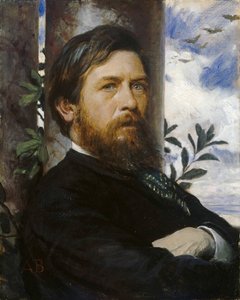
Arnold Böcklin
1827 - 1901 , Sveits
Kort om kunstneren
- Artistic Movement Or Style: Symbolist
- Artists Or Movements Influenced By This Artist:
- Hans Thoma
- Pre-Raphaelitter
- Artists Who Influenced This Artist:
- Schirmer
- Feuerbach
- Date Of Birth: 16. oktober 1827
- Date Of Death: 16. januar 1901
- Full Name: Arnold Böcklin
- Nationality: Sveitsisk
- Notable Artworks:
- Isle of the Dead
- Nymph og Satyr
- Sappho
- Selvportrett
- Place Of Birth: Basel, Sveits
Relaterte artikler
Symbolismens 10 Mesterverk: Kunst som avslører sjelen – OriginalUniqueArt.no
Utforsk symbolismens 10 mest ikoniske malerier! Fra Gustave Moreau til Edvard Munch – oppdag historiene bak mesterverkene og deres mystiske skjønnhet. Finn luksus reproduksjoner & interiørinspirasjon på OriginalUniqueArt.com.

Hieronymus Bosch's 25 Mesterverk: Kunst, Symbolikk og Dekor for Hjemmet | OriginalUniqueArt
Utforsk Hieronymus Bosch's 25 mest ikoniske malerier! Fordyp deg i symbolikk, religiøse temaer og flamsk renessansekunst. Finn museumskvalitets reproduksjoner og interiørinspirasjon på OriginalUniqueArt.com.
Thomas Barker of Bath: Landscape Painting & Societal Reflection in Early 19th-Century England
Explore the life & work of Thomas Barker of Bath, a key figure in 19th-century English Romanticism. Discover his Parisian success, iconic paintings like 'The Bride of Death', and lasting artistic legacy. Learn more at OriginalUniqueArt.

Echoes of Absence: Loss & Grief in Visual Art Through the Ages
Explore the profound history of grief in art, from Renaissance masterpieces to contemporary expressions. Discover how artists have captured loss, mourning, and mortality through powerful imagery & symbolism. OriginalUniqueArt offers expert insights.
Iconic Art of the 18th & 19th Centuries: Masterpieces for Your Home | OriginalUniqueArt
Journey through 18th & 19th century art! Explore iconic masterpieces by Monet, Van Gogh & more. Discover the stories behind these timeless paintings and find museum-quality reproductions for your home at OriginalUniqueArt.com.
