
 Forhåndsvisning
 Send
Send Del
Del
 Vis detaljer
 Utskriftsvennlig guide

 Last ned bilde
 Liknende objekter
 Røntgenundersøkelse
 Lysbildefremvisning
 Q&A
Q&A Statistikk
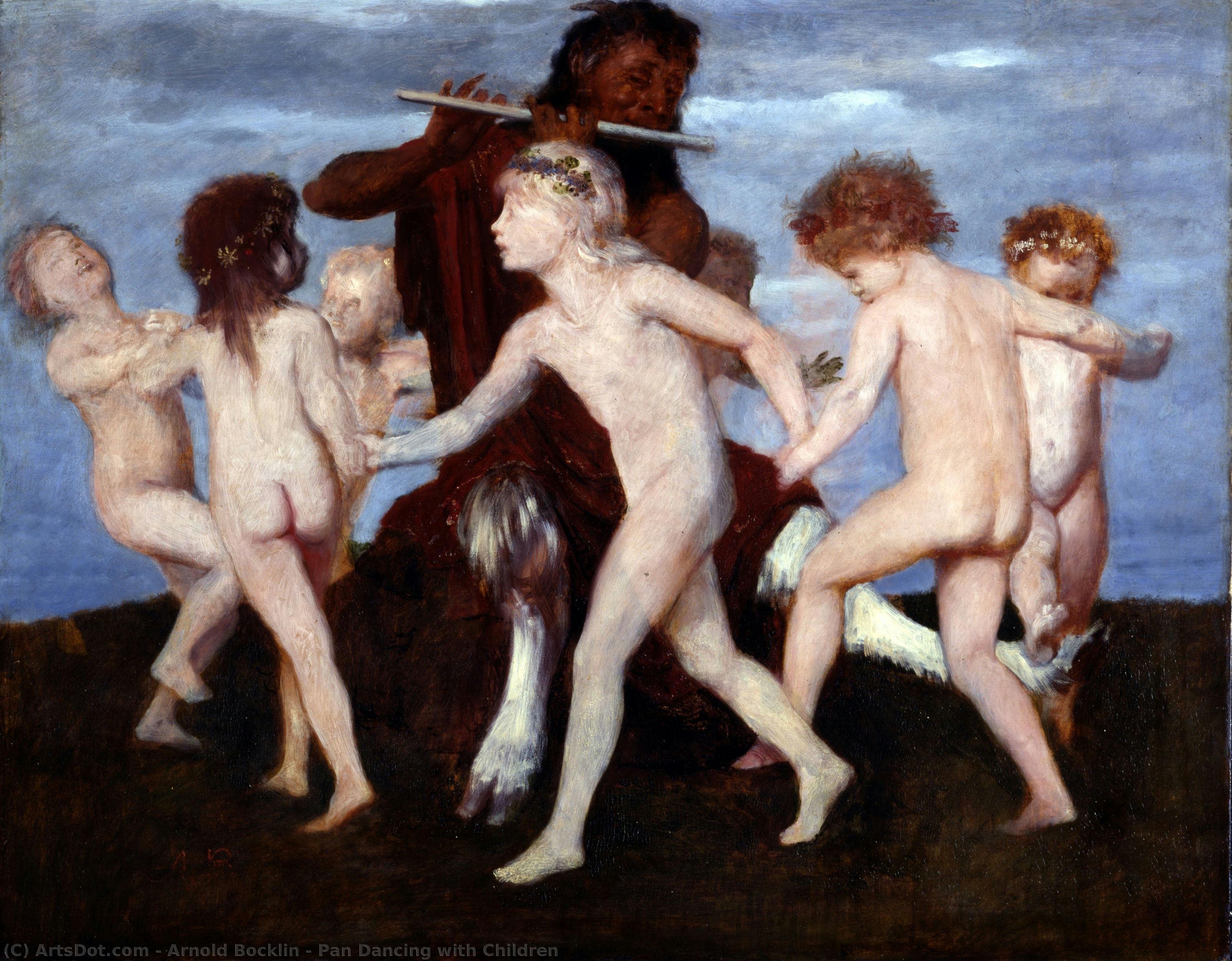
Pan Dancing with Children


 Vis hele teksten
Giclée / Kunsttrykk
Giclée- eller lerretsprint av museumskvalitet med rask produksjon og fleksible valgmuligheter for etterbehandling. ( Kjøp håndmalt maleri Bytt til digitalt bilde)




P118B Nkr10

P118H Nkr10

P118W Nkr10

P438Z Nkr10

P508JH Nkr12

P508YH Nkr12

P805H Nkr10

P805Z Nkr10

P919BZ Nkr10

P919G Nkr10

P919XJ Nkr10

P959ZH Nkr10

P968JZ Nkr12

W106C Nkr8

W218G Nkr10

W218JH Nkr8

W218Y Nkr10

W307PJ Nkr10

W316G Nkr10

W316PJ Nkr8

W316Y Nkr10

W398PJ Nkr8

W4111J Nkr10

W500HY Nkr15

W500JH Nkr15

W692G Nkr12

W849H Nkr8

W940BG Nkr15

W953PJ Nkr8




Velg mellom våre forhåndsdefinerte størrelser som bevarer kunstverkets opprinnelige proporsjoner.

Skriv inn ønsket bredde og høyde for å tilpasse trykket til din ramme eller vegg. Et trykk kan kun beskjæres, aldri skaleres opp utover motivets opprinnelige størrelse, noe som betyr at et format med andre proporsjoner vil føre til tap av deler av bildet. Vi sender deg en digital mockup for godkjenning før vi starter trykkeprosessen. Bildet som vises på denne siden viser ikke den faktiske beskjæringen — det er kun mockuppen som viser dette.
Verdensomspennende levering () på 2 uker i stedet for standard 4/5 uker. (30 October)

Gratis ekspressfrakt over hele verden

Lerretsduk av lin av høy kvalitet

Full transportforsikring

Garanti for refusjon av toll og importavgifter

Garantert fargegjengivelse

100 dagers returrett ved fabrikasjonsfeil

100% pengene tilbake-garanti

Rabatt ved flere kjøp
 Glassalternativet er kun tilgjengelig i størrelser under 110 cm

Pan Dancing with Children
Giclée / Kunsttrykk
Størrelse på reproduksjon
-


Totalpris for valgte alternativer
Nkr 770
The Enigmatic Dance: Arnold Böcklin’s “Pan Dancing with Children”
Arnold Böcklin's "Pan Dancing with Children," painted around 1884, isn’t merely a depiction of a pastoral scene; it’s an immersion into a realm of mythic beauty and unsettling serenity. This captivating work, currently residing within the Museum Folkwang in Essen, Germany, transcends simple representation, offering instead a profound meditation on childhood innocence, primal connection to nature, and the lingering presence of ancient spirits. Böcklin, a key figure in the Symbolist movement, masterfully employed a muted palette—primarily ochres, browns, and deep greens—to create an atmosphere thick with twilight and dreamlike suggestion. The figures themselves are rendered with a remarkable degree of detail, yet possess an almost ethereal quality, as if caught between worlds.
The painting’s composition is deliberately ambiguous. A central group of nude children, seemingly unburdened by adult concerns, frolic around Pan, the god of the wild, shepherds, and flocks. They are engaged in a variety of activities: playing musical instruments crafted from branches, holding hands in playful circles, and gazing upwards with an expression that blends curiosity and contentment. The inclusion of putti—small winged infants—further enhances the sense of otherworldly grace and innocence. Notice how Böcklin subtly integrates elements of classical mythology – the flute Pan holds is a direct reference to the god’s traditional instrument – alongside the rustic setting, creating a harmonious blend of ancient lore and contemporary observation.
A Glimpse into Symbolist Aesthetics
Böcklin's work firmly establishes him as a pivotal figure in the Symbolist movement, which sought to evoke emotions and ideas rather than simply depict reality. Rejecting the naturalism prevalent in earlier art movements, Symbolists like Böcklin prioritized subjective experience and explored themes of death, memory, and the subconscious. “Pan Dancing with Children” exemplifies this approach through its evocative atmosphere and symbolic imagery. The painting’s muted colors, soft lighting, and dreamlike quality contribute to a sense of melancholy and longing—a feeling that resonates deeply within the viewer.
The choice of nudity is particularly significant. It isn't presented in a provocative manner but rather as an embodiment of primal innocence and connection to nature. The children’s vulnerability underscores their purity, while their joyful dance suggests a liberation from worldly concerns. Böcklin’s meticulous attention to detail—from the texture of the children’s skin to the delicate folds of their clothing—further emphasizes their tangible presence within the scene.
Technique and Materials: A Masterful Blend
While often categorized as a painting, “Pan Dancing with Children” incorporates elements of mixed media. Böcklin skillfully combined oil paints with photographic techniques, creating a unique visual texture that blends the immediacy of photography with the depth and richness of traditional painting. This hybrid approach allowed him to capture fleeting moments of light and shadow, imbuing the scene with an unparalleled sense of realism. The use of layering and glazing—applying thin washes of paint over previous layers—contributes to the work’s luminous quality and creates a subtle interplay of colors.
The artist's background in Düsseldorf, associated with the school known for its emphasis on realistic depiction, is evident in the meticulous rendering of the figures and their surroundings. However, Böcklin departs from traditional academic techniques by prioritizing atmosphere and emotional impact over precise representation. This deliberate shift reflects his commitment to Symbolist principles and his desire to create a work that transcends mere visual observation.
Symbolism and Interpretation: Echoes of Ancient Myths
Beyond its aesthetic qualities, “Pan Dancing with Children” is rich in symbolic meaning. Pan himself represents the untamed spirit of nature—a force both benevolent and potentially dangerous. The children’s dance can be interpreted as a celebration of life, joy, and connection to the natural world. However, there's also an undercurrent of melancholy—a sense that this idyllic scene is fleeting and destined to fade away. The painting subtly evokes themes of mortality and the cyclical nature of time.
The inclusion of ancient myths – Pan’s role as a shepherd god, the presence of putti – connects the work to a broader cultural heritage, suggesting a timeless resonance between humanity and the natural world. Böcklin's masterful use of symbolism invites viewers to engage in their own interpretations, creating a deeply personal and emotionally resonant experience. Reproductions of this iconic artwork continue to captivate audiences with its haunting beauty and profound sense of mystery.
Spørsmål og svar
Er "Pan Dancing with Children" av Arnold Böcklin et lyst eller mørkt kunstverk?
Når det gjelder oppfattet lysstyrke, er "Pan Dancing with Children" av Arnold Böcklin balanced.
Hvilken plass har "Pan Dancing with Children" av Arnold Böcklin i kunsthistorien?
Historisk sett er "Pan Dancing with Children" et Symbolist Painting-verk fra den bredere 19th Century-epoken.
Hvilken størrelse og hvilket format anbefales for trykk av "Pan Dancing with Children"?
Medium størrelse, Landscape orientering: dette er de anbefalte trykkinnstillingene for "Pan Dancing with Children" av Arnold Böcklin.
Om kunstneren
Early Life and Training
Arnold Böcklin, a name synonymous with haunting beauty and profound melancholy, was born on October 16, 1827, in Basel, Switzerland—a city that would profoundly shape his artistic vision. His father, Christian Frederick Böcklin, descended from an old family rooted in the silk trade of Schaffhausen, while his mother, Ursula Lippe, hailed from the same city as well. From a young age, Arnold displayed a keen interest in art, initially studying drawing at the Zeichenschule in Basel under the guidance of Ludwig Adam Kelterborn. This foundational training provided him with essential skills before he embarked on his formal artistic education at the Düsseldorf Academy in 1845. There, he honed his technique under the tutelage of Johann Wilhelm Schirmer, a renowned German landscape painter, and became acquainted with fellow artist Anselm Feuerbach—a connection that would undoubtedly influence his later work. Böcklin’s time in Düsseldorf marked a crucial period of artistic development, laying the groundwork for his distinctive style and thematic preoccupations.Artistic Career and Symbolism
Böcklin's artistic journey took him beyond the familiar landscapes of Northern Europe, leading him to explore the vibrant cultural currents of Paris and the evocative settings of Rome. In Paris, he worked at the Louvre, immersing himself in the masterpieces of the Old Masters—a period that deeply impacted his understanding of composition, color, and narrative. Subsequently, he traveled to Rome, where he was captivated by the city’s classical ruins, Renaissance art, and dramatic light. This Roman experience proved transformative, fueling his fascination with mythology, allegory, and the darker aspects of human existence. Böcklin's work consistently featured figures drawn from ancient myths and legends, often set against the backdrop of classical architecture—a deliberate choice that evoked a sense of timelessness and profound contemplation. He wasn’t simply depicting stories; he was exploring themes of mortality, loss, and the ethereal realm between life and death. Notable early works like *Great Park*, showcasing ancient mythology, and evocative pieces such as *Nymph and Satyr* (1858) and *Sappho* (1859), established his reputation and signaled the emergence of a unique artistic voice. The painting *Portrait of Myself with Death Playing the Violin* (1872) stands out as a particularly poignant example of his distinctive style, blending realism with symbolic elements to create a deeply unsettling yet captivating image.The Isle of the Dead and Last Years
Perhaps Böcklin’s most enduring legacy is his five versions of *Isle of the Dead* (1880-1886). Inspired by the English cemetery in Florence, where his daughter was buried, these paintings became a cornerstone of his artistic output. The series—each subtly different from the others—evokes a sense of profound melancholy and timelessness, capturing the beauty and sorrow inherent in mortality. *Isle of the Dead* wasn't merely a depiction of a graveyard; it was an exploration of the human condition, a meditation on loss, memory, and the inevitability of death. The work resonated deeply with audiences and artists alike, influencing composers like Sergey Rachmaninoff, who drew inspiration from its haunting atmosphere for his symphonic poem *The Isle of the Dead*. Böcklin’s later years were marked by increasing isolation and declining health, but he continued to create powerful and evocative works—such as *Odysseus and Calypso* (1883) and *The Pest* (1898)—that further cemented his place in art history.Legacy and Influence
Arnold Böcklin’s impact on the art world extends far beyond his own lifetime. His work is often associated with the Symbolist movement, a late-Romantic artistic trend characterized by its emphasis on emotion, imagination, and subjective experience. However, Böcklin's style was remarkably eclectic, drawing upon influences from various sources—including the Düsseldorf School of Painting, Pre-Raphaelite aesthetics, and the traditions of Northern European painting. Clement Greenberg famously described Böcklin’s work as “one of the most consummate expressions” of its time, recognizing its profound emotional depth and symbolic richness. His exploration of themes such as death, dreams, and the subconscious resonated with Surrealist artists like Salvador Dalí, who saw in his paintings a precursor to their own explorations of the irrational and the uncanny. Böcklin’s legacy continues to inspire artists today, demonstrating the enduring power of art to evoke profound emotions and challenge our understanding of the world.Museums and Collections
Böcklin's artistic output is preserved in several prominent museums around the world:- Öffentliche Kunstsammlung (Basel, Switzerland)
- Kunstmuseum Basel (Switzerland)
- Museum Kunsthaus Zürich (Zürich, Switzerland)
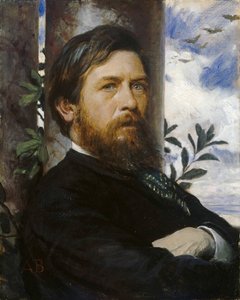
Arnold Böcklin
1827 - 1901 , Sveits
Kort om kunstneren
- Artistic Movement Or Style: Symbolist
- Artists Or Movements Influenced By This Artist:
- Hans Thoma
- Pre-Raphaelitter
- Artists Who Influenced This Artist:
- Schirmer
- Feuerbach
- Date Of Birth: 16. oktober 1827
- Date Of Death: 16. januar 1901
- Full Name: Arnold Böcklin
- Nationality: Sveitsisk
- Notable Artworks:
- Isle of the Dead
- Nymph og Satyr
- Sappho
- Selvportrett
- Place Of Birth: Basel, Sveits
Relaterte artikler
Timeless Legends: A Curated Guide to the Eternal Allure of Mythological Masterpieces
Embark on a sophisticated journey through the eternal allure of mythological art. Discover how master painters breathe life into ancient legends, from Greek deities to Baroque masterpieces, and learn to curate these timeless narratives within your own exquisite art collection.
Echoes of Olympus: Mythological Narratives in Western Art Through the Ages
Explore the captivating history of mythological narratives in Western art! From ancient Greece to modern masterpieces, discover iconic artworks & symbolism. Expert analysis and high-quality reproductions at OriginalUniqueArt.
Sir Nathaniel Dance-Holland: Portraiture, Patronage & Georgian Identity
Explore the life & art of Sir Nathaniel Dance-Holland, a leading Georgian portraitist. Discover his masterful technique, influential patrons, and lasting impact on 18th-century British society. A guide for discerning collectors.
Move to the Beat: Bold & Iconic Dance Art to Electrify Your Space
Elevate your space with bold, iconic dance art. From street art vibes to Pop Art masterpieces, discover high-impact, hand-painted reproductions and custom commissions designed to move you. Transform your walls with the rhythm of contemporary culture.

Timeless Legends: The Eternal Allure of Mythological Figures in Masterpiece Art
Explore the profound beauty of mythological figures through the lens of art history. From Renaissance masterpieces to custom oil reproductions, discover how legendary tales of heroism and divinity are immortalized in fine art for discerning collectors.
