
 Forhåndsvisning
 Send
Send Del med andre
 Vis detaljer

 Last ned bildet
 Liknende objekter
 Røntgenundersøkelse
 Lysbildefremvisning
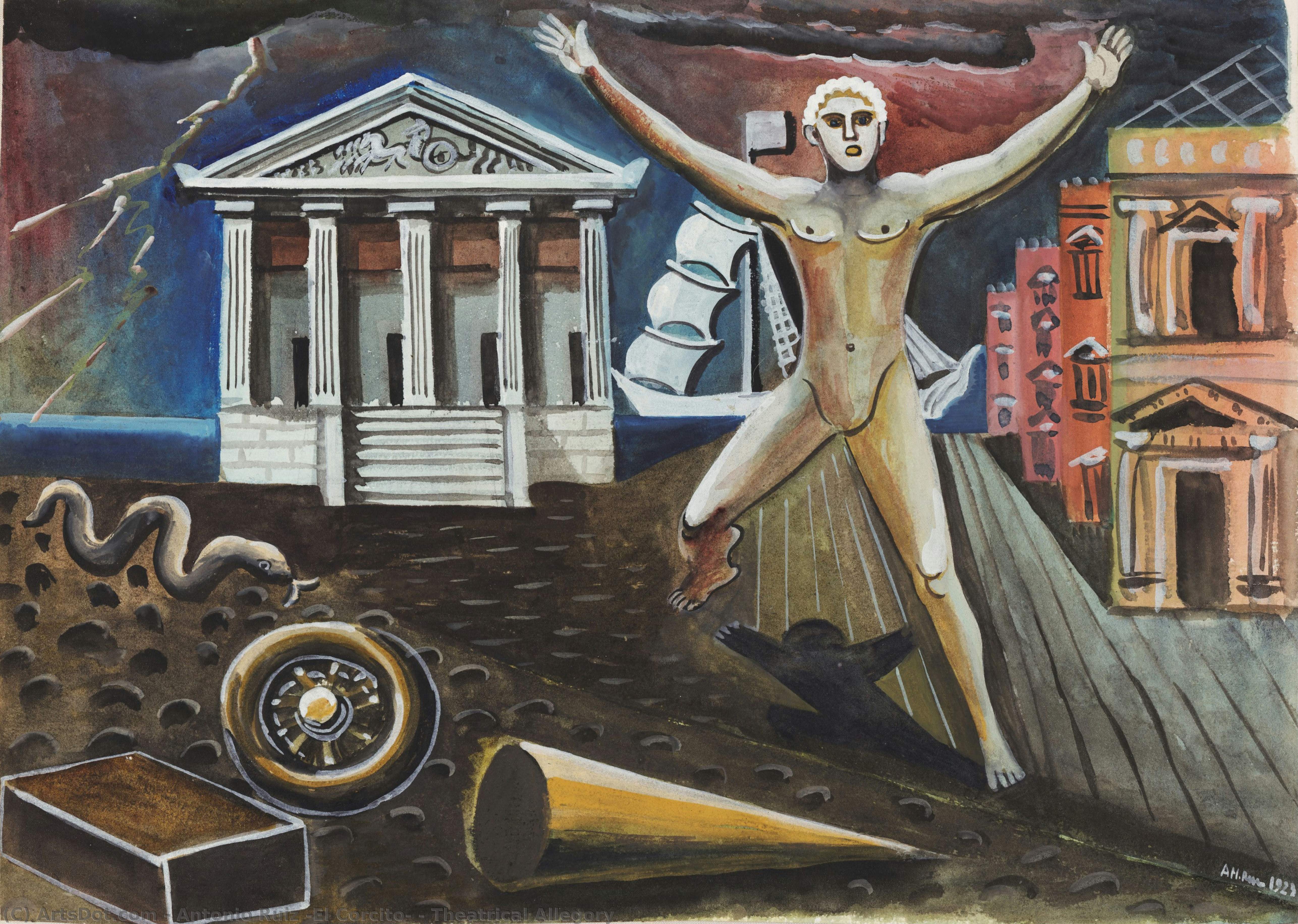
Theatrical Allegory
 1923
1923 23.0 x 32.0 cm
 colección-blaisten
 Vis hele teksten
Håndlaget oljereproduksjon
Håndmalt olje på lerret i din valgte størrelse og ramme, laget på bestilling av våre kunstnere. ( Kjøp trykk Kjøp bilde)




































Velg mellom våre forhåndsdefinerte størrelser som bevarer kunstverkets opprinnelige proporsjoner.

Du kan angi egne mål for å tilpasse en spesifikk ramme eller plass. Dersom den valgte størrelsen ikke samsvarer med originalbildets proporsjoner, vil vi enten beskjære kunstverket eller utvide maleriet med ytterligere håndmalte elementer. En digital mockup vil bli sendt til din godkjenning før produksjonen starter.
Vennligst merk at forhåndsvisningen på skjermen ikke gjenspeiler den faktiske beskjæringen eller utvidelsen. Kun mockuppen vil vise den endelige komposisjonen nøyaktig.
Selv om tilpassede størrelser er tilgjengelige, anbefaler vi å velge et mål fra den forhåndsdefinerte listen for å bevare de originale proporsjonene.
Etter bestilling vil OriginalUniqueArt.com-teamet sende e-post til kunden for instruksjoner og sende et utkast (mockup) som forhåndsvisning.
Verdensomspennende levering () på 3–4 uker i stedet for standard 5 uker. (21 August). Ingen kompromisser med kvaliteten.

Gratis ekspressfrakt over hele verden

Lerretsduk av høykvalitets lin

Full forsikring under transport

Garanti for refusjon av toll og importavgifter

Garantert korrekt fargegjengivelse

60 dagers returrett (kun ved feil)

100% pengene tilbake-garanti

Rabatt ved flere kjøp
 Glassalternativet er kun tilgjengelig i størrelser under 110 cm

Theatrical Allegory
Teknikk for reproduksjon
Størrelse på reproduksjon
-


Endelig pris
$ 300
Beskrivelse av kunstverket
Om kunstneren
Antonio Ruiz 'El Corcito': A Life in Art and Design
- Born: Texcoco, Mexico State (1892)
- Died: 1964
Antonio Ruiz, affectionately known as ‘El Corcito’ (meaning 'the little corzo' – a type of bird), was a significant Mexican painter and scenic designer. Born in Texcoco in 1892, his artistic journey spanned decades, marked by diverse influences, teaching roles, and collaborations with prominent figures of the Mexican art scene.
Early Life, Education, and Influences
Ruiz’s upbringing was steeped in artistic appreciation; his father a physician and his mother a concert pianist, while his grandfather was also a painter. This environment fostered an early interest in art. Following the loss of his parents, education became crucial for Ruiz's support. He formally studied at the Academy of San Carlos and later at the Escuela Nacional de Pintura, Escultura y Grabado 'La Esmeralda'. Key influences during this period included professors Saturnino Herrán and Germán Gedovius, whom he greatly admired. Later in his career, Ruiz drew inspiration from Flemish artists and Miguel Covarrubias.
Career and Artistic Development
Ruiz’s career was a blend of artistic creation and dedicated teaching. From 1921 to 1924, he taught drawing in primary schools in Mexico City, demonstrating his commitment to education from an early age. He also held positions at the School of Engineering and Architecture in Mexico City. A pivotal moment arrived in 1942 when he joined Escuela Nacional de Pintura, Escultura y Grabado "La Esmeralda," eventually becoming its director. He collaborated on the publication 'Mexican Cultural Weekly,' further showcasing his engagement with cultural discourse.
Ruiz’s work gained international recognition through exhibitions in cities like Tokyo, Kurashiki (during a Mexican art exhibition in 1995), and Phoenix, Arizona (in 1967). His notable works include 'The Orator' and 'The Dream of Malinche,' which were exhibited at the Galería de Arte Mexicano in Mexico City and lauded as "stylistic examples of magical realism." He also had exhibits in Mexico City, Toronto, Quebec, Buenos Aires, and Seville.
Style and Legacy
Ruiz’s artistic style is often described as 'magical realism,' a genre characterized by the seamless blending of realistic depictions with fantastical elements. This approach is evident in his works, which frequently incorporate symbolic imagery and dreamlike narratives. His influence extended to other prominent Mexican artists, including Frida Kahlo, Juan O'Gorman, and Miguel Covarrubias, demonstrating his role as a mentor and inspiration within the artistic community.
Ruiz’s legacy is preserved through works held in institutions such as the Museum of Finance and Public Credit (in its heritage collection), the Colección Andrés Blaisten (Mexico), and the Museo Nacional de San Carlos in Mexico City. His contributions to Mexican art and design continue to be recognized and celebrated.
Further Exploration

Antonio Ruiz
1892 - 1964 , Mexico
Kort om kunstneren
- Artistic Movement Or Style: Magical Realism
- Artists Or Movements Influenced By This Artist:
- Frida Kahlo
- Juan O'Gorman
- Miguel Covarrubias
- Artists Who Influenced This Artist:
- Saturnino Herrán
- Germán Gedovius
- Flemish artists
- Miguel Covarrubias
- Date Of Birth: September 2, 1892
- Date Of Death: October 9, 1964
- Full Name: Antonio Ruíz 'El Corcito'
- Nationality: Mexican
- Notable Artworks:
- The Orator
- The Dream of Malinche
- Place Of Birth: Texcoco, Mexico

