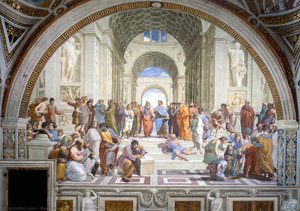
Se i rommet
 Del som digitalt kort
 Del
Del
 Detaljer
 Studentguide

 Last ned
 Liknende objekter
 Røntgen
 Lysbildefremvisning
 Besøksstatistikk
Self Portrait
 Acrylic On Canvas
- WallArt
- Neoclassical Painting
 1774
1774 562.0 x 735.0 cm
 Walker Art Gallery
 Les mer
Håndlaget oljereproduksjon
Håndmalt olje på lerret i din valgte størrelse og ramme, laget på bestilling av våre kunstnere. ( Bytt til trykkversjon Gå til digitalt bilde)




P118B Nkr10

P118H Nkr10

P118W Nkr10

P438Z Nkr10

P508JH Nkr12

P508YH Nkr12

P805H Nkr10

P805Z Nkr10

P919BZ Nkr10

P919G Nkr10

P919XJ Nkr10

P959ZH Nkr10

P968JZ Nkr12

W106C Nkr8

W218G Nkr10

W218JH Nkr8

W218Y Nkr10

W307PJ Nkr10

W316G Nkr10

W316PJ Nkr8

W316Y Nkr10

W398PJ Nkr8

W4111J Nkr10

W500HY Nkr15

W500JH Nkr15

W692G Nkr12

W849H Nkr8

W940BG Nkr15

W953PJ Nkr8




Velg mellom våre forhåndsdefinerte størrelser som bevarer kunstverkets opprinnelige proporsjoner.

Skriv inn bredden og høyden du trenger, slik at den passer til din ramme eller vegg. Dette er håndmalt, så for en størrelse med en annen form kan kunstneren male litt mer rundt bildet, eller beskjære det noe — du velger selv. Vi sender deg en digital mockup for godkjenning før maleriet påbegynnes. Bildet som vises på denne siden viser ikke det faktiske resultatet — kun mockuppen gjør det.
Etter bestilling vil OriginalUniqueArt.com-teamet sende e-post til kunden for instruksjoner og sende et utkast (mockup) som forhåndsvisning.
Verdensomspennende levering () på 3–4 uker i stedet for standard 5 uker. (23 October). Ingen kompromisser med kvaliteten.

Gratis ekspressfrakt over hele verden

Lerretsduk av høykvalitets lin

Full transportforsikring

Garanti for refusjon av toll og importavgifter

Garantert fargeekthet

100 dagers returrett ved fabrikasjonsfeil

100% pengene tilbake-garanti

Mengderabatt
 Glassalternativet er kun tilgjengelig i størrelser under 110 cm

Self Portrait
Reproduksjonsmetode
Format på reproduksjon
-


Totalpris
Nkr 2851
The Enigmatic Gaze: Unpacking Anton Raphael Mengs’ “Self Portrait”
Anton Raphael Mengs' "Self Portrait," painted in 1774, isn’t merely a likeness; it’s a carefully constructed tableau of intellectual ambition and introspective melancholy. Captured with the precision characteristic of the Neoclassical movement, this painting offers a rare glimpse into the mind of an artist grappling with his burgeoning fame and the weighty expectations placed upon him. The image immediately draws the eye to the subject's face – a man in his mid-forties, rendered with a remarkable sensitivity that belies the formality of the attire. His mouth is slightly open, a subtle gesture hinting at contemplation or perhaps even a quiet sadness; it’s an expression that invites prolonged observation and fuels speculation about the thoughts swirling within him.
The composition itself speaks volumes. Mengs sits three-quarters to his right, a pose favored by portrait painters of the era, suggesting both dignity and engagement with the viewer. The rich brown coat, meticulously detailed, anchors him in a world of established artistic circles, while the scarf draped loosely around his neck adds a touch of understated elegance. Yet, it’s the lighting – masterful chiaroscuro reminiscent of Rembrandt – that truly elevates the piece. Dark shadows pool beneath his eyes and across his shoulders, creating a sense of depth and drawing attention to the delicate lines of his face. The light catches the texture of his clothing and highlights the subtle nuances of his expression, transforming a simple portrait into a study in mood and atmosphere.
A Bridge Between Worlds: Mengs’ Artistic Genesis
Mengs' journey to this moment was profoundly shaped by his lineage and the intellectual currents of the Enlightenment. Born in 1728 in Ústí nad Labem, Bohemia – a region now part of the Czech Republic – he inherited a legacy of artistic talent from his father, Ismael Mengs, a Danish painter who found patronage at the Dresden court. This early exposure to the refined tastes and exacting standards of the German aristocracy instilled within young Anton a deep appreciation for classical ideals and meticulous technique. Crucially, in 1741, he was sent to Rome – a pivotal decision that irrevocably shaped his artistic development.
Immersed in the heart of the Roman art world, Mengs spent years studying the masterpieces of Raphael, Michelangelo, and other Renaissance giants. He meticulously copied their works, absorbing not just their technical skill but also their profound understanding of human anatomy, perspective, and composition. This immersion in classical antiquity would become the bedrock of his artistic style – a commitment to clarity, balance, and idealized beauty that defined Neoclassicism. The influence is immediately apparent in “Self Portrait,” where Mengs consciously adopts a pose reminiscent of ancient Roman portraiture, signaling his ambition to emulate the masters and establish himself as a leading figure in the revival of classical art.
Symbolism and Context: The Weight of Ambition
Beyond its technical brilliance, “Self Portrait” is laden with symbolic meaning. The open mouth, as previously noted, suggests introspection – perhaps a moment of self-doubt amidst the pressures of his career. The carefully chosen attire—the brown coat, the scarf—reflects his position within European artistic circles, signaling both his status and his adherence to established conventions. However, there’s also an underlying sense of weariness in Mengs' gaze, hinting at the sacrifices required to achieve success and the loneliness inherent in a life devoted to art.
Painted just three years before his untimely death at the age of 51, the portrait captures a man on the cusp of greatness but also burdened by mortality. Mengs was a celebrated artist throughout Europe, a key figure in the creation of Neoclassicism, yet he faced constant challenges – financial difficulties, professional rivalries, and the relentless demands of his patrons. “Self Portrait” offers a poignant glimpse into the inner life of an artist grappling with these complexities, reminding us that even the most accomplished figures are subject to human vulnerability and uncertainty.
A Timeless Reflection: Reproduction and Artistic Legacy
Reproductions of Mengs’ “Self Portrait” continue to resonate today, offering a window into the artistic sensibilities of the 18th century. The painting's masterful use of light and shadow, combined with its psychologically astute portrayal of the subject, ensures its enduring appeal. Whether displayed in a grand salon or a contemporary art space, this work serves as a powerful reminder of the transformative power of art – its ability to capture not just likeness but also essence, emotion, and the complexities of the human experience. Consider commissioning a hand-painted reproduction to bring this captivating piece into your own home, preserving Mengs’ legacy for generations to come.
Spørsmål og svar
Er en høyoppløselig nedlasting av "Self Portrait" tilgjengelig?
For å få en digital fil av "Self Portrait" av Anton Raphael Mengs, bestill nedlasting av et digitalt bilde i høy oppløsning på siden Digitalt bilde.
Hvilken farge dominerer komposisjonen i "Self Portrait" av Anton Raphael Mengs?
Espresso (#372623) er den dominerende fargen i "Self Portrait" av Anton Raphael Mengs.
Hvilket medium er "Self Portrait" av Anton Raphael Mengs utført i?
Anton Raphael Mengs brukte Acrylic On Canvas-teknikken i "Self Portrait". Teknikken definerer det materielle uttrykket til det originale verket.
Kunstnerbiografi
En bro mellom verdener: Livet og kunsten til Anton Raphael Mengs
Anton Raphael Mengs trådte frem i en fascinerende periode i europeisk kunsthistorie, en tid da rokokkoens overdådige detaljer begynte å vike for en fornyet verdsettelse av klassiske idealer. Han ble født i 1728 i Ústí nad Labme i Böhmen – en region som i dag er en del av Tsjekkia – og hans kunstneriske reise ble dypt preget av både hans slekt og opplysningstidens intellektuelle strømninger. Hans far, Ismael Mengs, en dansk maler som fant beskyttelse ved hoffet i Dresden, gjenkjente tidlig den unge Antons eksepsjonelle talent. Denne anerkjennelsen førte til en avgjørende vending i 1741: en flytting til Roma, hvor den spirende kunstneren ble fordypet i studiet av antikke mesterverk og verkene til renessansemestere som Rafael. Det var denne eksponeringen som uutslettelig skulle prege hans estetiske sans og innprente i ham en dyp ærbødighet for klassisk form, klarhet og komposisjon – kvaliteter som skulle bli selve kjennetegnet på hans modne stil. De tidlige årene var viet til nitid kopiering, ikke bare som en teknisk øvelse, men som en dyp kunstnerisk pilegrimsferd for å absorbere essensen av Rafaels geni.Fra Dresden til Madrid: En karriere på tvers av hoffene
Mengs' karriere utspilte seg ved flere fremtredende europeiske hoff, og hvert av dem satte sitt unike avtrykk på hans kunstneriske utvikling. I 1749 sikret han seg en prestisjefylt stilling som hoffmaler for Fredrik August, kurfyrste av Sachsen, en rolle som ga både økonomisk stabilitet og friheten til å opprettholde et base i Roma – selve episenteret for hans kunstneriske inspirasjon. Det var imidlertid hans fresker som virkelig etablerte hans rykte. Parnassus i Villa Albani i Roma, fullført rundt 1761, ble en umiddelbar sensasjon og ble hyllet for sin harmoniske komposisjon, elegante figurer og en subtil, men kraftfull fremmaning av klassisk mytologi. Dette verket var ikke bare en dekorativ utsmykning; det var et budskap – et bevisst forsøk på å syntetisere barokkens storhet med de fremvoksende nyklassisistiske prinsippene. Flere oppdrag fulgte, inkludert den praktfulle fresken som prydet kuppelen i Sant'Eusebio-kirken i Roma, som viste hans mestring av monumental dekorasjon og romlig illusjon. Kanskje hans mest ambisiøse prosjekt kom med en invitasjon fra det spanske hoffet i 1761. Han reiste til Madrid, hvor han fikk i oppgave å dekorere flere kongelige palasser, noe som kulminerte i det storslående taket i festsalen i Det kongelige palasset – et verk som regnes blant hans fremste bragder, og som demonstrerer en bemerkelsesverdig evne til å forene italiensk eleganse med spanske sanseligheter.Forbindelsen til Winckelmann: Formingen av nyklassisistisk tenkning
Mengs' kunstneriske evolusjon ble ikke bare drevet av visuelle studier; den var dypt sammenvevd med intellektuell diskurs. Et avgjørende vendepunkt kom gjennom hans nære vennskap og samarbeid med Johann Joachim Winckelmann, den banebrytende kunsthistorikeren hvis skrifter skulle bli grunnleggende for nyklassisismen. Winckelmann kjempet for en retur til den oppfattede renheten og enkelheten i antikkens greske kunst, og argumenterte for en estetikk basert på fornuft, orden og idealiserte former. Mengs illustrerte ikke bare Winckelmanns teorier; han var aktivt involvert i å forme dem ved å oversette abstrakte konsepter til håndfaste kunstneriske uttrykk. Sammen trodde de at sann skjønnhet ikke lå i overfladisk ornamentikk, men i de underliggende prinsippene om harmoni og proporsjon som finnes i antikken. Dette partnerskapet strakte seg utover teoretiske diskusjoner; det manifesterte seg i selve Mengs' malerier, som i økende grad reflekterte Winckelmanns vektlegging av edel enkelhet og behersket emosjon. Påvirkningen var gjensidig: Winckelmanns skrifter ga et filosofisk rammeverk for Mengs' kunstneriske virke, mens Mengs' kunst fungerte som det visuelle beviset på nyklassisismens levedyktighet og skjønnhet.Arv og innflytelse: En pioner i sin tid
Anton Raphael Mengs døde i Roma i 1779 og etterlot seg en arv som strakte seg langt utover hans imponerende produksjon. Han var mer enn bare en maler; han var en nøkkelfigur i overgangen fra én kunstnerisk epoke til en annen. Selv om han var forankret i barokktradisjonen – synlig i hans dramatiske bruk av lys og skygge og hans mestring av illusjonistiske teknikker – omfavnet Mengs modig de fremvoksende prinsippene i nyklassisismen, og beredte vei for kunstnere som Jacques-Louis David og Antonio Canova. Hans vektlegging av klassiske idealer, kombinert med hans tekniske virtuositet, etablerte ham som en ledende kraft i utformingen av 1700-tallets kunst. Skolen i Athen, malt for hertugen av Northumberland, står som et testament til hans evne til å forene historiske forbilder med samtidige kunstneriske sanseligheter. Utover sine malerier og fresker strakte Mengs' innflytelse seg også til utdanning; han fungerte som direktør for Vatikanets malerskole, hvor han fostret en ny generasjon kunstnere dypt preget av klassiske prinsipper. Han var en kompleks skikkelse – en from katolik som også engasjerte seg i opplysningstidens tenkning, en kunstner som balanserte tradisjon med innovasjon. Hans liv og virke representerer et fascinerende skjæringspunkt mellom kunstnerisk ferdighet, intellektuell nysgjerrighet og historiske omstendigheter, noe som sementerer hans plass som en sann pioner innen nyklassisistisk kunst. Hans betydning gir gjenklang selv i dag, og minner oss om de klassiske idealenes vedvarende kraft til å inspirere og transformere kunstnerisk uttrykk.
Anton Raphael Mengs
1728 - 1779 , Tsjekkia
Kort om kunstneren
- Artistic Movement Or Style: Neoklassisisme
- Artists Or Movements Influenced By This Artist:
- Jacques-Louis David
- Antonio Canova
- Artists Who Influenced This Artist:
- Rafael
- Correggio
- Johann Joachim Winckelmann
- Date Of Birth: 22. mars 1728
- Date Of Death: 29. juni 1779
- Full Name: Anton Raphael Mengs
- Nationality: Tysk
- Notable Artworks:
- Parnassus
- Sant' Eusebio
- The Dream of Joseph
- Place Of Birth: Ústí nad Labem, Tsjekkia
Relaterte artikler

Rembrandts Mesterverk: Topp 25 Kunstverk for Din Vegg | OriginalUniqueArt.no
Utforsk Rembrandts 25 mest ikoniske kunstverk! Oppdag historiene bak mestermalerier, portretter og bibelske scener fra den nederlandske barokken. Finn museumskvalitets reproduksjoner & interiørinspirasjon på OriginalUniqueArt.com.
Reflecting the Self: A History of Portraiture & Psychological Insight
Explore the fascinating history of self-portraiture from Renaissance masters like Dürer & Rembrandt to modern interpretations. Discover the psychological insights and artistic techniques behind these iconic works. Expert analysis for art enthusiasts.
Adriaen van Ostade: A Master of Dutch Genre Painting & Social Commentary
Explore the life & work of Adriaen van Ostade, a leading Dutch Golden Age painter. Discover his realistic genre scenes, social commentary, and lasting influence on art history. Learn more at OriginalUniqueArt.
Decoding Van Gogh's Turmoil: OriginalUniqueArt’s Masterful Reproductions of Emotional Depth
Discover exquisite Van Gogh reproductions from OriginalUniqueArt – expert art specialists offering museum-quality prints & custom paintings. Trust our authentic process and elevate your collection today.

Postimpresjonismens 10 Mesterverk: Kunst som Forandret Verden – OriginalUniqueArt.no
Oppdag postimpresjonismens 10 mest ikoniske mesterverk! Van Gogh, Monet, Cézanne og Gauguin – lær historien bak disse fargerike maleriene. Finn museumskvalitets kunsttrykk & inspirasjon til ditt hjem på OriginalUniqueArt.com.