Baroque Art · 1604
Triptych (Annibale Carracci, 1604)
Annibale Carracci (1560–1609) har skapt Triptych. Den er fra 1604. Det tilhører Baroque Art-bevegelsen. Verket er bevart ved Galleria Nazionale d'Arte Antica i Roma, Italia. Mål: 37 × 24 cm
- 1604
- 37 × 24 cm
- Galleria Nazionale d'Arte Antica, Roma

 Forhåndsvisning

 Håndmalt oljemaleri
 Send
 Del
 Faktablad for elever


 Last ned bilde
 Liknende objekter
 Røntgenundersøkelse
 Lysbildefremvisning
 Spørsmål og svar

 Statistikk
Triptych, kort fortalt
- Tittel
- Triptych
- Kunstner
- Annibale Carracci (1560–1609)
- Kunstner født i
- Bologna, Italia
- Dato
- 1604
- Mål
- 37 × 24 cm
- Utstillingssted
- Galleria Nazionale d'Arte Antica, Roma, Italia
- Bevegelse
- Baroque Art
- Motiv
- triptych, annibale carracci, baroque, angels, allegory, copper
Hva forestiller Triptych?
Annibale Carracci’s Triptych: A Baroque Masterpiece of Light, Faith, and Divine Order
Annibale Carracci's 1604 Triptych, currently housed within the Galleria Nazionale d'Arte Antica in Rome, stands as a pivotal example of the burgeoning Baroque style. More than simply a religious depiction, it’s a carefully orchestrated symphony of light, color, and symbolism—a testament to the artist’s mastery of composition and his deep understanding of both classical ideals and emerging emotional expression. This oil-on-copper painting, measuring 37 x 24 cm, invites viewers into a world where earthly beauty intertwines with divine grace, offering a profound meditation on faith, knowledge, and the very nature of existence.
Composition and Symbolism: A Dance of Allegory and Divine Presence
The triptych format itself is deeply rooted in religious tradition, allowing for a layered narrative to unfold. The central panel immediately draws the eye to an angelic figure, radiating serenity and holding aloft a book—a potent symbol of both Holy Scripture and the pursuit of divine knowledge. Surrounding this central emblem are cherubs, their youthful innocence adding a touch of ethereal joy to the scene. The left and right panels introduce allegorical figures engaged in distinct activities: one grasping a scroll or document, representing wisdom and law, while the other holds an object suggestive of power and authority. These flanking scenes aren’t merely decorative; they serve as crucial contextual elements, enriching the central theme with layers of meaning and inviting contemplation on the foundations of faith and governance.
Technique and Artistic Innovation: A Synthesis of Renaissance and Baroque
Carracci's skill is evident in every meticulously rendered detail. The use of light and shadow—a hallmark of Baroque art—is particularly striking, creating a dynamic sense of movement and emotion within the painted space. Notice how the light seems to emanate from an unseen source, illuminating the figures with a radiant glow while simultaneously casting deep shadows that heighten their three-dimensionality. The artist’s mastery extends beyond mere technique; he seamlessly blends elements of Florentine linear draftsmanship—inherited from his artistic lineage—with Venetian color and atmospheric effects, creating a unique style that revitalized Italian painting. The copper panel itself contributes to the work's luminosity, reflecting light in subtle ways that enhance its visual impact. The intricate details – the folds of the garments, the texture of hair, the play of light on skin – demonstrate an extraordinary level of observation and artistic control.
Historical Context and Artistic Legacy: A Bridge Between Eras
Annibale Carracci emerged from a vibrant artistic community in Bologna during the late 16th century, a period marked by a desire to move beyond the constraints of Mannerism. Alongside his brother Agostino and cousin Ludovico, he spearheaded the Accademia degli Incamminati, an institution dedicated to reviving High Renaissance ideals while embracing a more naturalistic approach. This ambitious project aimed to re-establish Italy as a leading force in European art. Carracci’s Triptych exemplifies this spirit of innovation, bridging the gap between the classical past and the emerging Baroque style. His work profoundly influenced subsequent generations of artists, shaping the course of Italian painting for decades to come, and continues to inspire awe and admiration today. As a masterpiece of Italian art, it stands as a powerful reminder of the enduring beauty and spiritual depth that can be achieved through masterful artistic skill.
Further Information: Explore more works by Annibale Carracci on OriginalUniqueArt.com, delve into the history of the Galleria Nazionale d'Arte Antica at OriginalUniqueArt.com, and discover other Baroque masterpieces such as Caravaggio’s *Crucifixion of Saint Peter* on WGA.hu.
Hvilket museum har Triptych?
Galleria Nazionale d'Arte Antica
Roma, Italia
Historien til Galleria Nazionale d'Arte Antica Galleria Nazionale d'Arte Antica ble grunnlagt i 1893 i Roma, Italia, og fungerer i dag som et levende vindu mot fortiden gjennom to storslåtte og distinkte lokasjoner: Palazzo Barberini og Palazzo Corsini. Disse praktfulle byggverkene huser en samling som strekker seg fra den glødende italienske renessansen og helt gjennom den dramatiske barokken. Museets utvikling er uløselig knyttet til historien til disse to romerske residensene og de unike kunstskattene som en gang tilhørte deres mektige beboere.


Høyoppløselige bilder av Triptych

Fritlig eiendom: kunstneren døde i 1609.
Andre størrelser, beskjæringer og siteringer →Annibale Carracci, Triptych (1604), Galleria Nazionale d'Arte Antica. Fri tilgjengelighet
Spørsmål om Triptych, besvart
Hvor kan jeg se originalen av "Triptych" av Annibale Carracci?
Du kan se originalen av "Triptych" på Galleria Nazionale d'Arte Antica, Roma, Italia.
I hvilket år ble "Triptych" av Annibale Carracci skapt?
"Triptych" dateres til 1604. Denne datoen plasserer verket innenfor Annibale Carracci sin karriere og sin epoke.
Hva er de faktiske målene på "Triptych" av Annibale Carracci?
De registrerte målene for "Triptych" av Annibale Carracci er 37 x 24 cm. Reproduksjoner kan bestilles i andre størrelser med de samme proporsjonene.
Hva forestiller "Triptych"?
"Triptych" av Annibale Carracci avbilder: triptych, annibale carracci, baroque, angels, allegory, copper, renaissance, rome.
Er "Triptych" av Annibale Carracci i det frie domene?
"Triptych" av Annibale Carracci er fritt tilgjengelig – opphavsretten har utløpt. Denne statusen avgjør hvordan bildet av verket kan reproduseres.
Hvilken kunstner kan "Triptych" tilskrives?
Kunstneren bak "Triptych" er Annibale Carracci. Verket er katalogisert under Annibale Carracci sitt navn.
Hvilken stilart tilhører "Triptych"?
"Triptych" av Annibale Carracci tilhører Baroque Art-retningen. Denne retningen gir det stilistiske kontekstet til verket.
Hvilken fase av Annibale Carracci sin kunstneriske utvikling representerer "Triptych"?
I Annibale Carracci sin karriere tilhører "Triptych" Baroque Maturity. Denne perioden gjør det mulig å sammenligne verket med kunstnerens øvrige arbeider.
Hvor gammel var Annibale Carracci da hen laget "Triptych"?
Da "Triptych" ble skapt i 1604, var Annibale Carracci – født i 1560 – 44 år gammel.
Om kunstneren, Annibale Carracci
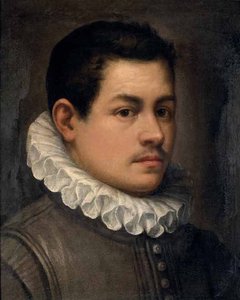
1560–1609, Italia
Annibale Carracci
Early Life and the Bolognese Roots Annibale Carracci, født i Bologna den 3. november 1560, steg ut fra en familie dypt forankret i kunstnerisk tradisjon. Hans tidlige opplæring fant sannsynligvis sted i det nærende miljøet av sin families verksted, og la grunnlaget for en karriere som skulle fundamentalt endre landskapet til italiensk maleri. Bologna var på denne tiden et pulserende knutepunkt for intellektuell og kunstnerisk fermentering, likevel føltes det noe distansert fra de dominerende strømmene som kom fra Roma og Venezia.
Andre verk av Annibale Carracci
 Bønneeteren Sol
 Herkules' valg
 Valget til Herakles1596
 Elvlandskap1589
Essays om Triptych
 The Architecture of Divinity: Tracing the Evolution of Angelic Iconography in Renaissance ArtExplore the evolution of angelic iconography from early Christian art to the Baroque. Trace the divine history with our expert analysis.
 25 Masterpieces by Sir Anthony van Dyck: The King of Baroque PortraitureStep into the elegance of the Baroque era with our curated guide to Sir Anthony van Dyck's top 25 masterpieces. Explore royal portraits and…
 Caravaggism and Bolognese Classicism: Two Paths of the BaroqueMaster the differences between Caravaggism and Bolognese Classicism. Explore the dramatic tension of the Baroque era now.