
 Forhåndsvisning
 Send
Send Del med andre
 Vis detaljer

 Last ned bildet
 Liknende objekter
 Røntgenundersøkelse
 Lysbildefremvisning
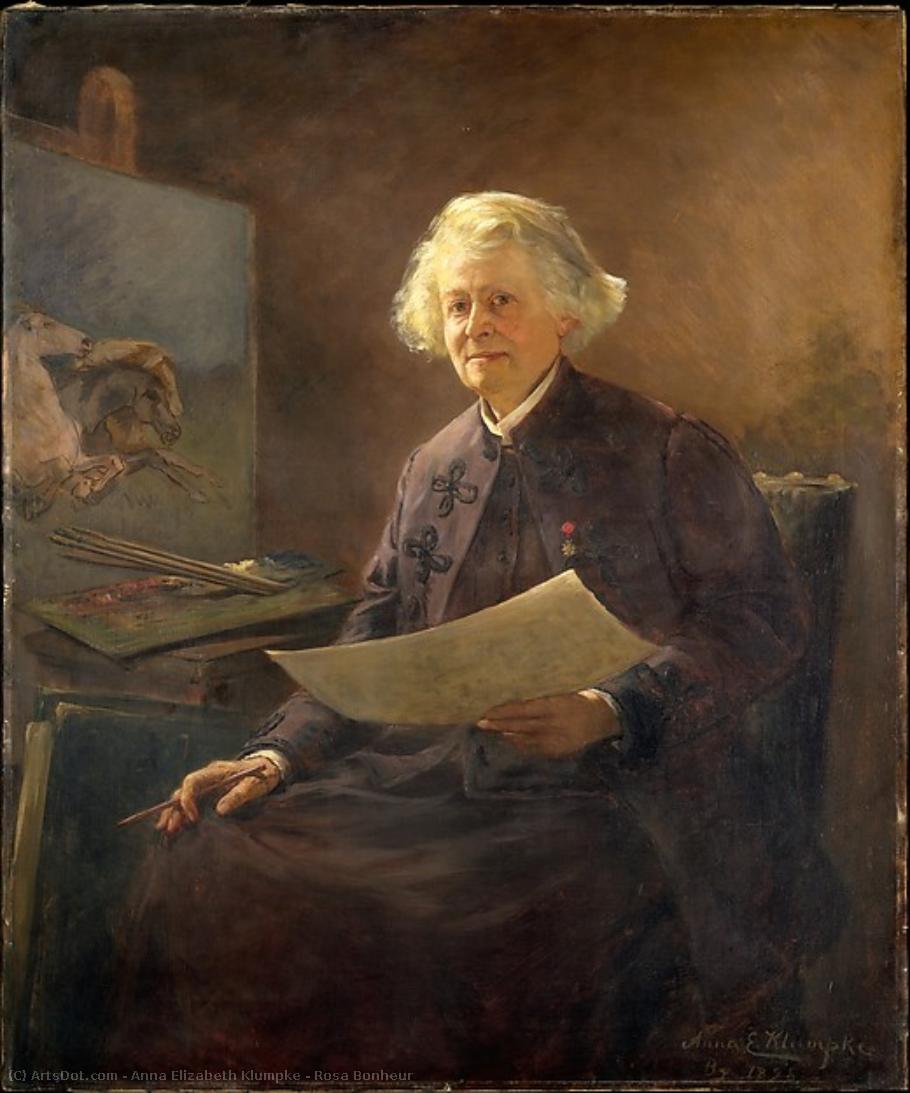
Rosa Bonheur
 Oil On Canvas
- WallArt
- Barbizon School
 1898
1898- 19th Century
 117.0 x 98.0 cm
 Metropolitan Museum of Art
 Vis hele teksten
Kjøp et høyoppløselig, forbedret digitalt bilde som er langt bedre enn forhåndsvisningen på nettet.
Hver fil er omhyggelig klargjort av våre egne spesialister ved hjelp av avanserte verktøy og profesjonell manuell retusjering. Vi sørger for at hvert bilde har eksepsjonell klarhet, presis fargegjengivelse og fine detaljer.
Den endelige filen leveres via e-post innen 72 timer, optimalisert for umiddelbar bruk i profesjonelle, redaksjonelle og trykte miljøer. Dette er den samme kvaliteten som benyttes av ledende designstudioer, utgivere og gallerier.
Digitalt bilde
Last ned en høyoppløselig fil for personlig bruk, utskrift og kreative prosjekter. ( Kjøp trykk Kjøp håndlaget maleri)
Inkludert i alle bestillinger av digitale bilder
Ekspert digital levering, garantert
Når du velger OriginalUniqueArt.com, får du ikke bare et bilde – du mottar et profesjonelt forbedret digitalt kunstverk, skapt med presisjon og med en garantert tilfredshetsgaranti. Her er alt som automatisk følger med din bestilling:

Rask digital levering
Din høyoppløselige digitale bildefil sendes til din e-post innen 72 timer etter bestilling – klar til umiddelbar bruk.

KI-forbedret digital fil
Ditt kunstverk blir profesjonelt optimalisert ved hjelp av avanserte AI-verktøy og manuell redigering, noe som sikrer maksimal detaljrikdom, klarhet og fargegjengivelse.

Gratis livslang nyutlevering
Har du ved et uhell slettet eller mistet filen din? Ingen bekymring – vi sender den på nytt når som helst, helt gratis.

Ingen importavgifter – noen gang
Nyt ditt kunstverk umiddelbart uten toll, avgifter eller leveringskostnader – digitale nedlastinger er alltid avgiftsfrie.

Garantert fargenøyaktighet
Vi sikrer at ditt digitale bilde gjenspeiler de originale fargene så nøyaktig som mulig ved hjelp av profesjonelle verktøy og fargehåndtering.

60 dagers tilfredshetsgaranti
Hvis du ikke er fornøyd med ditt digitale bilde, vil vi revidere det eller refundere 100% innen 60 dager – uten spørsmål.

100% Penggaranti
Ikke fornøyd? Få full refusjon innen 60 dager etter at du har mottatt din digitale fil – uten spørsmål.

Rabatt ved storkjøp
Kjøp 3 bilder, spar 10% - Kjøp 5, spar 15% - Kjøp 10+, spar 20%. Ideelt for kreative prosjekter, gallerier og byråer.
Beskrivelse av samlerobjektet
A Portrait Steeped in Observation and Feminine Resilience
Anna Elizabeth Klumpke’s depiction of Rosa Bonheur stands as a testament to both artistic dedication and personal fortitude—a remarkable achievement considering the physical challenges faced by the artist throughout her life. Born in San Francisco in 1856, Klumpke endured significant hardship from childhood; a fractured femur at three years old compounded by osteomyelitis with purulent knee arthritis at five resulted in lifelong lameness and necessitating constant reliance on a cane. Yet, this adversity fueled an unwavering resolve that would become the bedrock of her artistic journey. Her upbringing within a family renowned for intellectual prowess—a neurologist sister, an astronomer, a violinist, and a pianist—provided an environment rich with stimulation and aspiration, undoubtedly nurturing Klumpke’s own ambitions. The painting itself is a masterful example of Impressionistic Realism, blending the stylistic hallmarks of both movements to capture Bonheur's essence with nuanced detail. Executed in 1898, it showcases Bonheur seated at her easel, bathed in soft natural light—a deliberate choice reflecting Klumpke’s admiration for Bonheur’s unwavering commitment to her craft and her studio environment. Bonheur wears on her jacket the medal of the Order of the Legion of Honor, a symbol of national recognition awarded for distinguished service – an honor that underscores Bonheur's contribution to the arts and sciences during her lifetime. The composition is carefully considered; Bonheur’s gaze directs towards the canvas before her, conveying concentration and artistic engagement. Beside her sits a dog—likely Bonheur’s companion—adding warmth and domestic tranquility to the scene. Further enhancing the atmosphere are two couches positioned strategically around the room, suggesting a space conducive to contemplation and creative work. A potted plant graces the background, introducing an element of organic beauty that contrasts subtly with the geometric precision of the architectural setting. This deliberate juxtaposition speaks to Klumpke’s artistic sensibility—her ability to capture not only visual accuracy but also emotional resonance. The painting's technique is characterized by loose brushstrokes and subtle color blending typical of Impressionism, yet Klumpke meticulously renders Bonheur’s facial features with remarkable precision – a hallmark of Realist portraiture. This fusion of styles underscores the artist’s desire to honor Bonheur’s legacy while simultaneously conveying her inner life and artistic spirit. The artwork's historical context is crucial to understanding its significance. Rosa Bonheur, celebrated as one of France’s foremost animal painters, challenged societal expectations for women during the late 19th century—a period marked by considerable prejudice against female artists. Klumpke’s portrait serves as a poignant reminder of Bonheur’s perseverance and artistic triumph amidst these constraints. More than just a likeness, it embodies Bonheur's unwavering dedication to her craft and her profound connection with the natural world – themes that resonate powerfully with viewers today. Ultimately, “Rosa Bonheur” transcends mere representation; it communicates an emotional depth that speaks to the enduring power of observation and artistic conviction. It invites contemplation on resilience, ambition, and the transformative potential of pursuing one’s passions despite obstacles—a message beautifully conveyed through Klumpke's skillful brushwork and her astute portrayal of a woman who dared to defy convention and embrace her creative vocation.Om kunstneren
A Life Shaped by Resilience and Artistic Devotion
Anna Elizabeth Klumpke, born in San Francisco in 1856, navigated a life marked by both physical challenges and remarkable artistic achievement. From an early age, her path was defined by adversity; a fractured femur at three, followed by osteomyelitis with purulent knee arthritis at five, left her with a lifelong limp and reliant on a cane. Yet, this hardship did not diminish her spirit but rather fostered a quiet determination that would permeate both her personal life and artistic endeavors. Her upbringing within a family of exceptionally accomplished women—a neurologist sister, an astronomer, a violinist, and a pianist—cultivated an environment brimming with intellectual curiosity and ambition. This familial constellation undoubtedly played a pivotal role in shaping Klumpke’s own aspirations and providing unwavering support as she pursued her passion for painting. Extensive home tutoring focused on languages, art, and music prepared her for a life that would intertwine travel, education, and creative expression. The family's frequent journeys to Europe seeking medical treatment also provided invaluable exposure to the artistic heart of the continent.From Parisian Salons to an Enduring Legacy
Klumpke’s formal artistic training began in Paris at the prestigious Académie Julian under Tony Robert-Fleury and Jules Lefebvre, beginning in 1883. She quickly gained recognition within the established art world, exhibiting her work at the Salon des Artistes Français as early as 1884. Her initial paintings were largely genre scenes—pastoral depictions rendered with a sentimental and academic style that resonated with contemporary tastes. A brief return to America saw her teaching art in Boston, but Paris continued to beckon, drawing her back to its vibrant artistic community. It was there, however, that her life took an extraordinary turn, profoundly influencing both her personal happiness and her artistic focus. From childhood, Klumpke harbored a deep admiration for the groundbreaking animal painter Rosa Bonheur, even possessing a “Rosa” doll as a cherished keepsake. This early fascination blossomed into a lifelong connection when she strategically engineered a meeting with Bonheur in 1889 under the guise of securing a portrait commission. What began as a professional encounter quickly evolved into a close personal and romantic relationship that would last until Bonheur’s death in 1899.The Muse and the Guardian
Klumpke became not only Bonheur's confidante but also her official portraitist, creating several significant images of the renowned artist. Upon Bonheur’s passing, Klumpke inherited her estate and dedicated herself to meticulously managing the sale of her artwork in 1900—a task she undertook with unwavering diligence and respect for Bonheur’s artistic vision. Beyond this practical responsibility, she actively worked to preserve and promote Bonheur's legacy, establishing the Rosa Bonheur Prize at the Société des Artistes Français and founding the Rosa Bonheur Museum at Fontainebleau Palace. Perhaps her most enduring contribution was the publication of *Sa Vie, Son Oeuvre* (Her Life, Her Work) in 1908—a detailed biography based on intimate knowledge gleaned from years spent with Bonheur, as well as access to her letters and writings. This work remains an invaluable resource for understanding Bonheur’s artistic process, personal life, and the challenges she faced as a woman artist in a male-dominated field.A Continuing Artistic Voice and Historical Significance
Even amidst her dedication to preserving Bonheur's legacy, Klumpke continued to exhibit her own work throughout her career, including at the 1893 World’s Columbian Exposition in Chicago. While maintaining a generally academic approach, her later paintings occasionally incorporated subtle Impressionistic elements, reflecting the evolving artistic landscape of the time. In 1940, she further enriched the historical record with the publication of her autobiography, *Memoirs of an Artist*, offering personal reflections on her life and career. Klumpke spent her final years dividing her time between France, Boston, and San Francisco before settling permanently in her hometown, where she passed away in 1942 at the age of 85. Her story stands as a testament to the resilience and determination of women artists navigating a challenging era. She not only carved out a space for herself within the art world but also played a crucial role in safeguarding the legacy of one of its most important figures, Rosa Bonheur. Klumpke’s life and work offer invaluable insights into the complexities of artistic partnership, the challenges faced by female artists, and the enduring power of dedication to both personal passion and historical preservation.Notable Works
- In the Wash-house (1888): A captivating oil painting depicting women engaged in domestic labor, showcasing Klumpke’s early mastery of genre painting.
- Elizabeth Cady Stanton (1889): A compelling portrait of the renowned suffragist and women's rights advocate.
- Rosa Bonheur (1898): Perhaps her most famous work, a poignant and insightful portrait of the artist who profoundly influenced her life.
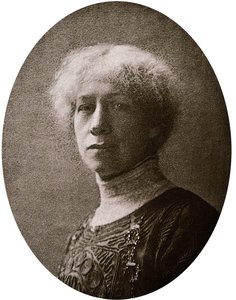
Anna Elizabeth Klumpke
1856 - 1942 , United States of America
Kort om kunstneren
- Artistic Movement Or Style: Genre painting, Portraiture
- Artists Who Influenced This Artist: ['Rosa Bonheur']
- Date Of Birth: October 28, 1856
- Date Of Death: February 9, 1942
- Full Name: Anna Elizabeth Klumpke
- Nationality: American
- Notable Artworks:
- In the Wash-house
- Elizabeth Cady Stanton
- Rosa Bonheur
- Place Of Birth: San Francisco, USA

