Fauvism · 1912
Cliffs (André Derain, 1912)
André Derain (1880–1954) har laget Cliffs. Den er fra 1912. Det tilhører Fauvism-bevegelsen.
- 1912

 Forhåndsvisning

 Håndmalt oljemaleri
 Send
 Del
 Utskriftsvennlig guide


 Last ned bilde
 Liknende objekter
 Røntgenundersøkelse
 Lysbildefremvisning
 Spørsmål og svar

 Statistikk
Cliffs: det viktigste
- Tittel
- Cliffs
- Kunstner
- André Derain (1880–1954)
- Kunstner født i
- Chatou, Frankrike
- Dato
- 1912
- Bevegelse
- Fauvism
- Motiv
- landscape, cliffs, mountains, village, waterfall, fauvism
Hva forestiller Cliffs?
A Vision of Verdant Majesty: André Derain's "Cliffs"
André Derain’s “Cliffs,” painted in 1912 and residing within the esteemed State Hermitage Museum, is more than just a landscape; it's a vibrant testament to the revolutionary spirit of Fauvism. This artwork captures a breathtaking vista of mountains, cliffs, and cascading waterfalls, transporting viewers to a realm where nature’s power and tranquility intertwine. The scene unfolds with a charming village nestled in the valley below, framed by majestic peaks blanketed in lush greenery – an idyllic paradise rendered through Derain's distinctive lens. Two quaint houses near the bottom left corner add a touch of human presence to this otherwise wild expanse. The overall impression is one of dynamic energy and harmonious balance, showcasing nature’s grandeur alongside the quiet resilience of human settlement.Fauvism in Full Bloom: Style & Technique
"Cliffs" exemplifies the core tenets of Fauvism, a groundbreaking art movement that emerged in the early 20th century. Characterized by its bold use of color and expressive brushstrokes, Fauvism sought to liberate painting from representational constraints, prioritizing emotional impact over strict realism. Derain, alongside contemporaries like Henri Matisse, was a pivotal figure in this movement. The technique employed here is immediately striking: colors are applied directly to the canvas with loose, gestural strokes, creating a textured surface that vibrates with energy. Notice how the blues of the sky aren't blended seamlessly but rather layered and juxtaposed, contributing to a sense of atmospheric depth. The simplification of forms – cliffs rendered as sweeping planes of color rather than meticulously detailed rock faces – further emphasizes the painting’s emotional intensity. The lack of precise detail encourages viewers to engage with the artwork on a visceral level, responding to its raw energy and vibrant hues.Historical Context & Artistic Influences
Painted in 1912, "Cliffs" reflects a period of significant artistic experimentation. Following the Impressionists' focus on capturing fleeting moments of light, Fauvism pushed boundaries even further, embracing subjectivity and emotional expression. Derain’s work during this time was also influenced by his exploration of London, where he captured the city with a radical perspective distinct from previous depictions. The movement itself arose as a reaction against the academic traditions that dominated the art world at the time, seeking to forge a new path for artistic innovation and personal expression. Derain’s willingness to break free from conventional representation positioned him at the forefront of this transformative era.Symbolism & Emotional Resonance
Beyond its aesthetic appeal, "Cliffs" carries symbolic weight. The imposing cliffs themselves can be interpreted as symbols of strength, permanence, and the enduring power of nature. The small village nestled below suggests human resilience and adaptability in the face of such grandeur. The cascading waterfall represents a constant cycle of renewal and transformation. Ultimately, Derain’s "Cliffs" evokes a profound sense of tranquility and awe. It invites viewers to contemplate the beauty and majesty of the natural world while simultaneously celebrating the power of artistic expression to convey complex emotions and ideas. The painting's vibrant colors and dynamic composition create an uplifting and inspiring experience, making it a timeless masterpiece that continues to resonate with audiences today.Cliffs i høy oppløsning

André Derain, Cliffs (1912). Felleseie
En digital ekspert kontrollerer fargene mot originalmaleriet og retusjerer filen, tro mot kunstnerens penselstrøk.
Kjøp bildet i høy oppløsningSpørsmål om Cliffs
Når ble "Cliffs" laget?
"Cliffs" av André Derain ble skapt i 1912.
Hva forestiller "Cliffs" av André Derain?
Motivene i "Cliffs" er landscape, cliffs, mountains, village, waterfall, fauvism, hermitage.
Er "Cliffs" av André Derain i det frie domene?
"Cliffs" av André Derain er fritt tilgjengelig – opphavsretten har utløpt. Denne statusen avgjør hvordan bildet av verket kan reproduseres.
Hvem er kunstneren bak "Cliffs"?
Kunstneren bak "Cliffs" er André Derain. Verket er katalogisert under André Derain sitt navn.
Hvilken kunstretning tilhører "Cliffs" av André Derain?
"Cliffs" er et verk innenfor Fauvism. Retningen angir den kunstneriske tradisjonen verket er en del av.
Hvilken fase av André Derain sin kunstneriske utvikling representerer "Cliffs"?
"Cliffs" representerer André Derain sin Early Fauvist Period.
Hvor gammel var André Derain da "Cliffs" ble skapt?
André Derain var 32 år gammel da Cliffs ble skapt i 1912. Alderen er beregnet ut fra kunstnerens fødselsår, 1880.
Er "Cliffs" av André Derain i det frie domene (public domain), og hvorfor?
"Cliffs" av André Derain er fritt tilgjengelig – opphavsretten har utløpt. Opphavsretten løper fra kunstnerens dødsår, som var i 1954.
Hvordan passer "Cliffs" inn i André Derain sin tematikk og stil?
"Cliffs" er et verk fra André Derain sin periode innen Fauvism, der de dokumenterte temaene inkluderer represents a key work in derain's fauvist phase., celebrates nature’s beauty, tranquility, and vibrancy..
Om kunstneren, André Derain
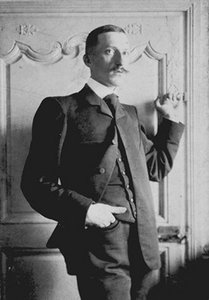
1880–1954, Frankrike
André Derain
Tidlig liv, familie og utdanning I året 1880 trådte André Derain inn i verden i Chatou, en landsby som ligger trygt plassert i Yvelines-regionen i Frankrike. Hans tidlige år ble formet av de stille landskapene i Île-de-France, hvor en naturlig nysgjerrighet for omgivelsene begynte å slå rot. Allerede innen 1895 hadde han begynt å studere på egen hånd, i et forsøk på å forstå den visuelle verden gjennom egne øyne snarere enn gjennom formell undervisning. Denne perioden med selvstendig utforskning gjorde det mulig for ham å utvikle en personlig måte å se på, før akademiets strenge rammer kunne påtvinge ham sin vilje.
Også av André Derain
 bathers1907
 London Bridge1906
 Charing Cross from sw1906
 Landscape at L'Estaque1906

Essays om Cliffs
 André Derain: Fauvism's Bold Visionary & the Evolution of Modern ColorExplore the revolutionary art of André Derain, co-founder of Fauvism. Discover his bold use of color, evolution from radical expressionism …
 The Architecture of Awe: Examining the Sublime Power of Cliffs in Romantic Landscape ArtExplore the profound power of cliffs in Romantic art through expert analysis of the sublime. Discover the masters of landscape today.
 Fauvism vs German Expressionism: Distinguishing Color and EmotionMaster the differences between Fauvism and German Expressionism through expert analysis. Learn to decode the emotion behind the color today.