

 Se i rommet
 Del som digitalt kort
 Del
Del
 Detaljer
 Studentguide

 Last ned
 Liknende objekter
 Røntgen
 Lysbildefremvisning
 Besøksstatistikk
LE BOURGET

 Les mer
Håndlaget oljereproduksjon
Håndmalt olje på lerret i din valgte størrelse og ramme, laget på bestilling av våre kunstnere. ( Bytt til trykkversjon Gå til digitalt bilde)




P118B Nkr10

P118H Nkr10

P118W Nkr10

P438Z Nkr10

P508JH Nkr12

P508YH Nkr12

P805H Nkr10

P805Z Nkr10

P919BZ Nkr10

P919G Nkr10

P919XJ Nkr10

P959ZH Nkr10

P968JZ Nkr12

W106C Nkr8

W218G Nkr10

W218JH Nkr8

W218Y Nkr10

W307PJ Nkr10

W316G Nkr10

W316PJ Nkr8

W316Y Nkr10

W398PJ Nkr8

W4111J Nkr10

W500HY Nkr15

W500JH Nkr15

W692G Nkr12

W849H Nkr8

W940BG Nkr15

W953PJ Nkr8




Velg mellom våre forhåndsdefinerte størrelser som bevarer kunstverkets opprinnelige proporsjoner.

Skriv inn bredden og høyden du trenger, slik at den passer til din ramme eller vegg. Dette er håndmalt, så for en størrelse med en annen form kan kunstneren male litt mer rundt bildet, eller beskjære det noe — du velger selv. Vi sender deg en digital mockup for godkjenning før maleriet påbegynnes. Bildet som vises på denne siden viser ikke det faktiske resultatet — kun mockuppen gjør det.
Etter bestilling vil OriginalUniqueArt.com-teamet sende e-post til kunden for instruksjoner og sende et utkast (mockup) som forhåndsvisning.
Verdensomspennende levering () på 3–4 uker i stedet for standard 5 uker. (24 October). Ingen kompromisser med kvaliteten.

Gratis ekspressfrakt over hele verden

Lerretsduk av høykvalitets lin

Full transportforsikring

Garanti for refusjon av toll og importavgifter

Garantert fargeekthet

100 dagers returrett ved fabrikasjonsfeil

100% pengene tilbake-garanti

Mengderabatt
 Glassalternativet er kun tilgjengelig i størrelser under 110 cm

LE BOURGET
Reproduksjonsmetode
Format på reproduksjon
-


Totalpris
Nkr 3802
Kunstnerbiografi
Alphonse de Neuville: A Life Painted in the Crucible of Conflict
Alphonse-Marie-Adolphe de Neuville, a name that resonates with both the drama and the patriotic fervor of 19th-century France, was born in Saint-Omer in 1835. His life, tragically cut short at the age of forty-nine, unfolded against a backdrop of profound historical transformation – an era defined by imperial ambitions, devastating wars, and the burgeoning formation of national identities. Initially drawn to a career at sea, de Neuville’s artistic inclinations ultimately proved too compelling to ignore, leading him away from the waves and toward the studios of Paris. He sought guidance within the established academic system, briefly attending the naval school in Lorient before dedicating himself fully to formal training under the tutelage of François-Edouard Picot. However, it was the profound influence of Eugène Delacroix – a master of Romanticism renowned for his dynamic compositions and intensely emotional paintings – that truly shaped de Neuville’s artistic vision. This mentorship instilled within him a deep passion for dramatic narratives and a keen understanding of how to translate historical events onto canvas with remarkable power and immediacy.Forging a Reputation Through War and Illustration
De Neuville quickly established himself as a painter deeply engaged with the conflicts that were reshaping Europe during his lifetime. He didn’t merely depict war; he immersed himself within its realities, drawing upon personal experiences – including his own service during the Franco-Prussian War – to infuse his work with an unparalleled sense of authenticity and emotional truth. This commitment to realism, combined with a remarkable talent for capturing the human cost of conflict, propelled him to prominence among his contemporaries. Early successes included vivid depictions of battles from the Crimean War and compelling illustrations of episodes from Garibaldi’s campaigns in Italy. These works weren't simply historical records; they were carefully constructed narratives designed to evoke empathy and understanding in the viewer. However, it was through his collaboration with Jules Verne that de Neuville achieved wider recognition and cemented his place as a versatile artist capable of both meticulous historical accuracy and imaginative storytelling. His illustrations for *Twenty Thousand Leagues Under the Seas* – a fantastical tale of underwater adventure – brought a dynamic visual energy to Verne’s groundbreaking novel, captivating readers and demonstrating de Neuville's ability to seamlessly blend realism with imagination. These illustrations weren’t merely decorative; they were integral to shaping the public’s perception of Verne’s world, imbuing it with a sense of wonder and possibility.Master of Military Narrative: Key Works and Artistic Style
De Neuville’s artistic strength lay in his ability to transform historical events into emotionally resonant narratives. His paintings weren't simply representations of battles; they were carefully constructed dramas, populated by compelling characters and imbued with a palpable sense of urgency. “The Charge of the Light Brigade” (1860) stands as perhaps his most iconic work – a poignant depiction of the disastrous Crimean War cavalry charge that captures both the bravery and the futility of the soldiers caught in the crossfire. The painting doesn’t glorify warfare; instead, it conveys the devastating consequences of misjudgment and the tragic loss of life with unflinching honesty. Similarly, “The Defense of Palma Major” (1875) – a dramatic illustration of a harrowing episode from the Zulu War – showcases de Neuville’s mastery of composition and his ability to capture the intense chaos and brutality of close-quarters combat. His style is characterized by meticulous detail, realistic portrayals of uniforms and weaponry, and a skillful use of light and shadow to create atmosphere and heighten emotional impact. He wasn't interested in creating idealized heroes or grand allegories; instead, he focused on the individual experiences of soldiers – their courage, fear, and suffering – rendering them with remarkable sensitivity and psychological depth. His paintings are not celebrations of victory but rather meditations on loss, sacrifice, and the human condition under extraordinary circumstances.Influences and Artistic Development
De Neuville’s artistic development was shaped by a confluence of influences. The foundational training he received from François-Edouard Picot provided him with essential technical skills within the established academic system. However, it was the profound influence of Eugène Delacroix – a master of Romanticism known for his dramatic compositions and emotionally charged scenes – that truly ignited de Neuville’s artistic vision. Delacroix's emphasis on capturing intense emotion and dynamic movement served as a crucial model for de Neuville’s own work. Furthermore, his personal experiences during the Franco-Prussian War directly informed his realistic depictions of military life and combat, lending an unparalleled sense of authenticity to his paintings. Finally, his collaboration with Jules Verne – translating the author's fantastical narratives into visual form – broadened his artistic range and introduced him to a wider audience, demonstrating his versatility as both a historical painter and a storyteller.Legacy and Enduring Appeal
Alphonse de Neuville’s untimely death in 1885 tragically cut short a brilliant career. However, his legacy endures through the numerous paintings that continue to captivate audiences today. His works are held in prestigious collections around the world – including the Hermitage Museum in St. Petersburg and the Metropolitan Museum of Art in New York – testaments to their artistic merit and historical significance. Beyond these institutional holdings, de Neuville’s art enjoys a broad popular appeal, fueled by a renewed interest in 19th-century military history and a desire for authentic depictions of past conflicts. Today, high-quality reproductions – readily available through platforms like OriginalUniqueArt and OriginalUniqueArt – allow art enthusiasts to bring the drama and historical depth of de Neuville’s masterpieces into their own homes. His paintings serve not only as artistic achievements but also as powerful reminders of the human cost of war and the enduring spirit of those who fought in it, ensuring that his name remains synonymous with both dramatic realism and poignant emotional resonance within the annals of art history.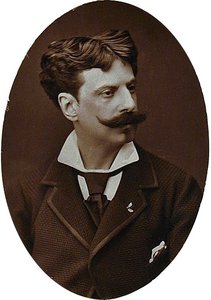
Alphonse de Neuville
1835 - 1885 , Frankrike
Kort om kunstneren
- Artistic Movement Or Style: Akademisk kunst
- Artists Or Movements Influenced By This Artist: ['Verne']
- Artists Who Influenced This Artist:
- Delacroix
- Picot
- Date Of Birth: 1835
- Date Of Death: 1885
- Full Name: Alphonse-Marie-Adolphe de Neuville
- Nationality: Fransk
- Notable Artworks:
- Charge Lysning
- Palma Major
- Place Of Birth: Saint-Omer, Frankrike
Relaterte artikler

Goyas 25 Mesterverk: En Reise Gjennom Spansk Kunsthistorie | OriginalUniqueArt.no
Utforsk Francisco Goyas 25 mest ikoniske malerier! Oppdag historiene bak mesterverkene, fra portretter til de mørke etsninge. Finn kunsttrykk av høy kvalitet og inspirasjon for din innredning på OriginalUniqueArt.no – ditt hjem fortjener tidløs spansk kunst.

Echoes of Trauma & Hope: Representing Transformation in Artworks of 1918
Explore the profound artistic responses to World War I's trauma & hope. Discover Expressionist masterpieces by Bacon, de Kooning & more. Expert insights for collectors & art enthusiasts at OriginalUniqueArt.

Om oss
Oppdag vår historie! Vi bringer kunst av verdensklasse inn i livet ditt gjennom ekspertutvalg, skreddersydde kreasjoner og gratis forhåndsvisninger. Godkjent av privatpersoner og bedrifter siden år 2000.

Willem de Kooning: Abstraction, Gesture & the Evolution of Post-War American Painting
Explore the evolution of Willem de Kooning's iconic Abstract Expressionist paintings. Discover his signature style, key themes & investment potential with expert insights for discerning art collectors.

William Owen: A Poetic Vision of War & Landscape in British Modernism
Explore the poignant war poetry of Wilfred Owen, a key figure in British Modernism. Discover his innovative style, themes of loss & camaraderie, and lasting impact on 20th-century literature. Analysis & historical context included.