

 Se i rommet
 Del som digitalt kort
 Del
Del
 Detaljer
 Studentguide

 Last ned
 Liknende objekter
 Røntgen
 Lysbildefremvisning
 Besøksstatistikk
"In the Synagogue": "I Synagogen"
 Olje på lerret
- Veggkunst
- Post Impressionism
 1906
1906 106.0 x 88.0 cm
 Ben Uri Gallery and Museum
 Les mer
Giclée / Kunsttrykk
Giclée- eller lerretsprint av museumskvalitet med rask produksjon og fleksible valgmuligheter for etterbehandling. ( Bestill håndmalt reproduksjon Gå til digitalt bilde)




P118B $10

P118H $10

P118W $10

P438Z $10

P508JH $12

P508YH $12

P805H $10

P805Z $10

P919BZ $10

P919G $10

P919XJ $10

P959ZH $10

P968JZ $12

W106C $8

W218G $10

W218JH $8

W218Y $10

W307PJ $10

W316G $10

W316PJ $8

W316Y $10

W398PJ $8

W4111J $10

W500HY $15

W500JH $15

W692G $12

W849H $8

W940BG $15

W953PJ $8




Velg mellom våre forhåndsdefinerte størrelser som bevarer kunstverkets opprinnelige proporsjoner.

Du kan oppgi egne mål for å tilpasse en spesifikk ramme eller et bestemt område. Dersom den valgte størrelsen ikke samsvarer med det originale bildets proporsjoner, vil vi enten beskjære kunstverket eller utvide bildet med en speilet eller ensfarget kant. En digital mockup vil bli sendt til din godkjenning før produksjonen starter.
Vennligst merk at forhåndsvisningen på skjermen ikke gjenspeiler den faktiske beskjæringen eller utvidelsen. Kun mockuppen vil vise den endelige komposisjonen nøyaktig.
Selv om tilpassede størrelser er tilgjengelige, anbefaler vi å velge et mål fra den forhåndsdefinerte listen for å bevare de originale proporsjonene.
Verdensomspennende levering () på 2 uker i stedet for standard 4/5 uker. (26 September)

Gratis ekspressfrakt over hele verden

Lerretsduk av høykvalitets lin

Full transportforsikring

Garanti for refusjon av toll og importavgifter

Garantert fargeekthet

100 dagers returrett ved fabrikasjonsfeil

100% pengene tilbake-garanti

Mengderabatt
 Glassalternativet er kun tilgjengelig i størrelser under 110 cm

"In the Synagogue": "I Synagogen"
Giclée / Kunsttrykk
Format på reproduksjon
-


Totalpris
$ 80
In the Synagogue: A Study in Contemplation and Rembrandt’s Legacy
Alfred Aaron Wolmark's “In the Synagogue,” painted in 1906, stands as a poignant testament to both artistic innovation and profound spiritual reflection. Emerging from his formative years spent navigating the vibrant cultural landscape of Warsaw and subsequently establishing himself in London’s East End – a period deeply intertwined with Jewish immigration – Wolmark fused Polish influences with British modernist sensibilities into a singular visual language. This artwork isn't merely a depiction of a synagogue interior; it’s an exploration of inner stillness, meticulously rendered through a masterful blend of technique and stylistic considerations.- Composition & Perspective: The painting employs a pyramidal structure, anchoring the viewer’s gaze on the central figure seated in deep contemplation at the base. Figures populate the background, receding into space with atmospheric perspective—a deliberate nod to Rembrandt's masterful use of chiaroscuro—creating an immersive experience that draws the eye inwards.
- Color Palette & Texture: Dominated by dark browns and blacks, punctuated by subtle hints of warmer skin tones and fabric textures, the color palette embodies solemnity and reverence. Wolmark’s technique – characterized by visible brushstrokes and layering – achieves remarkable textural depth, mirroring the contemplative mood he seeks to convey.
- Style & Influences: While undeniably modernist in its approach—a stylistic evolution marked by a move away from earlier Impressionistic tendencies—Wolmark remained steadfastly committed to Rembrandt’s legacy. The dramatic lighting and emotive portrayal of human form echo Rembrandt's iconic canvases, demonstrating Wolmark’s unwavering admiration for the Dutch master’s ability to capture psychological nuance.
- Symbolism & Emotional Impact: Beyond its formal elements, “In the Synagogue” resonates with symbolic significance. The solitary figure embodies introspection and prayer—a deliberate choice reflecting the artist's engagement with Jewish faith and spirituality. It invites contemplation on themes of devotion, solitude, and inner peace.
Technical Details: Rembrandt Revisited Wolmark’s dedication to Rembrandt’s style extended beyond stylistic imitation; it permeated his artistic process. He meticulously studied Rembrandt's techniques—particularly the use of impasto—incorporating similar textural qualities into his own paintings. This commitment resulted in a distinctive visual aesthetic that distinguishes Wolmark from many of his contemporaries, cementing his reputation as ‘The Colour King.’ The painting’s medium – oil on canvas – further underscores its connection to traditional artistic practices while simultaneously embracing the possibilities offered by modern materials.
Historical Context: London's Jewish Community “In the Synagogue” captures a specific moment in time—the burgeoning Jewish community of East London at the turn of the century. Wolmark’s decision to depict sitters drawn from this locale speaks to his empathy for his fellow artists and his desire to portray authentic cultural experiences. The painting serves as a window into the spiritual life of Jewish worshippers during that era, reflecting the broader artistic currents of the period and demonstrating Wolmark's profound understanding of both visual art and religious belief.
Kunstnerbiografi
a polish-born british artist: a pioneer in post impressionism
alfred aaron wolmark, a painter and decorative artist, was born in warsaw, poland in 1877. at the age of six, he moved to england with his family and became a british citizen in 1894. this pivotal moment in his life would later influence his artistic style, blending the essence of both polish and british art.artistic contributions
wolmark was a post impressionist and a pioneer of the new movement in art. his use of bright colors and interest in the human figure are hallmarks of his work. this innovative approach to art positioned him as a significant figure in the development of modern british art.- wolmark's artworks can be found in various collections, including those at the national museum in warsaw, reflecting his polish roots and the international appeal of his art.
- his artistic legacy extends beyond his own work, influencing subsequent generations of artists who valued innovation and experimentation.
- wolmark's later years saw him continue to produce art until his passing in 1961, leaving behind a body of work that remains relevant today.
legacy and remembrance
today, alfred aaron wolmark's artworks can be explored through digital platforms like [https://OriginalUniqueArt.com/@/alfred-aaron-wolmark](https://OriginalUniqueArt.com/@/alfred-aaron-wolmark), offering a comprehensive view of his artistic journey. for those interested in delving deeper into the context of his art, /en/art/list/ provides insights into the broader landscape of fine-art prints and their significance.conclusion
alfred aaron wolmark's life and art serve as a testament to the power of cultural exchange and innovation in the visual arts. his legacy, now spanning over a century, continues to inspire artists and art enthusiasts alike, ensuring his place within the annals of art history.- explore more of wolmark's artworks on [https://OriginalUniqueArt.com/@/alfred-aaron-wolmark](https://OriginalUniqueArt.com/@/alfred-aaron-wolmark).
- discover the national museum in warsaw's collection, featuring works by wolmark and other notable artists.
references:
- [https://OriginalUniqueArt.com/@/alfred-aaron-wolmark](https://OriginalUniqueArt.com/@/alfred-aron-wolmark) - alfred aaron wolmark's artworks
- [https://wikipedia.org](https://wikipedia.org) - general information on artists and art movements

alfred aaron wolmark
1877 - 1961 , Poland
Kort om kunstneren
- Artistic Movement Or Style: Post-Impressionism
- Artists Or Movements Influenced By This Artist:
- David Bomberg
- Chaïm Soutine
- Lucian Freud
- Artists Who Influenced This Artist: ['Rembrandt']
- Date Of Birth: 1877
- Date Of Death: 1961
- Full Name: Alfred Aaron Wolmark
- Nationality: British
- Notable Artworks:
- The Cockpit
- In the Synagogue
- The Last Days of Rabbi ben Ezra
- Place Of Birth: Warsaw, Poland
Relaterte artikler

Rembrandts Mesterverk: Topp 25 Kunstverk for Din Vegg | OriginalUniqueArt.no
Utforsk Rembrandts 25 mest ikoniske kunstverk! Oppdag historiene bak mestermalerier, portretter og bibelske scener fra den nederlandske barokken. Finn museumskvalitets reproduksjoner & interiørinspirasjon på OriginalUniqueArt.com.

Utover Lys og Farge: Impresjonisme vs. Postimpresjonisme for den kresne samleren
Dykk ned i impresjonismens og postimpresjonismens verden med vår ekspertguide. Lær å identifisere, vurdere og investere i mesterverk fra Monet, Van Gogh og Cézanne. For den kresne kunstsamleren.

Postimpresjonismens 10 Mesterverk: Kunst som Forandret Verden – OriginalUniqueArt.no
Oppdag postimpresjonismens 10 mest ikoniske mesterverk! Van Gogh, Monet, Cézanne og Gauguin – lær historien bak disse fargerike maleriene. Finn museumskvalitets kunsttrykk & inspirasjon til ditt hjem på OriginalUniqueArt.com.
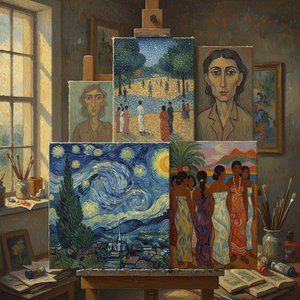
Beyond Impressionism: Exploring the Emotional Depth of Post-Impressionist Painting
Explore the profound emotional depth & innovative techniques of Post-Impressionism with OriginalUniqueArt. Discover Cézanne, Van Gogh, Gauguin & more – and their lasting impact on modern art.

Sir Alfred James Munnings' 25 Mesterverk: En Hyllest til Heste og Engelsk Landskap | OriginalUniqueArt.com
Oppdag Sir Alfred James Munnings' 25 mest ikoniske malerier! Fordyp deg i hestemalerier, engelsk landskapskunst og impresjonistisk skjønnhet. Finn museumskvalitets reproduksjoner & interiørinspirasjon på OriginalUniqueArt.com.
