Forhåndsvisning
 Send
Send Del
Del
 Vis detaljer
 Utskriftsvennlig guide

 Last ned bilde
 Liknende objekter
 Røntgenundersøkelse
 Lysbildefremvisning
 Q&A
Q&A Statistikk
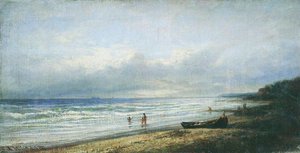
Kloster


 Vis hele teksten
Giclée / Kunsttrykk
Giclée- eller lerretsprint av museumskvalitet med rask produksjon og fleksible valgmuligheter for etterbehandling. ( Kjøp håndmalt maleri Bytt til digitalt bilde)




P118B Nkr10

P118H Nkr10

P118W Nkr10

P438Z Nkr10

P508JH Nkr12

P508YH Nkr12

P805H Nkr10

P805Z Nkr10

P919BZ Nkr10

P919G Nkr10

P919XJ Nkr10

P959ZH Nkr10

P968JZ Nkr12

W106C Nkr8

W218G Nkr10

W218JH Nkr8

W218Y Nkr10

W307PJ Nkr10

W316G Nkr10

W316PJ Nkr8

W316Y Nkr10

W398PJ Nkr8

W4111J Nkr10

W500HY Nkr15

W500JH Nkr15

W692G Nkr12

W849H Nkr8

W940BG Nkr15

W953PJ Nkr8




Velg mellom våre forhåndsdefinerte størrelser som bevarer kunstverkets opprinnelige proporsjoner.

Skriv inn ønsket bredde og høyde for å tilpasse trykket til din ramme eller vegg. Et trykk kan kun beskjæres, aldri skaleres opp utover motivets opprinnelige størrelse, noe som betyr at et format med andre proporsjoner vil føre til tap av deler av bildet. Vi sender deg en digital mockup for godkjenning før vi starter trykkeprosessen. Bildet som vises på denne siden viser ikke den faktiske beskjæringen — det er kun mockuppen som viser dette.
Verdensomspennende levering () på 2 uker i stedet for standard 4/5 uker. (2 November)

Gratis ekspressfrakt over hele verden

Lerretsduk av lin av høy kvalitet

Full transportforsikring

Garanti for refusjon av toll og importavgifter

Garantert fargegjengivelse

100 dagers returrett ved fabrikasjonsfeil

100% pengene tilbake-garanti

Rabatt ved flere kjøp
 Glassalternativet er kun tilgjengelig i størrelser under 110 cm

Kloster
Giclée / Kunsttrykk
Størrelse på reproduksjon
-


Totalpris for valgte alternativer
Nkr 770
Alexei Petrovich Bogoliubov og «A Monastery» – Et Bilde av Volgaens Ånd
«A Monastery» av Alexei Petrovich Bogoliubov er mer enn bare et landskap; det er en visuell skildring av Russland på begynnelsen av 1890-tallet, fanget i et øyeblikk av både praktisk observasjon og kunstnerisk følelse. Maleriet viser Volga River ved siden av et havneområde hvor båter ligger fortøyd, noe som gir oss et innblikk i den russiske økonomien og kulturen på denne tiden. Bogoliubov var dypt påvirket av Ayvazovsky og Barbizon-skolen, kunstnere kjent for å bruke realistiske teknikker til å fange atmosfæren og følelsen av naturlandskap. Dette gjenspeiles tydelig i Bogoliubovs arbeid, hvor detaljerte penselstrøk og bruk av naturlige farger skaper en følelse av dybde og autentisitet.- Stil: Bogoliubov tilhørte Barbizon-skolen, noe som betyr at han fokuserte på å gjengi naturen slik den virkelig er – uten idealisering eller romantiske overdrivelser. Dette var en kontrast til mange andre kunstnere av hans tid, som ofte foretrakk å male fantasifulle scener og dramatiske komposisjoner.
- Teknikk: Bogoliubov brukte luftfarget oljemaleri, noe som tillot ham å oppnå imponerende lyseffekter og skape en følelse av atmosfære. Han var spesielt dyktig til å bruke perspektiv og komposisjon for å fremheve Volga River og havnen, samtidig som han sørget for at bildet hadde balanse og harmoni.
- Historisk Kontekst: Maleriet ble malt i en periode hvor Russland opplevde økonomisk vekst og kulturell blomstring. Volga River var viktig for handel og transport, og havneområdet reflekterte Russlands kontakt med verden. Bogoliubovs kunst gjenspeiler denne tiden av optimisme og utvikling.
Reproduksjonens Kvalitet og Inspirasjon
OriginalUniqueArt tilbyr høykvalitets reproduksjoner av «A Monastery» av Alexei Petrovich Bogoliubov, produsert ved hjelp av moderne teknologi for å sikre maksimal fargegjengivelse og detaljnivå. Disse reproduksjonene er perfekte for å dekorere hjem eller kontor og bringe kunstens estetiske kraft inn i ditt miljø. Ved å investere i en reproduksjon kan du nyte skjønnheten til Bogoliubovs verk uten priset på originalkunstverk, samtidig som du støtter kunstnerisk utvikling og bevaring. La «A Monastery» inspirere deg til å finne ro og ærefryd i den russiske landskapskunsten – og til å verdsette historiens rikdom og kunstens evne til å kommunisere følelser på et dypt nivå.Spørsmål og svar
Hvordan harmonerer fargene i "Kloster" med hverandre?
"Kloster" av Alexey Bogolyubov viser en Sterk fargeharmoni fargeharmoni.
Hvem er kunstneren bak "Kloster"?
"Kloster" tilskrives Alexey Bogolyubov.
Kan jeg se "Kloster" av Alexey Bogolyubov på min egen vegg før jeg kjøper?
"Kloster" av Alexey Bogolyubov kan forhåndsvises på din egen vegg via kunstverkets Se i AR-side ved bruk av utvidet virkelighet (AR) på en kompatibel enhet.
Om kunstneren
Alexei Petrovich Bogoliubov: A Life Painted by Sea and Sky
Alexei Petrovich Bogolyubov, a name that resonates deeply within the annals of 19th-century Russian landscape and seascape painting, was an artist whose life unfolded as a vibrant tapestry woven with threads of military discipline, naval adventure, and profound artistic sensitivity. Born in 1824 in the quiet Pomeranian village of Novgorod Gubernia, Russia – a region steeped in both maritime history and intellectual currents – his early years were shaped by a unique confluence of influences. His father, a retired colonel, instilled within him a sense of order and responsibility, while his maternal grandfather, the renowned philosopher Alexander Radishchev, ignited a spirit of independent thought and critical inquiry. This dual inheritance profoundly impacted Bogoliubov’s artistic trajectory, fostering a complex interplay between rigorous technique and deeply felt emotional expression.- Early Years and Military Training: Bogolyubov's childhood was marked by formal education at military school, a traditional path for young men of his social standing. This training provided him with discipline, precision, and an appreciation for structure – qualities that would later inform his meticulous approach to painting.
- Naval Service and Oceanic Inspiration: Following his military service, Bogolyubov joined the Imperial Russian Navy, embarking on a remarkable journey across vast oceans. These voyages weren’t merely geographical expeditions; they were transformative experiences that instilled within him an enduring reverence for the sea – its power, beauty, and unpredictable nature. The endless horizons, shifting light, and dramatic weather patterns of the maritime world became his primary source of inspiration.
- The Spark of Artistic Passion: It was during this naval career that Bogolyubov’s artistic inclinations truly began to blossom. Recognizing his innate talent, he enrolled at the prestigious Saint Petersburg Academy of Arts in 1849 under the tutelage of Maxim Vorobiev, a respected academician and portrait painter.
From Naval Officer to Master of Atmosphere
Bogolyubov’s transition from naval officer to full-time artist was a testament to his unwavering dedication and burgeoning talent – a deliberate choice fueled by an inner conviction that his artistic potential deserved to be fully realized. He completed his studies at the Academy in 1853, earning a remarkable achievement: a major gold medal – a prestigious recognition within the Russian art world that immediately established him as a rising star. His early works already hinted at the distinctive style he would become known for: a masterful blend of realism and romanticism, capturing not just the visual appearance of landscapes and seascapes but also their emotional resonance. The influence of Ivan Ayvazovsky, the renowned master of marine painting, was particularly significant during this formative period. Bogolyubov absorbed Ayvazovsky’s technical prowess in depicting light, water, and atmosphere – his ability to convey the shimmering surface of the sea and the dramatic interplay of sunlight and shadow – yet he quickly developed his own unique voice, imbuing his paintings with a distinctly personal sensibility.- Ayvazovsky's Legacy: Bogolyubov deeply admired Ayvazovsky’s technical skill, particularly his ability to capture the ephemeral qualities of light on water.
- Developing a Distinct Style: However, he didn’t simply imitate his predecessor; instead, he synthesized Ayvazovsky’s techniques with his own observations and emotional responses, creating paintings that were both technically proficient and profoundly moving.
Bridging Realism and Romanticism: The Essence of His Style
Bogolyubov's paintings are characterized by a remarkable ability to capture the mood and atmosphere of a scene – whether it be the turbulent energy of a naval battle or the serene tranquility of a Volga River landscape. He wasn’t simply recording what he saw; he was conveying how it *felt* to be present in that moment. His seascapes are particularly noteworthy for their dramatic lighting effects, often depicting stormy skies and crashing waves with breathtaking realism – yet always imbued with a sense of poetic beauty, a romantic sensibility that elevates his work beyond mere documentation. He skillfully balanced meticulous detail with a looser, more expressive brushstroke, creating paintings that are both visually compelling and emotionally evocative. While celebrated for his marine scenes, Bogolyubov also produced numerous landscapes depicting the Russian countryside – often focusing on the Volga River, a symbol of national identity and spiritual significance in Russia. These works showcase his mastery of color and composition, capturing the vastness and beauty of the Russian landscape with remarkable sensitivity. Key Characteristics:- Dramatic Lighting: Bogolyubov was renowned for his ability to capture the effects of light on water and sky, creating a sense of drama and atmosphere.
- Emotional Resonance: His paintings were not simply representations of landscapes; they conveyed the emotions associated with those scenes – awe, wonder, tranquility, and even melancholy.
- Balanced Detail and Expression: He skillfully combined meticulous observation with expressive brushwork, creating a dynamic interplay between realism and romanticism.
A Legacy of Influence and Artistic Engagement
Throughout his career, Bogolyubov remained actively engaged with the evolving artistic landscape of Russia. He became closely associated with the *Peredvizhniki* (The Wanderers), a group of realist artists who sought to bring art closer to the people through exhibitions held outside of traditional academic institutions. While he participated in their exhibitions and even served on their board, Bogolyubov maintained a degree of independence, occasionally expressing reservations about the movement’s more overtly social and political agendas. In 1873, he left the Academy in solidarity with his fellow itinerants, demonstrating his commitment to artistic freedom and innovation. As his health began to decline, Bogoliubov settled in Paris around 1873, where his home became a vibrant hub for Russian émigré artists and intellectuals. Figures like Ivan Turgenev, Ilya Repin, and Vasily Polenov frequented his salon, engaging in lively discussions about art, literature, and politics. He continued to paint prolifically until his death in 1896, leaving behind a rich legacy of works that continue to inspire and captivate audiences today. Bogolyubov’s contribution lies not only in the beauty and technical skill of his paintings but also in his ability to bridge the gap between realism and romanticism, creating a uniquely Russian artistic vision that captured the spirit of his time. His work remains a testament to the power of art to evoke emotion, celebrate nature, and reflect the complexities of the human experience.
Alexey Bogolyubov
1824 - 1896 , Russland
Kort om kunstneren
- Artistic Movement Or Style: Realist/Romantikk
- Artists Or Movements Influenced By This Artist: ['Peredvizhniki']
- Artists Who Influenced This Artist:
- Ivan Ayvazovsky
- Camille Corot
- Date Of Birth: 16 mars 1824
- Date Of Death: 7 nov 1896
- Full Name: Alexei Petrovich Bogoliubov
- Nationality: Russisk
- Notable Artworks:
- Havnen i Sinop
- Volga
- Place Of Birth: Novgorod, Russland
Relaterte artikler

Discover Russian Realism: Soulful Masterpieces and the Timeless Spirit of the Peredvizhniki for Your Modern Home
Elevate your home with the soulful beauty of Russian Realism. Discover exquisite hand-painted reproductions of Peredvizhniki masterpieces, from lyrical landscapes to profound portraits, curated to bring historical depth and timeless elegance to your modern interior design.
Alexei Bogolyubov: Bridging Realism & Romanticism in the Russian Landscape Tradition
Explore the captivating world of Alexei Bogolyubov, a master of Russian Realism & Romanticism. Discover his stunning landscapes, maritime scenes, and lasting influence on 19th-century art. Learn more at OriginalUniqueArt.

Romantiske landskap: Topp 10 mesterverk for hjemmet – Kunst fra OriginalUniqueArt.com
Oppdag de 10 mest ikoniske romantiske landskapsmaleriene! Fra Caspar David Friedrich til Turner – utforsk kunsthistorien, stemningen og fargepalettene. Finn museumskvalitets reproduksjoner på OriginalUniqueArt.com.

Evocations of Place: A Historical Journey Through Landscape Art
Explore the rich history of landscape art with OriginalUniqueArt. Discover renowned artists, movements like Impressionism & Romanticism, and expert guidance for collecting timeless pieces. Find your perfect serene escape today!

Aleksey Savrasov: The Poetic Realism That Defined Russian Landscape Painting
Explore the poetic realism of Aleksey Savrasov, founder of Russian lyrical landscape painting. Discover his masterpieces like 'The Rooks Have Returned' and learn about his lasting influence on 19th-century art. OriginalUniqueArt offers high-quality reproductions.