

 Se i rommet
 Del som digitalt kort
 Del
Del
 Detaljer
 Studentguide

 Last ned
 Liknende objekter
 Røntgen
 Lysbildefremvisning
 Besøksstatistikk
A Thinker, Young Roman Monk
 Oil On Canvas
- WallArt
- Academic Realism
 1848
1848 90.0 x 71.0 cm
 Musée Fabre
 Les mer
Giclée / Kunsttrykk
Giclée- eller lerretsprint av museumskvalitet med rask produksjon og fleksible valgmuligheter for etterbehandling. ( Bestill håndmalt reproduksjon Gå til digitalt bilde)




P118B Nkr10

P118H Nkr10

P118W Nkr10

P438Z Nkr10

P508JH Nkr12

P508YH Nkr12

P805H Nkr10

P805Z Nkr10

P919BZ Nkr10

P919G Nkr10

P919XJ Nkr10

P959ZH Nkr10

P968JZ Nkr12

W106C Nkr8

W218G Nkr10

W218JH Nkr8

W218Y Nkr10

W307PJ Nkr10

W316G Nkr10

W316PJ Nkr8

W316Y Nkr10

W398PJ Nkr8

W4111J Nkr10

W500HY Nkr15

W500JH Nkr15

W692G Nkr12

W849H Nkr8

W940BG Nkr15

W953PJ Nkr8




Velg mellom våre forhåndsdefinerte størrelser som bevarer kunstverkets opprinnelige proporsjoner.

Skriv inn bredden og høyden du trenger, slik at den passer til din ramme eller vegg. Et trykk kan kun beskjæres, aldri gjøres større enn bildet, så et format med en annen form vil miste en del av motivet. Vi sender deg en digital mockup for godkjenning før vi trykker noe som helst. Bildet som vises på denne siden viser ikke den faktiske beskjæringen — det er kun mockuppen som gjør det.
Verdensomspennende levering () på 2 uker i stedet for standard 4/5 uker. (23 October)

Gratis ekspressfrakt over hele verden

Lerretsduk av høykvalitets lin

Full transportforsikring

Garanti for refusjon av toll og importavgifter

Garantert fargeekthet

100 dagers returrett ved fabrikasjonsfeil

100% pengene tilbake-garanti

Mengderabatt
 Glassalternativet er kun tilgjengelig i størrelser under 110 cm

A Thinker, Young Roman Monk
Giclée / Kunsttrykk
Format på reproduksjon
-


Totalpris
Nkr 758
A Moment of Contemplation: Alexandre Cabanel’s “A Thinker, Young Roman Monk”
Alexandre Cabanel's "A Thinker, Young Roman Monk," painted in 1848, is more than just a portrait; it’s a profound meditation on solitude, faith, and the weight of introspection. Housed within the serene walls of the Musée Fabre in Montpellier, France, this oil-on-canvas masterpiece invites viewers to step into the quiet world of a young monk lost in reverie. Cabanel, a master of the academic style—a tradition deeply rooted in classical ideals and meticulous observation—crafted an image that transcends mere representation, achieving instead a palpable sense of inner experience.
The subject himself is strikingly rendered: a youthful Roman monk, his features etched with a thoughtful solemnity. He’s seated upon a simple stone wall, the rough texture providing a grounding contrast to the smooth, almost ethereal quality of his garments. His gaze is directed towards an unseen horizon, suggesting a journey of the mind—a contemplation that seems both deeply personal and universally resonant. The subtle play of light across his face and robes isn’t merely decorative; it's strategically employed to sculpt form and draw attention to the key areas of emotional expression.
The Academic Style: Precision and Idealization
Cabanel’s commitment to the academic style is immediately apparent. This approach, prevalent in 19th-century France, prioritized anatomical accuracy, realistic detail, and a sense of idealized beauty. Notice the meticulous rendering of his hands—folded neatly before him—a testament to Cabanel's dedication to precise observation. The composition itself adheres to classical principles: balanced symmetry, harmonious color palettes, and a carefully orchestrated use of space. Unlike later movements that sought to challenge these conventions, Cabanel embraced them, believing in their ability to capture the essence of human experience with clarity and dignity.
The painting’s palette is restrained yet evocative—a blend of muted browns, ochres, and subtle blues—creating a mood of quiet contemplation. The artist skillfully employs sfumato, a technique borrowed from Leonardo da Vinci, to soften edges and create an atmospheric haze, further enhancing the sense of introspection. This careful attention to detail isn’t simply about technical proficiency; it's about conveying a feeling – a deep sense of stillness and profound thought.
Symbolism and Spiritual Resonance
Beyond its formal qualities, “A Thinker, Young Roman Monk” is rich in symbolic meaning. The monk’s posture—seated, contemplative, and isolated—immediately evokes themes of faith, solitude, and the search for spiritual truth. The stone wall upon which he sits represents both earthly grounding and a barrier between himself and the outside world, emphasizing his inward focus. The act of thinking itself is presented as a sacred practice, a communion with something larger than oneself.
Furthermore, the young age of the monk suggests that this contemplation isn’t simply an adult concern but rather a fundamental aspect of spiritual development—a journey undertaken from youth. The painting subtly invites us to consider our own moments of quiet reflection and the importance of seeking meaning in a world often characterized by distraction and noise.
A Timeless Masterpiece: Reproduction and Legacy
Created over 175 years ago, “A Thinker, Young Roman Monk” remains remarkably relevant today. Its exploration of universal themes—contemplation, faith, and the human condition—continues to resonate with viewers across generations. High-quality reproductions, meticulously crafted by skilled artisans using traditional techniques, offer a way to bring this timeless masterpiece into your home or office.
Whether you’re an art enthusiast, a collector seeking to enrich your collection, or simply someone drawn to the beauty and serenity of this image, a reproduction of Cabanel's "A Thinker, Young Roman Monk" is more than just a decorative piece—it’s a window into the soul of 19th-century France and a reminder of the enduring power of quiet contemplation. For authentic reproductions, please visit https://OriginalUniqueArt.com.
Spørsmål og svar
Hvem har skapt "A Thinker, Young Roman Monk"?
"A Thinker, Young Roman Monk" tilskrives Alexandre Cabanel.
Kan jeg se "A Thinker, Young Roman Monk" av Alexandre Cabanel på min egen vegg før jeg kjøper?
"A Thinker, Young Roman Monk" har en forhåndsvisning med utvidet virkelighet: AR-forhåndsvisning-siden til kunstverket viser det i ditt eget rom på en kompatibel enhet.
Hvilken kunstretning tilhører "A Thinker, Young Roman Monk" av Alexandre Cabanel?
Retningen knyttet til "A Thinker, Young Roman Monk" av Alexandre Cabanel er Academic Realism. Denne klassifiseringen plasserer verket blant relaterte kunstnere og kunstverk.
Kunstnerbiografi
Alexandre Cabanel: En Pioner innen Akademisk Realisme
Alexandre Cabanel (født 28. september 1823, død 23. januar 1889) var en fransk maler fra Montpellier. Han ble kjent for sin dominans innen akademisk realisme på slutten av det 19. århundre og hans evne til å skildre historiske og religiøse temaer med imponerende teknikk og estetisk finesse. Hans verk forteller om en tid hvor klassiske idealer og nøye observasjon ble satt høyt, noe som gjenspeiles i hans kunstneriske stil og hans betydelige arv.- Tidlig Liv og Kunstnerisk Utvikling
- Roma Årene og Oppblomstring av Karriere
- Akademisk Stil og Teknikk
- Viktige Verk og Publikum
- Arv og Påvirkning på Etterfølgende Kunstnere
Tidlig Liv og Kunstnerisk Utvikling
Cabanel ble født i Montpellier, sønn av en beskjeden snekker. Hans kunstneriske talent manifesterte seg tidlig; allerede som barn viste han interesse for tegning og ble sendt til lokal kunstskole hvor han studerte klassiske teknikker og komposisjon. Dette tidlige fokus på kunst satte grunnlaget for hans senere karriere og førte ham til å utvikle seg til en av de mest fremragende kunstnerne i sin samtid. Hans første møte med kunstens verden var gjennom skolen, hvor han ble introdusert til teorien om klassisk kunst og hvordan den skulle praktiseres. Dette grunnlag ville bli videre styrket ved hans studie ved École des Beaux-Arts i Paris i 1839, hvor han studerte under François-Édouard Picot, en elev av Jacques-Louis David.Roma Årene og Oppblomstring av Karriere
I 1845 fikk Cabanel stipend Prix de Rome, noe som åpnet døren til Villa Medici i Roma hvor han studerte klassisk kunst og skulptur. Dette var en avgjørende periode for hans utvikling som kunstner; han ble dypt påvirket av italienske mestere og absorberte deres teknikker og komposisjonspraksis. Hans forhold til Alfred Bruyas, en kunstsamler og støtteperson, var spesielt viktig – Bruyas finansierte flere av Cabanel’s verk og introduserte ham for viktige kunstnere og kulturelle miljøer. Blant hans mest kjente arbeider fra denne tiden er *La Chiaruccia*, *Man Contemplating, Young Roman Monk* og *Albaydé*, som viser Cabanel’s evne til å skildre både historiske og religiøse temaer med stor følelsesmessig dybde og teknisk presisjon.Akademisk Stil og Teknikk
Cabanel var en mester innen akademisk realisme, noe som betydde at han vektla nøye observasjon og detaljert teknik. Han var kjent for sin bruk av glatte penselstrøk og subtile nyanseringer av lys og skygge, samt hans imponerende evne til å gjengi menneskelige anatomi med ekstremt realistiske detaljer. Hans mål var å skildre virkeligheten på en måte som var både estetisk tiltalende og teknisk korrekt – noe han oppnådde gjennom omfattende studie og øving.Viktige Verk og Publikum
Cabanel ble spesielt kjent for sitt portrettarbeid, hvor han fanget essensen av sine sitters personlighet og karakter. Hans verk ble ettertraktet av aristokrati og borgerskap, og hans bilder forteller historier om viktige personer og hendelser i sin tid. Blant hans mest ikoniske kunstverk er *The Birth of Venus*, som skapte stor oppsøkelse ved Salonen i 1863 og ble kjøpt av Napoleon III til hans private samling – dette bildet er nå en av de største attraksjonene på Musée d’Orsay.Arv og Påvirkning på Etterfølgende Kunstnere
Alexandre Cabanel etterlot seg et betydelig kunstnerisk arv som fortsatte å inspirere kunstnere gjennom flere generasjoner. Hans fokus på klassiske idealer og hans tekniske dyktighet ble sett på som modeller for mange av hans samtidige og etterkommere, noe som sikret hans plass blant de mest fremragende kunstnerne i det 19. århundre. Selv om Cabanel møtte motstand fra nye kunstnermovementer som Impressionismen, har hans verk fortsatt å fascinere publikum og vitenskapsmenn i dag – et testament til hans evne til å skape bilder som var både vakre og teknisk imponerende.
Alexandre Cabanel
1823 - 1889 , Frankrike
Kort om kunstneren
- Artistic Movement Or Style: Akademisk realism
- Artists Who Influenced This Artist:
- Jacques-Louis David
- François Édouard Picot
- Date Of Birth: 28 september 1823
- Date Of Death: 23 januar 1889
- Full Name: Alexandre Cabanel
- Nationality: Fransk
- Notable Artworks:
- Venus fødsel
- Kristus i urtehagen
- Albaydé
- Place Of Birth: Montpellier, Frankrike
Relaterte artikler

Oil on Canvas: A Historical & Technical Exploration of a Timeless Artistic Medium
Explore the rich history & enduring techniques of oil painting on canvas. Discover the science behind its longevity, conservation practices, and contemporary relevance. Expert insights for art enthusiasts.

The Enduring Legacy of Oil on Canvas: Technique, History & Aesthetic Impact
Explore the rich history & techniques of oil painting – from Renaissance masters to Impressionism. Discover pigments, layering methods, and why this timeless medium endures. Expert insights for artists & art enthusiasts.
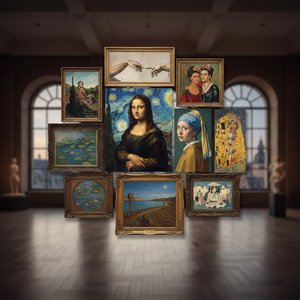
De 10 mest ikoniske oljemalerier som forandret kunsthistorien – OriginalUniqueArt.com
Oppdag de 10 mest innflytelsesrike oljemaleriene gjennom tidene! Fra Mona Lisa til Van Goghs mesterverk – lær historien bak ikoniske kunstverk og finn inspirasjon for ditt hjem. Museumskvalitet reproduksjoner på OriginalUniqueArt.com.
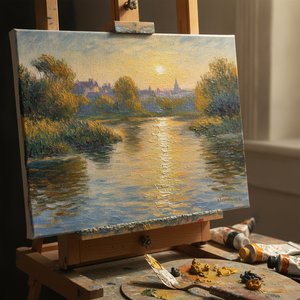
The Soul of Impressionism: Why Oil on Canvas Captures Eternal Light and Timeless Emotion
Discover the enchanting alchemy of Impressionism. Explore how the mastery of oil on canvas, through glazing and impasto, captures eternal light and emotion. Perfect for lovers of Monet and Van Gogh seeking the profound depth of hand-painted fine art.

Oljemaleriets varige arv: Teknikk, historie og samtidspraksis
Utforsk oljemaleriets fascinerende historie og teknikker! Lær om mestere, materialer og samtidspraksis. Få ekspertråd og inspirasjon for ditt neste kunstprosjekt.

