Forhåndsvisning
 Send
Send Del med andre
 Vis detaljer

 Last ned bildet
 Liknende objekter
 Røntgenundersøkelse
 Lysbildefremvisning
 Statistikk
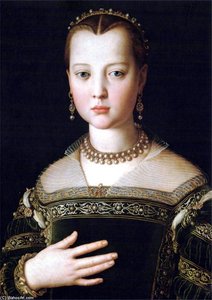
Saint Sebastian
 Oil On Canvas
- WallArt
- Mannerism
 1533
1533- Renaissance
 76.0 x 87.0 cm
 Vis hele teksten
Håndlaget oljereproduksjon
Håndmalt olje på lerret i din valgte størrelse og ramme, laget på bestilling av våre kunstnere. ( Bytt til trykk Bytt til digitalt bilde)




P118B $10

P118H $10

P118W $10

P438Z $10

P508JH $12

P508YH $12

P805H $10

P805Z $10

P919BZ $10

P919G $10

P919XJ $10

P959ZH $10

P968JZ $12

W106C $8

W218G $10

W218JH $8

W218Y $10

W307PJ $10

W316G $10

W316PJ $8

W316Y $10

W398PJ $8

W4111J $10

W500HY $15

W500JH $15

W692G $12

W849H $8

W940BG $15

W953PJ $8




Velg mellom våre forhåndsdefinerte størrelser som bevarer kunstverkets opprinnelige proporsjoner.

Du kan angi egne mål for å tilpasse en spesifikk ramme eller plass. Dersom den valgte størrelsen ikke samsvarer med originalbildets proporsjoner, vil vi enten beskjære kunstverket eller utvide maleriet med ytterligere håndmalte elementer. En digital mockup vil bli sendt til din godkjenning før produksjonen starter.
Vennligst merk at forhåndsvisningen på skjermen ikke gjenspeiler den faktiske beskjæringen eller utvidelsen. Kun mockuppen vil vise den endelige komposisjonen nøyaktig.
Selv om tilpassede størrelser er tilgjengelige, anbefaler vi å velge et mål fra den forhåndsdefinerte listen for å bevare de originale proporsjonene.
Etter bestilling vil OriginalUniqueArt.com-teamet sende e-post til kunden for instruksjoner og sende et utkast (mockup) som forhåndsvisning.
Verdensomspennende levering () på 3–4 uker i stedet for standard 5 uker. (10 September). Ingen kompromisser med kvaliteten.

Gratis ekspressfrakt over hele verden

Lerretsduk av høykvalitets lin

Full forsikring under transport

Garanti for refusjon av toll og importavgifter

Garantert korrekt fargegjengivelse

100 dagers returrett (kun ved mangler)

100% pengene tilbake-garanti

Rabatt ved flere kjøp
 Glassalternativet er kun tilgjengelig i størrelser under 110 cm

Saint Sebastian
Teknikk for reproduksjon
Størrelse på reproduksjon
-


Endelig pris
$ 300
The Cool Composure of Mannerist Grace
To stand before Agnolo Bronzino's depiction of Saint Sebastian is to encounter an embodiment of refined restraint—a hallmark of the High Renaissance transitioning into the sophisticated drama of Mannerism. This painting, dated to 1533, captures a moment steeped in classical allusion yet filtered through the unique lens of Florentine elegance. While the subject matter evokes martyrdom and divine suffering, Bronzino’s handling elevates the scene beyond mere piety; it becomes a study in poised physicality and aristocratic bearing. The very air around the figure seems imbued with a cool, almost intellectual composure that belies the narrative weight of his fate.
A Study in Form and Line
The visual evidence suggests an artist deeply concerned with structure and idealized form. The composition presents Saint Sebastian—rendered here with striking red hair and draped in rich crimson robes—in a pose that is both active and utterly controlled. He gazes outward, engaging the viewer directly, while his posture speaks of studied grace. One notes the subtle details: the bow held ready, suggesting an archer's readiness, juxtaposed with the more poignant element of the knife lying near the foreground. This careful arrangement of objects around the central figure guides the eye through a narrative tapestry woven from classical iconography and contemporary portraiture. The technique itself speaks to Bronzino’s mastery; every fold of the fabric, every strand of hair, is rendered with an almost enamel-like precision.
Historical Echoes and Artistic Lineage
Bronzino's career was one of absorbing and then perfecting influences. Having trained under masters like Pontormo, he absorbed emotional intensity only to temper it into his signature reserved elegance. This work reflects that maturation. Art historical research suggests a fascinating connection between this piece and earlier studies, perhaps even linking the figure’s pose to representations of the Evangelists in other Florentine chapels. It is as if Bronzino was not merely painting a saint, but participating in an ongoing visual dialogue with the great traditions of Italian art, refining them until they achieved a distinctly personal, polished sheen.
Symbolism and Emotional Resonance
The symbolism inherent in Saint Sebastian—the archer, the subject of arrows, the symbol of endurance—is potent. Yet, Bronzino’s interpretation softens this raw suffering with an almost courtly dignity. The vibrant red of his attire draws the eye immediately, a color traditionally associated with passion and sacrifice. For the modern collector or designer, this piece offers more than just religious iconography; it provides an anchor of sophisticated drama for any space. It speaks to enduring strength presented not through brute force, but through impeccable self-possession.
Bringing Renaissance Grandeur Home
Owning a reproduction of this work is to invite a fragment of 16th-century Florentine refinement into your contemporary life. The rich palette, the masterful handling of drapery, and the compelling gaze of the subject create an immediate focal point. Whether displayed in a formal drawing-room or alongside curated modern pieces, this artwork carries the weight of history while maintaining an air of timeless, cool sophistication. It is a piece that demands contemplation, rewarding the viewer with its layers of technical brilliance and quiet narrative power.
Om kunstneren
Agnolo Bronzino: The Sculptor's Touch in Florentine Mannerism
Agnolo di Cosimo, known to history as Bronzino, emerged from the vibrant artistic landscape of Renaissance Florence in 1503, a period already brimming with genius. Born the son of a butcher, his path diverged sharply from familial trade, guided instead by an innate talent that would see him become one of the most sought-after portraitists of his era and a defining figure of Mannerism. His early training began with Raffaellino del Garbo, but it was under the tutelage of Jacopo da Pontormo that Bronzino’s artistic sensibilities truly took shape. While absorbing Pontormo's innovative style—characterized by expressive distortions and dramatic lighting—he ultimately forged his own distinct voice—one characterized by a cool composure and refined detail markedly different from his teacher’s often emotionally charged works. This early period was also influenced by studies with Andrea del Sarto, exposing him to the legacies of Michelangelo and Leonardo da Vinci, foundational influences that would subtly permeate his mature style. The young Bronzino quickly demonstrated an aptitude for capturing not just physical likeness but a certain psychological depth, even in his earliest commissions.Early Influences and Artistic Formation
Pontormo’s impact on Bronzino was profound. Unlike Pontormo's emotionally turbulent compositions—often imbued with sorrowful expressions and swirling draperies—Bronzino favored a deliberate restraint, prioritizing clarity of line and meticulous rendering of surface textures. This stylistic preference reflected a broader trend within Mannerism—a rejection of High Renaissance ideals of harmony and balance in favor of stylized forms and unsettling perspectives. Bronzino’s apprenticeship under Pontormo instilled in him a fascination with sculptural techniques, evident in his approach to portraiture where he sought to achieve an almost three-dimensional effect through careful manipulation of volume and contour. Furthermore, the influence of Michelangelo—particularly his monumental sculptures—shaped Bronzino's understanding of anatomical precision and dramatic gesture. Leonardo da Vinci’s scientific observation and artistic experimentation similarly contributed to Bronzino’s intellectual curiosity and commitment to mastering the complexities of visual representation.Ascension at the Medici Court: Patronage and Artistic Output
Bronzino’s career ascended dramatically with the patronage of Cosimo I de’ Medici, Duke of Tuscany. This relationship—established after Bronzino contributed to the lavish decorations celebrating Cosimo’s wedding to Eleonora di Toledo in 1539—cemented his position as the official court painter for much of his life. It was a role he fulfilled with unwavering dedication and remarkable skill. The portraits emanating from this period are not merely likenesses; they are carefully constructed statements of power, status, and dynastic ambition. Cosimo and Eleonora themselves became frequent subjects—immortalized in paintings that exude an aristocratic aloofness and polished elegance. These works weren’t simply about capturing physical resemblance but crafting enduring symbols of Medici authority. Bronzino's meticulous attention to detail—the textures of fabrics, the gleam of jewels, the subtle nuances of expression—all rendered with an almost enamel-like precision—became hallmarks of aristocratic representation. He was entrusted with decorating the chapel dedicated to Eleonora, a project spanning two decades and showcasing his versatility as a fresco painter. The resulting images are testament to Bronzino’s technical prowess and artistic vision.The Mannerist Style: Cool Composure and Sculptural Precision
Bronzino's distinctive style—characterized by cool composure and sculptural precision—represented a radical departure from the prevailing aesthetic sensibilities of his time. Unlike the emotionally charged compositions favored by artists like Raphael or Michelangelo, Bronzino’s paintings eschewed dramatic gestures and expressive coloration in favor of deliberate restraint and meticulous rendering of surface textures. His figures are often posed in stiff, stylized positions—almost as if sculpted—creating an illusion of three-dimensionality that defied conventional artistic conventions. This stylistic preference reflected a broader trend within Mannerism—a rejection of High Renaissance ideals of harmony and balance in favor of distorted perspectives and unsettling spatial arrangements. Bronzino’s mastery of line—particularly his use of hatching and crosshatching—produced velvety surfaces that conveyed an uncanny sense of depth and luminosity. He achieved this effect by carefully controlling the interplay of light and shadow, creating a visual experience that was both intellectually stimulating and aesthetically captivating.Legacy and Influence: Shaping European Portraiture
Bronzino’s influence extended far beyond Florence, shaping the visual language of aristocratic representation throughout Europe for generations to come. His cool elegance and refined technique became hallmarks of court portraiture—inspiring artists across the continent to adopt a similar stylistic approach. Scholars now recognize Bronzino's contribution to Mannerist art as pivotal in establishing a new aesthetic standard—one that prioritized intellectual complexity and stylistic control over emotional expression. Despite criticisms leveled against Mannerism during the Romantic era, Bronzino’s work has experienced a resurgence of appreciation in recent decades—demonstrating its enduring power to fascinate and inspire viewers centuries after his death in 1572. His legacy as one of the most important Mannerist painters—a master of reserved elegance whose portraits continue to captivate and intrigue—ensures his place among the titans of Renaissance art history.
Agnolo Bronzino
1503 - 1572 , Italia
Kort om kunstneren
- Artistic Movement Or Style: Mannerism
- Artists Who Influenced This Artist:
- Pontormo
- Michelangelo
- Leonardo da Vinci
- Date Of Birth: 17 november 1503
- Full Name: Agnolo di Cosimo
- Nationality: Italian
- Notable Artworks:
- Venus, Cupid, Folly & Time
- Ugolino Martelli
- The Holy Family
- Place Of Birth: Florence, Italy
Relaterte artikler

Giclée Prints: Archival Quality & Aesthetic Nuances for the Discerning Collector
Explore the world of giclée prints with OriginalUniqueArt. Learn about archival quality, aesthetic nuances & investment potential. Expert guidance for discerning art collectors seeking museum-quality reproductions and lasting value.
Beyond Perfection: The Dramatic Elegance and Intellectual Tension of Renaissance Mannerism
Explore the captivating world of Renaissance Mannerism. Discover how artists moved beyond High Renaissance harmony into a realm of elegant distortion, psychological tension, and dramatic beauty that bridged the gap to the Baroque era.
Agnolo Bronzino: Mastering Courtly Portraiture & the Enigmatic Gaze of Renaissance Florence
Explore the captivating world of Agnolo Bronzino, Renaissance master portraitist. Discover his elegant style, symbolic depth & lasting influence on art history. Expert insights for collectors.

Echoes of Time: Exploring the Enduring Appeal & Historical Context of Vintage Art Prints
Explore the captivating world of vintage art prints! Discover their history, collecting tips & enduring appeal. Expert insights on chromolithography and building a legacy collection with OriginalUniqueArt.

The Enduring Legacy of Fine Art Prints: Technique, History & Aesthetic Impact
Explore the rich history & techniques of fine art prints. Discover investment potential, assess authenticity, and learn how to preserve your collection with expert guidance. Trusted insights for discerning collectors.