Ontdek Hieronymus Bosch (c.1450-1516), een mysterieus Nederlands meester van surrealisme & symboliek. Verken zijn iconische schilderijen, religieuze thema's en nachtmerriebeelden – een blijvende invloed op de kunstgeschiedenis.
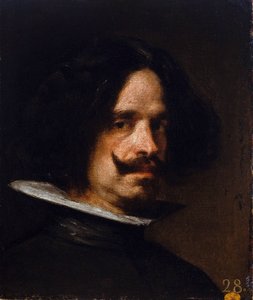
Diego Velázquez: De meester van licht & schaduw! Zijn realistische portretten en iconische werken, zoals 'Las Meninas', fascineren nog steeds. Ontdek de briljante Barokschilder uit Spanje.
Een Monumentaal Getuigenis: De Blijvende Erfenis van El Escorial
Dramatisch gepositioneerd op de hellingen van de Sierra de Guadarrama, uitkijkend over het uitgestrekte landschap richting Madrid, staat het Monasterio de San Lorenzo, algemeen bekend als El Escorial. Dit is niet louter een gebouw; het is een ervaring—een adembenemende synthese van macht, vroomheid en artistieke ambitie die de essentie van het 16e-eeuwse Spanje belichaamt. In opdracht gegeven door koning Filips II in 1563, overstijgt El Escorial zijn functie als koninklijk paleis, klooster, bibliotheek en pantheon om een krachtig symbool te worden van de Spaanse identiteit en imperiale grandeur. De imposante schaal, de sobere schoonheid en de gelaagde geschiedenis nodigen uit tot contemplatie, waarbij het complexe samenspel tussen religieus vuur, politieke strategie en artistieke innovatie wordt onthuld. De locatie die Filips II koos—een ruig, geïsoleerd plekje ver verwijderd van de bruisende hoofdstad—was doelbewust; het getuigde van een verlangen naar zowel eenzaamheid als kracht, een spiegelbeeld van de ambities van de koning om Spanje te vestigen als een dominante macht in Europa.
Juan de Herrera, de hoofdbouwer, vertaalde deze visie meesterlijk naar de werkelijkheid door gebruik te maken van de innovatelijke Herrerese stijl—een uitgesproken Spaanse interpretatie van de renaissance-architectuur, gekenmerkt door geometrische precisie, robuuste granieten constructie en ingetogen ornamentiek. Dit is geen flamboyante vertoning; het is een zorgvuldig afgemeten expressie van macht door middel van eenvoud en soliditeit. Het complex is voornamelijk opgetrokken uit graniet, wat het een blijvende kracht en een subtiele, bijna monastieke kwaliteit verleent. Let op de symmetrische indeling—een bewuste reflectie van de renaissance-idealen van orde en rationaliteit—en de hoge gewelfde plafonds die de blik omhoog trekken, richting de hemel. El Escorial diende als de primaire residentie van Filips II tot 1586, een bewijs van het luxueuze ontwerp en de strategische ligging. Het herbergt ook het Koninklijk Pantheon, waar de resten van Karel V, Isabella van Portugal, Filips II en zijn opvolgers rusten—een aangrijpend eerbetoon aan de dynastieke erfenis van Spanje.
Een Weefsel van Kunst binnen Stenen Muren
Naast de architectonische pracht is El Escorial een schatkamer van buitengewone artistieke kostbaarheden, grotendeels verzameld tijdens de regering van Filips II. De collectie weerspiegelt zijn mecenaat tijdens de Spaanse Gouden Eeuw en toont het talent van enkele van de meest gevierde kunstenaars uit Europa. De Basilica, met haar indrukwekkende retabels en religieuze kunstwerken, trekt onmiddellijk de aandacht, terwijl het Koninklijk Paleis blikken werpt op de luxueuze levensstijl van de Spaanse monarchie. Binnen deze gewijde hallen is de invloed van El Greco bijzonder evident in diverse werken, wat de nauwe band tussen de kunstenaar en Filips II weerspiegelt. De dramatische intensiteit en spirituele diepgang die zo kenmerkend zijn voor de stijl van El Greco resoneren krachtig binnen de devote atmosfeer van El Escorial. Ook Luca Giordano en Claudio Coello droegen significant bij aan de decoratie van de Basilica en andere delen van het complex, waarbij zij hun meesterschap in kleur en compositie toonden. Misschien wel een van de meest treffende stukken is José de Ribera's
Martirio de San Lorenzo
, een barok meesterwerk dat de intensiteit en het lijden van het religieuze martelaarschap vastlegt met zijn rijke kleuren en dynamische beweging.
De Bibliotheek: Een Heiligdom van Kennis
Als een juweel binnen het complex vormt de Koninklijke Bibliotheek een adembenemende ruimte, gevuld met boeken en manuscripten uit het renaissance-tijdperk. Het gewelfde plafond, geschilderd door Pellegrino Tibaldi, verbeeldt de zeven vrije kunsten, theologie en filosofie—een visuele representatie van de intellectuele streven van Filips II en zijn wens om El Escelijke als een centrum van geleerdheid te vestigen. Dit was niet louter een verzameling teksten; het was een zorgvuldig samengestelde opslagplaats van kennis, bedoeld om de religieuze en politieke doelen van het Spaanse rijk te ondersteunen. De bibliotheek staat als een monument voor de kracht van ideeën en het blijvende belang van wetenschap, en biedt een venster op de intellectuele wereld van het 16e-eeuwse Spanje. De enorme omvang van de collectie, gecombineerd met de verfijnde kunst van het plafond, creëert een sfeer van eerbied en wekt ontzag bij iedereen die binnenstapt.
Echo's van de Geschiedenis: De Visie van Filips II Verwezenlijkt
De geschiedenis van El Escorial is onlosmakelijk verbonden met het leven en de regering van koning Filips II, een complex figuur die zowel vroomheid als meedogenloosheid belichaamde. De bouw van het complex werd in 1563 gestart ter herdenking van de Spaanse overwinning in de Slag bij St. Quentin en diende tevens als toekomstig koninklijk mausoleum—een tastbare uiting van zijn verlangen om zijn nalatenschap veilig te stellen en de continuïteit van de Habsburgse dynastie te waarborgen. De vestiging van het klooster als een hiëronymietische gemeenschap voegde nog een laag toe aan het doel, waarbij een traditie van gebed en geleerdheid hand in hand ging met de koninklijke functies. Gedurende meer dan twee decennia werkten duizenden arbeiders—ambachtslieden, steenhouwers en sjouwers—onvermoeibaar om de visie van Filips II tot leven te brengen. Het project was niet zonder uitdagingen; vertragingen kwamen vaak voor en de kosten waren aanzienlijk. Toch staat het als een bewijs van de vastberadenheid van de koning en zijn geloof in de kracht van architectuur om zowel de realiteit als de perceptie te vormen.
Een Uniek Erfgoed: Meer dan slechts een Gebouw
Wat El Escorial werkelijk onderscheidt, is de veelzijdige aard ervan—een zeldzame combinatie van koninklijk paleis, klooster, bibliotheek en pantheon, ondergebracht in één enkel, monumentaal complex. De Herrerese stijl, met zijn nadruk op geometrische vormen en ingetogen ornamentiek, is eveneens een kenmerkend element van de Spaanse renaissance-architectuur, dat zelden buiten Spanje te zien is. Voorbij de architectonische en artistieke betekenis vertegenwoordigt El Escorial een cruciaal moment in de Spaanse geschiedenis—een symbool van imperiale ambitie, religieus vuur en de blijvende kracht van koninklijk mecenaat. Een bezoek aan El Escorial biedt een ongekende kans om terug in de tijd te stappen en jezelf onder te dompelen in de grandeur en complexiteit van het 16e-eeuwse Spanje. Het is een plek waar kunst, geschiedenis en architectuur samenkomen om een werkelijk onvergetelijke ervaring te creëren—een monument dat eeuwen na zijn voltooiing nog steeds ontzag en verwondering opwekt.
Door de redactie van OriginalUniqueArt.com
Kunstquiz
Per vraag is er slechts één goed antwoord.
Vraag 1:
¿Cuál es el nombre del monumento más importante de la arquitectura española?
Vraag 2:
¿Quién fue el arquitecto encargado de construir El Escorial?
Vraag 3:
¿Qué estilo arquitectónico caracteriza principalmente a El Escorial?
Vraag 4:
¿Dónde se encuentra situado el Monasterio de El Escorial?
Vraag 5:
¿Qué función cumplió El Escorial durante el reinado de Felipe II?
Ontdek de 25 meest iconische meesterwerken van het Museo del Prado! Van Velázquez tot Goya, leer over Spaanse kunstgeschiedenis en bewonder barokke pracht. Vind uw perfecte wanddecoratie & museumkwaliteit reproducties op OriginalUniqueArt.com.
Ontdek de top 25 meesterwerken van El Greco! Duik in het leven en werk van deze renaissance schilder, zijn spirituele kunst & dramatische stijl. Vind museumkwaliteit reproducties voor uw interieur op OriginalUniqueArt.com.
Explore the captivating world of El Greco! Discover his unique style, spiritual intensity, and lasting impact on art history. Learn about this Renaissance master's life, iconic paintings & legacy.
OStudio-assistentOnline · reageert binnen een minuut
Hoi! Ik kan je helpen bij het kiezen van een kunstwerk, het volgen van een bestelling of het beantwoorden van vragen over de garantie. Waarmee kan ik je van dienst zijn?