Portret van Frits Jansen

De 10 beroemdste schilderijen van Frits Jansen, elk uniek

Bijgewerkt in november 2026 · gerangschikt op basis van onze populariteitsscore (zoekopdrachten, bezoeken en bestellingen per kunstwerk) · 10 werken van Frits Jansen in onze catalogus

Kortom

A Summer Afternoon (1880) is het schilderij van Frits Jansen dat de meeste aandacht trekt; het origineel bevindt zich in het Rijksmuseum, Amsterdam. Daarna gaat de blik naar Path through Cornfield with Wildflowers en Untitled (AQZVBJ) (1900). Van de 10 werken van Frits Jansen in onze catalogus zijn dit de 10 bekendste, elk een uniek origineel gepresenteerd met het jaar, het museum en de reden waarom het blijft voortbestaan.

1856 – 1928, The Hague Meeste werken: Rijksmuseum

Top 10 schilderijen van Frits Jansen, door de ogen van de galerie

1
A Summer Afternoon (1880) door Frits Jansen

A Summer Afternoon

1880 · Oil On Canvas · Rijksmuseum, Amsterdam

In this 1880 oil painting, we find ourselves drawn into a secluded, verdant sanctuary. A solitary woman reclines within a lush landscape, her presence marked by a sense of peaceful isolation. She is positioned slightly to the right of center, a choice that lends the composition a balanced yet asymmetrical grace. Her golden-yellow dress and the crimson red of her parasol provide a sharp, intentional contrast against the overwhelming greenery…

7
“Stir My Blood” High-heeled Sandal door Frits Jansen

“Stir My Blood” High-heeled Sandal

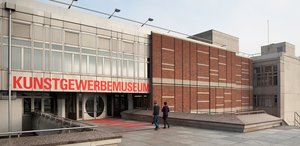
· Kunstgewerbemuseum, Berlijn

This high-heeled sandal with tapered closed toe has a raised heel cap that ends in a loop at the back of the leg. Leather pieces that attach at the sides are crossed in front of the ankle, led through the loop at the heel and knotted. The platform sole, bevelled at the toe, and the high inward set curve of the heel lend the shoe a sculptural appearance. Dutch shoe…

10
Untitled (AQZVBN) (1900) door Frits Jansen

Untitled (AQZVBN)

1900

Untitled (AQZVBN) by Frits Jansen: A Glimpse into Inner Turmoil Subject & Description: This compelling portrait, titled "Untitled (AQZVBN)," presents a woman with brown hair clad in a simple white dress. The focal point is her downward gaze and the subtle suggestion of a frown or deep contemplation etched upon her face. The close-up composition emphasizes the nuances of her expression, conveying a sense of distress, introspection, or perhaps quiet…

De onderwerpen die de aandacht van Frits Jansen troffen

De vier onderwerpen die het meest voorkomen in deze originelen, elk met zijn mooiste voorbeeld.

De musea waar de originele werken van Frits Jansen worden bewaard

De 4 musea met de meeste schilderijen op deze pagina.

Museum Stad Werken van Frits Jansen Schilderijen uit deze lijst
Rijksmuseum, AmsterdamRijksmuseum Amsterdam 1 A Summer Afternoon
Museum De Waag, DeventerMuseum De Waag Deventer 1 Path through Cornfield with Wildflowers
University of Pretoria Museums, TshwaneUniversity of Pretoria Museums Tshwane 1 Dutch Delft De Porceleyne Fles plate
Kunstgewerbemuseum, BerlijnKunstgewerbemuseum Berlijn 1 “Stir My Blood” High-heeled Sandal

Frits Jansen door de decennia heen: elk een uniek origineel

Werken per decennium

Kies een decennium om het origineel te zien dat dit tijdperk definieert.

Schilderijen van Frits Jansen: vragen voor de galerie

Wat is het bekendste werk van Frits Jansen?Onthul het antwoord

A Summer Afternoon (1880), Rijksmuseum, Amsterdam. Path through Cornfield with Wildflowers en Untitled (AQZVBJ) (1900) volgen.

Op welke leeftijd creëerde Frits Jansen A Summer Afternoon?Onthul het antwoord

24 jaar oud: A Summer Afternoon dateert uit 1880, en Frits Jansen werd geboren in 1856.

Welke tien schilderijen van Frits Jansen zijn het meest bekend?Onthul het antwoord

A Summer Afternoon, Path through Cornfield with Wildflowers, Untitled (AQZVBJ), Untitled (AQZVBQ), Untitled (AQZVBL), Dutch Delft De Porceleyne Fles plate, “Stir My Blood” High-heeled Sandal, Untitled (AQZVBS), Untitled (AQZVBU) en Untitled (AQZVBN). De bovenstaande ranglijst vermeldt het jaar en het museum van elk werk.

Hoeveel werken van Frits Jansen zijn er bekend?Onthul het antwoord

Onze catalogus bevat 10 werken van Frits Jansen, daterend van 1880 tot 1917.

Waar kunnen de beroemdste originelen van Frits Jansen worden bekeken?Onthul het antwoord

Voornamelijk in Rijksmuseum (Amsterdam), Museum De Waag (Deventer) en University of Pretoria Museums (Tshwane). De bovenstaande museumtabel bevat een volledig overzicht.

In welke periode creëerde Frits Jansen de bekendste schilderijen?Onthul het antwoord

In 1900s: 4 van de 10 werken op deze pagina werden toen gemaakt, waaronder Untitled (AQZVBJ).

Welk beroemd schilderij van Frits Jansen is de vroegste, en welke de laatste?Onthul het antwoord

Op deze pagina is het vroegste A Summer Afternoon (1880) en het laatste Dutch Delft De Porceleyne Fles plate (1917).

Frits Jansen: een portret van de kunstenaar

Frits Jansen: A Dutch Master of Atmospheric Realism

Frits Jansen (1856-1928) stands as a significant, yet often underappreciated, figure in the landscape of late 19th and early 20th century Dutch art. Born in The Hague, his artistic journey wasn’t one of formal academic training but rather a deeply personal exploration fueled by observation and an innate sensitivity to light and atmosphere. While he initially studied at the Hague Academy of Arts, Jansen quickly realized that traditional instruction didn't align with his vision, leading him to pursue independent study and develop a distinctive style characterized by poetic realism and a profound understanding of color.

Jansen’s early works were largely focused on capturing the everyday life of Dutch citizens – scenes of market days, leisurely gatherings in public squares, and intimate portraits. However, it was his depictions of New York City during the winter months that truly cemented his reputation. These paintings, often rendered in muted tones and layered with snow, captured a melancholic beauty, reflecting both the grandeur and the isolation of urban life. He wasn’t simply documenting a city; he was conveying an emotional response to its atmosphere – a sense of quiet contemplation amidst bustling activity.

The Influence of Impressionism and Symbolism

Jansen's artistic development reveals a fascinating interplay between influences. While firmly rooted in the Dutch tradition, particularly the realism championed by artists like Anton Mauve, he was deeply impacted by the burgeoning Impressionist movement in France. The emphasis on capturing fleeting moments of light and color, as seen in the works of Monet and Renoir, is evident in Jansen’s approach to depicting atmospheric effects. Furthermore, elements of Symbolism – a fascination with mood, emotion, and subjective experience – subtly permeate his work, particularly in his use of symbolism and evocative imagery.

He was also influenced by the works of artists like Albert Pinkham Ryder, whose moody landscapes and exploration of light and shadow resonated deeply with Jansen’s own artistic sensibilities. Jansen's ability to translate these influences into a uniquely personal style is what sets his work apart – he didn’t merely imitate; he absorbed and reinterpreted, creating something entirely new.

Technique and Style: Light, Color, and Texture

Jansen’s technique was characterized by meticulous observation and a masterful control of color. He employed a layered approach to painting, building up tones gradually through numerous thin glazes – a method that allowed him to achieve remarkable luminosity and depth. His use of light was particularly noteworthy; he wasn't interested in simply representing the appearance of light but rather conveying its emotional impact on the scene. He often worked *en plein air* (outdoors) to directly observe and capture the nuances of natural light.

Texture played a crucial role in his work, too. He skillfully rendered the rough surfaces of cobblestone streets, the glistening snowdrifts, and the folds of clothing with remarkable detail. His brushwork was often loose and expressive, contributing to the overall sense of atmosphere and movement. The combination of these elements – light, color, and texture – created paintings that were both visually stunning and emotionally resonant.

Major Works and Legacy

Among Jansen’s most celebrated works are his series of winter scenes in New York City, including “A Winter Afternoon” (1897) and "Snowy Street" (1898). These paintings, now housed in prominent museums worldwide, exemplify his mastery of atmospheric realism. He also produced a significant body of work depicting Dutch landscapes and portraits, showcasing his versatility as an artist.

Despite not achieving widespread fame during his lifetime, Frits Jansen’s legacy has grown steadily over the years. His paintings are now recognized for their poetic beauty, emotional depth, and technical brilliance. He is considered a key figure in the development of Dutch realism and a significant contributor to the broader European art scene. His work continues to inspire artists today with its evocative portrayal of light, atmosphere, and the human experience.

Further Exploration

  • Key Museums:** The Mauritshuis (The Hague), Rijksmuseum (Amsterdam), Metropolitan Museum of Art (New York)
  • Notable Publications:* “Frits Jansen: A Dutch Master” by Jan Willem van der Heijden
  • Online Resources: Search for “Frits Jansen” on art databases like Artnet and MutualArt to explore his complete oeuvre.