
 Voorvertoning
 Verstuur
 Delen
Delen
 Details bekijken
 Gids
Gids

 Download
 Vergelijkbare items
 Röntgenonderzoek
 Diavoorstelling
 Q&A
Q&A Statistieken
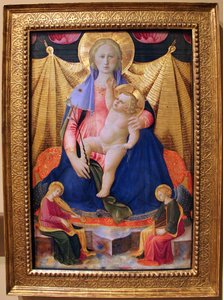
Madonna and Child with Angels

- 138.0 x 127.0 cm


 Lees meer
Giclée / Kunstafdrukken
Giclée- of canvasafdruk van museumkwaliteit met een snelle productie en flexibele afwerkingsmogelijkheden. ( Bestel handgeschilderde reproductie Schakel over naar digitale afbeeldingen)




P118B €10

P118H €10

P118W €10

P438Z €10

P508JH €12

P508YH €12

P805H €10

P805Z €10

P919BZ €10

P919G €10

P919XJ €10

P959ZH €10

P968JZ €12

W106C €8

W218G €10

W218JH €8

W218Y €10

W307PJ €10

W316G €10

W316PJ €8

W316Y €10

W398PJ €8

W4111J €10

W500HY €15

W500JH €15

W692G €12

W849H €8

W940BG €15

W953PJ €8




Kies uit onze vooraf ingestelde maten die overeenkomen met de originele verhoudingen van het kunstwerk.

Voer de gewenste breedte en hoogte in, passend bij uw lijst of muur. Een afdruk kan alleen worden ingekort en nooit groter worden gemaakt dan het origineel; een formaat met andere verhoudingen zal daarom een deel van de afbeelding verliezen. Wij sturen u een digitaal mockup ter goedkeuring voordat we tot drukwerk overgaan. De afbeelding op deze pagina toont niet de werkelijke uitsnede — dit is alleen te zien op het mockup.
Wereldwijde levering () binnen 2 weken in plaats van de standaard 4/5 weken. (3 november)

Gratis wereldwijde expressverzending

Hoogwaardig linnen canvas

Volledige verzendverzekering

Garantie op terugbetaling van invoerrechten

Garantie op exacte kleurweergave

Retourbeleid van 100 dagen (alleen bij defecten)

100% Geld-terug-garantie

Korting bij meerdere afnames
 De optie voor glas is alleen beschikbaar bij een formaat kleiner dan 110 cm.

Madonna and Child with Angels
Giclée / Kunstafdrukken
Afmetingen reproductie
-


Eindtotaal
€ 72
A Vision of Divine Grace: Zanobi Strozzi's Madonna and Child with Angels
To gaze upon this masterpiece by Zanobi Strozzi is to step directly into the luminous heart of the Early Renaissance. The scene unfolds with an almost palpable sense of sacred tranquility, centering on the Virgin Mary cradling the divine presence of the Christ Child. It is more than a mere portrait; it is a profound meditation on motherhood, divinity, and eternal love. Strozzi masterfully captures that delicate balance between earthly tenderness and heavenly majesty. The composition draws the eye immediately to the intimate connection between mother and child, while the surrounding angels act as celestial witnesses, their presence elevating the moment from a private embrace to a universal testament of faith.
Technique and Luminous Detail
Strozzi’s handling of paint speaks volumes about his technical brilliance. The rich, vibrant palette employed throughout the work bathes the figures in an ethereal glow, suggesting both the warmth of human connection and the cool luminescence of divine light. One can observe the meticulous detail in the drapery folds, which fall with a naturalistic weight, contrasting beautifully against the brilliant, golden background. This use of gold is not merely decorative; it functions symbolically, separating the sacred space from the mundane world and suggesting an eternal realm beyond time. The close-up view allows us to appreciate the subtle gradations of color—the soft blush on Mary’s cheek, the gentle curve of Jesus' hand—all rendered with a painterly finesse characteristic of Florentine masters navigating the transition into High Renaissance ideals.
Symbolism and Spiritual Resonance
The symbolism woven into this canvas is deeply rich for the art connoisseur. The prominent cross positioned above the figures serves as an unmistakable anchor to Christian doctrine, reminding the viewer that within this moment of serene beauty lies the promise of sacrifice and resurrection. The angels surrounding the central figures are not just decorative elements; they embody divine protection and guidance, acting as intermediaries between humanity and the heavenly court. For the collector or decorator, owning a reproduction of this piece means acquiring more than just art; it is acquiring a focal point for contemplation—a visual prayer that imbues any room with an atmosphere of profound spirituality and enduring grace.
Historical Context and Enduring Appeal
Painted in 1434, this work places Strozzi at the zenith of his artistic career during Florence's burgeoning Renaissance spirit. While the era was marked by intense humanism and intellectual rebirth, religious devotion remained the bedrock of life. Strozzi’s ability to fuse the emerging naturalism—the believable weight of flesh and fabric—with deeply ingrained spiritual iconography makes this piece timeless. It speaks to a period where art served as both high craft and sacred narrative. For modern admirers, it offers an unparalleled connection to the genius of the Quattrocento masters, providing a breathtaking focal point that whispers tales of faith across the centuries.
Veelgestelde vragen
Hoe verhoudt het onderwerp van "Madonna and Child with Angels" zich tot de gebruikelijke thema's van Zanobi Strozzi?
"Madonna and Child with Angels" verbeeldt madonna and child, angels, religious art, christianity, renaissance, cross, virgin mary, terwijl de bekende thema's van Zanobi Strozzi florentine renaissance style influences, christian devotion and divinity themes, early devotional panel painting work zijn. Een vergelijking tussen beide laat zien hoe het werk zich verhoudt tot de gebruikelijke onderwerpen van de kunstenaar.
Hoeveel licht lijken de kleuren van "Madonna and Child with Angels" te reflecteren?
De kleuren van "Madonna and Child with Angels" hebben een luminantie van Soft Shadow.
Welke kleur domineert de compositie van "Madonna and Child with Angels" door Zanobi Strozzi?
De dominante kleur van "Madonna and Child with Angels" door Zanobi Strozzi is Phthalo Green (#0f171d).
Biografie kunstenaar
De Florentijnse Visionair: Het Leven en de Nalatenschap van Zanobi Strozzi
In het gouden tijdperk van de Florentijnse Renaissance, waarin licht en schaduw begonnen te dansen met een nieuw ontdekte humanistische diepgang, verscheen de naam Zanobi Strozzi als een vitale draad in het artistieke weefsel van de stad. Geboren in 1412 in de illustere familie Strozzi, werd het vroege leven van Zanobi gevormd door de diepgaande politieke verschuivingen in Florence. Hoewel zijn afkomst hem met de adel verbond, dwong de voortijdige dood van zijn vader, toen Zanobi pas vijftien jaar oud was, hem naar een ander soort lot. Deze periode van persoonlijk verlies leidde hem naar de transformerende omhelzing van een meesterproef onder Battista di Biadlo Sanguigni, een mentorschap dat uiteindelijk zijn hand zou verfijnen en hem de technische precisie zou bijbrengen die nodig was om de delicate kunst van manuscriptverluchting en paneelschilderkunst te beheersen.
Strozzi's artistieke evolutie was diep verweven met de spirituele en esthetische stromingen van zijn tijd. Zijn meest betekenisvolle connectie was echter zijn band met de vereerde Fra Angelico. Als leerling binnen deze invloedrijke kring imiteerde Strozzi de meester niet louter; hij absorbeerde een diep gevoel van devotie en een lumineuze benadering van kleur die de kenmerken van zijn eigen stijl zouden worden. Deze relatie maakte een prachtige stilistische convergentie mogelijk, waarbij het etherische, goddelijke licht dat zo karakteristiek was voor Fra Angelico, samensmolt met Strozzi's minutieuze aandacht voor detail. Zijn werk overbrugde vaak de kloof tussen de intieme, miniatuurwerelden van verluchte manuscripten en de grootschalige, emotionele aanwezigheid van religieuze altaarstukken.
Meesterschap in Detail en Devotionele Schoonheid
De breedte van Strozzi's talent is het meest evident in zijn vermogen om diverse media met gelijke gratie te hanteren. Hij was een meester in tempera op paneel, een medium dat immense geduld en een vaste hand vereiste om de levendige, juweelachtige tinten te bereiken die te zien zijn in zijn religieuze werken. Zijn repertoire omvatte verschillende belangrijke altaarstukken en aangrijpende afbeeldingen van de Maagd en Kind, stukken die bedoeld waren om een diepe spirituele reflectie bij de toeschouwer op te roepen. In deze werken maakte Strozzi gebruik van de vroeg-Florentijnse Renaissancestijl om verhalen van geloof te weven, waarbij hij zachte overgangen en ingewikkelde patronen gebruikte om leven te blazen in heilige figuren.
Naast de grotere panelen bereikte Strozzi een legendarische status door zijn bijdragen aan de manuscriptverluchting. Zijn vermogen om kleine ruimtes te beheersen, stelde hem in staat om miniatuurwerelden van adembenemende complexiteit te creëren. Enkele van zijn meest opmerkelijke artistieke prestaties zijn:
- Sint Cosmas en Damian gered van verdrinking: Een meesterwerk uit 1435 dat een aangrijpend moment van goddelijke interventie vastlegt, en zijn vaardigheid toont in het afbeelden van gemeenschappelijk geloof en dramatische beweging.
- Sint Agnes: Gecreëerd in 1448, dit werk is een voorbeeld van zijn vermogen om serene profielportretten weer te geven tegen een achtergrond van wervelende, decoratieve patronen die de elegantie van de periode benadrukken.
- Getijdenboek voor het gebruik van Rome: Een getuigenis van zijn vakmanschap als verluchter, waarbij elk folio dient als een venster naar het minutieuze handwerk van het Florentijnse scriptorium.
Een Blijvende Indruk op de Renaissance
De historische betekenis van Zanobi Strozzi ligt in zijn rol als brug tussen de middeente traditie van decoratieve verluchting en de opkomende focus van de Renaissance op menselijke emotie en naturalisme. Hoewel veel van zijn werk bestemd was voor private devotie binnen de grandioze residenties van Florence, rimpelde zijn invloed door de ateliers van de stad. Hij hielp een specifiek type Florentijnse schoonheid te verspreiden—een schoonheid die zowel intellectueel rigoureus als emotioneel toegankelijk was. Door zijn handen werden de heilige verhalen van de heiligen en de Maagd weergegeven met een helderheid en levendigheid die de essentie van de Quattrocento-geest vingen.
Hoewel hij in 1468 overleed en een nalatenschap achterliet die gegraveerd staat in bladgoud en tempera, blijft Strozzi een symbool van het vermogen van de kunstenaar om diepe betekenis te vinden in het kleine. Zijn leven, gekenmerkt door de transitie van een adellijke wees naar een gevierd meester, weerspiegelt de transformatie van Florence zelf: een reis van de gestructureerde tradities van het verleden naar de lumineuze, mensgerichte briljantie van de Renaissance.
Zanobi Strozzi
1412 - 1468 , Italië
Belangrijkste feiten
- Artistic Movement Or Style: Vroege Renaissance
- Artists Or Movements Influenced By This Artist: ['Byzantijns']
- Artists Who Influenced This Artist: ['Fra Angelico']
- Date Of Birth: 17 november 1412
- Date Of Death: 6 december 1468
- Full Name: Zanobi di Benedetto di Caroccio degli Strozzi
- Nationality: Italiaanse Renaissance
- Notable Artworks:
- Sint Agnes
- Getijdenboek voor het gebruik van Rome
- De Annunciatie
- Place Of Birth: Florence, Italië
Gerelateerde artikelen

Sandro Botticelli's Top 25 Meesterwerken: Kunst voor uw Interieur | OriginalUniqueArt.nl
Ontdek de 25 mooiste meesterwerken van Sandro Botticelli! Duik in de Renaissance, bewonder 'De Geboorte van Venus' & 'Primavera'. Museumkwaliteit reproducties voor uw interieur. Bekijk de collectie op OriginalUniqueArt.com.
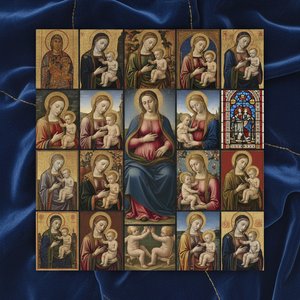
Divine Love: A Curated Guide to the Most Iconic Madonna and Child Masterpieces in Art History
Embark on a sophisticated journey through art history with our curated guide to the most iconic Madonna and Child masterpieces. Discover the profound beauty, theological depth, and enduring legacy of these sacred Renaissance treasures.
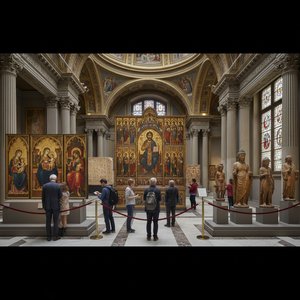
Sacred Narratives Embodied: A Comprehensive Exploration of Religious Iconography in Art History
Explore the rich history of religious iconography in art! Discover symbolism, movements & masterpieces from Byzantine to Renaissance periods. Expert insights for collectors and enthusiasts at OriginalUniqueArt.
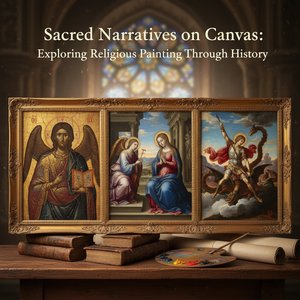
Sacred Narratives on Canvas: Exploring Religious Painting Through History
Explore the rich history of religious painting with OriginalUniqueArt.com! Discover iconic artworks, symbolism & techniques from antiquity to the Renaissance. Enhance your art appreciation today.

Raphael's Meesterwerken: 25 Iconische Kunstwerken voor uw Interieur | OriginalUniqueArt
Ontdek de 25 meest iconische meesterwerken van Raphael! Duik in de Renaissance kunst, bewonder zijn portretten & religieuze schilderijen. Hoogwaardige reproducties voor uw interieur op OriginalUniqueArt.com.