
 Bekijk op ware grootte
 Verstuur
 Delen
Delen
 Details bekijken

 Download
 Vergelijkbare werken
 Röntgenonderzoek
 Diavoorstelling
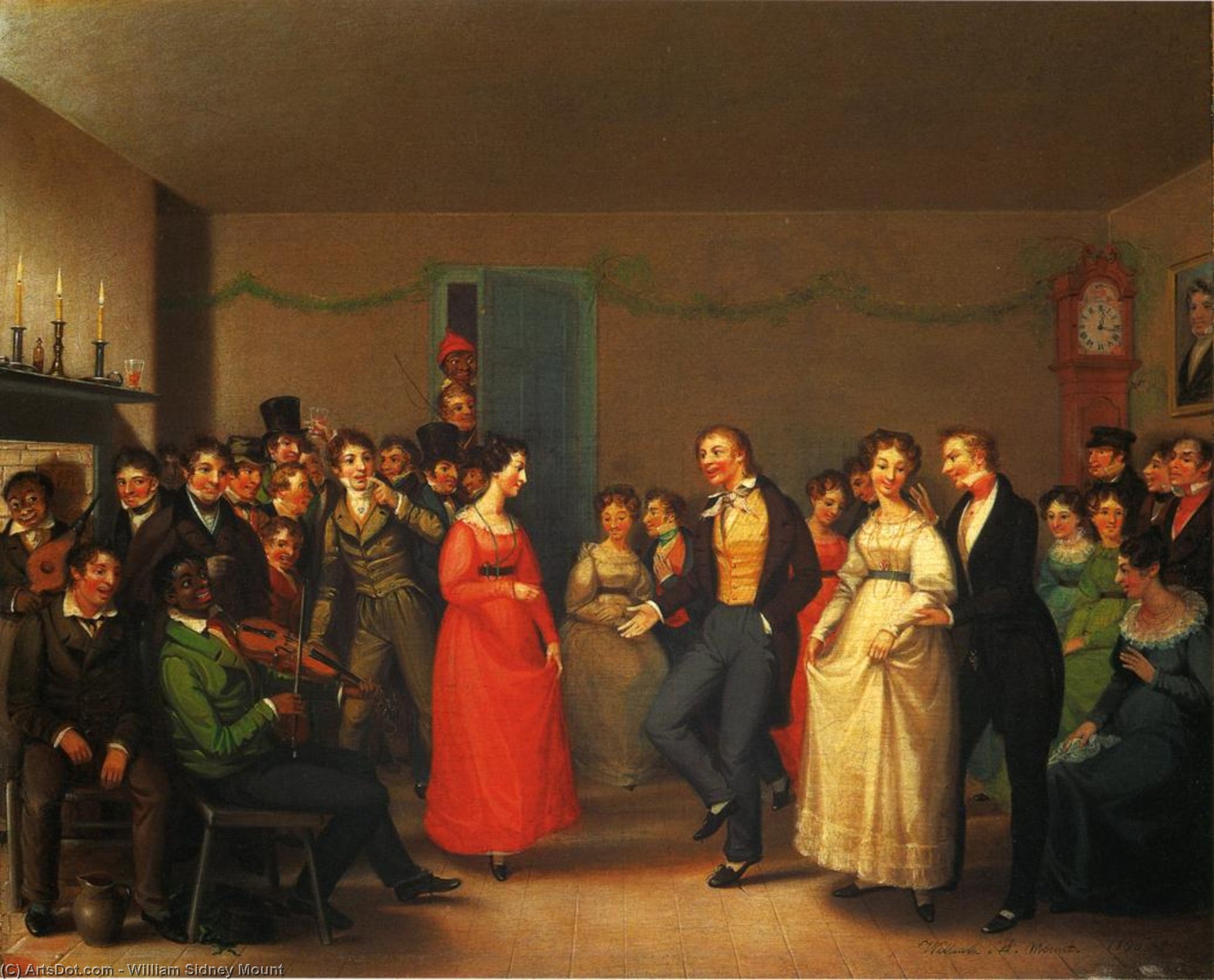
Rustic Dance After a Sleigh Ride


 Lees meer
Giclée / Kunstafdrukken
Giclée- of canvasafdruk van museumkwaliteit met een snelle productie en flexibele afwerkingsmogelijkheden. ( Handgemaakt schilderij kopen Afbeelding kopen)




P118B $10

P118H $10

P118W $10

P438Z $10

P508JH $12

P508YH $12

P805H $10

P805Z $10

P919BZ $10

P919G $10

P919XJ $10

P959ZH $10

P968JZ $12

W106C $8

W218G $10

W218JH $8

W218Y $10

W307PJ $10

W316G $10

W316PJ $8

W316Y $10

W398PJ $8

W4111J $10

W500HY $15

W500JH $15

W692G $12

W849H $8

W940BG $15

W953PJ $8




Kies uit onze vooraf ingestelde maten die overeenkomen met de originele verhoudingen van het kunstwerk.

U kunt uw eigen afmetingen opgeven om in een specifieke lijst of ruimte te passen. Als de door u gekozen maat niet overeenkomt met de proporties van het originele kunstwerk, zullen wij de afbeelding bijsnijden of uitbreiden met een gespiegelde of effen rand. Een digitaal mockup wordt ter goedkeuring naar u verzonden voordat de productie begint.
Houd er rekening mee dat de preview op het scherm de werkelijke bijsneding of uitbreiding niet weergeeft. Alleen de mockup toont de uiteindelijke compositie nauwkeurig.
Hoewel aangepaste maten beschikbaar zijn, raden wij aan een afmeting uit de vooraf bepaalde lijst te kiezen om de originele proporties te behouden.
Wereldwijde levering () binnen 2 weken in plaats van de standaard 4/5 weken. (12 augustus)

Gratis wereldwijde expressverzending

Hoogwaardig linnen canvas

Volledige verzendverzekering

Garantie op terugbetaling van invoerrechten

Garantie op exacte kleurweergave

60 dagen retourbeleid (alleen bij defecten)

100% Geld-terug-garantie

Korting bij meerdere afnames
 De optie voor glas is alleen beschikbaar bij een formaat kleiner dan 110 cm.

Rustic Dance After a Sleigh Ride
Giclée / Kunstafdrukken
Formaat reproductie
-


Totaalprijs
$ 81
Beschrijving verzamelobject
Rustic Dance After a Sleigh Ride: A Window into 19th-Century American Life
William Sidney Mount’s “Rustic Dance After a Sleigh Ride,” painted in 1830, isn't merely a depiction of a winter gathering; it’s a meticulously crafted tableau that offers a poignant glimpse into the social fabric and evolving attitudes of early America. Housed within the esteemed collection of the Museum of Fine Arts in Boston, this large-scale oil on canvas invites viewers to step back in time and witness a scene brimming with warmth, community, and subtle complexities.
The painting immediately establishes a cozy atmosphere through its warm palette – rich browns, deep reds, and golden yellows dominate, punctuated by the flickering light of a central fireplace. This isn’t a grand ballroom; rather, it's an intimate room, sparsely decorated with a single garland adding a touch of festive cheer. The composition is carefully orchestrated: a woman stands prominently in the center, radiating a quiet authority amidst a lively group of men and women engaged in conversation and what appears to be a spirited dance. A clock on the wall subtly anchors the scene in time, reminding us that this is a specific moment captured for posterity.
The Artist’s Vision: Barbizon Influence and Social Commentary
Mount's work is deeply rooted in the Barbizon School of painting, an influential movement emphasizing realism and a focus on everyday life. This artistic approach, prevalent from 1830 to 1870, championed depicting scenes of rural existence with honesty and detail – a stark contrast to the idealized historical paintings that were then considered the pinnacle of artistic achievement. Mount’s decision to portray this domestic scene, rather than a grand historical event, signaled a shift in American art towards celebrating the lives of ordinary people.
Interestingly, Mount's depiction of African Americans within the painting reveals an evolution in his approach over time. While earlier works might have leaned into stereotypical representations, “Rustic Dance After a Sleigh Ride” presents them with a degree of dignity and integration into the social setting. This reflects a growing awareness and sensitivity regarding racial dynamics during this period – a subtle but significant shift that aligns with broader societal changes.
Details of Technique and Composition
Mount’s technical skill is evident in his masterful rendering of textures and light. The worn wood of the furniture, the plush fabrics of the chairs, and the flickering flames of the fireplace are all depicted with remarkable precision. The figures themselves are rendered with a naturalism that captures their individual personalities – from the animated expressions on the faces of the dancers to the thoughtful gaze of the man observing the scene.
Notice the careful arrangement of the composition, drawing the eye towards the central figure and then branching out to encompass the entire group. The use of diagonals created by the furniture and figures adds dynamism to the scene, while the subtle details – a spilled drink, a folded napkin – contribute to the sense of authenticity. The inclusion of the clock not only establishes time but also subtly suggests the passage of social interaction and shared experience.
Symbolism and Emotional Resonance
Beyond its technical merits, “Rustic Dance After a Sleigh Ride” resonates with viewers on an emotional level. It evokes a sense of nostalgia for a simpler time, a feeling of warmth and connection amidst the bustle of daily life. The scene suggests a moment of respite – a gathering where people can come together to share laughter, conversation, and companionship.
The painting’s enduring appeal lies in its ability to capture not just a specific event but also the spirit of community and the human desire for connection. It's a reminder that even in the midst of change and uncertainty, there is always value to be found in shared experiences and the bonds we forge with one another.
Biografie van de kunstenaar
A Pioneer of American Genre Painting
William Sidney Mount, born November 26, 1807, in the quiet hamlet of Setauket, Long Island, emerged as a pivotal figure in the development of distinctly American art. He wasn’t drawn to the grand historical narratives or formal portraiture favored by many of his contemporaries; instead, Mount turned his keen eye toward the everyday lives unfolding around him – the farmers, musicians, and ordinary folk who populated the rural landscapes of 19th-century Long Island. This dedication to depicting scenes of common life established him as a pioneer of genre painting in America, a style that celebrated the dignity and inherent beauty found within the mundane. His artistic journey was deeply rooted in his upbringing; his father operated a bustling farm, store, and tavern, while his uncle Micah Hawkins was a man of varied talents – a composer, playwright, mimic, and poet – fostering an environment rich with both artistic expression and observation of human character.Early Training and Artistic Awakening
Mount’s initial foray into the art world began not in a formal academy but through an apprenticeship with his older brother, Henry Smith Mount, a sign painter in New York City. This practical training honed his skills in draftsmanship and painting technique, providing a solid foundation for future endeavors. However, it was a visit to the American Academy of the Fine Arts exhibition in 1825 that truly ignited his artistic passion. Immersed in the works of established artists—Benjamin West and William Hogarth notably influenced him—Mount experienced an awakening, shifting his focus from historical painting toward capturing authentic moments from everyday life. He established his own studio in New York City in 1829, a significant step towards independence and solidifying his commitment to pursuing art as a profession. Though initially experimenting with historical subjects like *Christ Raising the Daughter of Jairus* (1828), Mount soon recognized that his true calling lay in portraying the world he knew best: the rural life of Long Island. He possessed an extraordinary ability to transform ordinary scenes into canvases brimming with emotion and detail, reflecting a profound understanding of human psychology.Capturing Rural Life with Realism and Warmth
Mount’s artistic style is characterized by an unwavering realism coupled with a remarkable ability to infuse his scenes with warmth and humor. He didn't idealize rural life; rather, he presented it as it was – full of both labor and leisure, hardship and joy. His attention to detail is meticulous, from the textures of clothing to the expressions on faces, creating a sense of immediacy and authenticity. *Dancing on Barn Floor* (1831), one of his early successes, exemplifies this approach; it’s a lively depiction of a rural dance, brimming with energy and capturing the spirit of communal celebration. Later works like *The Banjo Player* (1856) demonstrate not only his technical skill but also a profound sensitivity to his subjects. This poignant portrait of an African American musician is particularly noteworthy for its dignified portrayal, challenging prevailing stereotypes of the time. Other notable paintings include *The Long Story*, *Right and Left*, and *Loss and Gain*, each offering a glimpse into the lives and experiences of ordinary Americans. He skillfully captured the nuances of human interaction and emotion, elevating these seemingly simple subjects to levels of artistic grandeur.Innovation Beyond the Canvas
Mount’s creativity extended beyond painting; he was also an accomplished musician and inventor. He played the fiddle with skill, composed music, and dedicated considerable time to designing his own version of the violin—affectionately named “Cradle of Harmony”—demonstrating a remarkable spirit of innovation. This passion for music frequently found its way into his artwork, with many paintings featuring musicians or scenes of musical performance. In 1860, Mount constructed a portable studio within a horse-drawn wagon – a bold decision that allowed him to travel freely throughout Long Island and capture spontaneous moments as they unfolded. It was a testament to his dedication to authenticity and his desire to connect with the people he depicted. This unconventional method underscored his belief in observing life directly and translating its essence onto canvas.Legacy and Enduring Influence
William Sidney Mount passed away on November 19, 1868, in his beloved Setauket, Long Island, leaving behind a rich artistic legacy that continues to resonate today. His pioneering work in genre painting helped establish it as a significant force within the American art landscape, paving the way for future generations of artists who sought to capture the dignity and beauty found within the everyday lives of ordinary people. He is remembered not only for his technical skill and realistic depictions but also for his compassionate portrayal of rural life—a celebration of human connection and resilience. His home and studio are now designated as a National Historic Landmark, preserving his creative space as a testament to his enduring influence. Mount’s paintings offer a valuable window into 19th-century American culture, reminding us that true artistry lies in recognizing the profound beauty hidden within the simplest moments of existence. He truly transformed ordinary scenes into canvases brimming with emotion and detail—a legacy that continues to inspire artists today.
William Sidney Mount
1807 - 1868 , Verenigde Staten van Amerika
Snelle feiten
- Artistic Movement Or Style: Genre schilderkunst, Realisme
- Artists Or Movements Influenced By This Artist: ['Amerikaanse Genre Schilderkunst']
- Artists Who Influenced This Artist:
- Benjamin West
- William Hogarth
- Date Of Birth: November 26, 1807
- Date Of Death: November 19, 1868
- Full Name: William Sidney Mount
- Nationality: Amerikaans
- Notable Artworks:
- De Banjospeler
- Het Lange Verhaal
- Dansen op Een Schuurvloer
- Rechts en Links
- Place Of Birth: Setauket, USA
Gerelateerde artikelen

Grant Wood & American Regionalism: Identity, Myth & the Rural Landscape
Explore the world of Grant Wood & American Regionalism with OriginalUniqueArt. Discover the symbolism behind 'American Gothic', recurring themes, and the movement's lasting impact on art history. High-quality reproductions available.

The Rhythmic Canvas: Exploring Representations of Dance Across Art History
Explore the captivating history of dance in art! From Degas' ballet scenes to abstract expressions, discover how artists have captured movement and cultural significance across time. Expert insights for collectors & enthusiasts.

Top 10 Meesterwerken van het Amerikaans Realisme | Kunst & Decoratie
Ontdek de 10 meest iconische meesterwerken van het Amerikaans Realisme! Van Edward Hopper tot Andrew Wyeth, leer over de kunstenaars en hun tijdloze schilderijen. Vind museumkwaliteit reproducties & decoratie op OriginalUniqueArt.com.
William H. Johnson: A Life Painted in Bold Strokes – Race, Identity & Modernism
Explore the powerful life & art of William H. Johnson – a pivotal American painter who captured African American experiences with bold expressionism and folk art style. Discover his legacy at OriginalUniqueArt.

American Regionalism: The Soul of the Heartland and the Mastery of Grant Wood
Explore the profound history of American Regionalism. Discover how Grant Wood captured the heart of the Midwest through masterpieces like American Gothic. An expert guide to the movement, its cultural impact, and the enduring beauty of American Realism.

