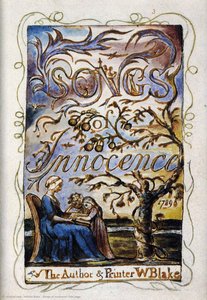
Voorvertoning
 Verstuur
 Delen
Delen
 Details bekijken
 Gids
Gids

 Download
 Vergelijkbare items
 Röntgenonderzoek
 Diavoorstelling
 Vraag & antwoord
 Statistieken
Nebukadnezar

- 446.0 x 620.0 cm


 Lees meer
Giclée / Kunstafdrukken
Giclée- of canvasafdruk van museumkwaliteit met een snelle productie en flexibele afwerkingsmogelijkheden. ( Bestel handgeschilderde reproductie Schakel over naar digitale afbeeldingen)




P118B €10

P118H €10

P118W €10

P438Z €10

P508JH €12

P508YH €12

P805H €10

P805Z €10

P919BZ €10

P919G €10

P919XJ €10

P959ZH €10

P968JZ €12

W106C €8

W218G €10

W218JH €8

W218Y €10

W307PJ €10

W316G €10

W316PJ €8

W316Y €10

W398PJ €8

W4111J €10

W500HY €15

W500JH €15

W692G €12

W849H €8

W940BG €15

W953PJ €8




Kies uit onze vooraf ingestelde maten die overeenkomen met de originele verhoudingen van het kunstwerk.

Voer de gewenste breedte en hoogte in, passend bij uw lijst of muur. Een afdruk kan alleen worden ingekort en nooit groter worden gemaakt dan het origineel; een formaat met andere verhoudingen zal daarom een deel van de afbeelding verliezen. Wij sturen u een digitaal mockup ter goedkeuring voordat we tot drukwerk overgaan. De afbeelding op deze pagina toont niet de werkelijke uitsnede — dit is alleen te zien op het mockup.
Wereldwijde levering () binnen 2 weken in plaats van de standaard 4/5 weken. (9 november)

Gratis wereldwijde expressverzending

Hoogwaardig linnen canvas

Volledige verzendverzekering

Garantie op terugbetaling van invoerrechten

Garantie op exacte kleurweergave

Retourbeleid van 100 dagen (alleen bij defecten)

100% Geld-terug-garantie

Korting bij meerdere afnames
 De optie voor glas is alleen beschikbaar bij een formaat kleiner dan 110 cm.

Nebukadnezar
Giclée / Kunstafdrukken
Afmetingen reproductie
-


Eindtotaal
€ 72
Een Portret van Spirituele Strijd: Een Verkenning van William Blakes Nebukadnezar
William Blakes "Nebukadnezar", voltooid in 1795, staat als een spookachtig testament voor de diepgaande betrokkenheid van de kunstenaar bij bijbelse profetie en zijn zeer persoonlijke verkenning van geloof en twijfel. Meer dan slechts een afbeelding van een man die knielt in gebed—hoewel die houding onmiskenbaar de compositie domineert—duikt het schilderij in lagen van psychologische complexiteit en symbolische resonantie, wat het een vaste plek geeft onder de meest iconische werken van Blake. De centrale figuur belichaamt Nebukadnezar II, koning van Babylon, een bijbelse monarch die bekend staat om zijn verzet tegen goddelijke autoriteit. Blake portretteert hem in een pijnlijke positie—knielend op de grond met uitgestrekte handen—een gebaar dat spreekt van kwetsbaarheid en smeekbede. Om hem heen bevinden zich twee kleinere figuren, vermoedelijk engelen of boodschappers, gepositioneerd boven en links van hem, wat de kloof tussen aardse lijdensweg en hemelse genade benadrukt. Blakes kenmerkende Romantische stijl is direct herkenbaar aan zijn meesterlijke gebruik van ets en aquatint—een techniek die hij pionierde—waardoor ongelooflijke tonale gradaties en texturele details mogelijk werden. De kunstenaar heeft de grotachtige setting met uiterste precisie weergegeven, waarbij hij subtiele schaduwen gebruikte om een gevoel van claustrofobie en isolatie op te roepen. Deze minutieuze aandacht voor detail onderstreept Blakes toewijding aan het vastleggen van niet alleen visuele verschijningsvormen, maar ook emotionele staten.Historische Context: Profetie en Twijfel in het Verlichte Engeland
"Nebukadnezar" ontstond tijdens een periode van grote intellectuele fermentatie—de Verlichting—waarin rede en wetenschappelijke nieuwsgierigheid het traditionele religieuze dogma uitdaagden. Het werk van Blake weerspiegelt deze spanning en worstelt met de vragen van geloof versus scepsis. Het bijbelse verhaal zelf diende als inspiratie voor Blakes contemplatie over de aard van het goddelijk oordeel en de menselijke verantwoordelijkheid. Hij illustreerde niet simpelweg de Schrift; hij vocht met de implicaties ervan voor zijn eigen spirituele overtuigingen. De grot symboliseert de innerlijke onrust die Nebukadnezar ervaart, een spiegel van Blakes eigen angsten over het verzoenen van geloof en rede. De engelen vertegenwoordigen goddelijke mededogen en bieden troost te midden van wanhoop—een terugkerend motief in het oeuvre van Blake. Bovendien duidt de knielende houding op nederigheid voor God, maar brengt het tegelijkertijd een tastbaar gevoel van angst met zich mee. "Nebukadnezar" communiceert krachtig gevoelens van verdriet, kwetsbaarheid en spirituele strijd. Blakes expressieve gebruik van lijn en tonale variatie legt het psychologische drama vast dat zich in de scène ontvouwt—waardoor de kijker wordt meegezogen in de gekwelde gemoedstoestand van Nebukadnezar. Het is een portret niet alleen van een bijbelse koning, maar ook van de menselijke conditie zelf.Blakes Revolutionaire Grafische Benadering
Blakes innovatieve gebruik van ets en aquatint vertegenwoordigt een cruciaal moment in de geschiedenis van de prentkunst. In tegenstelling tot conventionele gravure, die vertrouwt op het insnijden van lijnen in metalen platen, maakt aquatint gebruik van poederhars die op het plaatsoppervlak wordt aangebracht voordat het wordt gepolijst. Dit proces creëert tonale variaties—gradaties van licht en donker—die alles overstijgen wat met louter graveren bereikbaar is. Blakes meesterschap in deze techniek stelde hem in staat beelden te creëren doordrenkt van ademloze subtiliteit en nuance, waardoor de prentkunst werd verheven tot een autonome kunstvorm. "Nebukadnezar" blijft tot op de dag van vandaag resoneren bij het publiek als een symbool van spirituele introspectie en artistieke moed. De blijvende aantrekkingskracht ligt in de bekwaamheid van Blake om complexe theologische ideeën te destilleren tot een visueel meeslepende compositie—een testament aan zijn genie als zowel dichter als schilder.Veelgestelde vragen
Tot welke stijl behoort "Nebukadnezar"?
"Nebukadnezar" is een werk uit de Romantiek. De stroming geeft de artistieke traditie aan waartoe het werk behoort.
Hoe harmonieus is het kleurgebruik in "Nebukadnezar" door William Blake?
De kleuren van "Nebukadnezar" door William Blake vertonen een Zacht gemengd palet harmonie. Harmonie beschrijft de onderlinge relatie tussen de kleuren.
Wat is de reden voor de auteursrechtelijke status van "Nebukadnezar" door William Blake?
De auteursrechtstatus van "Nebukadnezar" - bevindt zich in het publiek domein - de auteursrechten zijn verlopen - is gebaseerd op het overlijden van de kunstenaar in 1827.
Biografie kunstenaar
A Visionary’s Journey: The Life and Art of William Blake
William Blake, born in London on November 28, 1757, was a figure perpetually out of step with his time, yet destined to become one of the most celebrated artists and poets of the Romantic Age. His life unfolded against the backdrop of a rapidly changing England—a world grappling with industrialization, political upheaval, and shifting spiritual beliefs. From humble beginnings as the son of a hosier, Blake’s early years were marked by an intensely vivid imagination and a propensity for visionary experiences that would profoundly shape his artistic trajectory. Though largely self-taught in formal academics, he received drawing instruction at a young age, quickly revealing a talent that hinted at the extraordinary path ahead. His apprenticeship with engraver James Basire proved pivotal, providing him not only with technical mastery but also an understanding of printmaking techniques he would later revolutionize. These early influences—the Gothic grandeur of Westminster Abbey, the classical forms of Raphael and Michelangelo—served as foundational elements in his developing aesthetic, though Blake was never one to remain bound by convention.The Illuminated World: Technique and Innovation
Blake’s artistic innovation wasn't merely about subject matter; it resided fundamentally in *how* he created. Dissatisfied with conventional engraving methods, he developed a unique process known as “illuminated printing.” This involved etching both text and illustrations onto copper plates, then hand-coloring the resulting prints—a laborious but deeply personal approach that allowed for complete artistic control. This wasn’t simply illustration accompanying poetry; it was an integrated art form where image and verse were inextricably linked, each enhancing the meaning of the other. His relief etching technique, born from a claimed visionary experience following his brother's death, further distinguished his work, granting it- A distinctive textural quality
- Greater artistic freedom than traditional methods
Themes of Innocence, Experience, and Rebellion
The core of Blake’s artistic output lies in its exploration of profound themes: the duality of innocence and experience, the constraints of reason versus the liberating power of imagination, and a fierce critique of societal norms.- Songs of Innocence and of Experience (1794), perhaps his most accessible work, presents a contrasting vision of childhood—one idyllic and untainted, the other marked by hardship and corruption.
- The Marriage of Heaven & Hell (1793) is a provocative prose poem that challenges conventional morality, celebrating energy, desire, and rebellion against restrictive doctrines.
- His illustrations for Dante’s *Divine Comedy* showcase his dramatic vision and ability to translate complex narratives into powerful visual imagery.
A Legacy Rediscovered: Blake's Enduring Influence
During his lifetime, William Blake remained largely marginalized, misunderstood by many of his contemporaries. His work was often dismissed as eccentric or even mad. He struggled financially throughout much of his life, relying on commissions and the support of a small circle of patrons like Thomas Butts. However, in the decades following his death on August 12, 1827, Blake’s reputation began to grow steadily. The Pre-Raphaelites, captivated by his visionary style and symbolic imagery, embraced him as a kindred spirit. Later movements—Symbolism and Modernism—found resonance in his emphasis on imagination, subjective experience, and spiritual themes. Blake's influence extends far beyond the realm of art; he inspired writers like Dylan Thomas and poets such as Ted Hughes. Today, William Blake is recognized as a pivotal figure in the Romantic movement, an artist whose work continues to provoke contemplation and inspire creativity—a testament to the enduring power of visionary imagination in confronting societal conventions and exploring the deepest recesses of human consciousness. His unwavering commitment to artistic freedom cemented his place as one of the most original voices of his era.
William Blake
1757 - 1827 , Verenigd Koninkrijk
Belangrijkste feiten
- Artistic Movement Or Style: Romantiek
- Artists Who Influenced This Artist:
- Raphael
- Michelangelo
- Date Of Birth: November 28, 1757
- Date Of Death: August 12, 1827
- Full Name: William Blake
- Nationality: Britse kunstenaar
- Notable Artworks:
- Songs of Innocence & Exp.
- The Tyger
- Jerusalem
- Place Of Birth: London, UK
Gerelateerde artikelen
Top 10 Kunstwerken die Diepe Spirituele Emoties Oproepen | OriginalUniqueArt.nl
Ontdek 10 iconische kunstwerken die diepe spirituele emoties oproepen. Van Van Gogh tot Michelangelo, leer over de verhalen achter deze meesterwerken en vind perfecte wanddecoratie voor een contemplatieve sfeer. Museumkwaliteit reproducties op OriginalUniqueArt.com.

Charles Bird King: Capturing Native American Dignity Through Portraiture & Cultural Exchange
Explore the captivating portraits of Charles Bird King, renowned for his depictions of Native American leaders. Discover the historical context, artistic techniques, and collecting value of these significant 19th-century artworks.

El Greco's Top 25 Meesterwerken: Kunst, Geschiedenis & Decoratie voor Uw Huis
Ontdek de top 25 meesterwerken van El Greco! Duik in het leven en werk van deze renaissance schilder, zijn spirituele kunst & dramatische stijl. Vind museumkwaliteit reproducties voor uw interieur op OriginalUniqueArt.com.
William Trost Richards: Luminism, Spirituality & the American Landscape Tradition
Explore the captivating landscapes of William Trost Richards, a master of Luminism associated with both the Hudson River School & American Pre-Raphaelite movements. Discover his spiritual connection to nature and lasting influence on American art.
Divine Visions: Exploring the Transcendental Power and Symbolism of Spiritual Artworks through History
Embark on a profound journey through art history with our exploration of spiritual artworks. Discover the deep symbolism, emotional resonance, and transcendent power found in sacred Renaissance, Baroque, and Nabis masterpieces curated for the true classical art enthusiast.