Voorvertoning
 Verstuur
 Delen
Delen
 Details bekijken
 Gids
Gids

 Download
 Vergelijkbare items
 Röntgenonderzoek
 Diavoorstelling
 Statistieken
Job's wanhoop

 Lees meer
Giclée / Kunstafdrukken
Giclée- of canvasafdruk van museumkwaliteit met een snelle productie en flexibele afwerkingsmogelijkheden. ( Bestel handgeschilderde reproductie Schakel over naar digitale afbeeldingen)




P118B €10

P118H €10

P118W €10

P438Z €10

P508JH €12

P508YH €12

P805H €10

P805Z €10

P919BZ €10

P919G €10

P919XJ €10

P959ZH €10

P968JZ €12

W106C €8

W218G €10

W218JH €8

W218Y €10

W307PJ €10

W316G €10

W316PJ €8

W316Y €10

W398PJ €8

W4111J €10

W500HY €15

W500JH €15

W692G €12

W849H €8

W940BG €15

W953PJ €8




Kies uit onze vooraf ingestelde maten die overeenkomen met de originele verhoudingen van het kunstwerk.

Voer de gewenste breedte en hoogte in, passend bij uw lijst of muur. Een afdruk kan alleen worden ingekort en nooit groter worden gemaakt dan het origineel; een formaat met andere verhoudingen zal daarom een deel van de afbeelding verliezen. Wij sturen u een digitaal mockup ter goedkeuring voordat we tot drukwerk overgaan. De afbeelding op deze pagina toont niet de werkelijke uitsnede — dit is alleen te zien op het mockup.
Wereldwijde levering () binnen 2 weken in plaats van de standaard 4/5 weken. (28 oktober)

Gratis wereldwijde expressverzending

Hoogwaardig linnen canvas

Volledige verzendverzekering

Garantie op terugbetaling van invoerrechten

Garantie op exacte kleurweergave

Retourbeleid van 100 dagen (alleen bij defecten)

100% Geld-terug-garantie

Korting bij meerdere afnames
 De optie voor glas is alleen beschikbaar bij een formaat kleiner dan 110 cm.

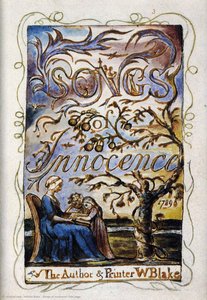
Job's wanhoop
Giclée / Kunstafdrukken
Afmetingen reproductie
-


Eindtotaal
€ 71
Een Portret van lijden en geloof – William Blake’s ‘Job’s Despair’
William Blake staat als een unieke figuur in het Romantische landschap, een kunstenaar wiens verbeelding verder reikte dan conventionele grenzen en wiens poëtische visie nog steeds resoneren bij het publiek van vandaag. “Job’s Despair”, geschapen rond 1825 en later heruitgegeven in 1874, toont zijn ongeëvenaarde vermogen om diepgaande filosofische concepten te destilleren tot adembenemende visuele vormen. Deze monumentale gravure op papier, prominent tentoongesteld binnen de Tate Collection (Meer informatie), gaat verder dan een simpele weergave; het is een onderdompeling in Blake’s diepgevoelde contemplatie van menselijke veerkracht in het aangezicht van tegenspoed.
De Artistieke Innovatie van Blake
Blake’s kenmerkende stijl – gekenmerkt door een fusie van Romantische idealisme en ingewikkelde symboliek – onderscheidt “Job’s Despair” onmiddellijk. Anders dan vele van zijn tijdgenoten die de voorkeur gaven aan realistische portretten, gebruikte Blake bewust gestileerde vormen en expressieve kleuren om emotionele intensiteit over te brengen. Het minutieuze detail in de weergave van het bergachtige achtergrond benadrukt Blake’s fascinatie met de natuur als bron van spirituele inspiratie – een spiegeling van de bredere Romantische bezighouding met sublieme landschappen.
Techniek en Materiaaloverwegingen
Uitgevoerd in olieverf, toont “Job’s Despair” Blake’s meesterschap in gravuretechnieken. De kunstenaar maakte hierbij gebruik van zandstralen en houtsnijwerk om indrukwekkende toonvariaties en textuurnuances te bereiken, wat resulteerde in een afbeelding die zowel visueel grandeur heeft als tastbare emotionele diepte. Dit zorgvuldige proces weerspiegelt Blake’s onwrikbare toewijding aan artistieke precisie en zijn wens om de essentie van menselijke ervaringen vast te leggen met ongebroken nauwkeurigheid.
Symboliek: Lagen van Betekenis
De compositie zelf is doordrenkt van symbolische betekenis. De drie figuren – die Job, zijn troostlieden en God voorstellen – voeren een dialoog uit vol verdriet en onzekerheid. De aanwezigheid van een klok dient als een aangrijpend herinnering aan mortaliteit en de vlugge gang van de tijd, waardoor kijkers worden uitgenodigd om na te denken over de grotere vragen rondom geloof, lijden en verlossing. Blake’s meesterlijke gebruik van visuele metaforen verheft “Job’s Despair” boven een eenvoudige narratieve scène tot een tijdloze meditatie over de menselijke conditie.
Een Erfenis die Inspiratie Blijft
“Job’s Despair” bevindt zich binnen het Metropolitan Museum of Art (Verder verkennen), naast vele andere Blake-kunstwerken, en bevestigt daarmee zijn plaats als een hoeksteen van de Romantische kunstgeschiedenis. Zijn blijvende aantrekkingskracht komt voort uit zijn vermogen om contemplatie te wekken en empathie op te roepen – kwaliteiten die blijven boeien verzamelaars en inspireren kunstenaars over de hele wereld. Overweeg een hoogwaardige reproductie aan te laten maken bij OriginalUniqueArt om dit iconische meesterwerk in uw huis of studio te brengen.
Veelgestelde vragen
Zijn er werken die lijken op "Job's wanhoop"?
Op de Vergelijkbare werken-pagina van dit kunstwerk vindt u vergelijkbare werken als "Job's wanhoop" door William Blake.
Waar kan ik een digitale afbeelding van "Job's wanhoop" door William Blake kopen?
Een digitale afbeelding van "Job's wanhoop" door William Blake is verkrijgbaar op de Digitale afbeelding pagina: een digitale afbeelding in hoge resolutie om te downloaden.
Zijn de kleuren van "Job's wanhoop" krachtig of juist zacht?
De kleuren in "Job's wanhoop" door William Blake hebben een Gebalanceerd intensiteit.
Biografie kunstenaar
A Visionary’s Journey: The Life and Art of William Blake
William Blake, born in London on November 28, 1757, was a figure perpetually out of step with his time, yet destined to become one of the most celebrated artists and poets of the Romantic Age. His life unfolded against the backdrop of a rapidly changing England—a world grappling with industrialization, political upheaval, and shifting spiritual beliefs. From humble beginnings as the son of a hosier, Blake’s early years were marked by an intensely vivid imagination and a propensity for visionary experiences that would profoundly shape his artistic trajectory. Though largely self-taught in formal academics, he received drawing instruction at a young age, quickly revealing a talent that hinted at the extraordinary path ahead. His apprenticeship with engraver James Basire proved pivotal, providing him not only with technical mastery but also an understanding of printmaking techniques he would later revolutionize. These early influences—the Gothic grandeur of Westminster Abbey, the classical forms of Raphael and Michelangelo—served as foundational elements in his developing aesthetic, though Blake was never one to remain bound by convention.The Illuminated World: Technique and Innovation
Blake’s artistic innovation wasn't merely about subject matter; it resided fundamentally in *how* he created. Dissatisfied with conventional engraving methods, he developed a unique process known as “illuminated printing.” This involved etching both text and illustrations onto copper plates, then hand-coloring the resulting prints—a laborious but deeply personal approach that allowed for complete artistic control. This wasn’t simply illustration accompanying poetry; it was an integrated art form where image and verse were inextricably linked, each enhancing the meaning of the other. His relief etching technique, born from a claimed visionary experience following his brother's death, further distinguished his work, granting it- A distinctive textural quality
- Greater artistic freedom than traditional methods
Themes of Innocence, Experience, and Rebellion
The core of Blake’s artistic output lies in its exploration of profound themes: the duality of innocence and experience, the constraints of reason versus the liberating power of imagination, and a fierce critique of societal norms.- Songs of Innocence and of Experience (1794), perhaps his most accessible work, presents a contrasting vision of childhood—one idyllic and untainted, the other marked by hardship and corruption.
- The Marriage of Heaven & Hell (1793) is a provocative prose poem that challenges conventional morality, celebrating energy, desire, and rebellion against restrictive doctrines.
- His illustrations for Dante’s *Divine Comedy* showcase his dramatic vision and ability to translate complex narratives into powerful visual imagery.
A Legacy Rediscovered: Blake's Enduring Influence
During his lifetime, William Blake remained largely marginalized, misunderstood by many of his contemporaries. His work was often dismissed as eccentric or even mad. He struggled financially throughout much of his life, relying on commissions and the support of a small circle of patrons like Thomas Butts. However, in the decades following his death on August 12, 1827, Blake’s reputation began to grow steadily. The Pre-Raphaelites, captivated by his visionary style and symbolic imagery, embraced him as a kindred spirit. Later movements—Symbolism and Modernism—found resonance in his emphasis on imagination, subjective experience, and spiritual themes. Blake's influence extends far beyond the realm of art; he inspired writers like Dylan Thomas and poets such as Ted Hughes. Today, William Blake is recognized as a pivotal figure in the Romantic movement, an artist whose work continues to provoke contemplation and inspire creativity—a testament to the enduring power of visionary imagination in confronting societal conventions and exploring the deepest recesses of human consciousness. His unwavering commitment to artistic freedom cemented his place as one of the most original voices of his era.
William Blake
1757 - 1827 , Verenigd Koninkrijk
Belangrijkste feiten
- Artistic Movement Or Style: Romantiek
- Artists Who Influenced This Artist:
- Raphael
- Michelangelo
- Date Of Birth: November 28, 1757
- Date Of Death: August 12, 1827
- Full Name: William Blake
- Nationality: Britse kunstenaar
- Notable Artworks:
- Songs of Innocence & Exp.
- The Tyger
- Jerusalem
- Place Of Birth: London, UK
Gerelateerde artikelen

The Enduring Legacy of Oil on Canvas: Technique, History & Aesthetic Impact
Explore the rich history & techniques of oil painting – from Renaissance masters to Impressionism. Discover pigments, layering methods, and why this timeless medium endures. Expert insights for artists & art enthusiasts.

The Enduring Power of Painting: A Historical & Contemporary Exploration of Form and Emotion
Explore the rich history & enduring techniques of oil painting with OriginalUniqueArt. Discover masterpieces, learn about art collecting, and find authentic handmade reproductions crafted by skilled artists.

William Blake: Romantic Visionary & Mystical Genius of the Imagination
Explore the mystical art & poetic genius of William Blake (1757-1827). Discover his revolutionary illuminated printing, rich symbolism, and lasting influence on Romanticism. Find handmade reproductions at OriginalUniqueArt.

De Blijvende Erfenis van Olieverf op Doek: Techniek, Geschiedenis en Hedendaagse Praktijk
Ontdek de rijke geschiedenis en technieken van olieverfschilderen. Van Renaissance meesterwerken tot moderne toepassingen, leer over pigmenten, glazuur en conservering.

Oil on Canvas: A Historical & Technical Exploration of a Timeless Artistic Medium
Explore the rich history & enduring techniques of oil painting on canvas. Discover the science behind its longevity, conservation practices, and contemporary relevance. Expert insights for art enthusiasts.