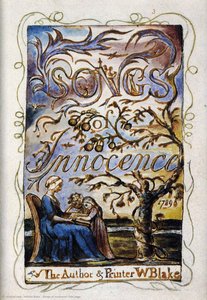
Voorvertoning
 Verstuur
 Delen
Delen
 Details bekijken
 Gids
Gids

 Download
 Vergelijkbare items
 Röntgenonderzoek
 Diavoorstelling
 Statistieken
Adam en Eva slapend
 Acryl op canvas
- Wanddecoratie
- Romantiek
 1808
1808 492.0 x 387.0 cm
 Museum van Kunst en Geschiedenis
 Lees meer
Giclée / Kunstafdrukken
Giclée- of canvasafdruk van museumkwaliteit met een snelle productie en flexibele afwerkingsmogelijkheden. ( Bestel handgeschilderde reproductie Schakel over naar digitale afbeeldingen)




P118B €10

P118H €10

P118W €10

P438Z €10

P508JH €12

P508YH €12

P805H €10

P805Z €10

P919BZ €10

P919G €10

P919XJ €10

P959ZH €10

P968JZ €12

W106C €8

W218G €10

W218JH €8

W218Y €10

W307PJ €10

W316G €10

W316PJ €8

W316Y €10

W398PJ €8

W4111J €10

W500HY €15

W500JH €15

W692G €12

W849H €8

W940BG €15

W953PJ €8




Kies uit onze vooraf ingestelde maten die overeenkomen met de originele verhoudingen van het kunstwerk.

Voer de gewenste breedte en hoogte in, passend bij uw lijst of muur. Een afdruk kan alleen worden ingekort en nooit groter worden gemaakt dan het origineel; een formaat met andere verhoudingen zal daarom een deel van de afbeelding verliezen. Wij sturen u een digitaal mockup ter goedkeuring voordat we tot drukwerk overgaan. De afbeelding op deze pagina toont niet de werkelijke uitsnede — dit is alleen te zien op het mockup.
Wereldwijde levering () binnen 2 weken in plaats van de standaard 4/5 weken. (28 oktober)

Gratis wereldwijde expressverzending

Hoogwaardig linnen canvas

Volledige verzendverzekering

Garantie op terugbetaling van invoerrechten

Garantie op exacte kleurweergave

Retourbeleid van 100 dagen (alleen bij defecten)

100% Geld-terug-garantie

Korting bij meerdere afnames
 De optie voor glas is alleen beschikbaar bij een formaat kleiner dan 110 cm.

Adam en Eva slapend
Giclée / Kunstafdrukken
Afmetingen reproductie
-


Eindtotaal
€ 71
Betoverend Onderwerp en Mythologische Inspiratie
Dit voortreffelijke kunstwerk presenteert een diep symbolische en mythologisch rijke scène, waarin de tijdloze thema's van goddelijke inspiratie, ontwaken en spirituele begeleiding worden gevangen. Centraal in de compositie staan twee figuren: een elegante, liggende naakte vrouw en een majestueus, gevleugeld engelachtig wezen dat boven haar zweeft. De scène roept een gevoel van sereniteit, kwetsbaarheid en goddelijke bescherming op, wat de kijker uitnodigt om na te denken over de diepgaande verbinding tussen de mensheid en het hemelse rijk. De hemelse elementen, waaronder een wassende maan en een stralende ster, benadrukken verder de thema's van verlichting, hoop en de mystieke reis van de ziel.Meesterschap in Stijl en Artistieke Techniek
Dit werk, vervaardigd in 1808, is een schoolvoorbeeld van een meesterlijke versmelting van klassieke tekentechnieken met illustratieve finesse. De kunstenaar maakt gebruik van precieze lijnvoering en subtiele schaduwwerking om een harmonieus evenwicht te creëren tussen realisme en stilisering. Het delicate gebruik van wassingen en aquarel-effecten voegt zachtheid en atmosferische diepte toe, wat de droomachtige kwaliteit van de scène versterkt. De gedetailleerde weergave van natuurlijke elementen—zoals het weelderige gebladerte dat de figuren omlijst—complementeert het spirituele narratief en creëert een boeiende visuele harmonie die zowel kunstkenners als interieurontwerpers aanspreekt die op zoek zijn naar verfijnde, betekenisvolle decoratie.Historische Context en Artistieke Betekenis
Dit kunstwerk, geproduceerd tijdens een periode van Romantische exploratie, weerspiegelt de fascinatie van die tijd voor mystiek, spiritualiteit en de menselijke conditie. De kunstenaar, William Blake, stond bekend om zijn visionaire aanpak, waarbij hij poëtische symboliek combineerde met complexe visuele verhalen. Zijn werk verkent vaak goddelijke inspiratie en de innerlijke werelden van de ziel, waardoor dit stuk een essentieel voorbeeld is van zijn spirituele en artistieke filosofie. Als hoogwaardige reproductie biedt het een zeldzame kans om een stukje Romantische mystiek naar hedendaagse ruimtes te brengen, wat uitnodigt tot reflectie en emotionele verbinding.Symboliek en Emotionele Impact
Elk element in dit kunstwerk is doordrenkt met symbolische betekenis: de engelachtige figuur staat voor goddelijke leiding en bescherming, terwijl de liggende vrouw de kwetsbaarheid van de mensheid en het potentieel tot ontwaken belichaamt. De maan en de ster dienen als symbolen van hoop, verlichting en goddelijke aanwezigheid, wat het spirituele verhaal versterkt. De algehele compositie roept een gevoel van rust, verwondering en introspectie op, waardoor het een krachtig middelpunt wordt dat elke interieurruimte kan verheffen. Of het nu wordt tentoongesteld in een privécollectie of in een zorgvuldig samengestelde ruimte, dit werk nodigt de kijker uit om hun eigen spirituele reis te verkennen en inspiratie te vinden in de tijdloze symboliek ervan.Een Perfecte Keuze voor Kunstliefhebbers en Interieurdecoratie
Deze handgeschilderde reproductie biedt een uitzonderlijke kans voor verzamelaars, kunstliefhebbers en interieurontwerpers om een stukje mystiek uit het Romantische tijdperk in handen te krijgen. De indrukwekkende omvang en de verfijnde details maken het een opvallend middelpunt in elke kamer, waarbij diepte, elegantie en een vleugje het goddelijke worden toegevoegd. Ideaal voor het verfraaien van woonkamers, studeerkamers of galerijen; dit kunstwerk verrijkt niet alleen de esthetiek van het interieur, maar vormt ook de basis voor betekenisvolle gesprekken over kunst, spiritualiteit en de blijvende kracht van de mythe. Omarm de schoonheid en symboliek van dit tijdloze meesterwerk om uw ruimte te inspireren en te verheffen.Veelgestelde vragen
Geeft het auteursrecht van "Adam en Eva slapend" door William Blake toestemming voor reproducties?
Het originele "Adam en Eva slapend" bevindt zich in Museum van Kunst en Geschiedenis en het werk is bevindt zich in het publiek domein - de auteursrechten zijn verlopen.
Wat zijn de techniek en de datum van "Adam en Eva slapend" door William Blake?
De techniek van "Adam en Eva slapend" door William Blake is Acryl op canvas, en het werk dateert uit 1808.
Welke plaatsing past bij het formaat van "Adam en Eva slapend" door William Blake?
Met zijn Staand formaat-formaat is een reproductie van "Adam en Eva slapend" een prachtige aanvulling op een Woonkamer.
Biografie kunstenaar
A Visionary’s Journey: The Life and Art of William Blake
William Blake, born in London on November 28, 1757, was a figure perpetually out of step with his time, yet destined to become one of the most celebrated artists and poets of the Romantic Age. His life unfolded against the backdrop of a rapidly changing England—a world grappling with industrialization, political upheaval, and shifting spiritual beliefs. From humble beginnings as the son of a hosier, Blake’s early years were marked by an intensely vivid imagination and a propensity for visionary experiences that would profoundly shape his artistic trajectory. Though largely self-taught in formal academics, he received drawing instruction at a young age, quickly revealing a talent that hinted at the extraordinary path ahead. His apprenticeship with engraver James Basire proved pivotal, providing him not only with technical mastery but also an understanding of printmaking techniques he would later revolutionize. These early influences—the Gothic grandeur of Westminster Abbey, the classical forms of Raphael and Michelangelo—served as foundational elements in his developing aesthetic, though Blake was never one to remain bound by convention.The Illuminated World: Technique and Innovation
Blake’s artistic innovation wasn't merely about subject matter; it resided fundamentally in *how* he created. Dissatisfied with conventional engraving methods, he developed a unique process known as “illuminated printing.” This involved etching both text and illustrations onto copper plates, then hand-coloring the resulting prints—a laborious but deeply personal approach that allowed for complete artistic control. This wasn’t simply illustration accompanying poetry; it was an integrated art form where image and verse were inextricably linked, each enhancing the meaning of the other. His relief etching technique, born from a claimed visionary experience following his brother's death, further distinguished his work, granting it- A distinctive textural quality
- Greater artistic freedom than traditional methods
Themes of Innocence, Experience, and Rebellion
The core of Blake’s artistic output lies in its exploration of profound themes: the duality of innocence and experience, the constraints of reason versus the liberating power of imagination, and a fierce critique of societal norms.- Songs of Innocence and of Experience (1794), perhaps his most accessible work, presents a contrasting vision of childhood—one idyllic and untainted, the other marked by hardship and corruption.
- The Marriage of Heaven & Hell (1793) is a provocative prose poem that challenges conventional morality, celebrating energy, desire, and rebellion against restrictive doctrines.
- His illustrations for Dante’s *Divine Comedy* showcase his dramatic vision and ability to translate complex narratives into powerful visual imagery.
A Legacy Rediscovered: Blake's Enduring Influence
During his lifetime, William Blake remained largely marginalized, misunderstood by many of his contemporaries. His work was often dismissed as eccentric or even mad. He struggled financially throughout much of his life, relying on commissions and the support of a small circle of patrons like Thomas Butts. However, in the decades following his death on August 12, 1827, Blake’s reputation began to grow steadily. The Pre-Raphaelites, captivated by his visionary style and symbolic imagery, embraced him as a kindred spirit. Later movements—Symbolism and Modernism—found resonance in his emphasis on imagination, subjective experience, and spiritual themes. Blake's influence extends far beyond the realm of art; he inspired writers like Dylan Thomas and poets such as Ted Hughes. Today, William Blake is recognized as a pivotal figure in the Romantic movement, an artist whose work continues to provoke contemplation and inspire creativity—a testament to the enduring power of visionary imagination in confronting societal conventions and exploring the deepest recesses of human consciousness. His unwavering commitment to artistic freedom cemented his place as one of the most original voices of his era.
William Blake
1757 - 1827 , Verenigd Koninkrijk
Belangrijkste feiten
- Artistic Movement Or Style: Romantiek
- Artists Who Influenced This Artist:
- Raphael
- Michelangelo
- Date Of Birth: November 28, 1757
- Date Of Death: August 12, 1827
- Full Name: William Blake
- Nationality: Britse kunstenaar
- Notable Artworks:
- Songs of Innocence & Exp.
- The Tyger
- Jerusalem
- Place Of Birth: London, UK
Gerelateerde artikelen
Timeless Legends: A Curated Guide to the Eternal Allure of Mythological Masterpieces
Embark on a sophisticated journey through the eternal allure of mythological art. Discover how master painters breathe life into ancient legends, from Greek deities to Baroque masterpieces, and learn to curate these timeless narratives within your own exquisite art collection.
John Ottis Adams: Capturing Rural Indiana's Luminist Spirit
Explore the serene landscapes of John Ottis Adams, a key American Impressionist of the Hoosier Group. Discover his Luminist style & forgotten legacy with OriginalUniqueArt.
Echoes of Olympus: Mythological Narratives in Western Art Through the Ages
Explore the captivating history of mythological narratives in Western art! From ancient Greece to modern masterpieces, discover iconic artworks & symbolism. Expert analysis and high-quality reproductions at OriginalUniqueArt.

Sir William Blake Richmond: A Visionary of Aestheticism & Symbolism
Explore the life & art of Sir William Blake Richmond, a pivotal figure bridging Pre-Raphaelitism and Aestheticism. Discover his stunning portraits, mosaics at St Paul's Cathedral, and lasting influence on Victorian art.

William Blake: Romantic Visionary & Mystical Genius of the Imagination
Explore the mystical art & poetic genius of William Blake (1757-1827). Discover his revolutionary illuminated printing, rich symbolism, and lasting influence on Romanticism. Find handmade reproductions at OriginalUniqueArt.