

 Bekijk op ware grootte
 Verstuur
 Delen
Delen
 Details bekijken
 Gids voor studentenkunstwerken

 Download
 Vergelijkbare items
 Röntgenonderzoek
 Diavoorstelling
 Statistieken
Gründe rib der Atarezana oder arsenale bür Barcelona


 Lees meer
Giclée / Kunstafdrukken
Giclée- of canvasafdruk van museumkwaliteit met een snelle productie en flexibele afwerkingsmogelijkheden. ( Koop handgeschilderd kunstwerk Schakel over naar digitale afbeeldingen)




































Kies uit onze vooraf ingestelde maten die overeenkomen met de originele verhoudingen van het kunstwerk.

U kunt uw eigen afmetingen opgeven om in een specifieke lijst of ruimte te passen. Als de door u gekozen maat niet overeenkomt met de proporties van het originele kunstwerk, zullen wij de afbeelding bijsnijden of uitbreiden met een gespiegelde of effen rand. Een digitaal mockup wordt ter goedkeuring naar u verzonden voordat de productie begint.
Houd er rekening mee dat de preview op het scherm de werkelijke bijsneding of uitbreiding niet weergeeft. Alleen de mockup toont de uiteindelijke compositie nauwkeurig.
Hoewel aangepaste maten beschikbaar zijn, raden wij aan een afmeting uit de vooraf bepaalde lijst te kiezen om de originele proporties te behouden.
Wereldwijde levering () binnen 2 weken in plaats van de standaard 4/5 weken. (26 september)

Gratis wereldwijde expressverzending

Hoogwaardig linnen canvas

Volledige verzendverzekering

Garantie op terugbetaling van invoerrechten

Garantie op exacte kleurweergave

Retourbeleid van 100 dagen (alleen bij defecten)

100% Geld-terug-garantie

Korting bij meerdere afnames
 De optie voor glas is alleen beschikbaar bij een formaat kleiner dan 110 cm.

Gründe rib der Atarezana oder arsenale bür Barcelona
Giclée / Kunstafdrukken
Formaat reproductie
-


Totaalprijs
$ 81
Biografie van de kunstenaar
William August Koblinau: A Cartographer's Vision of Barcelona
William August Koblinau (1680-1750) emerges from the annals of Austrian history as more than just a military officer; he was a meticulous cartographer whose singular contribution – the ‘Gründe rib der Atarezana oder arsenale bür Barcelona’ plan – continues to fascinate scholars and art enthusiasts alike. Born in Vienna, Koblinau's life unfolded against the backdrop of Europe’s turbulent eighteenth century, marked by shifting alliances and ambitious territorial disputes, notably culminating in the War of Spanish Succession. This conflict profoundly shaped his career path, propelling him into service with the Habsburg monarchy and ultimately bringing him to Barcelona during a pivotal moment in Iberian history.- Early Life & Military Service:
- Cartographic Training & Influences:
- The Atarezana Plan: A Detailed Examination:
- Koblinau’s Artistic Style & Legacy:
Cartographic Training & Influences
Koblinau's artistic sensibilities weren’t solely honed by military duty. He received a robust grounding in cartography from his father, Johann Georg Koblinau, who himself was a respected surveyor and mapmaker. This familial tradition instilled within him an unwavering dedication to precision and accuracy – qualities that would become hallmarks of his own work. Furthermore, Koblinau’s exposure to the burgeoning scientific spirit of the Enlightenment fostered an appreciation for observation and rational analysis, informing his approach to representing the physical world on paper. The meticulous techniques employed by contemporary German cartographers undoubtedly influenced his artistic vision.The Atarezana Plan: A Detailed Examination
Koblinau’s magnum opus is undeniably the ‘Gründe rib der Atarezana oder arsenale bür Barcelona,’ completed in 1709. This ambitious plan, commissioned by Maximilian III Joseph of Bavaria, aimed to comprehensively document the arsenal – a fortified complex housing weaponry and ammunition – located in Barcelona. It represents a remarkable feat of artistic endeavor combined with technical prowess. Unlike conventional military maps of the time, Koblinau’s depiction prioritized detail beyond mere topographical representation; he incorporated architectural renderings, cross-sections illustrating internal structures, and annotations providing invaluable information about defenses and armament. The plan's distinctive style—characterized by bold hatching lines and a carefully calibrated color palette—demonstrates Koblinau’s mastery of artistic conventions while simultaneously serving as an indispensable historical record.Koblinau’s Artistic Style & Legacy
Koblinau’s artistic style transcends the utilitarian demands of cartography, revealing a subtle aesthetic sophistication. His use of hatching—a technique favored by German engravers—creates depth and texture, lending visual richness to the plan's representations. The deliberate selection of colors—primarily ochre and brown—enhances readability while simultaneously conveying a sense of solemn grandeur appropriate for depicting military installations. Koblinau’s legacy extends beyond his singular achievement; he stands as an exemplar of eighteenth-century artistic craftsmanship – blending scientific rigor with aesthetic consideration. Today, the ‘Gründe rib der Atarezana’ continues to be studied by historians and art scholars alike, cementing Koblinau's place as a pivotal figure in the history of European cartography and visual culture.
william august koblinau
1680 - 1750 , Austria
Snelle feiten
- Artistic Movement Or Style: Cartography
- Date Of Birth: Vienna, Austria (1680)
- Date Of Death: 1750
- Full Name: William August Koblinau
- Nationality: Austrian
- Notable Artworks: ['Gründe rib der Atarezana']
- Place Of Birth: Vienna
Gerelateerde artikelen
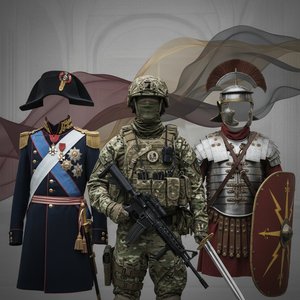
Beyond the Fabric: Decoding Identity, Authority, and Symbolism in the Art of Military Uniforms
Explore the profound symbolism of military uniforms in art history. From Victorian portraits to realistic lithographs, discover how artists capture power, identity, and historical legacy through the intricate details of martial regalia and command.

Commanding Presence: The Art of Authority and the Iconography of the Officer in Classical Portraiture
Explore the profound iconography of authority through iconic military portraits. Discover how master painters captured command, regalia, and historical prestige in classical oil paintings, perfect for discerning collectors seeking timeless elegance.
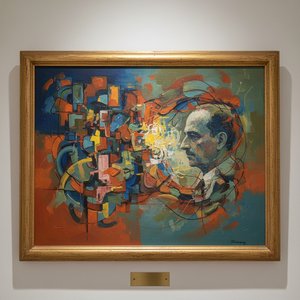
Jorge José Castillo Casalderrey: A Spanish Abstract Expressionist's Evolving Vision
Explore the captivating world of Jorge José Castillo Casalderrey, a leading Spanish Abstract Expressionist. Discover his unique style, market value & legacy. Expert insights for discerning collectors.

Josep Cusachs i: Exploring Catalan Modernism Through Social Commentary & Artistic Innovation
Explore the captivating world of Josep Cusachs i, a key figure in Catalan Modernism. Discover his realist paintings, social commentary, and influence on 19th-century Spanish art. Hand-painted reproductions available at OriginalUniqueArt.

Mapping Beauty: Transform Your Space with Stunning Topographical Artworks
Elevate your interiors with breathtaking topographical art. From vintage cartography to textured 3D reliefs, discover how hand-painted maps and historical landscapes can transform any room into a sophisticated sanctuary of discovery and timeless beauty.