Voorvertoning
 Verstuur
 Delen
Delen
 Details bekijken
 Gids
Gids

 Download
 Vergelijkbare items
 Röntgenonderzoek
 Diavoorstelling
 Q&A
Q&A Statistieken
Huizen bij Auvers
 Olieverf op canvas
- Wanddecoratie
- Post-Impressionisme
 1890
1890- 19e eeuw
 60.0 x 73.0 cm
 Toledo Museum of Art
 Lees meer
Giclée / Kunstafdrukken
Giclée- of canvasafdruk van museumkwaliteit met een snelle productie en flexibele afwerkingsmogelijkheden. ( Bestel handgeschilderde reproductie Schakel over naar digitale afbeeldingen)




P118B €10

P118H €10

P118W €10

P438Z €10

P508JH €12

P508YH €12

P805H €10

P805Z €10

P919BZ €10

P919G €10

P919XJ €10

P959ZH €10

P968JZ €12

W106C €8

W218G €10

W218JH €8

W218Y €10

W307PJ €10

W316G €10

W316PJ €8

W316Y €10

W398PJ €8

W4111J €10

W500HY €15

W500JH €15

W692G €12

W849H €8

W940BG €15

W953PJ €8




Kies uit onze vooraf ingestelde maten die overeenkomen met de originele verhoudingen van het kunstwerk.

Voer de gewenste breedte en hoogte in, passend bij uw lijst of muur. Een afdruk kan alleen worden ingekort en nooit groter worden gemaakt dan het origineel; een formaat met andere verhoudingen zal daarom een deel van de afbeelding verliezen. Wij sturen u een digitaal mockup ter goedkeuring voordat we tot drukwerk overgaan. De afbeelding op deze pagina toont niet de werkelijke uitsnede — dit is alleen te zien op het mockup.
Wereldwijde levering () binnen 2 weken in plaats van de standaard 4/5 weken. (29 oktober)

Gratis wereldwijde expressverzending

Hoogwaardig linnen canvas

Volledige verzendverzekering

Garantie op terugbetaling van invoerrechten

Garantie op exacte kleurweergave

Retourbeleid van 100 dagen (alleen bij defecten)

100% Geld-terug-garantie

Korting bij meerdere afnames
 De optie voor glas is alleen beschikbaar bij een formaat kleiner dan 110 cm.

Huizen bij Auvers
Giclée / Kunstafdrukken
Afmetingen reproductie
-


Eindtotaal
€ 71
Houses at Auvers: A Window into Van Gogh’s Soul
Vincent van Gogh's Houses at Auvers is more than just a depiction of a rural scene; it’s a profound expression of the artist's emotional state and his deep connection to the natural world. Created in 1890 during his final months in Auvers-sur-Oise, a small village northwest of Paris, this painting offers a poignant glimpse into a troubled genius grappling with illness, isolation, and an intense yearning for beauty. The scene itself—a cluster of modest dwellings nestled amidst rolling hills and bathed in the soft light of a cloudy sky—appears deceptively simple, yet it’s brimming with layers of meaning and artistic innovation.
The genesis of Houses at Auvers lies in Van Gogh’s desire to escape the confines of the Saint-Paul-de-Mausole asylum and find solace in the countryside. He was drawn to Auvers by its picturesque landscapes—the thatched roofs, the winding roads, and the sense of quiet rural life—which he described as “the real country, characteristic and picturesque.” This admiration is immediately evident in the painting’s composition; Van Gogh masterfully captures the essence of this environment, transforming a humble village into a scene of remarkable beauty and tranquility. The placement of the houses on the hillside, their warm colors contrasting with the cool blues and grays of the sky, creates a sense of depth and perspective that draws the viewer in.
A Symphony of Color and Brushstroke
Van Gogh’s distinctive style is powerfully showcased in Houses at Auvers. He employs a bold and expressive use of color—vibrant yellows, deep blues, and earthy greens—to convey not just the appearance of the scene but also his emotional response to it. The thick, impasto brushstrokes are particularly striking, creating a tactile surface that seems to pulsate with energy. These visible marks of the artist’s hand imbue the painting with a sense of immediacy and movement, as if the landscape itself is alive. Notice how he uses short, choppy strokes to depict the texture of the thatched roofs and the rolling hills, while employing smoother, more fluid brushstrokes for the sky—a deliberate contrast that emphasizes the relationship between earth and heaven.
The inclusion of a bench in the foreground adds an element of human presence to the scene. It suggests a moment of contemplation, inviting the viewer to step into the painting and share in Van Gogh’s appreciation of nature. The bench also serves as a compositional anchor, grounding the eye and providing a point of reference for navigating the landscape. The subtle detail of the bench—its weathered wood and simple design—contrasts with the more stylized depiction of the houses and sky, highlighting Van Gogh's ability to capture both the mundane and the extraordinary.
Historical Context and Lasting Legacy
Houses at Auvers was painted during a tumultuous period in Van Gogh’s life—his final two months at Saint-Rémy and his subsequent move to Auvers-sur-Oise. This painting reflects the artist's desire for a simpler existence, away from the confines of the asylum and the pressures of Parisian art circles. It’s important to note that this period was marked by increasing mental instability and ultimately, Van Gogh’s tragic death. The painting, therefore, can be interpreted as both a celebration of beauty and a poignant reminder of the artist's suffering.
Today, Houses at Auvers is housed in the Toledo Museum of Art (Toledo, United States), a testament to Van Gogh’s enduring legacy. Its vibrant colors and expressive brushstrokes continue to captivate viewers around the world, inspiring awe and contemplation. For those seeking a high-quality reproduction, OriginalUniqueArt offers meticulously hand-painted versions that faithfully capture the essence of this iconic masterpiece. Furthermore, exploring related works like Houses in Auvers and considering museums such as the Musée Réattu (Arles, France) provides a richer understanding of Van Gogh’s artistic journey.
Specifications & Availability
- Painting Size: 60 x 73 cm
- Medium: Oil On Canvas
- Date: 1890
- Location: Toledo Museum of Art (Toledo, United States)
Explore our exquisite hand-painted reproductions of Houses at Auvers today and bring a piece of Van Gogh’s genius into your home. Visit [OriginalUniqueArt](https://www.wahoart.com) to discover the perfect reproduction for your space.
Veelgestelde vragen
Uit welke fase van de carrière van Vincent Van Gogh is "Huizen bij Auvers"?
"Huizen bij Auvers" vertegenwoordigt de Mature Periode van Vincent Van Gogh.
Onder welke pseudoniemen of andere namen is Vincent Van Gogh bekend?
Andere namen waaronder Vincent Van Gogh, maker van "Huizen bij Auvers", bekend is, zijn onder andere Vincent Willem Van Gogh.
Is "Huizen bij Auvers" een van de meest populaire werken van Vincent Van Gogh?
"Huizen bij Auvers" wordt geclassificeerd als Iconisch.
Biografie kunstenaar
Een leven geschilderd in passie: Vincent van Gogh
Vincent Willem van Gogh, een naam die synoniem staat voor levendige kleur en rauwe emotie, blijft een van de meest herkenbare en geliefde figuren uit de kunstgeschiedenis. Geboren op 30 maart 1853 in Zundert, Nederland, is zijn reis van een getroebleerde jonge man op zoek naar een doel tot een artistiek visionair een ontroerend verhaal van toewijding, strijd en uiteindelijk een blijvende erfenis. Hoewel hij tijdens zijn leven weinig commercieel succes behaalde – hij verkocht slechts één schilderij, Het rode wijngaard, voor zijn dood – is de impact van Van Gogh op de moderne kunst onmetelijk; hij plaveide de weg voor het expressionisme en beïnvloedde talloze kunstenaars die hem volgden. Zijn verhaal gaat niet alleen over penseelstreken en canvas; het is een getuigenis van de kracht van menselijke expressie in het aangezicht van tegenspoed.
De vroege jaren en artistieke ontwaking
Van Goghs vroege leven werd gekenmerkt door een reeks onvervulde ambities. Hij probeerde verschillende beroepen – kunsthandelaar, leraar en zelfs missionaris – voordat hij zich op relatief late leeftijd van 27 jaar volledig aan de schilderkunst wijdde. Deze eerdere ervaringen vormden zijn wereldbeeld diepgaand en vonden hun weg naar zijn kunst. Zijn eerste werken, waarin scènes uit het boerenleven in het landelijke België werden afgebeeld, weerspiegelen een diepe empathie voor de arbeidersklasse en een somber palet dat hun ontberingen reflecteerde. Beïnvloed door kunstenaars als Jean-François Millet, zocht Van Gogh naar een manier om de waardigheid en veerkracht van deze mensen vast te leggen door middel van rauw realisme. Het was echter zijn verhuizing naar Parijs in 1886 die transformatief bleek te zijn. Daar maakte hij kennis met het impressionisme en postimpressionisme, waarbij hij de technieken van meesters als Monet, Renoir en Pissarro absorbeerde. Deze blootstelling verbredde zijn artistische horizon en leidde hem tot experimenten met helderdere kleuren en lossere penseelstreken, hoewel hij een duidelijke emotionele intensiteit behield die bij veel van zijn tijdgenoten ontbrak. Zijn broer Theo, een kunsthandelaar, speelde een cruciale rol in deze periode door financiële steun te bieden en als een vitale schakel naar de Parijse kunstwereld te fungeren. Hun uitgebreide correspondentie biedt onschatbare inzichten in Van Goghs artistieke ontwikkeling en persoonlijke strijd.
loosHet zuidelijke licht en explosieve creativiteit
Op zoek naar een levendiger landschap en een gevoel van vernieuwing, verhuisde Van Gogh in 1888 naar Arles in Zuid-Frankrijk. Deze verhuizing markeerde een periode van intense creatieve productie, gekenmerkt door een explosie van kleur en een kenmerkende impasto-techniek – het dik aanbrengen van verf op het canvas, waardoor een textuur ontstaat die lijkt te pulseren met energie. Het was hier dat hij enkele van zijn meest iconische werken produceerde: Zonnebloemen, Het nachtcafé en De sterrennacht. Het intense zonlicht van de Provence leek zijn verbeelding aan te wakkeren, waardoor hij landschappen en stillevens met een ongekende levendigheid kon afbeelden. Zijn verlangen naar artistieke samenwerking leidde ertoe dat hij Paul Gauguin uitnodigde om zich bij hem in Arles te voegen, in de hoop een utopische kunstenaarskolonie te stichten. Hun relatie bleek echter stormachtig en culmineerde in een dramatische confrontatie die resulteerde in het verminken van zijn eigen oor. Deze gebeurtenis onderstreepte de kwetsbaarheid van zijn mentale toestand en markeerde het begin van een periode van institutionalisering en toenemende psychologische nood.
De latere jaren en een blijvende erfenis
Na zijn inzinking trad Van Gogh vrijwillig een inrichting binnen in Saint-Rémy, waar hij productief bleef schilderen en de omringende landschappen met zowel schoonheid als onrust vastlegde. Werken zoals De sterrennacht, geschilderd tijdens deze tijd, zijn doordrenkt van een gevoel van kosmisch wonder en diepe emotionele gelaagdheid. Later verhuisde hij naar Auvers-sur-Oise onder de zorg van Dr. Paul Gachet, maar zijn strijd hield aan. Op 29 juli 1890 stierf Van Gogh op 37-jarige leeftijd tragisch aan een zelfveroorzaakt schotwond. Ondanks het feit dat hij tijdens zijn leven weinig erkenning kreeg, begon zijn werk na zijn dood lof te oogsten, grotendeels dankzij de onvermoeibare inspanningen van zijn schoonzus, Johanna van Gogh-Bonger, die zijn nalatenschap erfde en zich wijdde aan het promoten van zijn kunst. Vandaag de dag worden de schilderijen van Van Gogh wereldwijd gevierd om hun emotionele intensiteit, innovatieve technieken en blijvende schoonheid. Zijn nalatenschap reikt veel verder dan het canvas; hij is een symbool geworden van artistieke passie, doorzettingsvermogen in tijden van tegenspoed en de kracht van kunst om de diepste menselijke emoties uit te drukken.
Belangrijke invloeden en artistieke ontwikkeling
- Vroeg realisme: De afbeeldingen van het boerenleven door Jean-François Millet beïnvloedden Van Goghs vroege werken.
- Impressionisme & Postimpressionisme: Blootstelling aan Monet, Renoir, Pissarro en anderen in Parijs verbreedden zijn palet en techniek.
- Japanse prenten: Van Gogh werd diep beïnvloed door Japanse houtsneden, die hij met passie verzamelde. Hun gedurfde composities en vlakke kleurvlakken hadden een grote impact op zijn eigen stijl.
- Emotionele expressie: Bovenal probeerde Van Gogh emotie over te brengen via zijn kunst, waarbij hij de subjectieve ervaring boven de objectieve representatie stelde. Deze focus op emotionele intensiteit werd een bepalend kenmerk van zijn werk en plaveide de weg voor het expressionisme.
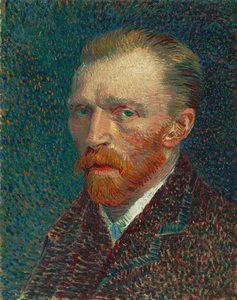
Vincent Van Gogh
1853 - 1890 , Nederland
Belangrijkste feiten
- Artistic Movement Or Style: Post-Impressionisme
- Artists Or Movements Influenced By This Artist:
- Expressionisme
- Fauvisme
- Artists Who Influenced This Artist:
- Rembrandt
- Millet
- Date Of Birth: 30 maart 1853
- Date Of Death: 29 juli 1890
- Full Name: Vincent Willem van Gogh
- Nationality: Nederlands
- Notable Artworks:
- Pommes de terre
- Zonnebloemen
- Sterrennacht
- Place Of Birth: Zundert, Nederland
Gerelateerde artikelen

Top 10 Post-Impressionistische Meesterwerken: Kunst die de Geschiedenis Schreef | OriginalUniqueArt.nl
Ontdek de 10 meest iconische meesterwerken van het Post-Impressionisme! Van Gogh, Monet, Cézanne en meer. Leer over hun technieken & emoties achter deze tijdloze kunst. Museumkwaliteit reproducties op OriginalUniqueArt.com – Kunst voor uw interieur.

Decoding Impasto: The Emotional Power and Texture of Van Gogh's Brushstrokes
Explore the profound emotional depth of Van Gogh's impasto technique. Discover how his sculptural brushstrokes and textured oil layers define Post-Impressionism through an expert art-historical lens, perfect for discerning collectors and fine art enthusiasts.

Top 10 Impressionistische Meesterwerken: Kleur, Licht & Emotie voor uw Interieur
Ontdek de top 10 impressionistische meesterwerken van Monet, Renoir & meer! Duik in kleur, licht en emotie met deze iconische schilderijen. Vind museumkwaliteit kunst reproducties voor uw interieur op OriginalUniqueArt.com.

Rembrandt's Meesterwerken: De Top 25 – Kunst voor uw Interieur | OriginalUniqueArt
Ontdek de 25 meest iconische schilderijen van Rembrandt van Rijn! Duik in de Gouden Eeuw, bewonder zijn portretten & zelfportretten. Museumkwaliteit reproducties voor uw interieur op OriginalUniqueArt.com. Bekijk de collectie!
Decoding Van Gogh's Turmoil: OriginalUniqueArt’s Masterful Reproductions of Emotional Depth
Discover exquisite Van Gogh reproductions from OriginalUniqueArt – expert art specialists offering museum-quality prints & custom paintings. Trust our authentic process and elevate your collection today.