
 Voorvertoning
 Verstuur
 Delen
Delen
 Details bekijken
 Gids
Gids

 Download
 Vergelijkbare items
 Röntgenonderzoek
 Diavoorstelling
 Vraag & antwoord
 Statistieken
The bell cricket (Chapter 38)

- 33.0 x 22.0 cm


 Lees meer
Giclée / Kunstafdrukken
Giclée- of canvasafdruk van museumkwaliteit met een snelle productie en flexibele afwerkingsmogelijkheden. ( Bestel handgeschilderde reproductie Schakel over naar digitale afbeeldingen)




P118B €10

P118H €10

P118W €10

P438Z €10

P508JH €12

P508YH €12

P805H €10

P805Z €10

P919BZ €10

P919G €10

P919XJ €10

P959ZH €10

P968JZ €12

W106C €8

W218G €10

W218JH €8

W218Y €10

W307PJ €10

W316G €10

W316PJ €8

W316Y €10

W398PJ €8

W4111J €10

W500HY €15

W500JH €15

W692G €12

W849H €8

W940BG €15

W953PJ €8




Kies uit onze vooraf ingestelde maten die overeenkomen met de originele verhoudingen van het kunstwerk.

Voer de gewenste breedte en hoogte in, passend bij uw lijst of muur. Een afdruk kan alleen worden ingekort en nooit groter worden gemaakt dan het origineel; een formaat met andere verhoudingen zal daarom een deel van de afbeelding verliezen. Wij sturen u een digitaal mockup ter goedkeuring voordat we tot drukwerk overgaan. De afbeelding op deze pagina toont niet de werkelijke uitsnede — dit is alleen te zien op het mockup.
Wereldwijde levering () binnen 2 weken in plaats van de standaard 4/5 weken. (5 november)

Gratis wereldwijde expressverzending

Hoogwaardig linnen canvas

Volledige verzendverzekering

Garantie op terugbetaling van invoerrechten

Garantie op exacte kleurweergave

Retourbeleid van 100 dagen (alleen bij defecten)

100% Geld-terug-garantie

Korting bij meerdere afnames
 De optie voor glas is alleen beschikbaar bij een formaat kleiner dan 110 cm.

The bell cricket (Chapter 38)
Giclée / Kunstafdrukken
Afmetingen reproductie
-


Eindtotaal
€ 72
The Bell Cricket (Chapter 38): A Symphony of Harmony in Edo Period Printmaking
Utagawa Kunisada II’s “The Bell Cricket” (Chapter 38), created in 1857, transcends mere visual representation; it embodies the spirit of its time—the waning Edo period and a fascination with literary themes. Published by Tsutaya Kichizo during this transitional era, this Oban tate-e print exemplifies Kunisada II’s masterful command of ukiyo-e technique and delves into profound psychological considerations. The image depicts three women engaged in conversation amidst a serene garden setting—a deliberate choice reflecting the influence of Murasaki Shikibu's seminal novel “The Tale of Genji,” which served as inspiration for this series.- Subject Matter: The scene captures a moment of quiet contemplation, portraying women enjoying companionship and engaging in animated discussion. A bottle sits prominently on the left side of the composition, adding to the visual richness and subtly hinting at themes of intimacy and reflection.
- Style & Technique: Kunisada II’s signature style—characterized by meticulous detail and vibrant color palettes—is evident throughout. The print utilizes woodblock printing with ink and gold leaf, a technique perfected during the Edo period, resulting in stunning tonal gradations and luminous highlights that capture the ethereal quality of candlelight illuminating the garden.
- Historical Context: “The Bell Cricket” emerged as part of a larger series exploring themes from “The Tale of Genji,” a cornerstone of Japanese literature. This series reflects the anxieties and aspirations of the era, grappling with notions of beauty, morality, and societal expectations—particularly concerning women’s roles in society.
- Symbolism: The bell cricket itself symbolizes good fortune and renewal, aligning perfectly with the narrative's exploration of hope amidst adversity. The careful arrangement of figures and objects contributes to a harmonious composition that conveys a sense of tranquility and understated elegance.
Exploring Kunisada II's Artistic Legacy
Kunisada II, a student of Toyokuni III (Kunisada I), skillfully honed his craft while simultaneously upholding the traditions of his master. Despite not achieving the same level of fame as his predecessor, Kunisada II’s prolific output—spanning over 40 series—solidifies his position as one of Japan's most celebrated ukiyo-e artists. His enduring influence can be seen in subsequent generations of printmakers and continues to inspire contemporary artists seeking inspiration from Edo period aesthetics. The meticulous attention to detail and masterful use of color exemplify the pinnacle of Japanese woodblock printing artistry.A Reproduction Worth Admiring
A hand-painted reproduction of “The Bell Cricket” offers a captivating glimpse into Kunisada II’s artistic vision—a testament to his skill and an opportunity to bring this iconic image into your home. Utilizing the finest materials—premium paper, ink, and gold leaf—the reproduction faithfully captures the original print's luminosity and textural richness. It serves as more than just decoration; it’s a connection to Japanese art history and a celebration of timeless beauty.Veelgestelde vragen
Tot welke periode in de carrière van Utagawa Kunisada Ii behoort "The bell cricket (Chapter 38)"?
"The bell cricket (Chapter 38)" vertegenwoordigt de Mature Edo van Utagawa Kunisada Ii.
Wat is de aanbevolen afdrukmaat voor "The bell cricket (Chapter 38)"?
Voor "The bell cricket (Chapter 38)" wordt een afdrukformaat van Large aanbevolen. Andere formaten zijn beschikbaar met dezelfde verhoudingen.
Is "The bell cricket (Chapter 38)" te bekijken via een augmented reality-preview?
"The bell cricket (Chapter 38)" door Utagawa Kunisada Ii kan via de AR-weergave-pagina van het kunstwerk op uw eigen muur worden geproefd met behulp van augmented reality op een compatibel apparaat.
Biografie kunstenaar
**vroege leven en opleiding**
utagawa kunisada ii, ook wel bekend als toyokuni iv, was een vooraanstaande Japanse ukiyo-e prentontwerper, geboren in Edo, Japan in 1823. Als leerling van utagawa kunisada i perfectioneerde hij zijn ambacht, waarbij hij veel van zijn vroege werken onder de naam kunimasa iii signeerde. Rond 1850-51 nam hij de naam kunisada ii aan, een moment dat symbool stond voor zijn officiële overname van de erfenis van de utagawa-school.**artistieke stijl en befaamde werken**
De collectie prenten van kunisada ii is indrukwekkend en omvat meer dan 40 series, die voornamelijk de levendige wereld van acteurs (yakusha-e) vangen, maar ook prachtige portretten van schoonheden, illustraties van literaire scènes, erotica en andere fascinerende onderwerpen bevatten. Een van zijn meest gevierde meesterwerken is het verhaal van de acht heldhaftige honden (hakkendun inu no sōshi no uchi) uit 1852, gebaseerd op het epische werk van kyokutei bakin, de satomi-clan en de acht honden (nansō satomi hakkenden).**erfenis en latere leven**
Als hoofd van de utagawa-school werkte hij trouw in de stijl van zijn meester, hoewel hij nooit exact hetzelfde niveau van succes bereikte. Tijdens de meiji-periode (1868–1912) begon zijn populariteit af te nemen, en het lijkt erop dat hij na 1874 gestopt is met het maken van prenten. Hij overleed op 20 juli 1880 en werd bijgezet in banshōin kōunji. Zijn boeddhistische postume naam is sankōin hōkokujutei shinji.**opmerkelijke vermeldingen op OriginalUniqueArt.com**
- bekijk de kunstwerken van utagawa kunisada ii op OriginalUniqueArt.com
- ontdek het hokkaido museum of modern art (japan) op OriginalUniqueArt.com
- ontdek de schilderijen van nonoyama kōzan op OriginalUniqueArt.com
**sleutelmomenten in het leven van kunisada ii**
- 1823: geboren in edo, japan
- 1850-51: nam de naam kunisada ii aan
- 1852: creëerde het verhaal van de acht heldhaftige honden
- 1868–1912: meiji-periode, waarin zijn populariteit afnam
- 20 juli 1880: overleden en bijgezet in banshōin kōunji
**verder lezen op OriginalUniqueArt.com**

Utagawa Kunisada Ii
1823 - 1880 , Japan
Belangrijkste feiten
- Artistic Movement Or Style: Ukiyo-e (yakusha-e)
- Artists Or Movements Influenced By This Artist: ['Utagawa School']
- Artists Who Influenced This Artist: ['Utagawa Kunisada I']
- Date Of Birth: 1823
- Date Of Death: 1880
- Full Name: Utagawa Kunisada II
- Nationality: Japans
- Notable Artworks:
- Hakkendun Inu no Sōshi no Uchi
- De Osaka acteur Kataoka Gado als An no Heibei
- Place Of Birth: Tokio, Japan
Gerelateerde artikelen
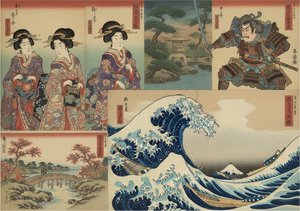
Ukiyo-e: Exploring Japan's Floating World & Enduring Artistic Legacy
Explore the captivating world of Ukiyo-e – Japan's iconic woodblock prints! Discover masters like Hokusai & Hiroshige, learn about Edo period culture, and find expert art collecting guidance at OriginalUniqueArt.
Floating World Wonders: A Definitive Guide to the Captivating Beauty of Ukiyo-e Art
Embark on a visual journey through the ephemeral beauty of Ukiyo-e. Discover the masters of the floating world, from dynamic warriors to Kabuki legends, and explore the profound cultural legacy of Japanese woodblock printing in this expert guide for art enthusiasts.
Ukiyo-e: The Art of the Floating World and the Legacy of Japanese Woodblock Masters
Explore the profound history of Ukiyo-e, from Hokusai's iconic waves to the vibrant culture of Edo Japan. Discover the intricate craft of woodblock printing and the enduring legacy of these Japanese masterpieces through our expert art history guide.
Utagawa Kuniyoshi: A Master of Japanese Ukiyo-e – Narrative Innovation & the Fusion of Tradition with Popular Culture
Explore the captivating world of Utagawa Kuniyoshi, a master of Japanese ukiyo-e woodblock prints. Discover his innovative warrior scenes, vibrant landscapes & lasting legacy in 19th-century art history.

Katsushika Hokusai's 25 Meesterwerken: Japanse Kunst voor uw Interieur | OriginalUniqueArt
Ontdek de 25 meesterwerken van Katsushika Hokusai, de Japanse Ukiyo-e kunstenaar! Reis door zijn iconische prints zoals 'The Great Wave' en Mount Fuji. Vind museumkwaliteit reproducties & inspiratie voor uw interieur op OriginalUniqueArt.com.