- Home

- Op canvas afdrukken
- thomas spencer
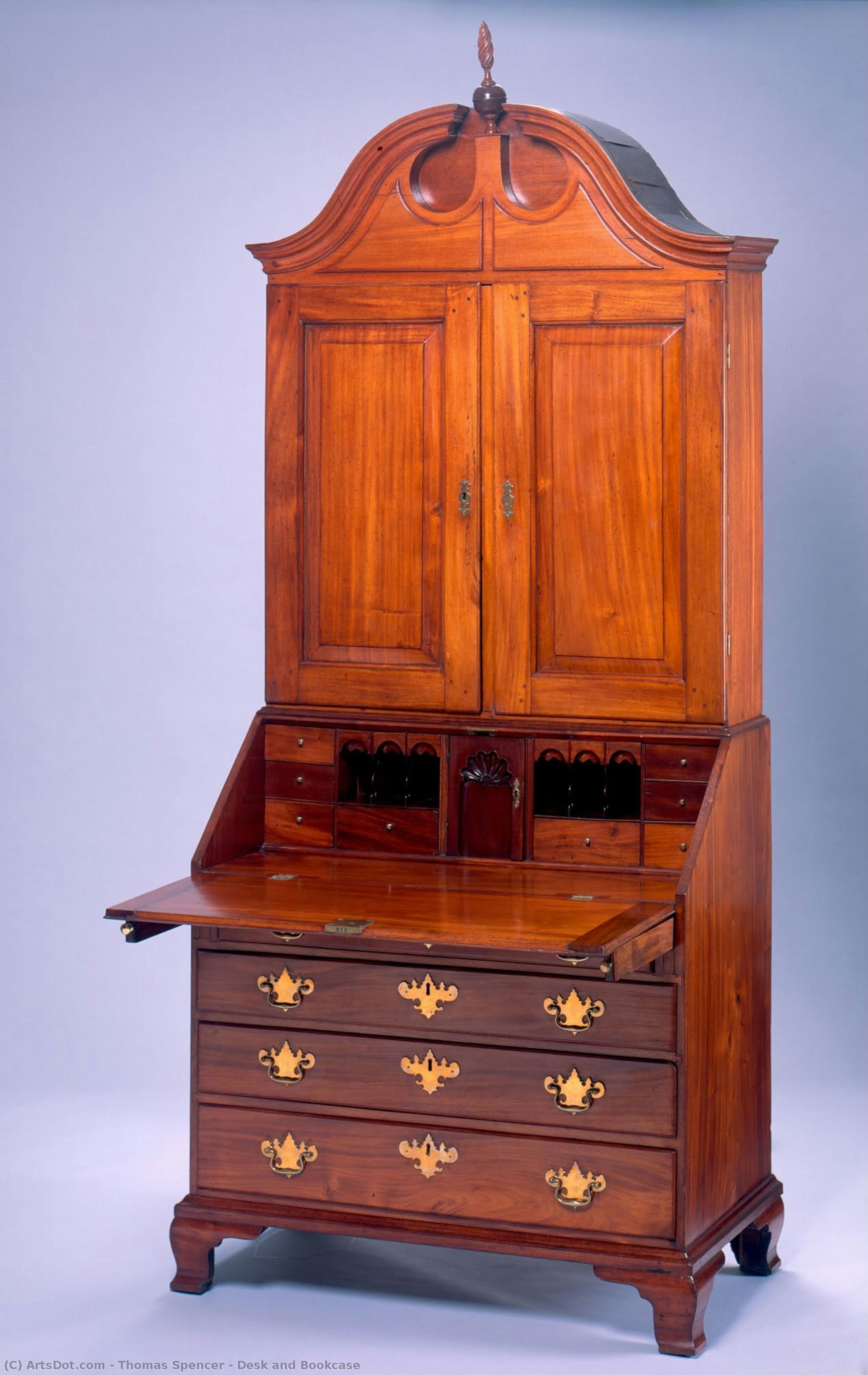
- Desk and Bookcase
 Voorvertoning
 Verstuur
 Delen
Delen
 Details bekijken

 Download
 Vergelijkbare werken
 Röntgenonderzoek
 Diavoorstelling
Desk and Bookcase

 Lees meer
Giclée / Kunstafdruk
Giclée- of canvasafdruk van museumkwaliteit met snelle productie en flexibele afwerkingsopties. ( Schakel over naar handgeschilderd kunstwerk Wissel naar afbeelding)




































Kies uit onze vooraf ingestelde maten die overeenkomen met de originele verhoudingen van het kunstwerk.

U kunt uw eigen afmetingen opgeven om in een specifieke lijst of ruimte te passen. Als de door u gekozen maat niet overeenkomt met de proporties van het originele kunstwerk, zullen wij de afbeelding bijsnijden of uitbreiden met een gespiegelde of effen rand. Een digitaal mockup wordt ter goedkeuring naar u verzonden voordat de productie begint.
Houd er rekening mee dat de preview op het scherm de werkelijke bijsneding of uitbreiding niet weergeeft. Alleen de mockup toont de uiteindelijke compositie nauwkeurig.
Hoewel aangepaste maten beschikbaar zijn, raden wij aan een afmeting uit de vooraf bepaalde lijst te kiezen om de originele proporties te behouden.
Wereldwijde levering () binnen 2 weken in plaats van de standaard 4/5 weken. (30 juli)

Gratis wereldwijde expressverzending

Hoogwaardig linnen canvas

Volledige verzendverzekering

Garantie op terugbetaling van invoerrechten

Garantie op exacte kleurweergave

60 dagen retourbeleid (alleen bij defecten)

100% Geld-terug-garantie

Korting bij meerdere afnames
 De optie voor glas is alleen beschikbaar bij een formaat kleiner dan 110 cm.

Desk and Bookcase
Giclée / Kunstafdruk
Afmetingen reproductie
-


Eindtotaal
$ 80
Biografie van de kunstenaar
Early Life and Artistic Beginnings
Thomas Spencer, born in 1700 in East Greenwich, Kent County, Rhode Island, emerged from a lineage deeply rooted in the craft traditions of early America. His father, Thomas Spencer (1717–1753), was a versatile figure – shipwright, yeoman, cordwainer, and even high sheriff – embodying the industrious spirit of colonial life. This practical background, coupled with the artistic inclinations of his grandfather John Spencer, a carpenter, laid the foundation for young Thomas’s future path. While detailed records of his formal training remain elusive, it is clear that he apprenticed within the local joinery community, absorbing the techniques and aesthetic sensibilities prevalent in 18th-century New England. The early years were likely spent mastering the fundamentals of woodworking, learning to shape and refine materials before venturing into more specialized artistic endeavors. His maternal grandfather, Daniel Goddard, a housewright and shipwright, further solidified this familial connection to skilled trades.A Portraitist of Colonial Society
Spencer quickly established himself as a sought-after portrait painter in the mid-18th century, catering to the burgeoning gentry of Rhode Island and beyond. His work provides a fascinating glimpse into the lives and aspirations of colonial society. Unlike many artists of the period who focused on grand historical or mythological themes, Spencer’s canvases primarily depicted individuals – landowners, merchants, military figures – capturing their likenesses with remarkable clarity and attention to detail. A Gray Hunter Held by a Groom (1751) exemplifies his mastery of equestrian portraiture, showcasing not only the subject's social standing but also a deep appreciation for the natural world. The classical style he employed, while influenced by European traditions, was adapted to suit the American context, resulting in portraits that were both elegant and distinctly local. He wasn’t merely recording appearances; Spencer imbued his subjects with a sense of dignity and character, reflecting their roles within the community.The Greene Commission and Historical Significance
A pivotal moment in Spencer's career came with a commission from General Nathanael Greene in June 1775 for a “Mehogane Desk & Book Case.” This documented transaction, unearthed through research of Greene’s expenses, provides concrete evidence of Spencer’s professional activity and his connection to prominent figures during the Revolutionary War era. The desk-and-bookcase itself, now housed at the High Museum of Art in Atlanta, is a testament to Spencer's skill as a furniture maker and offers valuable insights into the tastes of the time. The discovery of this commission has elevated Spencer’s status from a relatively obscure colonial artist to a figure of historical importance, linking him directly to one of America’s founding fathers. Portrait of George Spencer, painted by Thomas Gainsborough, while not directly attributable to our Thomas Spencer, highlights the familial connections and artistic circles within which he operated.Style, Influences, and Lasting Legacy
Spencer's artistic style was characterized by a blend of realism and understated elegance. He favored a muted palette, employing subtle gradations of color to create depth and atmosphere. While influenced by the Rococo movement prevalent in Europe, his work lacked the excessive ornamentation often associated with that style. Instead, he prioritized clarity of form and meticulous attention to detail. His portraits are notable for their psychological insight, capturing not only the physical likenesses of his subjects but also their inner character. Although a comprehensive catalogue raisonné remains elusive, existing works suggest a consistent artistic vision throughout his career. He died in 1753, leaving behind a legacy that continues to resonate with scholars and art enthusiasts alike. His paintings offer a unique window into the lives and values of colonial America, providing invaluable insights into a pivotal period in American history. The rediscovery and reevaluation of his work underscore the importance of recognizing the contributions of lesser-known artists who played a vital role in shaping the nation’s cultural landscape.
Belangrijkste feiten
- Artistic Movement Or Style: Post-Impressionism
- Date Of Death: Living
- Full Name: Thomas Spencer
- Nationality: English
- Notable Artworks:
- A Gray Hunter Held by a Groom
- Portrait of George Spencer

