
 Voorvertoning
 Verstuur
 Delen
Delen
 Details bekijken

 Download
 Vergelijkbare items
 Röntgenonderzoek
 Diavoorstelling
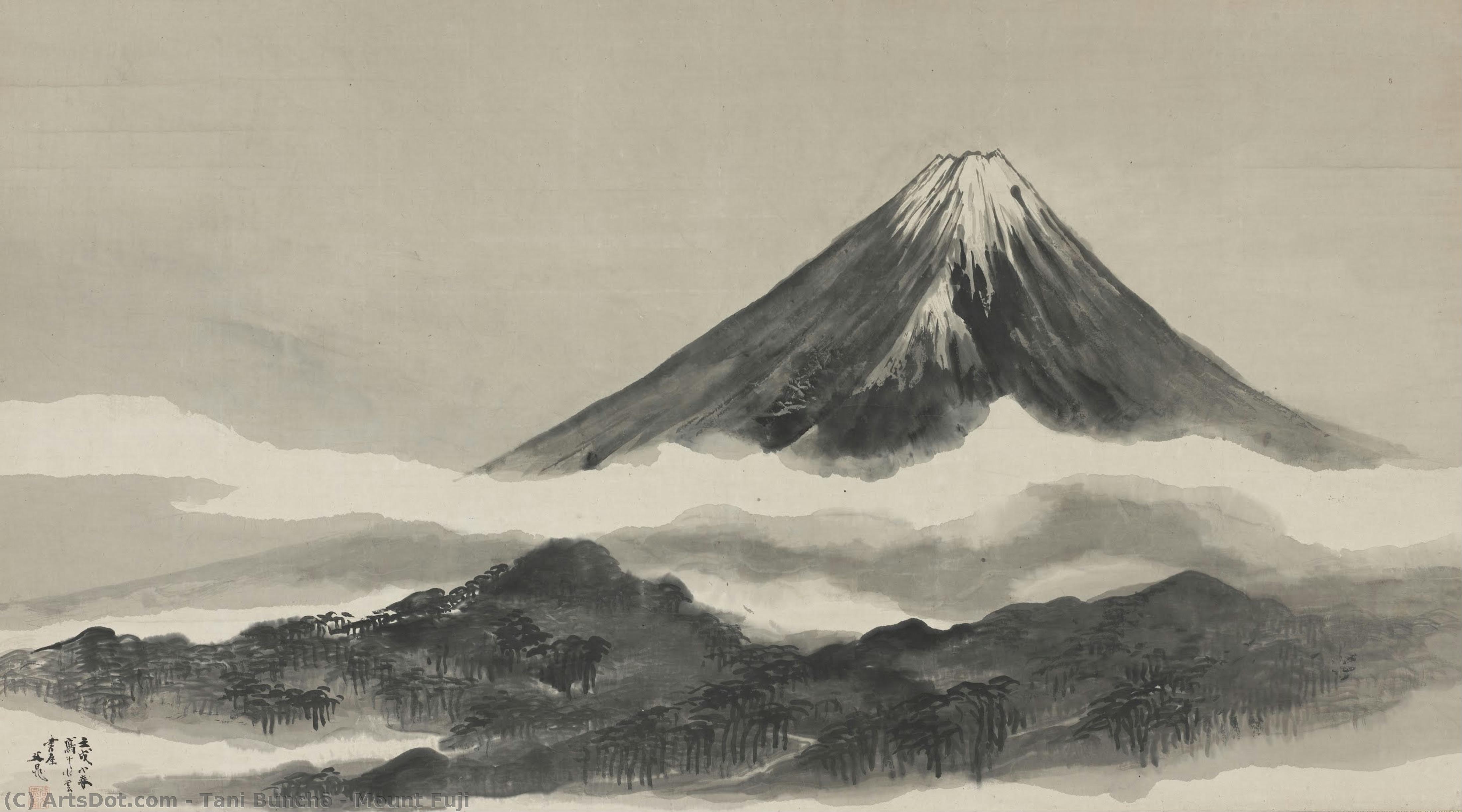
Mount Fuji


 Lees meer
Koop een digitale afbeelding in hoge resolutie met verbeterde kwaliteit, die veel superieur is aan de online voorvertoning.
Elk bestand wordt met uiterste precisie voorbereid door onze interne specialisten, met behulp van geavanceerde tools en deskundige handmatige retouche. Wij garanderen dat elke afbeelding een uitzonderlijke helderheid, nauwkeurige kleurweergave en verfijnde details bezit.
Het uiteindelijke bestand wordt binnen 72 uur per e-mail geleverd, geoptimaliseerd voor direct gebruik in professionele, redactionele en printomgevingen. Dit is dezelfde kwaliteit waarop vooraanstaande designstudio's, uitgevers en galerieën vertrouwen.
Digitale afbeeldingen
Download een bestand met hoge resolutie voor persoonlijke weergave, afdrukken en creatieve projecten. ( Bestel print Bestel handgeschilderde reproductie)
Inbegrepen bij elke bestelling van een digitale afbeelding
Professionele digitale levering, gegarandeerd
Wanneer u kiest voor OriginalUniqueArt.com, ontvangt u niet alleen een afbeelding – u krijgt een professioneel verbeterd digitaal kunstwerk, met precisie vervaardigd en voorzien van een tevredenheidsgarantie. Dit is alles wat automatisch bij uw bestelling is inbegrepen:

Snelle levering per e-mail
Uw hoogwaardige digitale afbeeldingsbestand wordt binnen 72 uur na bestelling naar u gemaild – klaar voor direct gebruik.

AI-verbeterd digitaal bestand
Uw kunstwerk wordt professioneel geoptimaliseerd met behulp van geavanceerde AI-tools en handmatige bewerkingen, waardoor maximale details, helderheid en kleurnauwkeurigheid worden gegarandeerd.

Gratis levenslange herlevering van digitale afbeeldingen
Je bestand per ongeluk verwijderd of kwijtgeraakt? Geen zorgen – we sturen het u op elk gewenst moment gratis opnieuw toe.

Geen invoerkosten – nooit
Geniet direct van uw kunstwerk zonder invoerrechten, belastingen of verzendkosten – digitale downloads zijn altijd belastingvrij.

Garantie op kleurgetrouwheid
Met behulp van professionele hulpmiddelen en kleurbeheer zorgen wij ervoor dat uw digitale afbeelding de originele kleuren zo nauwkeurig mogelijk weergeeft.

60 dagen tevredenheidsgarantie
Als u niet tevreden bent met uw digitale afbeelding, passen wij deze aan of storten wij 100% terug binnen 60 dagen – zonder vragen gesteld.

100% Geld-terug-garantie
Niet tevreden? Ontvang binnen 60 dagen na ontvangst van uw digitale bestand uw volledige aankoopbedrag terug – zonder vragen te stellen.

Korting bij grote bestellingen
Koop 3 afbeeldingen, bespaar 10% - Koop 5, bespaar 15% - Koop 10+, bespaar 20%. Ideaal voor creatieve projecten, galerieën en bureaus.
Beschrijving verzamelobject
Kunstenaarsbiografie
The Versatile Visionary: The Life and Legacy of Tani Bunchō
In the vibrant, shifting landscape of Edo-period Japan, few artists possessed the breadth of vision and stylistic dexterity of Tani Bunchō. Born in 1763 into a family of esteemed retainers for the Tayasu clan, Bunchō was destined for a life steeped in both scholarly tradition and samurai responsibility. As the son of the renowned poet Tani Rokkoku, his upbringing was an immersion in the refined aesthetics of the era, yet he would ultimately transcend the boundaries of his station to become a singular force in Japanese art history. He was not merely a painter; he was a bridge between worlds, weaving together the meticulous traditions of Japan with the expressive spirit of China and the emerging influences of the West.
Bunchō’s artistic journey began under the rigorous tutelage of Katō Bunrei, a master of the Kanō school. This foundational period instilled in him a profound command over classical Chinese painting techniques, characterized by disciplined brushwork and a deep respect for symbolic composition. However, the true genius of Bunchō lay in his refusal to be confined by a single lineage. While he mastered the formalized aesthetics of the Kanō tradition, he actively sought out the more fluid and expressive Hoku-ga (Northern School) style. His thirst for innovation led him to collaborate with masters like Kitayama Kangen, whose influence helped introduce elements of yōga—Western-inspired painting—into his repertoire. This rare ability to synthesize disparate styles allowed him to move seamlessly between idealized Chinese landscapes and the burgeoning realism of Japanese scenery.
A Synthesis of Styles and the Spirit of Innovation
The hallmark of Bunchō’s oeuvre is its extraordinary eclecticism. Unlike many of his contemporaries in the bunjin (literati) movement who adhered strictly to traditional Chinese motifs, Bunchō embraced a much wider spectrum of subject matter. He was equally adept at rendering the monumental and sacred presence of Mount Fuji as he was at capturing the delicate, ephemeral beauty of moonlight reflecting over river reeds. His work often functioned as a "true view," where the artist’s subjective experience of a landscape met a selective realism that felt both grounded and poetic. This duality—the ability to be both a scholar-poet and a keen observer of nature—defined his unique contribution to the Edo avant-garde.
His ascent to the pinnacle of the art world was significantly propelled by his prestigious patronage under Matsudaira Sadanobu, one of the most influential political figures of the Tokugawa Shogunate. This relationship provided Bunchō with more than just financial stability; it granted him the cultural capital and resources necessary for unprecedented experimentation. Under this aegis, he flourished as a prolific creator of landscapes, portraits, and calligraphy, often blending Nanga (literati) sensibilities with the ornamentalism found in the Maruyama-Shijō school. His paintings were not merely depictions of scenery but were profound meditations on the intersection of tradition and modernity.
Historical Significance and Enduring Influence
Tani Bunchō’s legacy is etched into the very fabric of Japanese art history as a pioneer of cultural exchange. By integrating Western perspectives with Eastern sensibilities, he helped prepare the Japanese artistic consciousness for the profound changes that would follow in the Meiji era. His work remains a testament to the power of intellectual curiosity and the beauty of stylistic hybridity. To look upon a Bunchō masterpiece is to witness a moment in time where the boundaries between different cultures and eras dissolved into a single, harmonious vision.
His enduring impact can be summarized through several key artistic contributions:
- Stylistic Integration: The seamless blending of Kanō school precision, Northern School expressiveness, and Western-influenced realism.
- Literati Innovation: Expanding the bunjin tradition beyond rigid Chinese imitation to include authentic Japanese landscapes and contemporary portraiture.
- Cultural Bridge-Building: Serving as a vital link between the classical traditions of the past and the emerging global influences of the late Edo period.

tani bunchō
1763 - 1841
Belangrijkste feiten
- Artistic Movement Or Style: Nanga Painting
- Artists Or Movements Influenced By This Artist: ['Okuhara Seiko']
- Artists Who Influenced This Artist:
- Katō Bunrei
- Kitayama Kangen
- Date Of Birth: October 15, 1763
- Date Of Death: January 6, 1841
- Full Name: Tani Bunchō
- Nationality: Japanese
- Notable Artworks:
- River Gorge with Waterfall
- Miscellaneous Paintings and Calligraphy for the Third Year of the Bunsei Era
- Place Of Birth: Japan

