

 Voorvertoning
 Verstuur
 Delen
Delen
 Details bekijken
 Gids
Gids

 Download
 Vergelijkbare items
 Röntgenonderzoek
 Diavoorstelling
 Statistieken
Actor with Falcon


 Lees meer
Handgemaakte olieverfreproductie
Met de hand geschilderd in olieverf op canvas in uw gewenste maat en lijst, op bestelling gemaakt door onze kunstenaars. ( Schakel over naar print Schakel over naar digitale afbeeldingen)




P118B €10

P118H €10

P118W €10

P438Z €10

P508JH €12

P508YH €12

P805H €10

P805Z €10

P919BZ €10

P919G €10

P919XJ €10

P959ZH €10

P968JZ €12

W106C €8

W218G €10

W218JH €8

W218Y €10

W307PJ €10

W316G €10

W316PJ €8

W316Y €10

W398PJ €8

W4111J €10

W500HY €15

W500JH €15

W692G €12

W849H €8

W940BG €15

W953PJ €8




Kies uit onze vooraf ingestelde maten die overeenkomen met de originele verhoudingen van het kunstwerk.

Voer de breedte en hoogte in die u nodig heeft, passend bij uw lijst of uw muur. Omdat dit handgeschilderd is, kan de kunstenaar bij een afmeting met een andere beeldverhouding iets meer rondom het schilderij schilderen of juist iets meer weglaten — u kiest zelf. Wij sturen u een digitaal mockup ter goedkeuring voordat het schilderwerk begint. De afbeelding die op deze pagina wordt getoond, is niet het uiteindelijke resultaat — alleen de mockup geeft dit weer.
Na de bestelling zal het team van OriginalUniqueArt.com per e-mail contact opnemen met de klant voor instructies en een mockup-voorbeeld sturen.
Wereldwijde levering () binnen 3 tot 4 weken in plaats van de standaard 5 weken. (25 oktober). Zonder concessies aan de kwaliteit.

Gratis wereldwijde expressverzending

Hoogwaardig linnen canvas

Volledige verzendverzekering

Garantie op terugbetaling van invoerrechten

Garantie op exacte kleurweergave

Retourbeleid van 100 dagen (alleen bij defecten)

100% Geld-terug-garantie

Korting bij meerdere afnames
 De optie voor glas is alleen beschikbaar bij een formaat kleiner dan 110 cm.

Actor with Falcon
Druktechniek
Afmetingen reproductie
-


Eindtotaal
€ 263
A Moment of Grace: Unveiling Suzuki Harunobu's "Actor with Falcon"
Suzuki Harunobu’s “Actor with Falcon,” a masterpiece from the early 18th century, isn’t merely a depiction of a theatrical performance; it’s a carefully constructed tableau offering a glimpse into the refined aesthetics and social dynamics of Edo-period Japan. Created during a pivotal moment in Japanese art history – the rise of *nishiki-e*, or brocade prints – this pillar print (hashira-e) transcends its humble format, radiating an elegance that speaks volumes about Harunobu’s mastery and the cultural values he sought to capture.
The Pillars of Edo Aesthetics: Composition and Technique
Harunobu’s genius lies in his ability to distill complex ideas into a remarkably simple composition. The print adheres strictly to the *hashira-e* format – tall, narrow, and designed to adorn pillars within Japanese homes. This constraint forces a deliberate focus; the actor, positioned centrally against a subtly textured, almost abstract backdrop, becomes the undeniable focal point. The use of Prussian blue pigment, a relatively new import from Europe at the time, lends a striking depth to the scene, while the meticulous layering of ink creates a remarkable sense of texture and light. Note the deliberate flatness of the perspective – a hallmark of *nishiki-e* – which prioritizes clarity and visual impact over realistic spatial representation.
- Color Palette: Dominated by Prussian blue, accented with subtle pinks and reds for the actor’s robes.
- Technique: Masterful use of *sumi* ink layering to create texture and depth.
- Format: A classic example of *hashira-e*, designed for pillar decoration.
A Portrait of a Performer: Symbolism and Social Context
The actor himself, holding a falcon with poised grace, embodies the ideals of the *wakashu* – young men of leisure who were admired for their refined tastes and artistic sensibilities. The falcon, a symbol of nobility, skill, and courage, elevates the actor’s status, suggesting both his talent and his connection to a higher social order. The staff he carries is not merely a prop; it subtly reinforces his role as a performer, a conduit between the mundane world and the realm of entertainment. The simplicity of the robes – stripes in muted tones – serves to further draw attention to the intricate details of the bird’s plumage, highlighting its beauty and value.
Echoes of Tradition: Harunobu's Legacy
Suzuki Harunobu stands as a pivotal figure in Japanese art history. While initially working within the established Torii school, he embraced the innovations of *nishiki-e*, particularly the use of brighter colors and more dynamic compositions. His work laid the groundwork for later masters like Hiroshige and Hokusai, profoundly influencing the development of *ukiyo-e* as a whole. “Actor with Falcon” is not just a beautiful print; it’s a testament to Harunobu's artistic vision and his enduring contribution to Japanese culture. It invites us to contemplate the delicate balance between tradition and innovation, beauty and restraint – qualities that continue to resonate within the world of art today.
Veelgestelde vragen
Welke emotie straalt "Actor with Falcon" door Suzuki Harunobu uit?
"Actor with Falcon" door Suzuki Harunobu straalt een Reflective emotionele toon uit.
Wordt "Actor with Falcon" door Suzuki Harunobu bewaard in het land van herkomst van de kunstenaar?
Nee - het kunstwerk wordt in het buitenland bewaard. "Actor with Falcon" bevindt zich in Verenigde Staten van Amerika, terwijl Suzuki Harunobu werd geboren in Japan.
Zijn er werken die lijken op "Actor with Falcon"?
Op de pagina Vergelijkbare werken van "Actor with Falcon" door Suzuki Harunobu vindt u gerelateerde kunstwerken.
Biografie kunstenaar
Early Life and Influences
Suzuki Harunobu, a name synonymous with the vibrant beauty of Japanese *ukiyo-e* prints, emerged from the bustling metropolis of Edo (modern-day Tokyo) in 1725. Details surrounding his early years remain shrouded in mystery—a common characteristic for many artists of the period—but it’s believed he spent his formative years in Kyoto, a city renowned for its artistic heritage and traditional craftsmanship. Little is known about his formal training, yet his work reveals a fascinating confluence of influences, hinting at a rich intellectual background. Harunobu's artistic journey was shaped by the echoes of several prominent artists and schools of art. He appears to have been deeply impacted by Torii Kiyomitsu, a master of *sumi-e* (ink wash painting), whose subtle brushwork and atmospheric landscapes undoubtedly left an imprint on Harunobu’s style. The techniques of Ishikawa Toyonobu, another influential figure in the early *ukiyo-e* movement, also seem to have played a role, particularly in his early explorations of composition and perspective. Furthermore, he was likely influenced by the Kawamata School, known for its elegant depictions of courtesans and geishas, and even the more formal Kanō School, famed for its meticulous portraiture and landscape painting—a testament to Harunobu’s broad artistic awareness. However, perhaps the most significant influence on Harunobu's development was Nishikawa Sukenobu, a painter and printmaker whose delicate style and mastery of color served as a crucial model. It is widely believed that Sukenobu may have been Harunobu’s direct teacher, imparting invaluable knowledge about woodblock printing techniques and color theory.Artistic Career and Innovation
Harunobu's artistic career began in the traditional style of the Torii School, producing numerous prints characterized by their technical skill but lacking a truly distinctive voice. However, a pivotal moment arrived when he became involved with a group of literati samurai—members of the *bakumatsu* (late Edo period) who sought to cultivate their aesthetic sensibilities through artistic pursuits. This collaboration proved transformative, propelling Harunobu towards new formats and styles. In 1764, he was commissioned to assist these samurai in creating *e-goyomi*, or calendar prints—a burgeoning trend during the New Year season. These calendar prints marked a significant departure from previous work, representing the birth of *nishiki-e* (brocade prints)—full-color woodblock prints that would soon dominate the Japanese art world. Harunobu’s innovative approach to color printing was truly groundbreaking. He experimented with new types of woodblocks and employed more expensive pigments, pushing the boundaries of what was possible in multi-colored printmaking. A particularly ingenious technique involved using notches and wedges to hold the paper securely against multiple separate blocks, a method that allowed for unprecedented precision and detail. This innovation dramatically increased the complexity of the printing process, requiring specialized skills and collaboration among artisans.Notable Works and the Rise of Nishiki-e
Suzuki Harunobu’s embrace of *nishiki-e* ushered in a new era of Japanese art, transforming the production of prints from monochrome to full color. His works quickly gained popularity among the *chōnin* class—a growing merchant elite who sought to adorn their homes with beautiful and sophisticated artwork. The vibrant colors and lyrical scenes depicted in Harunobu’s prints resonated deeply with this affluent clientele. It's important to note that Harunobu wasn't the first artist to experiment with color printing, but he was undoubtedly the most successful in establishing it as a standard practice. His prints often featured idyllic scenes of love and leisure, contrasting sharply with the more explicit erotic depictions known as *shunga*—a genre that remained popular during this period. Harunobu’s skill extended beyond mere reproduction; he possessed a remarkable ability to create background scenes that imbued his images with subtle mood and atmosphere. His mastery of perspective and composition contributed significantly to the overall impact of his work, solidifying his reputation as a leading artist of his time.Legacy and Influence
Suzuki Harunobu’s legacy is profound, shaping not only the course of Japanese art but also influencing perceptions of Japanese culture in the West. His innovative *nishiki-e* prints became immensely popular during the late 19th century, contributing significantly to the Japonisme trend—a fascination with Japanese aesthetics that swept through Europe and America. Artists like Hokusai and Hiroshige, who followed in Harunobu’s footsteps, drew inspiration from his techniques and subject matter, further disseminating his influence across continents. The delicate color palettes, graceful figures, and lyrical compositions of Harunobu's prints continue to captivate viewers today, serving as a testament to his artistic genius and enduring contribution to the world of art. His work remains an invaluable window into the cultural landscape of Edo-period Japan, offering insights into the tastes, values, and aspirations of a vibrant society.
Suzuki Harunobu
1725 - 1770 , Japan
Belangrijkste feiten
- Artistic Movement Or Style: Ukiyo-e, Nishiki-e
- Artists Or Movements Influenced By This Artist:
- Hokusai
- Hiroshige
- Artists Who Influenced This Artist: ['Nishikawa Sukenobu']
- Date Of Birth: 1725?
- Date Of Death: 1770
- Full Name: Suzuki Harunobu
- Nationality: Japanse
- Notable Artworks:
- Herons Et Roseaux
- Young Woman Jumping...
- Place Of Birth: Tokyo, Japan
Gerelateerde artikelen
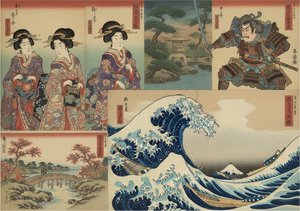
Ukiyo-e: Exploring Japan's Floating World & Enduring Artistic Legacy
Explore the captivating world of Ukiyo-e – Japan's iconic woodblock prints! Discover masters like Hokusai & Hiroshige, learn about Edo period culture, and find expert art collecting guidance at OriginalUniqueArt.
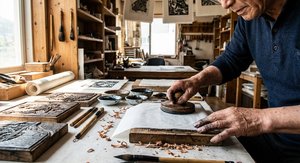
The Enduring Legacy of Woodblock Printmaking: Technique, History & Artistic Expression
Explore the rich history of woodblock printmaking – from ancient techniques to Ukiyo-e masterpieces. Discover expert insights on collecting, preserving & appreciating this enduring art form.
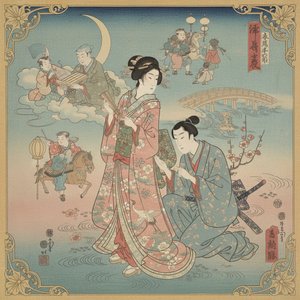
Suzuki Harunobu: Pioneering Ukiyo-e & the Refinement of Edo Period Printmaking
Discover the revolutionary world of Suzuki Harunobu, a pioneer of ukiyo-e printmaking. Explore his exquisite nishiki-e techniques, diverse subjects & lasting impact on Japanese art history. Learn more at OriginalUniqueArt.
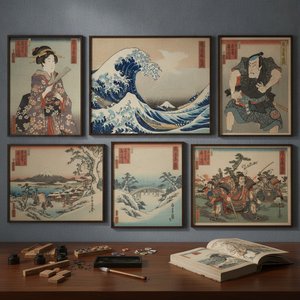
Ukiyo-e: The Art of the Floating World and the Legacy of Japanese Woodblock Masters
Explore the profound history of Ukiyo-e, from Hokusai's iconic waves to the vibrant culture of Edo Japan. Discover the intricate craft of woodblock printing and the enduring legacy of these Japanese masterpieces through our expert art history guide.

Katsushika Hokusai's 25 Meesterwerken: Japanse Kunst voor uw Interieur | OriginalUniqueArt
Ontdek de 25 meesterwerken van Katsushika Hokusai, de Japanse Ukiyo-e kunstenaar! Reis door zijn iconische prints zoals 'The Great Wave' en Mount Fuji. Vind museumkwaliteit reproducties & inspiratie voor uw interieur op OriginalUniqueArt.com.


