
 Voorvertoning
 Verstuur
 Delen
Delen
 Details bekijken
 Gids
Gids

 Download
 Vergelijkbare items
 Röntgenonderzoek
 Diavoorstelling
 Q&A
Q&A Statistieken
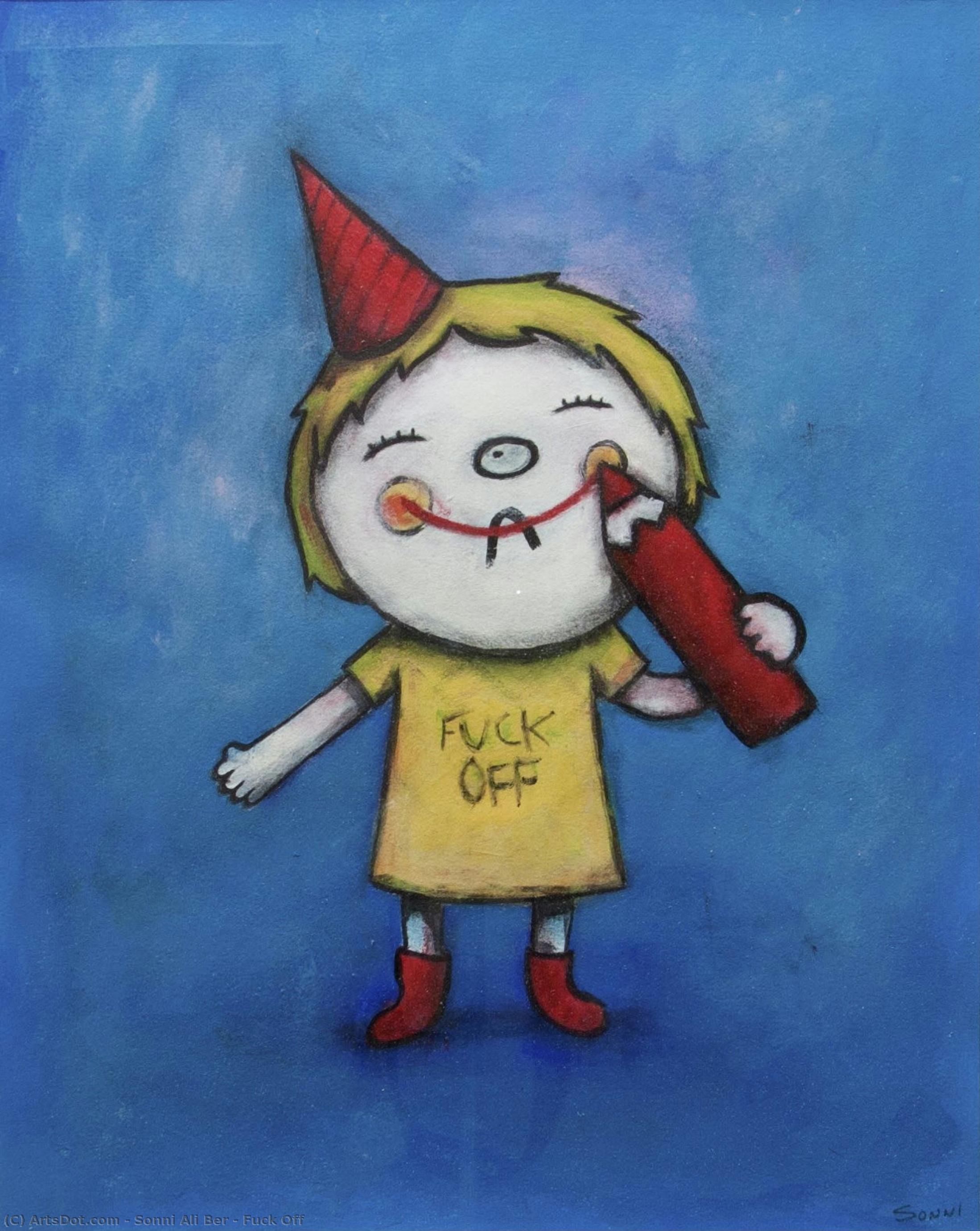
Fuck Off
 Acrylic On Paper
- Contemporary Art
 Contemporary
 40.0 x 50.0 cm
 Graffitimundo
 Lees meer
Giclée / Kunstafdrukken
Giclée- of canvasafdruk van museumkwaliteit met een snelle productie en flexibele afwerkingsmogelijkheden. ( Bestel handgeschilderde reproductie Schakel over naar digitale afbeeldingen)




P118B €10

P118H €10

P118W €10

P438Z €10

P508JH €12

P508YH €12

P805H €10

P805Z €10

P919BZ €10

P919G €10

P919XJ €10

P959ZH €10

P968JZ €12

W106C €8

W218G €10

W218JH €8

W218Y €10

W307PJ €10

W316G €10

W316PJ €8

W316Y €10

W398PJ €8

W4111J €10

W500HY €15

W500JH €15

W692G €12

W849H €8

W940BG €15

W953PJ €8




Kies uit onze vooraf ingestelde maten die overeenkomen met de originele verhoudingen van het kunstwerk.

Voer de gewenste breedte en hoogte in, passend bij uw lijst of muur. Een afdruk kan alleen worden ingekort en nooit groter worden gemaakt dan het origineel; een formaat met andere verhoudingen zal daarom een deel van de afbeelding verliezen. Wij sturen u een digitaal mockup ter goedkeuring voordat we tot drukwerk overgaan. De afbeelding op deze pagina toont niet de werkelijke uitsnede — dit is alleen te zien op het mockup.
Wereldwijde levering () binnen 2 weken in plaats van de standaard 4/5 weken. (31 oktober)

Gratis wereldwijde expressverzending

Hoogwaardig linnen canvas

Volledige verzendverzekering

Garantie op terugbetaling van invoerrechten

Garantie op exacte kleurweergave

Retourbeleid van 100 dagen (alleen bij defecten)

100% Geld-terug-garantie

Korting bij meerdere afnames
 De optie voor glas is alleen beschikbaar bij een formaat kleiner dan 110 cm.

Fuck Off
Giclée / Kunstafdrukken
Afmetingen reproductie
-


Eindtotaal
€ 72
Veelgestelde vragen
Hoe kan ik een digitale afbeelding van "Fuck Off" door Sonni Ali Ber verkrijgen?
Een digitale afbeelding van "Fuck Off" door Sonni Ali Ber is verkrijgbaar op de Digitale afbeelding pagina: een digitale afbeelding in hoge resolutie om te downloaden.
Uit welke historische periode stamt "Fuck Off" door Sonni Ali Ber?
"Fuck Off" door Sonni Ali Ber dateert uit de Contemporary-periode. Deze periode biedt de historische context van het werk.
Wat voegt "Fuck Off" door Sonni Ali Ber toe aan een interieur?
"Fuck Off" door Sonni Ali Ber heeft een Bold atmosfeer en wordt aanbevolen voor de Coffee Shop. De stemming bepaalt wat het werk toevoegt aan de omringende ruimte.
Gerelateerde artikelen

Roy Lichtenstein's Top 25 Meesterwerken: Pop Art voor uw Interieur | OriginalUniqueArt
Ontdek de 25 meest iconische werken van Roy Lichtenstein! Duik in de wereld van Pop Art, stripkunst & Ben-Day dots. Vind museumkwaliteit reproducties en inspiratie voor uw interieurdecoratie op OriginalUniqueArt.com.
Top 10 Meesterwerken Gedomineerd door 'Chrome Geel': Kunst voor uw Interieur
Ontdek de top 10 beroemde schilderijen gedomineerd door 'Chrome Geel'! Van Gogh, Monet en meer. Leer over kunststijlen & technieken. Museumkwaliteit reproducties voor uw interieur op OriginalUniqueArt.com
The Golden Hue: Exploring Symbolism & Emotion in Yellow Art
Explore the rich symbolism & emotional power of yellow in art history! From Van Gogh to Kandinsky, discover how artists used this vibrant hue. Expert analysis & high-quality reproductions at OriginalUniqueArt.
Top 10 Meesterwerken Gedomineerd door Okergeel: Kunst voor uw Interieur
Ontdek de top 10 beroemde schilderijen gedomineerd door okergeel! Van Gogh, Rembrandt & Vermeer – leer hun verhaal en bewonder warme kleuren in kunst. Vind museumkwaliteit reproducties voor uw interieur op OriginalUniqueArt.com.

Martin Johnson Heade: Luminism, American Identity & the Poetic Still Life
Explore the captivating world of Martin Johnson Heade, a master of Luminism. Discover his serene landscapes, vibrant still lifes & profound connection to American identity. Learn about his techniques and legacy.