

 Bekijk op ware grootte
 Verstuur
 Delen
Delen
 Details bekijken
 Gids voor studentenkunstwerken

 Download
 Vergelijkbare items
 Röntgenonderzoek
 Diavoorstelling
 Statistieken
The First Communion
 Acrylic On Canvas
- WallArt
- Post-Impressionism
 1907
1907 58.0 x 53.0 cm
 National Trust
 Lees meer
Giclée / Kunstafdrukken
Giclée- of canvasafdruk van museumkwaliteit met een snelle productie en flexibele afwerkingsmogelijkheden. ( Koop handgeschilderd kunstwerk Schakel over naar digitale afbeeldingen)




P118B €10

P118H €10

P118W €10

P438Z €10

P508JH €12

P508YH €12

P805H €10

P805Z €10

P919BZ €10

P919G €10

P919XJ €10

P959ZH €10

P968JZ €12

W106C €8

W218G €10

W218JH €8

W218Y €10

W307PJ €10

W316G €10

W316PJ €8

W316Y €10

W398PJ €8

W4111J €10

W500HY €15

W500JH €15

W692G €12

W849H €8

W940BG €15

W953PJ €8




Kies uit onze vooraf ingestelde maten die overeenkomen met de originele verhoudingen van het kunstwerk.

Voer de breedte en de hoogte in die u nodig heeft, passend bij uw lijst of uw muur. Een afdruk kan alleen worden ingekort, nooit groter worden gemaakt dan het origineel, waardoor een formaat met een andere verhouding een deel van de afbeelding verliest. Wij sturen u een digitaal mockup ter goedkeuring voordat we iets drukken. De afbeelding op deze pagina toont niet de werkelijke uitsnede — dit is alleen te zien op het mockup.
Wereldwijde levering () binnen 2 weken in plaats van de standaard 4/5 weken. (25 oktober)

Gratis wereldwijde expressverzending

Hoogwaardig linnen canvas

Volledige verzendverzekering

Garantie op terugbetaling van invoerrechten

Garantie op exacte kleurweergave

Retourbeleid van 100 dagen (alleen bij defecten)

100% Geld-terug-garantie

Korting bij meerdere afnames
 De optie voor glas is alleen beschikbaar bij een formaat kleiner dan 110 cm.

The First Communion
Giclée / Kunstafdrukken
Formaat reproductie
-


Totaalprijs
€ 71
A Moment Frozen in Time: Sir William Nicholson’s “The First Communion”
Sir William Nicholson's "The First Communion," painted in 1907, isn’t merely a depiction of a religious ceremony; it’s a poignant snapshot of Victorian England imbued with a delicate blend of realism and sentimentalism. The painting captures a young girl, poised on the steps of an unassuming building – likely a church or community hall – as she prepares to receive her First Communion. Her posture, slightly hesitant yet undeniably hopeful, immediately draws the viewer in, establishing a quiet intimacy that transcends the formal setting. Nicholson masterfully utilizes light and shadow, bathing the scene in a soft, diffused glow that emphasizes the girl’s youthful face and the simple elegance of her white dress. The background, subtly rendered with a streetscape and a distant building, provides context without distracting from the central subject – a testament to Nicholson's skill in balancing detail and atmosphere.
The Beggarstaff Legacy and Artistic Influences
Understanding “The First Communion” requires acknowledging Sir William Nicholson’s place within the broader artistic landscape of his time. He was a key figure in the Beggarstaff partnership, alongside James Pryde, renowned for their groundbreaking graphic work – posters, illustrations, and designs that challenged Victorian conventions with their bold lines, dynamic compositions, and often satirical wit. This experience profoundly shaped Nicholson's approach to painting, instilling a keen eye for composition, color, and capturing fleeting moments of everyday life. The influence of the Pre-Raphaelites is also evident in the painting’s meticulous attention to detail and its focus on portraying human emotion with remarkable sensitivity. The careful rendering of textures – the fabric of the dress, the worn steps – speaks to a desire for realism tempered by an artistic vision.
Symbolism and Victorian Values
“The First Communion” is rich in symbolic meaning, deeply rooted in the values of the late 19th century. The girl’s white dress represents purity and innocence, a visual shorthand for her transition into adulthood and her acceptance within the Christian community. Her hesitant posture suggests both vulnerability and anticipation – she's on the cusp of a significant religious experience. The presence of other figures in the background—a man standing near the left side, another on the right, and two individuals closer to the center—adds a layer of social context, hinting at a community gathered to witness this important rite of passage. The clock mounted on the building’s exterior wall subtly references time and the passage of life, reinforcing the painting's theme of transition and growth. The bird flying above adds an element of lightness and hope, suggesting that this moment marks the beginning of a bright future.
A Window into Victorian Life and Nicholson’s Vision
Beyond its religious subject matter, “The First Communion” offers a valuable glimpse into Victorian society. The modest setting, the everyday attire of the figures, and the quiet dignity of the scene all speak to the values of restraint, piety, and community that were prevalent at the time. Nicholson’s ability to capture this atmosphere with such sensitivity is remarkable. He doesn't simply depict a religious ceremony; he creates a compelling portrait of a moment in time—a moment filled with hope, innocence, and the quiet beauty of human connection. The painting remains a powerful testament to Nicholson’s artistic talent and his profound understanding of the human condition. Reproductions of this evocative work continue to resonate with viewers today, offering a timeless reflection on faith, childhood, and the enduring power of art.
Vragen & Antwoorden
Hoe intens zijn de kleuren in "The First Communion" door William Nicholson?
De kleurintensiteit van "The First Communion" is Balanced. Intensiteit beschrijft hoe krachtig de kleuren overkomen.
Wordt "The First Communion" door William Nicholson bewaard in het land van herkomst van de kunstenaar?
Ja - het kunstwerk wordt bewaard in het land van herkomst van de kunstenaar. "The First Communion" wordt bewaard in Verenigd Koninkrijk, terwijl William Nicholson werd geboren in Verenigd Koninkrijk.
Waar kan ik een voorproefje van "The First Communion" bekijken?
Om een reproductie van "The First Communion" door William Nicholson te bekijken, opent u de Voorvertoning pagina van het kunstwerk.
Biografie van de kunstenaar
Early Life and Artistic Beginnings
Sir William Newzam Prior Nicholson, geboren in Newark-on-Trent in 1872, kwam uit een achtergrond die industriële pragmatisme combineerde met artistieke gevoeligheid. Zijn vader, een succesvolle ingenieur en Conservatieve parlementslid, legde een gevoel van discipline aan hem over, terwijl zijn moeder’s afkomst hem verbond met de esthetische tradities van Oxfordshire. Vanaf jonge leeftijd toonde Nicholson een aangeboren talent voor kunst, gekneed door lessen van William Cubley, een lokale schilder die zelf zijn artistieke wortels terugvoerde naar Sir Joshua Reynolds. Deze vroege blootstelling legde de basis voor een carrière die zich over verschillende media en stijlen zou uitspreiden. Een kort verblijf op Hubert von Herkomer’s kunstschool bleek cruciaal, niet alleen om zijn vaardigheden te verfijnen, maar ook om hem kennis te laten maken met Mabel Pryde, wiens hand je later in zijn bloeiende artistieke reis zou vinden. Door Mabel leerde hij haar broer, James Pryde kennen, een partnerschap dat al snel de wereld van grafisch ontwerp zou revolutioneren.The Beggarstaffs and a Revolution in Poster Art
De samenwerking tussen William Nicholson en James Pryde, bekend als “J. & W. Beggarstaff”, markeerde een keerpunt in Britse visuele cultuur. Ze verwerpen de heersende ornate esthetiek van Victoriaanse posters en omarmen een opvallende eenvoud gekenmerkt door slanke silhouetten, vlakke kleuren en een bewuste afwijzing van traditioneel perspectief. Hun ontwerpen waren niet alleen reclame; het waren uitspraken – krachtige, grafische composities die de verbeelding van het publiek aanspraken. Posters voor producties zoals *Don Quixote* en publicaties zoals *Harper’s Magazine* werden onmiddellijk herkenbaar, waardoor een generatie kunstenaars en ontwerpers werd beïnvloed. Deze periode was niet alleen gericht op commerciële kunst; het ging om het opnieuw definiëren van visuele communicatie zelf. Het werk van de Beggarstaffs daagde conventies uit, legde de basis voor modern grafisch ontwerp en vestigde Nicholson’s reputatie als innovator. Hun impact rees verder dan de wereld van posters, beïnvloedde illustratie en zelfs schilderkunst met hun nadruk op sterke vormen en bewuste compositie.From Woodcuts to Portraits: A Developing Style
Na het uiteenvallen van de Beggarstaff partnerschap, begon Nicholson een periode van stijlenxperimentatie. Hij richtte zich op houtsnede en houtgravure, technieken waarmee hij zijn meesterschap in lijn en vorm verder kon verfijnen. Geïnspireerd door de invloedrijke James Abbott McNeill Whistler, omarmde hij deze methoden, waarbij hij doordachte en evocatieve prints produceerde die zijn groeiende artistieke volwassenheid toonden. Deze werken toonden een opmerkelijk vermogen om essentie vast te leggen met minimale details, een kwaliteit die kenmerkend zou worden voor zijn stijl. Tegelijkertijd begon Nicholson zich te etableren als portretschilder, waarbij hij commissies ontving van prominente figuren uit die tijd. Zijn portretten waren niet alleen likenesses; het waren inzichtelijke studies van karakter, die het innerlijke leven van zijn onderwerpen onthulden door subtiele nuances van expressie en houding. Werken zoals *Lady in Furs, Mme. P.* illustreren deze vaardigheid, waarbij niet alleen fysieke verschijning maar ook een gevoel van persoonlijkheid en sociale status wordt vastgelegd.Still Life, Landscape, and Lasting Legacy
In de latere stadia van zijn carrière concentreerde Nicholson zich steeds meer op stillevenschilderkunst en landschapschilderkunst. Zijn stillevenschilderingen, zoals *The Lowestoft Bowl*, worden geëerd om hun exquisite aandacht voor detail, harmonieuze kleurenpaletten en een rustige sfeer van intimiteit. Hij verleende alledaagse objecten een poëtische kwaliteit, waardoor ze meer waren dan alleen representaties; ze werden symbolen van schoonheid en contemplatie. Zijn landschappen, vaak afkomstig uit zijn reizen naar Spanje en Italië, vangen de essentie van plaats met opmerkelijke vaardigheid. Doorheen zijn leven bleef Nicholson een veelzijdige kunstenaar, voortdurend experimenterend met nieuwe technieken en benaderingen. Hij schreef kinderboeken, ontwierp voor het theater en produceerde prints naast zijn schilderijen. Sir William Nicholson’s invloed strekt zich uit verder dan zijn eigen productieve output; hij inspireerde generaties kunstenaars met zijn toewijding aan vakmanschap, zijn innovatieve geest en zijn vermogen om schoonheid te vinden in het alledaagse. Zijn werk is een getuigenis van de kracht van kunst om de menselijke ervaring te verlichten en onze perceptie van de wereld om ons heen te transformeren. *Hij stierf in 1949*, waardoor een rijke artistieke nalatenschap achterbleef die vandaag de dag nog steeds fascineert en inspireert.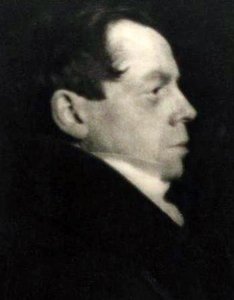
William Nicholson
1872 - 1949 , Verenigd Koninkrijk
Snelle feiten
- Artistic Movement Or Style: Still, portret & houtsnede
- Artists Or Movements Influenced By This Artist: ['Beggarstaffs']
- Artists Who Influenced This Artist:
- Whistler
- Pryde
- Date Of Birth: 5 februari 1872
- Date Of Death: 16 mei 1949
- Full Name: Sir William Newzam Prior Nicholson
- Nationality: Britse kunstenaar
- Notable Artworks:
- Lady in Furs
- Lowestoft Bowl
- Place Of Birth: Newark, Verenigd Koninkrijk
Gerelateerde artikelen
Sir William Nicholson: A Study in Post-Impressionist Portraiture & Decorative Modernism
Explore the life & work of Sir William Nicholson, a pivotal British Post-Impressionist painter. Discover his striking portraits, innovative woodcuts, and lasting influence on early 20th-century art. Expert insights for collectors.
Penry Williams: Evoking Welsh Nostalgia Through Impressionistic Landscapes
Explore the captivating world of Penry Williams (1802-1885), a Welsh artist renowned for his evocative Impressionistic landscapes and scenes of Italy. Discover his life, style & legacy with OriginalUniqueArt.
Sacred Narratives on Canvas: Exploring Religious Painting Through History
Explore the rich history of religious painting with OriginalUniqueArt.com! Discover iconic artworks, symbolism & techniques from antiquity to the Renaissance. Enhance your art appreciation today.

Ben Nicholson OM: Modernism's Abstract Pioneer & the Poetics of Relief
Explore the revolutionary abstract art of Ben Nicholson OM. Discover his geometric masterpieces, collaborations with Barbara Hepworth & investment potential. Expert insights for collectors.

Sacred Narratives Embodied: A Comprehensive Exploration of Religious Iconography in Art History
Explore the rich history of religious iconography in art! Discover symbolism, movements & masterpieces from Byzantine to Renaissance periods. Expert insights for collectors and enthusiasts at OriginalUniqueArt.
