

 Voorvertoning
 Verstuur
 Delen
Delen
 Details bekijken

 Download
 Vergelijkbare items
 Röntgenonderzoek
 Diavoorstelling
Hampstead Heath, Flagstaff
 Oil On Canvas
- WallArt
- Post-Impressionism
 1908
1908 33.0 x 27.0 cm
 Bristol Museum - Art Gallery
 Lees meer
Giclée / Kunstafdrukken
Giclée- of canvasafdruk van museumkwaliteit met een snelle productie en flexibele afwerkingsmogelijkheden. ( Bestel handgeschilderde reproductie Koop afbeelding)




P118B $10

P118H $10

P118W $10

P438Z $10

P508JH $12

P508YH $12

P805H $10

P805Z $10

P919BZ $10

P919G $10

P919XJ $10

P959ZH $10

P968JZ $12

W106C $8

W218G $10

W218JH $8

W218Y $10

W307PJ $10

W316G $10

W316PJ $8

W316Y $10

W398PJ $8

W4111J $10

W500HY $15

W500JH $15

W692G $12

W849H $8

W940BG $15

W953PJ $8




Kies uit onze vooraf ingestelde maten die overeenkomen met de originele verhoudingen van het kunstwerk.

U kunt uw eigen afmetingen opgeven om in een specifieke lijst of ruimte te passen. Als de door u gekozen maat niet overeenkomt met de proporties van het originele kunstwerk, zullen wij de afbeelding bijsnijden of uitbreiden met een gespiegelde of effen rand. Een digitaal mockup wordt ter goedkeuring naar u verzonden voordat de productie begint.
Houd er rekening mee dat de preview op het scherm de werkelijke bijsneding of uitbreiding niet weergeeft. Alleen de mockup toont de uiteindelijke compositie nauwkeurig.
Hoewel aangepaste maten beschikbaar zijn, raden wij aan een afmeting uit de vooraf bepaalde lijst te kiezen om de originele proporties te behouden.
Wereldwijde levering () binnen 2 weken in plaats van de standaard 4/5 weken. (23 augustus)

Gratis wereldwijde expressverzending

Hoogwaardig linnen canvas

Volledige verzendverzekering

Garantie op terugbetaling van invoerrechten

Garantie op exacte kleurweergave

Retourbeleid van 60 dagen (alleen bij defecten)

100% Geld-terug-garantie

Korting bij meerdere afnames
 De optie voor glas is alleen beschikbaar bij een formaat kleiner dan 110 cm.

Hampstead Heath, Flagstaff
Giclée / Kunstafdrukken
Afmetingen reproductie
-


Eindtotaal
$ 81
Beschrijving verzamelobject
A Moment on Hampstead Heath: William Nicholson’s Evocative Vision
William Nicholson's "Hampstead Heath, Flagstaff," painted in 1908, isn’t merely a depiction of a London landscape; it’s a carefully constructed tableau brimming with quiet observation and subtle emotional resonance. The painting captures a fleeting moment on the sprawling heath, a gathering of figures clustered around a prominent flagpole – a focal point that immediately draws the eye and subtly anchors the scene within a broader narrative of community and national identity. Nicholson, a pivotal figure in British art at the turn of the 20th century, masterfully employs the tenets of Impressionism and Post-Impressionism to create an atmosphere both familiar and imbued with a delicate sense of melancholy. The muted palette – dominated by browns, greens, and greys punctuated by hints of white in the clouds – immediately establishes a mood of diffused light and contemplative stillness, reminiscent of a late afternoon on a cool autumn day.
Composition and Technique: A Study in Atmospheric Perspective
Nicholson’s compositional choices are deliberate and effective. The flagpole, rendered with a slight vertical emphasis, acts as a visual axis, guiding the viewer's eye through the scene towards the figures in the foreground. These individuals – a small group of men and women – are depicted with a remarkable degree of naturalism, yet their forms are softened by the atmospheric perspective Nicholson skillfully utilizes. Notice how they gradually diminish in size and detail as they recede into the background, creating an illusion of depth that seamlessly blends with the rolling expanse of the heath. The artist’s brushwork is loose and expressive, characteristic of his style, conveying a sense of immediacy and capturing the fleeting quality of light and shadow. He employs visible strokes, layering colors to build up form and texture – particularly evident in the depiction of foliage and the billowing clouds – without resorting to sharp outlines or precise detail. This technique contributes significantly to the painting’s overall atmospheric effect.
Symbolism and Context: National Identity and Everyday Life
The presence of the flagpole is crucial to understanding the painting's deeper significance. In 1908, Hampstead Heath was a popular destination for Londoners seeking respite from the city’s bustle, and flagstaffs were frequently erected on prominent locations like this one to serve as markers or symbols of civic pride. Nicholson subtly elevates this everyday scene into something more profound by suggesting a gathering of individuals united by a shared connection to their community and perhaps even to national identity. The figures are engaged in conversation, seemingly lost in contemplation – they represent the ordinary people of London, enjoying a moment of leisure amidst the grandeur of the heath. The painting subtly invites us to consider the relationship between public spaces, social gatherings, and the collective consciousness.
Emotional Resonance: A Quiet Sense of Nostalgia
Beyond its technical merits and symbolic layers, “Hampstead Heath, Flagstaff” possesses a powerful emotional resonance. There’s an undeniable sense of nostalgia woven into the scene – a longing for simpler times, for connection with nature, and perhaps even for a lost sense of community. The muted colors, the diffused light, and the quiet demeanor of the figures all contribute to this feeling. It's not a vibrant, celebratory depiction; rather, it’s a quietly contemplative one, inviting us to pause and reflect on the beauty and serenity of the natural world. Nicholson’s masterful ability to capture such subtle emotional nuances is what elevates this painting beyond a mere landscape view – it becomes a poignant meditation on the human experience.
Further Exploration
To delve deeper into William Nicholson's artistic journey, consider exploring his early collaborations with James Pryde, particularly their Beggarstaff prints. His work at the Sir William Dunn School of Pathology also offers insights into his diverse interests and creative spirit. For a more detailed examination of this specific painting, you can visit Art UK for further information and related resources.
Biografie van de kunstenaar
Early Life and Artistic Beginnings
Sir William Newzam Prior Nicholson, geboren in Newark-on-Trent in 1872, kwam uit een achtergrond die industriële pragmatisme combineerde met artistieke gevoeligheid. Zijn vader, een succesvolle ingenieur en Conservatieve parlementslid, legde een gevoel van discipline aan hem over, terwijl zijn moeder’s afkomst hem verbond met de esthetische tradities van Oxfordshire. Vanaf jonge leeftijd toonde Nicholson een aangeboren talent voor kunst, gekneed door lessen van William Cubley, een lokale schilder die zelf zijn artistieke wortels terugvoerde naar Sir Joshua Reynolds. Deze vroege blootstelling legde de basis voor een carrière die zich over verschillende media en stijlen zou uitspreiden. Een kort verblijf op Hubert von Herkomer’s kunstschool bleek cruciaal, niet alleen om zijn vaardigheden te verfijnen, maar ook om hem kennis te laten maken met Mabel Pryde, wiens hand je later in zijn bloeiende artistieke reis zou vinden. Door Mabel leerde hij haar broer, James Pryde kennen, een partnerschap dat al snel de wereld van grafisch ontwerp zou revolutioneren.The Beggarstaffs and a Revolution in Poster Art
De samenwerking tussen William Nicholson en James Pryde, bekend als “J. & W. Beggarstaff”, markeerde een keerpunt in Britse visuele cultuur. Ze verwerpen de heersende ornate esthetiek van Victoriaanse posters en omarmen een opvallende eenvoud gekenmerkt door slanke silhouetten, vlakke kleuren en een bewuste afwijzing van traditioneel perspectief. Hun ontwerpen waren niet alleen reclame; het waren uitspraken – krachtige, grafische composities die de verbeelding van het publiek aanspraken. Posters voor producties zoals *Don Quixote* en publicaties zoals *Harper’s Magazine* werden onmiddellijk herkenbaar, waardoor een generatie kunstenaars en ontwerpers werd beïnvloed. Deze periode was niet alleen gericht op commerciële kunst; het ging om het opnieuw definiëren van visuele communicatie zelf. Het werk van de Beggarstaffs daagde conventies uit, legde de basis voor modern grafisch ontwerp en vestigde Nicholson’s reputatie als innovator. Hun impact rees verder dan de wereld van posters, beïnvloedde illustratie en zelfs schilderkunst met hun nadruk op sterke vormen en bewuste compositie.From Woodcuts to Portraits: A Developing Style
Na het uiteenvallen van de Beggarstaff partnerschap, begon Nicholson een periode van stijlenxperimentatie. Hij richtte zich op houtsnede en houtgravure, technieken waarmee hij zijn meesterschap in lijn en vorm verder kon verfijnen. Geïnspireerd door de invloedrijke James Abbott McNeill Whistler, omarmde hij deze methoden, waarbij hij doordachte en evocatieve prints produceerde die zijn groeiende artistieke volwassenheid toonden. Deze werken toonden een opmerkelijk vermogen om essentie vast te leggen met minimale details, een kwaliteit die kenmerkend zou worden voor zijn stijl. Tegelijkertijd begon Nicholson zich te etableren als portretschilder, waarbij hij commissies ontving van prominente figuren uit die tijd. Zijn portretten waren niet alleen likenesses; het waren inzichtelijke studies van karakter, die het innerlijke leven van zijn onderwerpen onthulden door subtiele nuances van expressie en houding. Werken zoals *Lady in Furs, Mme. P.* illustreren deze vaardigheid, waarbij niet alleen fysieke verschijning maar ook een gevoel van persoonlijkheid en sociale status wordt vastgelegd.Still Life, Landscape, and Lasting Legacy
In de latere stadia van zijn carrière concentreerde Nicholson zich steeds meer op stillevenschilderkunst en landschapschilderkunst. Zijn stillevenschilderingen, zoals *The Lowestoft Bowl*, worden geëerd om hun exquisite aandacht voor detail, harmonieuze kleurenpaletten en een rustige sfeer van intimiteit. Hij verleende alledaagse objecten een poëtische kwaliteit, waardoor ze meer waren dan alleen representaties; ze werden symbolen van schoonheid en contemplatie. Zijn landschappen, vaak afkomstig uit zijn reizen naar Spanje en Italië, vangen de essentie van plaats met opmerkelijke vaardigheid. Doorheen zijn leven bleef Nicholson een veelzijdige kunstenaar, voortdurend experimenterend met nieuwe technieken en benaderingen. Hij schreef kinderboeken, ontwierp voor het theater en produceerde prints naast zijn schilderijen. Sir William Nicholson’s invloed strekt zich uit verder dan zijn eigen productieve output; hij inspireerde generaties kunstenaars met zijn toewijding aan vakmanschap, zijn innovatieve geest en zijn vermogen om schoonheid te vinden in het alledaagse. Zijn werk is een getuigenis van de kracht van kunst om de menselijke ervaring te verlichten en onze perceptie van de wereld om ons heen te transformeren. *Hij stierf in 1949*, waardoor een rijke artistieke nalatenschap achterbleef die vandaag de dag nog steeds fascineert en inspireert.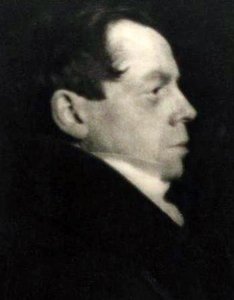
William Nicholson
1872 - 1949 , Verenigd Koninkrijk
Belangrijkste feiten
- Artistic Movement Or Style: Still, portret & houtsnede
- Artists Or Movements Influenced By This Artist: ['Beggarstaffs']
- Artists Who Influenced This Artist:
- Whistler
- Pryde
- Date Of Birth: 5 februari 1872
- Date Of Death: 16 mei 1949
- Full Name: Sir William Newzam Prior Nicholson
- Nationality: Britse kunstenaar
- Notable Artworks:
- Lady in Furs
- Lowestoft Bowl
- Place Of Birth: Newark, Verenigd Koninkrijk
Gerelateerde artikelen
Sir William Nicholson: A Study in Post-Impressionist Portraiture & Decorative Modernism
Explore the life & work of Sir William Nicholson, a pivotal British Post-Impressionist painter. Discover his striking portraits, innovative woodcuts, and lasting influence on early 20th-century art. Expert insights for collectors.

Top 10 Impressionistische Meesterwerken: Kleur, Licht & Emotie voor uw Interieur
Ontdek de top 10 impressionistische meesterwerken van Monet, Renoir & meer! Duik in kleur, licht en emotie met deze iconische schilderijen. Vind museumkwaliteit kunst reproducties voor uw interieur op OriginalUniqueArt.com.

Voorbij Licht en Kleur: Impressionisme versus Post-Impressionisme voor de Veelzijdige Verzamelaar
Ontdek de nuances tussen Impressionisme en Post-Impressionisme. Expertadvies voor kunstverzamelaars over investeren in tijdloze meesterwerken van Monet, Van Gogh & Cézanne.
William Herbert Allen: Capturing Atmospheric Light & the Essence of American Impressionism
Explore the evocative landscapes of William Herbert Allen, a master of American Impressionism. Discover his unique brushwork, atmospheric techniques & legacy through OriginalUniqueArt's curated collection.

Paul Cézanne's Top 25 Meesterwerken: Kleur, Vorm & De Basis van Modern Art | OriginalUniqueArt
Ontdek de 25 meest iconische schilderijen van Paul Cézanne! Duik in zijn kleurrijke wereld, leer over impressionisme & post-impressionisme en bewonder meesterwerken als 'De Baders'. Vind museumkwaliteit reproducties & interieurinspiratie op OriginalUniqueArt.com.


