

 Bekijk op ware grootte
 Verstuur
 Delen
Delen
 Details bekijken
 Gids voor studentenkunstwerken

 Download
 Vergelijkbare items
 Röntgenonderzoek
 Diavoorstelling
 Statistieken
Glenrowan
 Painting
- WallArt
- Contemporary Realism
 Modern
 63.0 x 76.0 cm
 Canberra Museum and Gallery
 Lees meer
De kunstwerken die op deze pagina worden weergegeven, zijn beschermd door de auteursrechtwetgeving, wat betekent dat het ons wettelijk niet is toegestaan om identieke reproducties te maken of te verkopen. Deze bescherming wordt gehandhaafd onder internationale overeenkomsten zoals de Conventie van Bern en door nationale wetgeving, waaronder de bepalingen van de Amerikaanse auteurswet - Titel 17. Alle rechten voorbehouden. Reproduceren of distribueren van afbeeldingen is niet toegestaan zonder uitdrukkelijke schriftelijke toestemming van WahooArt.com en de rechthebbenden.
Deze methode voldoet volledig aan de auteursrechtwetgeving, omdat het niet gaat om het kopiëren of dupliceren van het beschermde kunstwerk. In plaats daarvan is er sprake van een creatieve herinterpretatie — een nieuw schilderij dat door het origineel wordt geïnspireerd, maar er niet identiek aan is.
Giclée / Kunstafdrukken
Giclée- of canvasafdruk van museumkwaliteit met een snelle productie en flexibele afwerkingsmogelijkheden. ( Koop handgeschilderd kunstwerk Schakel over naar digitale afbeeldingen)




P118B €10

P118H €10

P118W €10

P438Z €10

P508JH €12

P508YH €12

P805H €10

P805Z €10

P919BZ €10

P919G €10

P919XJ €10

P959ZH €10

P968JZ €12

W106C €8

W218G €10

W218JH €8

W218Y €10

W307PJ €10

W316G €10

W316PJ €8

W316Y €10

W398PJ €8

W4111J €10

W500HY €15

W500JH €15

W692G €12

W849H €8

W940BG €15

W953PJ €8




Kies uit onze vooraf ingestelde maten die overeenkomen met de originele verhoudingen van het kunstwerk.

Voer de breedte en de hoogte in die u nodig heeft, passend bij uw lijst of uw muur. Een afdruk kan alleen worden ingekort, nooit groter worden gemaakt dan het origineel, waardoor een formaat met een andere verhouding een deel van de afbeelding verliest. Wij sturen u een digitaal mockup ter goedkeuring voordat we iets drukken. De afbeelding op deze pagina toont niet de werkelijke uitsnede — dit is alleen te zien op het mockup.
Wereldwijde levering () binnen 2 weken in plaats van de standaard 4/5 weken. (23 oktober)

Gratis wereldwijde expressverzending

Hoogwaardig linnen canvas

Volledige verzendverzekering

Garantie op terugbetaling van invoerrechten

Garantie op exacte kleurweergave

Retourbeleid van 100 dagen (alleen bij defecten)

100% Geld-terug-garantie

Korting bij meerdere afnames
 De optie voor glas is alleen beschikbaar bij een formaat kleiner dan 110 cm.

Glenrowan
Giclée / Kunstafdrukken
Formaat reproductie
-


Totaalprijs
€ 71
A Vision of Foreboding: The Legend of Glenrowan
In the vast, evocative landscape of Australian mythology, few images resonate with as much haunting intensity as Sir Sidney Robert Nolan’s Glenrowan. This early masterpiece serves as a profound window into the artist's ability to weave historical tragedy with surrealist dreamscapes. The painting captures a pivotal moment in the saga of the Ned Kelly gang, focusing on the site where the legendary bushranger met his ultimate fate. Rather than a mere historical record, Nolan presents us with a scene steeped in an eerie sense of foreboding, where the boundaries between reality and myth begin to dissolve into the shadows of the Australian bush.
The composition is masterfully orchestrated to evoke tension and disquiet. In the foreground, a delicate field of yellow wildflowers and a small, luminous pool of light offer a deceptive moment of tranquility, yet this beauty is sharply juxtaposed against the encroaching darkness. Behind the Glenrowan Inn, two legless and faceless figures emerge from the clearing, clad in the iconic black armour that has become an indelible symbol of Australian art. These figures, stripped of identity and vulnerability exposed, appear as spectral remnants of a violent past, lurking within a landscape that feels both ancient and unsettled.
Technique and the Language of Symbolism
Nolan’s technique in Glenrowan is characterized by a raw, expressive energy that eschews conventional realism in favor of emotional truth. The artist utilizes striking visual contrasts to drive his narrative; the soft, organic textures of the flora are interrupted by aggressive slashes of black cross-hatching across a band of dark sky. This rhythmic use of line creates a sense of atmospheric pressure, as if the very air is heavy with the weight of impending doom. His ability to manipulate light—creating small pockets of brilliance amidst encroaching gloom—serves to guide the viewer's eye through the psychological layers of the piece.
Symbolically, the painting functions as a meditation on exposure and fate. The black armour, while protective in a literal sense, acts here as a mask that de-humanizes the figures, turning them into icons of legend rather than men of flesh and blood. The juxtaposition of the serene landscape with the looming presence of the outlaws suggests that history is never truly buried; it remains etched into the very soil and sky of the land. For the collector or enthusiast, this work offers more than just a depiction of a historical event; it provides a profound exploration of how memory and myth are constructed through color and form.
An Essential Addition to the Discerning Collection
For interior designers and art lovers alike, a high-quality reproduction of Glenrowan offers a sophisticated focal point that commands attention. The painting’s unique palette—ranging from delicate yellows to deep, brooding blacks—allows it to integrate seamlessly into diverse environments, whether in a modern gallery-style setting or a more traditional, curated space. It possesses the rare ability to act as both a conversation piece and a source of quiet contemplation.
Owning a piece of this caliber means bringing a fragment of Australian identity into one's home. The emotional depth of Nolan’s work provides an unparalleled sense of character to any room, offering a window into a world where history, legend, and the raw beauty of the natural landscape collide. It is an investment in storytelling, capturing the restless energy of a master artist who transformed the rugged Australian terrain into a stage for the eternal drama of human existence.
Vragen & Antwoorden
Voor welke afmeting wordt het afdrukken van "Glenrowan" aanbevolen?
Een reproductie van Medium wordt aanbevolen voor "Glenrowan" door Sir Sidney Robert Nolan. De afmetingen kunnen worden aangepast met behoud van de verhoudingen.
Waar gaat "Glenrowan" over?
"Glenrowan" door Sir Sidney Robert Nolan toont: ned kelly, glenrowan inn, bushrangers, australian history, landscape, foreboding, black armour.
Welke kleur valt het meest op in "Glenrowan"?
De kleur die het meest opvalt in "Glenrowan" is Driftwood (#817d43). De dominante kleur is handig bij het afstemmen van een kunstwerk op een interieur.
Biografie van de kunstenaar
A Life Painted in Myth and Landscape
Sir Sidney Robert Nolan, born in Melbourne in 1917, stands as a monumental figure in 20th-century Australian art. His journey was not one of conventional artistic training but rather an explosive emergence from the working-class streets of St Kilda into a world of vibrant imagination and relentless experimentation. Nolan wasn’t simply a painter; he was a visual storyteller, a mythmaker who wrestled with Australia's history, its landscapes, and its very identity. From his early days as a runner for an illegal betting ring to his eventual acclaim on the international stage, Nolan’s life was marked by a restless energy and a refusal to be confined by artistic norms. He absorbed influences from diverse sources – the poetry of Rimbaud, the spatial innovations of Cézanne, the raw emotion of Danila Vassilieff – yet forged a style uniquely his own, one that resonated with a distinctly Australian sensibility. His early exposure to the harsh realities of Melbourne life and the allure of its underbelly would profoundly shape his artistic vision, imbuing his work with a sense of both defiance and vulnerability.The Shaping of an Iconoclast
Nolan’s formative years were steeped in intellectual ferment. The Heide Circle, centered around patrons John and Sunday Reed, proved pivotal. This haven for artists and writers fostered a spirit of radical experimentation and provided Nolan with crucial support during his developing phase. It was at Heide that he encountered kindred spirits – Albert Tucker, Joy Hester, Arthur Boyd – all grappling with the challenge of creating a distinctly Australian modernism. The influence of modernist literature, particularly the Symbolist poets, cannot be overstated. Rimbaud’s call for a “systematic derangement of the senses” became a guiding principle for Nolan, liberating him from representational constraints and encouraging him to explore the emotional power of color, form, and symbolism. His early works demonstrate this influence, often featuring fragmented figures and dreamlike landscapes that hint at deeper psychological truths. He wasn’t interested in merely depicting reality; he sought to capture its essence, its underlying emotions, and its hidden narratives. This period also saw Nolan experimenting with various media, from stage design for the Ballet Russes to commercial art, each experience contributing to his growing technical prowess and artistic vocabulary.Early Influences and Artistic Development
Nolan’s artistic education began informally, fueled by a fascination with European avant-garde movements. He devoured books on Picasso, Klee, Matisse, and the Surrealists—artists who championed spontaneity and emotional expression as antidotes to rationalism. These influences profoundly shaped his stylistic choices, informing his use of bold colors, simplified forms, and evocative imagery. His early paintings reflected a preoccupation with themes of alienation and psychological complexity, mirroring the anxieties of the interwar years. Simultaneously, he honed his skills in commercial art—producing advertising campaigns for Fayrefield Hats—developing precision and technical mastery that would later serve him well in his more ambitious projects. The Heide Circle provided Nolan with an invaluable intellectual community where he could debate ideas and push boundaries alongside fellow artists who shared his vision of a new Australian art.The Iconic Ned Kelly Series
Nolan’s most celebrated achievement is undoubtedly the *Ned Kelly* series, begun in 1946 and continuing until his death in 1992. This monumental undertaking—consisting of 1.620 canvases—transformed the legend of Ned Kelly into a visual exploration of Australian history and identity. Rather than portraying Kelly as a heroic outlaw, Nolan depicted him as an enigmatic figure encased in armor, confronting the vastness of the Australian landscape. The series’s distinctive technique—characterized by flattened planes of color and bold brushwork—became synonymous with Nolan's artistic style. He deliberately avoided traditional representational conventions, prioritizing emotional impact over literal accuracy. This stylistic choice resonated deeply with audiences and cemented Kelly’s image as a symbol for Australia’s rebellious spirit and its complex relationship with its past. The series is considered one of the most important artworks of the 20th century.A Legacy of Visionary Art
Sir Sidney Nolan died in London in 1992, leaving behind an extraordinary body of work that continues to inspire artists and scholars alike. His paintings—spanning landscapes, portraits, and mythological narratives—are held in major museums worldwide, testifying to the enduring power of his artistic vision. He was recognized as a Fellow of the Royal Academy (RA) in 1987 and awarded Companion of the Order of Australia (AC) in 1988—honors reflecting his contribution to Australian culture and art history. Nolan’s influence extends beyond his own oeuvre, shaping the aesthetic sensibilities of subsequent generations of artists who embraced experimentation and sought to express profound emotional truths through innovative visual language. His legacy remains as a testament to the transformative potential of art—a force capable of capturing the spirit of an era and illuminating the complexities of human experience.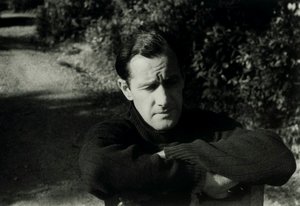
Sir Sidney Robert Nolan
1917 - 1992 , Australië
Snelle feiten
- Artistic Movement Or Style: Modernisme
- Artists Who Influenced This Artist:
- Rimbaud
- Cézanne
- Kandinsky
- Klee
- Date Of Birth: April 22, 1917
- Date Of Death: November 28, 1992
- Full Name: Sir Sidney Robert Nolan
- Nationality: Australisch
- Notable Artworks:
- Ned Kelly serie
- Carriers of Horses
- AFL Serie
- Place Of Birth: Melbourne, Australia
Gerelateerde artikelen
The Golden Hue: Exploring Symbolism & Emotion in Yellow Art
Explore the rich symbolism & emotional power of yellow in art history! From Van Gogh to Kandinsky, discover how artists used this vibrant hue. Expert analysis & high-quality reproductions at OriginalUniqueArt.
Top 10 Meesterwerken Gedomineerd door Okergeel: Kunst voor uw Interieur
Ontdek de top 10 beroemde schilderijen gedomineerd door okergeel! Van Gogh, Rembrandt & Vermeer – leer hun verhaal en bewonder warme kleuren in kunst. Vind museumkwaliteit reproducties voor uw interieur op OriginalUniqueArt.com.

Meesterwerken in Zwart: Top 10 Schilderijen Gedreven door Donkere Tinten | OriginalUniqueArt.nl
Ontdek de kracht van donker! Verlies jezelf in onze top 10 zwarte schilderijen, van Caravaggio tot Manet. Leer over meesterwerken, technieken & emotie. Museumkwaliteit reproducties op OriginalUniqueArt.com – Kunst voor uw interieur.
Top 10 Meesterwerken Gedomineerd door 'Chrome Geel': Kunst voor uw Interieur
Ontdek de top 10 beroemde schilderijen gedomineerd door 'Chrome Geel'! Van Gogh, Monet en meer. Leer over kunststijlen & technieken. Museumkwaliteit reproducties voor uw interieur op OriginalUniqueArt.com
Meesterwerken in Zwart: Top 10 Schilderijen Gedreven door Mars Black - OriginalUniqueArt
Ontdek de kracht van 'Mars Black' in 10 iconische schilderijen! Van Rembrandt tot Manet, duik in de donkere esthetiek en emotionele diepgang van meesterwerken. Vind museumkwaliteit reproducties & decoratie-inspiratie op OriginalUniqueArt.com.


