Bekijk op ware grootte
 Verstuur
 Delen
Delen
 Details bekijken
 Gids
Gids

 Download
 Vergelijkbare items
 Röntgenonderzoek
 Diavoorstelling
 Statistieken
Garrick Between Tragedy and Comedy
 Acrylic On Canvas
- WallArt
- Rococo Portraiture
 1761
1761 148.0 x 183.0 cm
 Lees meer
Giclée / Kunstafdrukken
Giclée- of canvasafdruk van museumkwaliteit met een snelle productie en flexibele afwerkingsmogelijkheden. ( Koop handgeschilderd kunstwerk Schakel over naar digitale afbeeldingen)




P118B $10

P118H $10

P118W $10

P438Z $10

P508JH $12

P508YH $12

P805H $10

P805Z $10

P919BZ $10

P919G $10

P919XJ $10

P959ZH $10

P968JZ $12

W106C $8

W218G $10

W218JH $8

W218Y $10

W307PJ $10

W316G $10

W316PJ $8

W316Y $10

W398PJ $8

W4111J $10

W500HY $15

W500JH $15

W692G $12

W849H $8

W940BG $15

W953PJ $8




Kies uit onze vooraf ingestelde maten die overeenkomen met de originele verhoudingen van het kunstwerk.

U kunt uw eigen afmetingen opgeven om in een specifieke lijst of ruimte te passen. Als de door u gekozen maat niet overeenkomt met de proporties van het originele kunstwerk, zullen wij de afbeelding bijsnijden of uitbreiden met een gespiegelde of effen rand. Een digitaal mockup wordt ter goedkeuring naar u verzonden voordat de productie begint.
Houd er rekening mee dat de preview op het scherm de werkelijke bijsneding of uitbreiding niet weergeeft. Alleen de mockup toont de uiteindelijke compositie nauwkeurig.
Hoewel aangepaste maten beschikbaar zijn, raden wij aan een afmeting uit de vooraf bepaalde lijst te kiezen om de originele proporties te behouden.
Wereldwijde levering () binnen 2 weken in plaats van de standaard 4/5 weken. (21 september)

Gratis wereldwijde expressverzending

Hoogwaardig linnen canvas

Volledige verzendverzekering

Garantie op terugbetaling van invoerrechten

Garantie op exacte kleurweergave

Retourbeleid van 100 dagen (alleen bij defecten)

100% Geld-terug-garantie

Korting bij meerdere afnames
 De optie voor glas is alleen beschikbaar bij een formaat kleiner dan 110 cm.

Garrick Between Tragedy and Comedy
Giclée / Kunstafdrukken
Formaat reproductie
-


Totaalprijs
$ 81
Sir Joshua Reynolds’s Masterful Meditation on Performance: Garrick Between Tragedy and Comedy
- Painted in 1761 during his most prolific period, Sir Joshua Reynolds's "Garrick Between Tragedy and Comedy" is more than a simple portrait; it’s a vibrant exploration of theatricality, human emotion, and the very nature of artistic representation. The painting captures David Garrick at the height of his fame, a figure synonymous with the London stage during the mid-18th century, as he stands poised between the dramatic weight of Tragedy and the playful exuberance of Comedy.
- Reynolds’s genius lies in his ability to translate the ephemeral world of performance into enduring art. He doesn't merely depict Garrick; he embodies him – a man capable of inhabiting vastly different roles with breathtaking skill. The painting functions as a clever parody of the classical myth of Hercules choosing between virtue and pleasure, subtly highlighting Garrick’s own versatility and the dual demands placed upon his talent.
A Symphony of Influences: Correggio and Reni
Reynolds's artistic vision was deeply rooted in the traditions of Italian High Renaissance painting. He drew significant inspiration from Antonio Correggio, renowned for his masterful use of color to evoke emotion and create a sense of depth, particularly evident in the luminous quality of the figures. Similarly, Guido Reni’s influence is apparent in Reynolds's meticulous attention to line and form, lending a classical restraint to the composition. This careful blending of Italian influences with contemporary tastes established Reynolds as a leading figure in the British Royal Academy, setting a new standard for portraiture. The delicate balance between Correggio’s vibrant hues and Reni’s precise lines creates a captivating visual tension within the painting.Symbolic Layers: Tragedy, Comedy, and the Natural World
- The central figures of Tragedy and Comedy are presented as distinct women – one in a flowing pink gown, embodying the passionate intensity of dramatic performance, and the other in a serene blue dress, representing the contemplative nature of tragic roles. Their presence immediately establishes the painting’s thematic core.
- Beyond these immediate representations, Reynolds incorporates subtle symbolic elements. The tree in the background serves as an anchor to the natural world, suggesting that human emotions – both joyful and sorrowful – are rooted in something deeper. The two birds, one near the center and another on the right, may allude to Garrick’s dual nature as a performer, constantly shifting between different characters and emotional states.
A Legacy of Artistic Significance
“Garrick Between Tragedy and Comedy” is widely considered one of Sir Joshua Reynolds's most important works, showcasing his unparalleled ability to capture the essence of his subjects while adhering to classical artistic principles. Executed in 1761 and now residing within the collection at Waddesdon Manor, Buckinghamshire, this painting represents a pivotal moment in British art history. Its meticulous detail, masterful composition, and profound symbolism continue to resonate with viewers today, solidifying Reynolds’s legacy as one of the greatest portrait painters of his era. The piece's enduring appeal lies not only in its technical brilliance but also in its poignant exploration of human nature and the transformative power of performance. Size: 148 x 183 cm Date: 1761 Artist: Sir Joshua Reynolds (1723-1792)Biografie van de kunstenaar
A Luminary of the Enlightenment: The Life and Art of Sir Joshua Reynolds
Born in 1723 in the quaint Devonshire town of Plympton, Sir Joshua Reynolds emerged as a pivotal figure during a period of immense cultural transformation in Britain. His father, Reverend Samuel Reynolds, instilled in him a love for learning and intellectual pursuits, initially steering young Joshua towards a scholarly path. However, an undeniable artistic inclination soon surfaced, leading to his apprenticeship with Thomas Hudson in London at the age of seventeen. This formative experience provided Reynolds with a solid foundation in portraiture—a genre that would define his illustrious career. Hudson’s studio was a bustling hub of fashionable society, exposing Reynolds to the demands and expectations of aristocratic patrons, shaping not only his technique but also his understanding of the social landscape he would come to depict so masterfully. It wasn't merely about capturing likeness; it was about constructing an image that reflected status, taste, and aspiration.Forging a ‘Grand Style’ for British Portraiture
Reynolds didn’t simply replicate what he learned from Hudson. He embarked on a journey of artistic exploration, fueled by a deep admiration for the Old Masters—particularly Raphael, Michelangelo, and Titian. A pivotal moment in his development was a sojourn to Rome in 1750, where he immersed himself in classical art and absorbed the principles of the ‘Grand Style’ – an approach that prioritized idealized beauty, dramatic composition, and historical or mythological allusions. Upon returning to England, Reynolds sought to elevate British portraiture beyond mere representation, infusing it with a sense of dignity and intellectual weight previously unseen. He believed that portraits should not just record physical appearances but also reveal the sitter's character and social standing. This ambition led him to incorporate elements of history painting into his work, often depicting his subjects in elaborate costumes or staged settings reminiscent of classical narratives. He wasn’t merely painting *people*; he was crafting enduring images of power, intellect, and refinement. Reynolds meticulously studied the works of Rubens and Van Dyck, absorbing their techniques for creating a sense of grandeur and theatricality within portraiture. He sought to emulate their ability to imbue subjects with an aura of importance and timelessness.The First President and Champion of the Royal Academy
Reynolds' influence extended far beyond his own canvas. In 1768, he became a founding member of the Royal Academy of Arts, and crucially, its first president—a position he held until his death in 1792. This was a watershed moment for British art, establishing an institution dedicated to fostering artistic talent and promoting national identity. Reynolds tirelessly advocated for the importance of art education and championed the recognition of artists as professionals deserving of respect and patronage. His annual Discourses – lectures delivered to Academy students – became seminal texts on artistic theory and practice, outlining his vision for a distinctly British school of painting. He stressed the importance of studying nature, mastering technique, and cultivating imagination, urging artists to strive for originality while remaining grounded in tradition. Reynolds’ leadership transformed the landscape of British art, elevating its status and laying the foundation for future generations of artistic innovation. He actively promoted the idea that portraiture could be more than a simple likeness; it could be a vehicle for exploring character, social standing, and even historical context.Capturing an Era: Notable Works and Enduring Legacy
Reynolds' prolific output encompassed portraits of some of the most prominent figures of 18th-century Britain—members of the aristocracy, literary luminaries, and military heroes. His portrait of Duke of Devonshire, for example, exudes an air of aristocratic power and sophistication, while his depiction of Peter Darnell Muilman, Charles Crokatt and William Keable in a Landscape showcases his ability to integrate figures seamlessly into natural settings. Mr and Mrs William Lindow is another compelling example of his skill in capturing the intimacy and social dynamics of family life. Beyond individual portraits, Reynolds also excelled at group compositions, skillfully arranging multiple figures within a single frame to create dynamic and engaging narratives. His work wasn’t simply about technical proficiency; it was about storytelling—about conveying the essence of an era through carefully constructed images. Reynolds' paintings are characterized by their meticulous detail, rich colors, and dramatic lighting – elements that contribute to their enduring appeal. He skillfully employed techniques such as chiaroscuro (the contrast between light and dark) to create a sense of depth and volume within his portraits, drawing the viewer’s eye to key features and expressions.A Complex Legacy: Patronage and Beyond
Despite his immense success and influence, Reynolds' career was not without its complexities. He relied heavily on patronage from wealthy aristocrats, who commissioned portraits that served as both a display of wealth and social status. However, he also faced criticism for his idealized depictions of subjects, which some viewed as artificial or lacking in genuine emotion. More recently, scholars have examined Reynolds’ work through the lens of colonialism and slavery, revealing how his portraits often depicted individuals connected to the transatlantic slave trade. The inclusion of enslaved servants in his paintings, such as in the portrait of Francis Barber (a former enslaved person in Samuel Johnson's household), raises uncomfortable questions about the ethical implications of his art and the broader context of 18th-century British society. Despite these complexities, Sir Joshua Reynolds remains a towering figure in British art history—a master painter whose work continues to inspire and provoke debate centuries after his death. His legacy is one of innovation, ambition, and a profound engagement with the social and cultural landscape of his time.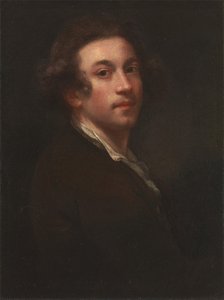
Sir Joshua Reynolds
1723 - 1792 , Verenigd Koninkrijk
Snelle feiten
- Artistic Movement Or Style: Grand Style portret
- Artists Or Movements Influenced By This Artist:
- Titian
- Raphael
- Artists Who Influenced This Artist: ['Thomas Hudson']
- Date Of Birth: 1723
- Date Of Death: 1792
- Full Name: Sir Joshua Reynolds
- Nationality: Britse
- Notable Artworks:
- Duke Devonshire
- Peter Muilman
- Mr & Mrs Lindow
- Place Of Birth: Plymouth, VK
Gerelateerde artikelen

Reflecting Nobility & Nuance: 18th-Century Portraiture as a Window into Societal Values
Explore the world of 18th-century portraiture with OriginalUniqueArt. Discover symbolism, artistic innovation & societal values reflected in masterpieces by Reynolds, Hogarth & more. Expert insights for collectors.
Mastering the Light: An Art Historian's Guide to the Grand Style of Sir Joshua Reynolds
Explore the luminous legacy of Sir Joshua Reynolds. Discover how the master of the 'Grand Style' used dramatic light and classical elegance to define 18th-century British portraiture in this expert art history guide for collectors and enthusiasts.
Sir Joshua Reynolds: Shaping British Art Through Grand Style & Societal Portraiture
Explore the life & work of Sir Joshua Reynolds, a master of British portraiture and founder of the Royal Academy. Discover his 'Grand Style,' techniques, and lasting influence on art history. Learn more at OriginalUniqueArt.
Sir Joshua Reynolds' Meesterwerken: 25 Portretten van Elegantie & Status | OriginalUniqueArt
Ontdek de 25 meesterwerken van Sir Joshua Reynolds! Duik in de wereld van elegante portretten uit de 18e eeuw en bewonder zijn Grand Style. Vind museumkwaliteit reproducties & interieurinspiratie op OriginalUniqueArt.com.
Top 10 Meesterwerken van het Neoclassicisme: Kunst voor een Verfijnd Interieur
Ontdek de 10 meest iconische meesterwerken van het Neoclassicisme! Van David tot Ingres, leer over kunst, techniek & geschiedenis. Vind museumkwaliteit reproducties en verfijnde decoratie op OriginalUniqueArt.com. Exploreer de collectie online!