 Voorvertoning
 Verstuur
 Delen
Delen
 Details bekijken
 Gids
Gids

 Download
 Vergelijkbare items
 Röntgenonderzoek
 Diavoorstelling
 Vraag & antwoord
 Statistieken
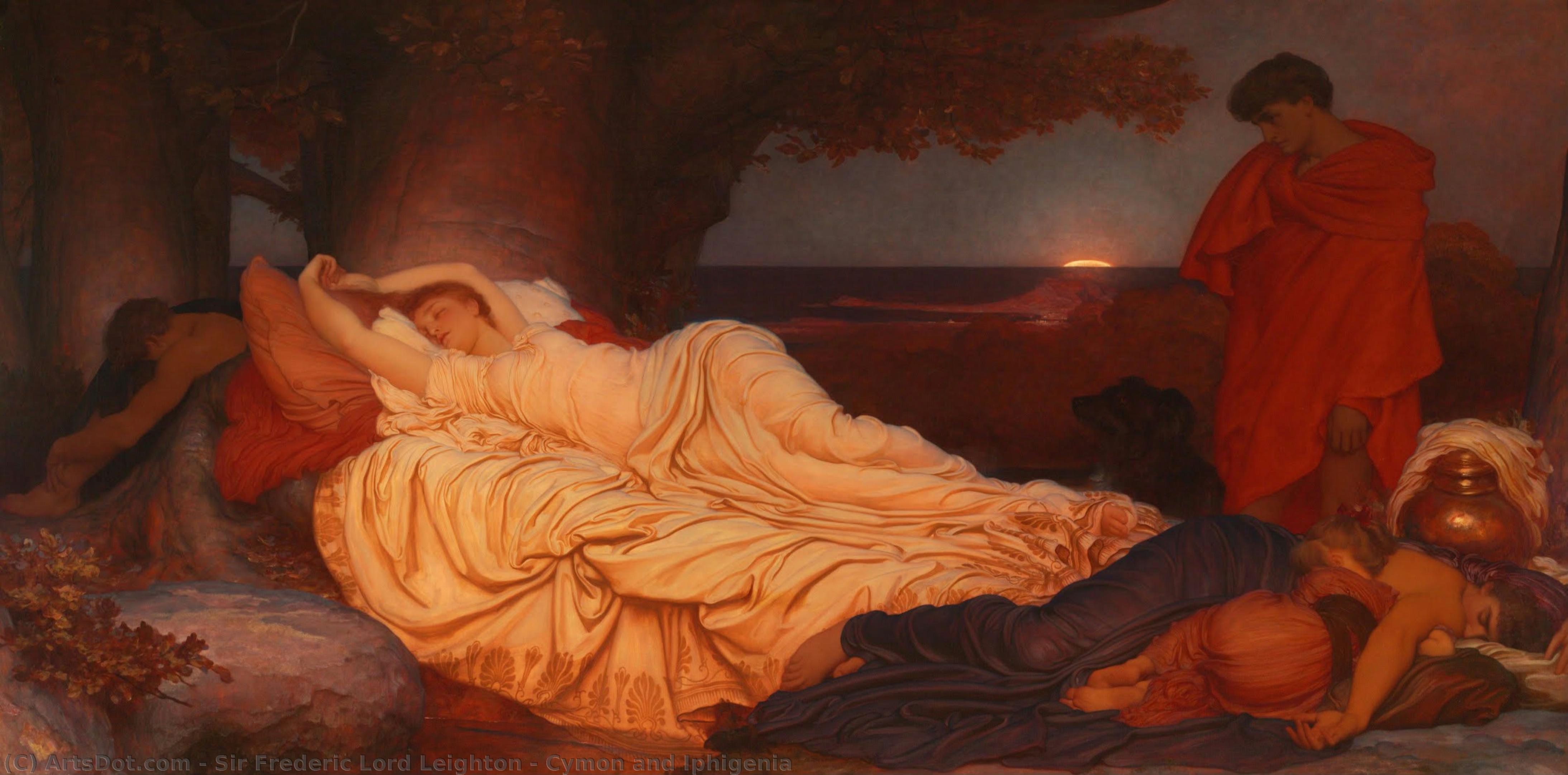
Cymon and Iphigenia

- 218.0 x 390.0 cm


 Lees meer
Giclée / Kunstafdrukken
Giclée- of canvasafdruk van museumkwaliteit met een snelle productie en flexibele afwerkingsmogelijkheden. ( Bestel handgeschilderde reproductie Schakel over naar digitale afbeeldingen)




P118B €10

P118H €10

P118W €10

P438Z €10

P508JH €12

P508YH €12

P805H €10

P805Z €10

P919BZ €10

P919G €10

P919XJ €10

P959ZH €10

P968JZ €12

W106C €8

W218G €10

W218JH €8

W218Y €10

W307PJ €10

W316G €10

W316PJ €8

W316Y €10

W398PJ €8

W4111J €10

W500HY €15

W500JH €15

W692G €12

W849H €8

W940BG €15

W953PJ €8




Kies uit onze vooraf ingestelde maten die overeenkomen met de originele verhoudingen van het kunstwerk.

Voer de gewenste breedte en hoogte in, passend bij uw lijst of muur. Een afdruk kan alleen worden ingekort en nooit groter worden gemaakt dan het origineel; een formaat met andere verhoudingen zal daarom een deel van de afbeelding verliezen. Wij sturen u een digitaal mockup ter goedkeuring voordat we tot drukwerk overgaan. De afbeelding op deze pagina toont niet de werkelijke uitsnede — dit is alleen te zien op het mockup.
Wereldwijde levering () binnen 2 weken in plaats van de standaard 4/5 weken. (3 november)

Gratis wereldwijde expressverzending

Hoogwaardig linnen canvas

Volledige verzendverzekering

Garantie op terugbetaling van invoerrechten

Garantie op exacte kleurweergave

Retourbeleid van 100 dagen (alleen bij defecten)

100% Geld-terug-garantie

Korting bij meerdere afnames
 De optie voor glas is alleen beschikbaar bij een formaat kleiner dan 110 cm.

Cymon and Iphigenia
Giclée / Kunstafdrukken
Afmetingen reproductie
-


Eindtotaal
€ 72
A Vision of Ideal Beauty: Frederic Leighton’s “Cymon and Iphigenia”
Frederic Leighton's "Cymon and Iphigenia," painted in 1884, isn’t merely a depiction of Greek myth; it’s a carefully constructed tableau of Victorian ideals – a testament to beauty, virtue, and the transformative power of love. Leighton, already established as a Royal Academician and a master of historical painting, sought to elevate the narrative beyond its original source material, weaving in elements of Pre-Raphaelite sensuality and classical restraint into a scene brimming with quiet drama. The painting immediately draws the eye to Iphigenia, lying gracefully on a mossy bank beneath an ancient tree – her pose suggesting both languor and vulnerability. Her golden hair cascades around her face, illuminated by dappled sunlight that filters through the leaves, while her eyes are closed in peaceful slumber. The artist’s meticulous attention to detail is evident in every curve of her body, every ripple of fabric, and the delicate rendering of the foliage surrounding her.A Story of Awakening and Moral Ascent
The myth underpinning “Cymon and Iphigenia” originates from Boccaccio’s *Decameron*, a collection of tales set in Florence during the Black Death. The story recounts how the brutish youth Cymon, initially characterized by his rudeness and lack of refinement, encounters the beautiful Iphigenia. Through her presence, he undergoes a profound transformation, shedding his coarse manners and embracing intellectual pursuits – becoming a man of virtue and learning. Leighton cleverly captures this pivotal moment in the narrative, not through overt action but through subtle gestures and expressions. Cymon stands before her, gazing at her with an expression of rapturous admiration, while Iphigenia’s serene repose suggests that she has already initiated his moral awakening. The inclusion of a young slave girl, Lena, adds another layer to the scene, representing innocence and serving as a visual reminder of the transformative power of beauty.Technique and Aesthetic Choices
Leighton's mastery is evident in his masterful use of color and light. He employs a muted palette dominated by earthy greens, browns, and golds, creating an atmosphere of tranquility and timelessness. The lighting is particularly noteworthy – it’s diffused and atmospheric, casting long shadows and highlighting the textures of the foliage and Iphigenia's garments. The artist meticulously rendered every detail with painstaking precision, utilizing a smooth, polished technique that reflects his academic training. He drew heavily on classical sculpture for inspiration, evident in the idealized forms of the figures and the careful arrangement of the composition. The background landscape is deliberately vague, allowing the viewer’s attention to remain focused on the central figures. The use of a dark, almost velvety moss beneath Iphigenia further emphasizes her vulnerability and purity.Symbolism and Victorian Ideals
“Cymon and Iphigenia” is deeply rooted in the artistic and social conventions of Victorian England. The painting embodies several key ideals prevalent during that era: the celebration of beauty, the pursuit of virtue, and the reverence for classical antiquity. Leighton’s choice to depict a mythological scene rather than a contemporary subject allowed him to explore these themes within a framework of idealized beauty and moral instruction. The image speaks to the Victorian fascination with both Greek mythology and the concept of “moral education,” where art was seen as a tool for shaping virtuous citizens. Furthermore, the painting reflects Leighton’s own personal interests – his love of classical sculpture and his desire to create works that were both aesthetically pleasing and morally uplifting. The overall effect is one of serene contemplation, inviting viewers to reflect on the timeless themes of beauty, virtue, and transformation.A Legacy of Beauty: Reproductions and Inspiration
Today, “Cymon and Iphigenia” remains a beloved masterpiece, admired for its exquisite detail, evocative atmosphere, and profound symbolism. High-quality reproductions capture the painting’s luminous quality and intricate details, making it accessible to a wider audience. Its themes continue to resonate with art lovers and interior designers alike, who appreciate its timeless beauty and its ability to evoke a sense of tranquility and contemplation. When selecting a reproduction, consider the scale and framing options to best complement your space – allowing this iconic work of art to grace your home and inspire generations to come.Veelgestelde vragen
Is er een diavoorstelling beschikbaar voor "Cymon and Iphigenia" door Frederic Leighton?
"Cymon and Iphigenia" door Frederic Leighton is te bekijken als een diavoorstelling op de Diavoorstelling-pagina van het kunstwerk.
Op welke fase in de carrière van Frederic Leighton komt de datum uit 1884 van "Cymon and Iphigenia" overeen?
De datum uit 1884 plaatst "Cymon and Iphigenia" in de Mature Period van de ontwikkeling van Frederic Leighton.
In welk jaar en binnen welke stroming werd "Cymon and Iphigenia" gemaakt?
"Cymon and Iphigenia" werd in 1884 gecreëerd als een werk uit de Academic Romanticism-stroming. De datum en de stroming verankeren het kunstwerk in de kunstgeschiedenis.
Biografie kunstenaar
A Life Bathed in Light: The World of Sir Frederic Leighton
Sir Frederic Lord Leighton, geboren in Scarborough, Engeland in 1830, was een figuur van onschatbare betekenis binnen de Britse kunstwereld. Zijn leven en werk zijn doordrenkt van licht, schoonheid en een diepe waardering voor de klassieke wereld – elementen die samen een uniek artistiek erfgoed hebben gecreëerd. Leighton’s pad naar erkenning werd niet door toeval bepaald, maar door een combinatie van privilege, onderwijs en een onstilende nieuwsgierigheid naar de kunstgeschiedenis. Zijn grootvader, een gerespecteerde arts die diende aan het Russische tsaristische hof, legde een financiële basis die hem de vrijheid gaf om zijn passie te volgen zonder de beperkingen van een typisch 19e-eeuws kunstenaarsleven. Deze onafhankelijkheid stelde hem in staat om uitgebreid door Europa te reizen, zich onderdompelend in de artistieke stromingen van Italië, Duitsland en Frankrijk. Tijdens deze cruciale jaren, onder leiding van meesters als Eduard von Steinle en Giovanni Costa, begon Leighton zijn eigen, kenmerkende stijl te ontwikkelen – een harmonieus mengeling van academische precisie, Pre-Raphaëlitiesche sensualiteit en een diepe reverentie voor de klassieke oudheid. Een bijzonder memorabele gebeurtenis in zijn jeugd was zijn ontmoeting met de filosoof Arthur Schopenhauer in Frankfurt op zijn zeventiende verjaardag – een ontmoeting die resulteerde in het enige bekende portret van de beroemd reclusive denker. Deze ervaring getuigt van Leighton’s intellectuele diepgang en zijn fascinatie voor de complexiteit van de menselijke conditie, thema's die door zijn kunstwerken heen zouden resoneren.The Painterly Embrace of Myth and History
Leighton’s artistieke carrière bloeide op in een tijd waarin historische narratieven, biblische verhalen en klassieke mythologie centraal stonden. Hij illustreerde deze onderwerpen niet simpelweg; hij *woon*de ze in, met zorgvuldige research naar kostuums, omgevingen en de nuances van het leven in de oudheid om werken te creëren die zowel authentiek als dramatisch overtuigend aanvoelden. Zijn schilderijen waren geen simpele weergaven – ze waren immersieve ervaringen, die kijkers meevoeren naar werelden van goden, helden en vergeten rijken. Clytie, een van zijn meest bekende werken, illustreert dit principe perfect. Het schilderij toont de nimf Clytie getransformeerd tot een zonnebloem, gevangen in een eeuwige zoektocht naar Apollo. Het is meer dan alleen een mooi beeld; het is een verkenning van onvervulde liefde, verlangen en de transformatieve kracht van de natuur – allemaal met een adembenemende detail en een schijnbaar uit zichzelf stralend licht. Vergelijkbare thema’s komen terug in werken als Flaming June, waarin Leighton’s meesterschap in compositie, kleurgebruik en het vastleggen van beweging op doek tot uiting komt. Hij durfde niet om te schuwen rijke texturen, luxueuze stoffen en dramatische verlichting – elementen die bijdroegen aan de pure visuele pracht van zijn kunst. Zijn aandacht voor detail en zijn vermogen om sfeer te creëren waren ongeëvenaard.Beyond the Canvas: Sculpture and Architectural Vision
Hoewel Leighton voornamelijk bekend staat als een schilder, strekte zijn artistieke ambitie zich verder uit dan de tweedimensionale wereld. Hij was een bekwame beeldhouwer en zijn Athlete Wrestling with a Python, gecreëerd tussen 1888 en 1891, markeerde een cruciale mijlpaal in de Britse beeldhouwkunst – vaak beschouwd als het begin van een renaissance in hedendaagse sculpturale praktijk, bekend als de “New Sculpture”. Dit werk, gebeeldhouwd uit wit marmer, belichaamt zowel fysieke kracht als dramatische spanning. Maar Leighton’s creatieve visie reikte verder dan de beeldhouwkunst. Hij was ook een gepassioneerde verzamelaar van kunst en artefacten, met name die uit het Midden-Oosten. Deze schatten werden niet alleen tentoongesteld; ze werden geïntegreerd in de structuur van zijn huis, Leighton House in Holland Park, Londen. Het huis, ontworpen door George Aitchison, is een meesterwerk op zich – een prachtig voorbeeld van Aestheticisme dat zowel een woonhuis als een atelier was. De iconische Arabische Zaal, met zijn ingewikkelde tegels en hoge bogen, getuigt van Leighton’s eclectische smaak en zijn wens om een totaal kunstwerk te creëren – een omgeving die hem inspiratie en creatieve kracht zou bieden.Legacy and the Echoes of an Era
Leighton's invloed op de Britse kunstwereld was aanzienlijk. Hij diende als president van de Royal Academy van 1878 tot zijn dood in 1896, een positie die hij met groot verdienstelijkheden bekleedde, door artistieke excellentie te bevorderen en een levendige creatieve gemeenschap te stimuleren. Hij werd in 1878 ridderlijke rang verworven, baron in 1886 en, opvallend genoeg, benoemd tot lid van de Kamer van Afgevaardigden (peer) slechts één dag voor zijn overlijden – een weerspiegeling van de enorme respect die hij binnen de kunstwereld en daarbuiten genoot. Hoewel zijn werk na zijn dood tijdelijk in de schaduw verdween, werd het na verloop van tijd opnieuw ontdekt en gewaardeerd. Vandaag de dag worden zijn schilderijen en sculpturen geëerd om hun technische briljantie, hun evocatieve kracht en hun vermogen om kijkers meevoeren naar werelden van schoonheid en verwondering. Zijn nalatenschap is niet alleen een verhaal van artistieke prestaties, maar ook van een leven gewijd aan de zoektocht naar schoonheid, kennis en creatieve innovatie.
Frederic Leighton
1830 - 1896 , Verenigd Koninkrijk
Belangrijkste feiten
- Artistic Movement Or Style: Akademisch, Pre-Raphaël
- Artists Or Movements Influenced By This Artist: ['Nieuwe sculptuur']
- Artists Who Influenced This Artist:
- Steinle
- Costa
- Date Of Birth: 3 dec 1830
- Date Of Death: 25 jan 1896
- Full Name: Sir Frederic Lord Leighton
- Nationality: Britse
- Notable Artworks:
- Clytie
- Flaming June
- Athleet python
- Place Of Birth: Scarborough, VK
Gerelateerde artikelen

The Enduring Allure of Marble in Art History: From Classical Sculpture to Modern Abstraction
Explore the captivating history of marble sculpture from ancient Greece to modern art. Discover renowned artists like Canova & Michelangelo, carving techniques, and investment insights at OriginalUniqueArt.
Sir Frederic Leighton: Aestheticism, Academic Mastery & Victorian Masculinity
Explore the life & art of Sir Frederic Leighton, a master of Victorian Aestheticism. Discover his academic training, sculptural innovations, and captivating depictions of beauty. Expert insights for collectors.

Top 10 Legendarische Bronzen Meesterwerken die de Kunst Veranderden | OriginalUniqueArt
Ontdek de 10 meest legendarische bronzen meesterwerken die de kunstgeschiedenis veranderden! Van Rodin tot Michelangelo, leer over techniek & betekenis. Museumkwaliteit reproducties voor uw interieur op OriginalUniqueArt.com. Exploreer de collectie online!

The Enduring Form: Exploring Themes & Techniques in Sculpture Across Historical Periods
Explore the rich history of sculpture from ancient masterpieces to contemporary innovations. Discover key techniques, influential artists & investment potential for discerning art collectors.

Top 10 Bronzen Beeldhouwwerken die de Kunst Voorgoed Veranderden | OriginalUniqueArt
Ontdek de 10 meest legendarische bronzen beeldhouwwerken die kunstgeschiedenis schreven! Van Rodin tot Michelangelo, leer over hun meesterwerken & technieken. Vind museumkwaliteit reproducties en inspiratie voor uw interieur op OriginalUniqueArt.com.