
 Verstuur
 Delen
Delen
 Details bekijken
 Gids
Gids

 Download
 Vergelijkbare items
 Diavoorstelling
 Q&A
Q&A Statistieken
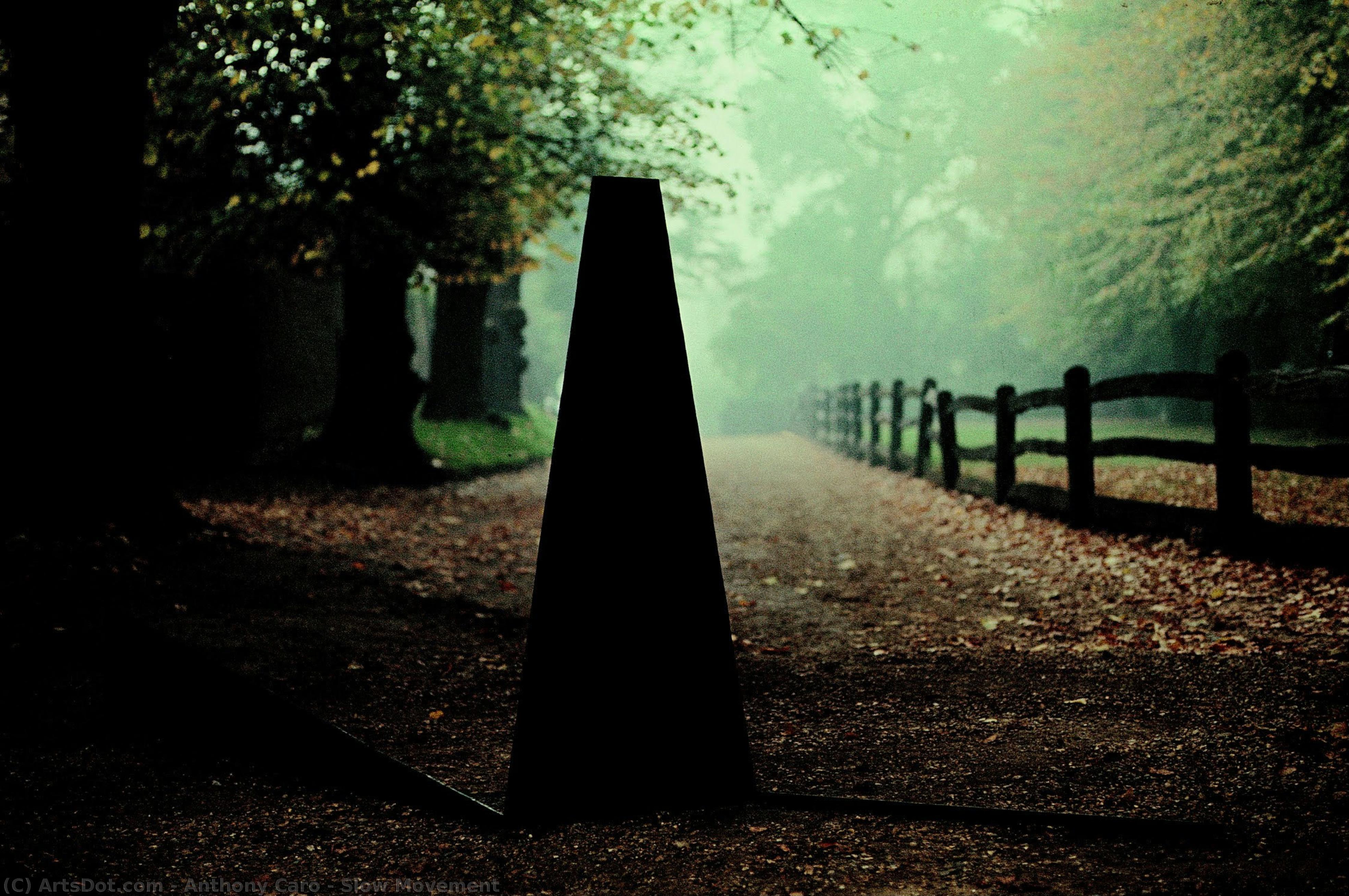
Slow Movement


 Lees meer
Ontvang een bestand dat klaar is voor drukwerk en de kwaliteit van het online voorbeeld ver overstijgt. Elke digitale afbeelding die wij verkopen, is afkomstig van een high-resolution master uit onze database — meestal tussen de 5.000 en 15.000 pixels breed — zodat u met vertrouwen groot kunt afdrukken, nauwkeurig kunt bijsnijden of fijne details kunt reproduceren.
Geen enkel bestand verlaat ons atelier onbewerkt. Een digitaal expert controleert de kleuren aan de hand van het originele schilderij en corrigeert deze indien nodig, om vervolgens de helderheid en details te verbeteren met professionele retoucheertechnieken — waarbij de penseelstreek en stijl van de kunstenaar altijd strikt worden gerespecteerd. Het resultaat is een afbeelding die oogt als het schilderij zelf, en niet als een gescande foto met een filter.
U keurt de afbeelding goed voordat de bestelling wordt afgerond: onze expert stuurt u binnen 72 uur een e-mail ter beoordeling. Niet tevreden? Vraag om aanpassingen of correcties, of vraag een terugbetaling aan als de kwaliteit niet aan de verwachtingen voldoet.
Dit is de kwaliteit waarop uitgevers, designstudio's, galeries en drukkerijen vertrouwen.
Digitale afbeeldingen
Download een bestand met hoge resolutie voor persoonlijke weergave, afdrukken en creatieve projecten. ( Schakel over naar print Bestel handgeschilderde reproductie)
Inbegrepen bij elke bestelling van een digitale afbeelding
Professionele digitale levering, gegarandeerd
Wanneer u kiest voor OriginalUniqueArt.com, ontvangt u niet alleen een afbeelding – u krijgt een professioneel verbeterd digitaal kunstwerk, met precisie vervaardigd en voorzien van een tevredenheidsgarantie. Dit is alles wat automatisch bij uw bestelling is inbegrepen:

Snelle levering per e-mail
Uw hoogwaardige digitale afbeeldingsbestand wordt binnen 72 uur na bestelling naar u gemaild – klaar voor direct gebruik.

AI-verbeterd digitaal bestand
Uw kunstwerk wordt professioneel geoptimaliseerd met behulp van geavanceerde AI-tools en handmatige bewerkingen, waardoor maximale details, helderheid en kleurnauwkeurigheid worden gegarandeerd.

Gratis levenslange herlevering van digitale bestanden
Je bestand per ongeluk verwijderd of kwijtgeraakt? Geen zorgen – we sturen het u op elk gewenst moment gratis opnieuw toe.

Geen invoerkosten – nooit
Geniet direct van uw kunstwerk zonder invoerrechten, belastingen of verzendkosten – digitale downloads zijn altijd belastingvrij.

Garantie op kleurgetrouwheid
Met behulp van professionele hulpmiddelen en kleurbeheer zorgen wij ervoor dat uw digitale afbeelding de originele kleuren zo nauwkeurig mogelijk weergeeft.

100 dagen tevredenheidsgarantie
Mocht u niet tevreden zijn met uw digitale afbeelding, dan passen wij deze aan of storten wij 100% terug binnen 100 dagen – zonder vragen te stellen.

100% Geld-terug-garantie
Niet tevreden? Ontvang een volledige terugbetaling binnen 100 dagen na ontvangst van uw digitale bestand – zonder vragen te stellen.

Korting bij grote bestellingen
Koop 3 afbeeldingen, bespaar 10% - Koop 5, bespaar 15% - Koop 10+, bespaar 20%. Ideaal voor creatieve projecten, galerieën en bureaus.
The Poetics of Form: Encountering Slow Movement
In the realm of modern abstraction, few works command the space with such quiet authority as Sir Anthony Caro’s Slow Movement. Created in 1965, this masterpiece serves as a profound testament to the evolution of British sculpture. At first glance, the work presents a striking geometric configuration—a deliberate arrangement of triangular planes and a singular bar, all unified by a deep, resonant blue that seems to vibrate against the eye. As noted by the critic Norbert Lynton, the sculpture possesses a rhythmic complexity; while it appears as a singular, cohesive entity, its structural components hint at a much more intricate architectural history. The interplay of these planes creates a deceptive sense of perspective, inviting the viewer to navigate a perceived depth that shifts and breathes as one moves around the piece.
The emotional resonance of Slow Movement lies in its ability to evoke motion through stillness. Despite being composed of rigid, industrial elements, the sculpture suggests a kinetic energy—a slow, deliberate unfolding of space. The deep blue coating does more than merely color the metal; it provides a soulful weight, transforming cold, industrial materials into something evocative and atmospheric. For the collector or the enthusiast of modernism, this work offers a meditative experience, pulling the observer into a dialogue between the physical presence of the steel and the ephemeral concept of movement through an unseen void.
A Revolution in Metal and Space
To understand the significance of Slow Movement, one must look to the radical shift in Caro’s artistic journey during the late 1950s. Moving away from the heavy, figurative traditions of his mentor Henry Moore, Caro underwent a metamorphosis following his transformative encounter with American Abstract Expressionism. Influenced by the bold, expansive works of David Smith and Kenneth Noland, he abandoned traditional modeling and the use of the pedestal. By placing his sculptures directly onto the floor, Caro dismantled the barrier between the artwork and the viewer’s reality. This technique brought the sculpture into a direct, unmediated relationship with the surrounding environment, making the ground itself an extension of the art.
In Slow Movement, this revolutionary approach is fully realized. The work does not sit atop a plinth, isolated from the world; instead, it occupies the floor as a participant in the room's architecture. This method allows the sculpture to interact with light, shadow, and the very air of the gallery or home. For interior designers and curators, this makes the piece an incredibly versatile element of spatial composition. It does not merely decorate a room; it redefines its boundaries, creating new focal points and directing the flow of visual energy throughout a sophisticated interior.
The Legacy of Industrial Elegance
The technique behind Slow Movement reflects Caro’s mastery over industrial materials. By manipulating steel and metal with the precision of an engineer—a nod to his early studies in engineering at Cambridge—he achieved a delicate balance between strength and lightness. The use of "found" or industrial components allowed him to strip away the ego of the sculptor's hand, focusing instead on the pure, sculptural truth of the material itself. This approach paved the way for a new era of assemblage art that would influence generations of artists worldwide.
For those seeking to bring the prestige of mid-century modernism into their private collections or professional spaces, a high-quality reproduction of Slow Movement offers an unparalleled opportunity. It serves as a sophisticated anchor for contemporary decor, embodying a timeless elegance that transcends fleeting trends. Whether placed in a sunlit studio or a minimalist corporate lobby, the sculpture’s deep blues and sharp geometries provide a sense of intellectual depth and aesthetic permanence, making it a truly captivating centerpiece for any discerning art lover.
Veelgestelde vragen
Welke afdrukinstellingen worden aanbevolen voor "Slow Movement" door Sir Anthony Alfred Caro?
Voor een afdruk van "Slow Movement" door Sir Anthony Alfred Caro wordt een formaat van Large aanbevolen in Landscape oriëntatie.
Geeft het auteursrecht van "Slow Movement" door Sir Anthony Alfred Caro toestemming voor reproducties?
"Slow Movement" door Sir Anthony Alfred Caro, onderdeel van de collectie van Arts Council Collection, is nog steeds auteursrechtelijk beschermd. Deze status bepaalt of er reproducties van de afbeelding mogen worden gemaakt.
Wat zijn de verhoudingen van "Slow Movement" door Sir Anthony Alfred Caro en wat zijn de afmetingen?
Het formaat van "Slow Movement" is Landscape en het origineel heeft de afmetingen 144 x 299 cm. Beide zijn nuttig bij het plannen van een reproductie.
Kunstenaarsbiografie
Sir Anthony Caro: A Pioneer of Modern Sculpture
Early Life and Education
- Born: March 8, 1924, in New Malden, Surrey, England.
- Family Background: Caro was the youngest of three children to a Jewish family.
- Education: He attended Charterhouse School, where he was introduced to sculpture through his housemaster and Charles Wheeler. Further studies included Farnham School of Art, Christ's College Cambridge (Engineering degree), Regent Street Polytechnic, and the Royal Academy Schools (1947-1952).
Artistic Development and Influences
- Early Influences: Initially influenced by Henry Moore, with whom he worked as a studio assistant from 1951-1953. This early association instilled in him an appreciation for modernist sculpture.
- Turning Point: A 1959 Ford Foundation scholarship led to a transformative trip to the United States, where he encountered American Abstract Expressionism and met key figures like Clement Greenberg, Kenneth Noland, and David Smith. The work of David Smith was particularly influential.
- Shift in Style: Inspired by his experiences in America, Caro abandoned figurative sculpture and began creating abstract assemblages using welded steel and found industrial objects.
Key Characteristics and Style
- Assemblage & Materials: Caro is renowned for his innovative use of materials – often ‘found’ or industrial components like I-beams, steel plates, and mesh.
- Removing the Plinth: A defining characteristic of his work is removing sculptures from their traditional plinths, allowing viewers to engage with them directly on the floor and experience them in a more immersive way. This challenged conventional sculptural presentation.
- Abstract Forms & Spatial Exploration: His sculptures are characterized by dynamic abstract forms that explore spatial relationships and create a sense of openness and movement.
Notable Works and Exhibitions
- Twenty Four Hours (1960): An early example of his abstract steel sculptures, now in the Tate Britain collection.
- Leaf Pool (1967): Showcased at Paintings in Hospitals, demonstrating his unique style and approach to form.
- After Olympia (1982-87): A large-scale narrative work inspired by the Temple of Zeus at Olympia, showcasing his ability to create monumental pieces with complex narratives.
- Exhibitions: Caro exhibited extensively internationally, including solo shows in Milan and New York, and participated in major group exhibitions.
Awards and Legacy
- Order of the British Empire (CBE): Awarded for his services to art.
- Triangle Arts Trust: Co-founded the Triangle Arts Trust in 1982, providing a space for artists to collaborate and experiment.
- Historical Significance: Caro is considered one of the most important British sculptors of his generation. His work revolutionized sculpture by challenging traditional conventions and exploring new materials and forms. He profoundly influenced subsequent generations of sculptors and continues to inspire artists today.
Artistic Movements
- Modernism: A core influence, breaking from traditional artistic norms.
- Abstract Expressionism: Impacted his shift towards abstraction and emphasis on form and material.
- Neoclassicism: Later work showed influences of classical Greek and Roman styles, particularly in narrative pieces like 'After Olympia'.

Sir Anthony Alfred Caro
1924 - 2013 , United Kingdom
Belangrijkste feiten
- Name: Sir Anthony Alfred Caro
- Movement:
- Modernism
- Abstract Expressionism
- Neoclassicism
- Birth Date: 1924-03-08
- Death Date: 2013-10-23
- Birth Place: New Malden, United Kingdom
- Nationality: British
- Date Of Birth: 1924
- Date Of Death: 2013
- Influenced By:
- Henry Moore
- Charles Wheeler
- David Smith
- Notable Works:
- Leaf Pool
- After Olympia
- Twenty Four Hours
- Place Of Birth: New Malden, United Kingdom