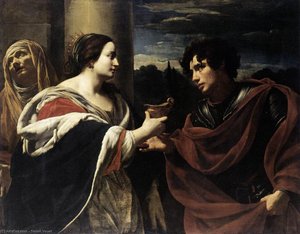
Bekijk op ware grootte
 Verstuur
 Delen
Delen
 Details bekijken
 Gids voor studentenkunstwerken

 Download
 Vergelijkbare items
 Röntgenonderzoek
 Diavoorstelling
 Statistieken
Crucifixion


 Lees meer
Handgemaakte olieverfreproductie
Met de hand geschilderd in olieverf op canvas in uw gewenste maat en lijst, op bestelling gemaakt door onze kunstenaars. ( Schakel over naar print Schakel over naar digitale afbeeldingen)




P118B €10

P118H €10

P118W €10

P438Z €10

P508JH €12

P508YH €12

P805H €10

P805Z €10

P919BZ €10

P919G €10

P919XJ €10

P959ZH €10

P968JZ €12

W106C €8

W218G €10

W218JH €8

W218Y €10

W307PJ €10

W316G €10

W316PJ €8

W316Y €10

W398PJ €8

W4111J €10

W500HY €15

W500JH €15

W692G €12

W849H €8

W940BG €15

W953PJ €8




Kies uit onze vooraf ingestelde maten die overeenkomen met de originele verhoudingen van het kunstwerk.

Voer de breedte en de hoogte in die u nodig heeft, passend bij uw lijst of uw muur. Dit is handgeschilderd, dus bij een afmeting met een andere vormverhouding kan de kunstenaar iets meer rondom het schilderij schilderen of juist iets meer weglaten — u kiest zelf. Wij sturen u een digitaal mockup ter goedkeuring voordat het schilderwerk begint. De afbeelding die op deze pagina wordt getoond, is niet het uiteindelijke resultaat — alleen de mockup geeft dit weer.
Na de bestelling zal het team van OriginalUniqueArt.com per e-mail contact opnemen met de klant voor instructies en een mockup-voorbeeld sturen.
Wereldwijde levering () binnen 3 tot 4 weken in plaats van de standaard 5 weken. (23 oktober). Zonder concessies aan de kwaliteit.

Gratis wereldwijde expressverzending

Hoogwaardig linnen canvas

Volledige verzendverzekering

Garantie op terugbetaling van invoerrechten

Garantie op exacte kleurweergave

Retourbeleid van 100 dagen (alleen bij defecten)

100% Geld-terug-garantie

Korting bij meerdere afnames
 De optie voor glas is alleen beschikbaar bij een formaat kleiner dan 110 cm.

Crucifixion
Reproductiemethode
Formaat reproductie
-


Totaalprijs
€ 329
The Weight of Sorrow: Simon Vouet’s ‘Crucifixion’
Simon Vouet's “Crucifixion,” painted around 1622, isn’t merely a depiction of a pivotal biblical event; it’s an immersion into profound grief and spiritual contemplation. This masterpiece, rendered in the burgeoning Baroque style that Vouet championed upon his return to France from Italy, transcends simple representation, aiming instead to evoke a visceral emotional response within the viewer. The painting immediately commands attention with its dramatic chiaroscuro – a masterful manipulation of light and shadow – which sculpts Christ’s body, emphasizing both its suffering and inherent divinity. It's a technique deeply indebted to Caravaggio, yet Vouet elevates it, imbuing the scene with an almost unbearable intensity.
The composition itself is carefully orchestrated. Christ, centrally positioned on the stark wooden cross, dominates the visual field, his posture conveying both agony and acceptance. Below him, a constellation of figures – Mary, her face etched with sorrow; John the Apostle, rendered in a state of bewildered grief; and other mourners – collectively amplify the sense of loss. Vouet skillfully employs pyramidal structure, drawing the eye upwards to Christ’s figure while simultaneously anchoring it within this sea of mourning. The use of diagonals, particularly in the drapery and the figures' postures, creates a dynamic tension that mirrors the emotional turmoil at the heart of the scene.
A Bridge Between Italy and France
Vouet’s journey to Rome represents a crucial turning point in his artistic development. During his decade-long sojourn in Italy, he absorbed the innovations of the High Renaissance and early Baroque – the dramatic lighting, the emotional intensity, and the dynamic compositions championed by artists like Caravaggio, Annibale Carracci, and Guido Reni. He meticulously studied their techniques, not simply copying them, but adapting them to his own sensibilities and incorporating them into a distinctly French style. His time in Venice, particularly, exposed him to Venetian color palettes and compositional strategies that profoundly influenced his work.
Returning to France in 1627, Vouet was immediately appointed Premier peintre du Roi by Louis XIII. This prestigious position afforded him unprecedented access to royal commissions, allowing him to shape the artistic landscape of the court and introduce the Baroque aesthetic to a wider audience. He wasn’t just painting for royalty; he was actively translating Italian artistic trends into a distinctly French idiom, bridging the gap between two cultures and establishing a new standard for visual art in France.
Symbolism and Spiritual Resonance
Beyond its technical brilliance, “Crucifixion” is rich with symbolic meaning. The crucifixion itself represents sacrifice, redemption, and the ultimate act of divine love – core tenets of Christian faith. The weeping figures embody humanity’s sorrow in response to this profound loss. Mary's grief is particularly poignant, reflecting not only her personal tragedy but also the suffering of all humankind. The dark, stormy sky serves as a backdrop for this drama, symbolizing despair and impending doom.
Furthermore, the painting subtly references classical iconography. Christ’s posture echoes depictions of Roman martyrs, connecting his sacrifice to a broader tradition of heroic endurance. The careful attention to detail – from the texture of Christ's skin to the folds of the drapery – elevates the scene beyond mere illustration, transforming it into a powerful meditation on faith, suffering, and hope.
A Legacy in Oil and Emotion
Created primarily with oil paints on canvas, “Crucifixion” demonstrates Vouet’s mastery of technique. He employed layering glazes to achieve rich colors and luminous effects, while utilizing meticulous brushwork to capture the nuances of texture – the rough grain of the wood, the flowing fabric, and the delicate contours of human faces. The painting's enduring appeal lies not only in its aesthetic beauty but also in its ability to evoke a profound emotional response. It’s a testament to Vouet’s skill as an artist and his deep understanding of the power of visual storytelling – a work that continues to resonate with viewers centuries after its creation.
Vragen & Antwoorden
Welke techniek is gebruikt voor "Crucifixion" door Simon Vouet?
Het medium van "Crucifixion" door Simon Vouet is Oil On Canvas. Reproducties zijn bedoeld om de uitstraling van deze techniek weer te geven.
In welke ruimte wordt het tonen van "Crucifixion" aanbevolen, gezien het kleurenpalet?
Met zijn Earthy palet wordt "Crucifixion" door Simon Vouet aanbevolen voor een Living Room. De kleuren zijn een van de redenen voor dit advies.
Welke verzadiging en intensiteit vertoont "Crucifixion" door Simon Vouet?
De kleuren van "Crucifixion" door Simon Vouet vertonen een Muted verzadiging met een Monochromatic intensiteit.
Biografie van de kunstenaar
Simon Vouet: De Italiaanse Barok in het Hart van Frankrijk
Simon Vouet, geboren te Parijs in 1590, was meer dan slechts een schilder; hij was een culturele ambassadeur. Een man die de dynamische energie van de Italiaanse barokkunst naar het formele hofleven van Frankrijk bracht en zo een onuitwisbare stempel drukte op de ontwikkeling van de Franse kunst in de zeventiende eeuw. Zijn leven was een reis, zowel geografisch als artistiek, vol invloeden die zich vermengden tot een unieke stijl – een stijl die tegelijkertijd krachtig en verfijnd was, dramatisch en toch elegant.
Vouet’s vroege jaren waren gevuld met de passie voor kunst. Zijn vader, Laurent Vouet, was reeds een erkend schilder, waardoor Simon al op jonge leeftijd in aanraking kwam met het ambacht. De eerste tekenen van zijn talent verschenen vroeg; al op veertienjarige leeftijd werd hij naar Engeland gestuurd om portretten te schilderen voor de baron de Sancy. Deze reis was slechts een prelude op een grotere ontdekkingsreis, want kort daarna voegde hij zich bij de entourage van dezelfde baron op weg naar het Ottomaanse Rijk en vervolgens naar Venetië. Het was in Venetië dat Vouet’s artistieke horizon werkelijk begon te verbreden; de levendige kleuren en theatrale composities van de Venetiaanse schilders maakten een diepe indruk.
De Romeinse Jaren: Een Smelterij van Stijlen
Maar het was zijn verblijf in Rome, dat zich uitstrekte van 1614 tot 1627, dat Vouet’s artistieke vormgeving werkelijk definieerde. Rome was toen het epicentrum van de barokkunst, een bruisende smeltkroes waar stijlen en technieken botsten en vermengden. Hier absorbeerde Vouet de invloeden van meesters als Caravaggio, met zijn baanbrekende gebruik van clair-obscur, maar ook die van Paolo Veronese, wiens weelderige kleurgebruik en monumentale composities een blijvende indruk achterlieten. Hij bestudeerde de klassieke idealen van de Carracci’s, de dramatische kracht van Guercino, de verfijnde elegantie van Lanfranco en de serene schoonheid van Guido Reni. Vouet was geen simpele imitator; hij synthetiseerde deze diverse invloeden tot een geheel eigen stijl – een Italiaanse barok die tegelijkertijd krachtig en verfijnd was.
Zijn succes in Rome werd erkend met zijn verkiezing tot president van de prestigieuze Accademia di San Luca, een bewijs van zijn vaardigheid en respect binnen de Italiaanse kunstwereld. De werken die hij tijdens deze periode produceerde, zoals De Kruisiging voor de Basiliek van Sint-Ambrosius, getuigen van zijn meesterschap in compositie, lichtval en kleurgebruik.
Terug naar Frankrijk: Premier Peintre du Roi
In 1627 werd Vouet teruggeroepen naar Parijs door koning Lodewijk XIII en kardinaal Richelieu. Hij werd benoemd tot Premier peintre du Roi, een positie die hem niet alleen aanzien gaf, maar ook toegang tot de meest prestigieuze opdrachten van het hof. Vouet’s stijl bleek precies te passen bij de smaak van zijn Franse opdrachtgevers; hij bood hen iets levendiger en moderner dan de heersende maniërisme, maar minder extreem dan het dramatische naturalisme van de caravaggisten of de volle emotionele expressie van de barok.
Hij stond aan het hoofd van een grote werkplaats, waar hij talloze jonge kunstenaars opleidde die later zelf invloedrijke figuren in de Franse kunst zouden worden. Onder zijn leerlingen bevonden zich namen als Charles Le Brun, Hubert Le Sueur en Pierre Mignard – allemaal meesters die bijdroegen aan het vormgeven van de barokke esthetiek in Frankrijk. Vouet’s decoratieve schilderijen, vaak uitgevoerd in samenwerking met beeldhouwers zoals Jacques Sarrazin, waren indrukwekkende manifestaties van grandeur en virtuositeit.
Een Erfgoed van Invloed
Simon Vouet stierf in 1649, maar zijn nalatenschap leeft voort. Hij was een cruciale schakel tussen de Italiaanse en Franse kunst, een man die met succes de dynamiek en grandeur van de Italiaanse barok naar Frankrijk bracht. Zijn invloed is onmiskenbaar te zien in de ontwikkeling van de Franse schilderkunst tijdens de zeventiende eeuw, en zijn werken blijven bewonderd worden om hun harmonieuze composities, rijke kleuren en verfijnde elegantie. Hij was niet alleen een getalenteerd schilder, maar ook een belangrijke onderwijzer en een pionier die de weg vrijmaakte voor de bloei van de Franse barokkunst.

Simon Vouet
1590 - 1649 , Frankrijk
Snelle feiten
- Artistic Movement Or Style: Barok schilderkunst
- Artists Or Movements Influenced By This Artist:
- Charles Le Brun
- Franse Barokschilderkunst
- Artists Who Influenced This Artist:
- Caravaggio
- Paolo Veronese
- Guido Reni
- Date Of Birth: 9 januari 1590
- Date Of Death: 30 juni 1649
- Full Name: Simon Vouet
- Nationality: Frans
- Notable Artworks:
- De kruisiging voor Milaan
- Riches
- St. Bruno
- Cupid en Psyche
- Time Vanquished
- Place Of Birth: Parijs, Frankrijk
Gerelateerde artikelen

Barokke Pracht: Kunst die Grootsheid in Huis Brengt
Ontdek de barokke pracht! Leer over de geschiedenis, kenmerken en toepassingen van deze weelderige kunststijl in uw interieur. Laat u inspireren door meesters en breng grootsheid in huis.

Theatricality & Triumph: Baroque Drama in Painting & Sculpture
Explore the dramatic world of Baroque art! Discover its history, defining characteristics, & lasting influence on painting & sculpture. Expert insights into Caravaggio, Zurbarán, and Bernini – plus high-quality reproductions at OriginalUniqueArt.
Simon Vouet: A Baroque Master's Journey from Italian Influence to French Classicism
Explore the life & art of Simon Vouet, a pivotal French Baroque painter who introduced Italian styles to France. Discover his masterpieces and lasting influence on 17th-century art.

Divine Drama: Exploring the Most Visually Striking and Emotionally Intense Crucifixion Artworks in History
Dive into the raw emotion and dramatic lighting of history's most iconic crucifixion paintings. From Baroque tenebrism to modern surrealism, explore masterpieces that define visual intensity. Expertly curated for lovers of profound art and high-impact design.

The Dramatic Flourish: Exploring the Baroque Movement's Enduring Legacy in Art History
Explore the dramatic world of Baroque art! Discover iconic artists like Caravaggio & Rubens, defining techniques, and its lasting impact on art history. Expert insights for collectors & enthusiasts at OriginalUniqueArt.