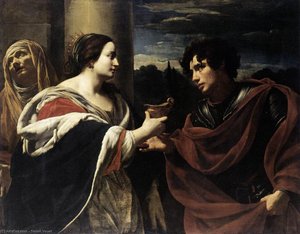
Bekijk op ware grootte
 Verstuur
 Delen
Delen
 Details bekijken
 Gids voor studentenkunstwerken

 Download
 Vergelijkbare items
 Röntgenonderzoek
 Diavoorstelling
 Statistieken
Crucifixie
 Olieverf op canvas
- Wanddecoratie
- French Baroque
 1622
1622- Vroegmoderne tijd
 375.0 x 225.0 cm
 Chiesa del Gesù
 Lees meer
Giclée / Kunstafdrukken
Giclée- of canvasafdruk van museumkwaliteit met een snelle productie en flexibele afwerkingsmogelijkheden. ( Koop handgeschilderd kunstwerk Schakel over naar digitale afbeeldingen)




P118B €10

P118H €10

P118W €10

P438Z €10

P508JH €12

P508YH €12

P805H €10

P805Z €10

P919BZ €10

P919G €10

P919XJ €10

P959ZH €10

P968JZ €12

W106C €8

W218G €10

W218JH €8

W218Y €10

W307PJ €10

W316G €10

W316PJ €8

W316Y €10

W398PJ €8

W4111J €10

W500HY €15

W500JH €15

W692G €12

W849H €8

W940BG €15

W953PJ €8




Kies uit onze vooraf ingestelde maten die overeenkomen met de originele verhoudingen van het kunstwerk.

Voer de breedte en de hoogte in die u nodig heeft, passend bij uw lijst of uw muur. Een afdruk kan alleen worden ingekort, nooit groter worden gemaakt dan het origineel, waardoor een formaat met een andere verhouding een deel van de afbeelding verliest. Wij sturen u een digitaal mockup ter goedkeuring voordat we iets drukken. De afbeelding op deze pagina toont niet de werkelijke uitsnede — dit is alleen te zien op het mockup.
Wereldwijde levering () binnen 2 weken in plaats van de standaard 4/5 weken. (19 oktober)

Gratis wereldwijde expressverzending

Hoogwaardig linnen canvas

Volledige verzendverzekering

Garantie op terugbetaling van invoerrechten

Garantie op exacte kleurweergave

Retourbeleid van 100 dagen (alleen bij defecten)

100% Geld-terug-garantie

Korting bij meerdere afnames
 De optie voor glas is alleen beschikbaar bij een formaat kleiner dan 110 cm.

Crucifixie
Giclée / Kunstafdrukken
Formaat reproductie
-


Totaalprijs
€ 71
Simon Vouet’s Crucifixion: A Window into Baroque Emotion
Simon Vouet’s “Crucifixion,” completed in 1622, stands as a cornerstone of French Baroque painting—a testament to the artistic fervor that swept across Europe during the reign of Louis XIII. More than just a depiction of religious iconography, it embodies the movement's profound engagement with emotion and dramatic realism, reflecting a shift away from Mannerist abstraction towards capturing palpable human experience.
- Subject Matter: The painting portrays Jesus Christ crucified on the cross, a motif deeply rooted in Christian tradition symbolizing sacrifice and redemption. Vouet meticulously rendered the figure of Christ with anatomical precision, adhering to humanist ideals prevalent at the time – a departure from earlier artistic conventions.
- Style & Technique: Vouet’s masterful brushwork exemplifies the Baroque style's characteristic dynamism. He employed chiaroscuro—the dramatic interplay of light and shadow—to sculpt form and heighten emotional intensity, creating an immersive visual experience for the viewer. The artist skillfully utilized glazing techniques to achieve luminous colors and a velvety surface texture.
- Historical Context: Created during Louis XIII’s reign, “Cruifixion” reflects the Catholic Counter-Reformation's influence on artistic production. The painting served as an emblem of piety and spiritual contemplation—a deliberate response to Protestant challenges to papal authority. Vouet’s work aligns with the broader Baroque aesthetic aimed at inspiring awe and conveying moral instruction.
A detailed examination reveals Vouet’s dedication to anatomical accuracy and his masterful manipulation of light and shadow – elements that elevate “Cruifixion” beyond a simple religious image into an unforgettable artistic achievement. Its legacy continues to inspire artists and collectors alike, cementing its place as one of the most influential paintings of the Baroque era.
The composition itself is carefully orchestrated, guiding the eye across the scene. Mary Magdalene kneels in sorrowful contemplation on the left, her posture mirroring the universal human experience of grief—a poignant reminder of compassion and faith. Simultaneously, Mary, Jesus’s mother, expresses profound sorrow and reverence, embodying maternal devotion.
- Symbolism: The cross serves as a central symbol representing Christ's sacrifice for humanity’s salvation. Vouet’s depiction emphasizes the physicality of suffering—a deliberate choice to confront viewers with the emotional core of the narrative. The use of muted earth tones contributes to the painting’s solemn atmosphere, reinforcing its spiritual significance.
- Emotional Impact: “Cruifixion” transcends mere visual representation; it evokes a powerful emotional response in the observer. Vouet's masterful rendering captures the agony and compassion inherent in the crucifixion narrative—a timeless depiction of faith and human vulnerability. It remains an enduring masterpiece, captivating audiences centuries later with its dramatic beauty and profound psychological depth.
Vragen & Antwoorden
Hoe komen stroming en tijdperk samen in "Crucifixie" door Simon Vouet?
"Crucifixie" door Simon Vouet wordt geplaatst binnen de French Baroque-stroming, uit de Vroegmoderne tijd-periode van de maker.
Waar kan ik statistieken vinden over "Crucifixie" door Simon Vouet?
De Statistieken-pagina van "Crucifixie" door Simon Vouet presenteert statistieken over publieksbezoeken: de maandelijkse bezoeken aan dit kunstwerk, een vergelijking met de meest bekeken werken van de kunstenaar en de herkomst van de bezoekers.
Welke kleur valt het meest op in "Crucifixie"?
De dominante kleur van "Crucifixie" door Simon Vouet is Ftalogroen (#302522).
Biografie van de kunstenaar
Simon Vouet: De Italiaanse Barok in het Hart van Frankrijk
Simon Vouet, geboren te Parijs in 1590, was meer dan slechts een schilder; hij was een culturele ambassadeur. Een man die de dynamische energie van de Italiaanse barokkunst naar het formele hofleven van Frankrijk bracht en zo een onuitwisbare stempel drukte op de ontwikkeling van de Franse kunst in de zeventiende eeuw. Zijn leven was een reis, zowel geografisch als artistiek, vol invloeden die zich vermengden tot een unieke stijl – een stijl die tegelijkertijd krachtig en verfijnd was, dramatisch en toch elegant.
Vouet’s vroege jaren waren gevuld met de passie voor kunst. Zijn vader, Laurent Vouet, was reeds een erkend schilder, waardoor Simon al op jonge leeftijd in aanraking kwam met het ambacht. De eerste tekenen van zijn talent verschenen vroeg; al op veertienjarige leeftijd werd hij naar Engeland gestuurd om portretten te schilderen voor de baron de Sancy. Deze reis was slechts een prelude op een grotere ontdekkingsreis, want kort daarna voegde hij zich bij de entourage van dezelfde baron op weg naar het Ottomaanse Rijk en vervolgens naar Venetië. Het was in Venetië dat Vouet’s artistieke horizon werkelijk begon te verbreden; de levendige kleuren en theatrale composities van de Venetiaanse schilders maakten een diepe indruk.
De Romeinse Jaren: Een Smelterij van Stijlen
Maar het was zijn verblijf in Rome, dat zich uitstrekte van 1614 tot 1627, dat Vouet’s artistieke vormgeving werkelijk definieerde. Rome was toen het epicentrum van de barokkunst, een bruisende smeltkroes waar stijlen en technieken botsten en vermengden. Hier absorbeerde Vouet de invloeden van meesters als Caravaggio, met zijn baanbrekende gebruik van clair-obscur, maar ook die van Paolo Veronese, wiens weelderige kleurgebruik en monumentale composities een blijvende indruk achterlieten. Hij bestudeerde de klassieke idealen van de Carracci’s, de dramatische kracht van Guercino, de verfijnde elegantie van Lanfranco en de serene schoonheid van Guido Reni. Vouet was geen simpele imitator; hij synthetiseerde deze diverse invloeden tot een geheel eigen stijl – een Italiaanse barok die tegelijkertijd krachtig en verfijnd was.
Zijn succes in Rome werd erkend met zijn verkiezing tot president van de prestigieuze Accademia di San Luca, een bewijs van zijn vaardigheid en respect binnen de Italiaanse kunstwereld. De werken die hij tijdens deze periode produceerde, zoals De Kruisiging voor de Basiliek van Sint-Ambrosius, getuigen van zijn meesterschap in compositie, lichtval en kleurgebruik.
Terug naar Frankrijk: Premier Peintre du Roi
In 1627 werd Vouet teruggeroepen naar Parijs door koning Lodewijk XIII en kardinaal Richelieu. Hij werd benoemd tot Premier peintre du Roi, een positie die hem niet alleen aanzien gaf, maar ook toegang tot de meest prestigieuze opdrachten van het hof. Vouet’s stijl bleek precies te passen bij de smaak van zijn Franse opdrachtgevers; hij bood hen iets levendiger en moderner dan de heersende maniërisme, maar minder extreem dan het dramatische naturalisme van de caravaggisten of de volle emotionele expressie van de barok.
Hij stond aan het hoofd van een grote werkplaats, waar hij talloze jonge kunstenaars opleidde die later zelf invloedrijke figuren in de Franse kunst zouden worden. Onder zijn leerlingen bevonden zich namen als Charles Le Brun, Hubert Le Sueur en Pierre Mignard – allemaal meesters die bijdroegen aan het vormgeven van de barokke esthetiek in Frankrijk. Vouet’s decoratieve schilderijen, vaak uitgevoerd in samenwerking met beeldhouwers zoals Jacques Sarrazin, waren indrukwekkende manifestaties van grandeur en virtuositeit.
Een Erfgoed van Invloed
Simon Vouet stierf in 1649, maar zijn nalatenschap leeft voort. Hij was een cruciale schakel tussen de Italiaanse en Franse kunst, een man die met succes de dynamiek en grandeur van de Italiaanse barok naar Frankrijk bracht. Zijn invloed is onmiskenbaar te zien in de ontwikkeling van de Franse schilderkunst tijdens de zeventiende eeuw, en zijn werken blijven bewonderd worden om hun harmonieuze composities, rijke kleuren en verfijnde elegantie. Hij was niet alleen een getalenteerd schilder, maar ook een belangrijke onderwijzer en een pionier die de weg vrijmaakte voor de bloei van de Franse barokkunst.

Simon Vouet
1590 - 1649 , Frankrijk
Snelle feiten
- Artistic Movement Or Style: Barok schilderkunst
- Artists Or Movements Influenced By This Artist:
- Charles Le Brun
- Franse Barokschilderkunst
- Artists Who Influenced This Artist:
- Caravaggio
- Paolo Veronese
- Guido Reni
- Date Of Birth: 9 januari 1590
- Date Of Death: 30 juni 1649
- Full Name: Simon Vouet
- Nationality: Frans
- Notable Artworks:
- De kruisiging voor Milaan
- Riches
- St. Bruno
- Cupid en Psyche
- Time Vanquished
- Place Of Birth: Parijs, Frankrijk
Gerelateerde artikelen

The Dramatic Flourish: Exploring the Baroque Movement's Enduring Legacy in Art History
Explore the dramatic world of Baroque art! Discover iconic artists like Caravaggio & Rubens, defining techniques, and its lasting impact on art history. Expert insights for collectors & enthusiasts at OriginalUniqueArt.
Simon Vouet: A Baroque Master's Journey from Italian Influence to French Classicism
Explore the life & art of Simon Vouet, a pivotal French Baroque painter who introduced Italian styles to France. Discover his masterpieces and lasting influence on 17th-century art.

The Visceral Stage: Exploring Dramatic Narratives & Emotional Intensity in Baroque Art
Explore the dramatic world of Baroque art! Discover iconic masters like Caravaggio & Rembrandt, their techniques, and the movement's lasting impact. Expert insights for collectors & enthusiasts at OriginalUniqueArt.

Barokke Pracht: Kunst die Grootsheid in Huis Brengt
Ontdek de barokke pracht! Leer over de geschiedenis, kenmerken en toepassingen van deze weelderige kunststijl in uw interieur. Laat u inspireren door meesters en breng grootsheid in huis.

Baroque Classicism: The Grandeur of Order and Drama in 17th-Century Art History
Explore the profound elegance of Baroque Classicism. Discover how 17th-century masters synthesized dramatic emotion with classical order through the lens of the Counter-Reformation and the works of legends like Carlo Maratta and Andrea Sacchi.