

 Voorvertoning
 Verstuur
 Delen
Delen
 Details bekijken
 Gids
Gids

 Download
 Vergelijkbare items
 Röntgenonderzoek
 Diavoorstelling
 Statistieken
Grass and Insects


 Lees meer
Handgemaakte olieverfreproductie
Met de hand geschilderd in olieverf op canvas in uw gewenste maat en lijst, op bestelling gemaakt door onze kunstenaars. ( Schakel over naar print Schakel over naar digitale afbeeldingen)




P118B €10

P118H €10

P118W €10

P438Z €10

P508JH €12

P508YH €12

P805H €10

P805Z €10

P919BZ €10

P919G €10

P919XJ €10

P959ZH €10

P968JZ €12

W106C €8

W218G €10

W218JH €8

W218Y €10

W307PJ €10

W316G €10

W316PJ €8

W316Y €10

W398PJ €8

W4111J €10

W500HY €15

W500JH €15

W692G €12

W849H €8

W940BG €15

W953PJ €8




Kies uit onze vooraf ingestelde maten die overeenkomen met de originele verhoudingen van het kunstwerk.

Voer de breedte en hoogte in die u nodig heeft, passend bij uw lijst of uw muur. Omdat dit handgeschilderd is, kan de kunstenaar bij een afmeting met een andere beeldverhouding iets meer rondom het schilderij schilderen of juist iets meer weglaten — u kiest zelf. Wij sturen u een digitaal mockup ter goedkeuring voordat het schilderwerk begint. De afbeelding die op deze pagina wordt getoond, is niet het uiteindelijke resultaat — alleen de mockup geeft dit weer.
Na de bestelling zal het team van OriginalUniqueArt.com per e-mail contact opnemen met de klant voor instructies en een mockup-voorbeeld sturen.
Wereldwijde levering () binnen 3 tot 4 weken in plaats van de standaard 5 weken. (26 oktober). Zonder concessies aan de kwaliteit.

Gratis wereldwijde expressverzending

Hoogwaardig linnen canvas

Volledige verzendverzekering

Garantie op terugbetaling van invoerrechten

Garantie op exacte kleurweergave

Retourbeleid van 100 dagen (alleen bij defecten)

100% Geld-terug-garantie

Korting bij meerdere afnames
 De optie voor glas is alleen beschikbaar bij een formaat kleiner dan 110 cm.

Grass and Insects
Druktechniek
Afmetingen reproductie
-


Eindtotaal
€ 263
Shin Saimdang’s “Grass and Insects”: A Symphony of Color and Quiet Observation
Shin Saimdang (1504–1551), a trailblazing female artist in Joseon dynasty Korea, stands as an emblem of intellectual curiosity and artistic prowess—a woman who defied societal constraints to pursue her passions for poetry, calligraphy, and painting. Her legacy resides not merely in the exquisite beauty of her artwork but also in its profound reflection of the era’s cultural values and philosophical ideals. This examination delves into “Grass and Insects,” one of her most celebrated panels from a monumental ten-panel folding screen—a masterpiece that encapsulates Saimdang's distinctive artistic vision and offers invaluable insight into Korean art history.A Window Into Joseon Aesthetic Principles
“Grass and Insects” exemplifies the dominant aesthetic sensibilities of the late 16th century, characterized by meticulous detail, harmonious color palettes, and a reverence for nature’s subtle grandeur. The screen embodies Neo-Confucian ideals—a belief system that prioritized moral cultivation alongside intellectual pursuits—reflected in Saimdang's careful composition and her masterful execution of brushstrokes. Unlike Western art traditions focused on dramatic narratives or idealized figures, Korean painting during this period favored contemplative scenes depicting landscapes and flora, intended to inspire serenity and contemplation. The screen’s overall design adheres to the principles of “Yonghwa,” meaning “harmonious beauty”—a concept central to Joseon artistic philosophy that sought to achieve balance between form and content.Technique and Material Considerations
Saimdang employed a technique rooted in meticulous observation and painstaking layering—a hallmark of Korean painting at the time. Using mineral pigments mixed with animal glue, she achieved remarkable luminosity and vibrancy, capturing the delicate textures of grass blades and the iridescent sheen of insects’ wings. The screen's surface is covered with thin layers of lacquer, providing protection while enhancing the colors and creating a tactile experience for the viewer. Furthermore, Saimdang skillfully utilized “Ma,” or negative space—a technique that deliberately leaves areas unfilled to create visual balance and emphasize the subject matter—demonstrating an understanding of compositional principles that transcended mere representation. The careful blending of pigments and meticulous brushwork contribute to the screen’s enduring beauty and artistic significance.Symbolism: Echoes of Confucian Thought
Beyond its technical brilliance, “Grass and Insects” resonates with deeper symbolic meanings rooted in Confucian cosmology—a worldview that viewed humanity as intrinsically linked to the natural world. The depiction of various insects—including beetles, dragonflies, cicadas, and moths—represents transformation and renewal—themes central to Confucian teachings concerning reincarnation and moral progress. Similarly, the inclusion of flowers like hibiscus, poppies, and lilies symbolizes purity and virtue—values upheld by Joseon society as markers of moral excellence. The meticulous rendering of grass blades underscores the importance of simplicity and humility—qualities considered essential for achieving inner harmony and cultivating compassion.Emotional Resonance: A Moment Frozen in Time
“Grass and Insects” transcends mere visual representation; it evokes a profound emotional response—a feeling of tranquility and appreciation for the beauty of the natural world. The screen’s muted color palette—dominated by greens, blues, and reds—creates an atmosphere of serenity and contemplation—inviting viewers to pause and reflect on the passage of time. Saimdang's masterful brushwork conveys a sense of quiet observation—capturing not just what is seen but also what is felt—a testament to her artistic sensitivity and her ability to communicate complex ideas through subtle visual cues. Viewing this artwork inspires contemplation about the interconnectedness of humanity and nature, reminding us of the enduring power of art to elevate our spirits and enrich our understanding of the human experience.Concluding Remarks: An Artistic Legacy Enduring Through Centuries
Shin Saimdang’s “Grass and Insects” remains a cornerstone of Korean art history—a testament to her artistic genius and her unwavering commitment to intellectual pursuits. Its harmonious composition, masterful technique, and evocative symbolism continue to captivate audiences today—serving as an enduring reminder of Joseon dynasty Korea's aesthetic ideals and its profound appreciation for the natural world. The screen’s legacy extends beyond its visual splendor; it embodies a spirit of contemplation and moral cultivation—values that resonate powerfully across cultures and generations—solidifying Saimdang’s place as one of Korea’s most celebrated artists and an inspiration to aspiring creatives everywhere.Veelgestelde vragen
Hoe bekend is "Grass and Insects" van Shin Saimdang?
Het populariteitsniveau van "Grass and Insects" door Shin Saimdang is Recognized.
In welk jaar werd "Grass and Insects" door Shin Saimdang gemaakt?
"Grass and Insects" door Shin Saimdang werd gemaakt in 1500.
Is de afbeelding van "Grass and Insects" door Shin Saimdang vrij van auteursrecht?
"Grass and Insects" door Shin Saimdang valt onder bevindt zich in het publiek domein - de auteursrechten zijn verlopen. Deze status bepaalt hoe de afbeelding van het werk mag worden gereproduceerd.
Biografie kunstenaar
een baanbrekende vrouwelijke kunstenaar in het Joseon-tijdperk van Korea
shin saimdang, een veelzijdige kunstenares uit Zuid-Korea, leefde tijdens de Joseon-periode en liet een onuitwisbare stempel achter op de Koreaanse kunstgeschiedenis. Geboren op 29 oktober 1504 in Gangneung, provincie Gangwon, was zij niet alleen een schilder, maar ook een schrijver, kalligraaf en dichter.vroege jaren en artistieke beginjaren
De artistieke talenten van shin saimdang waren al op jonge leeftijd duidelijk zichtbaar. Al op zevenjarige leeftijd imiteerde zij de schilderstijl van an gyeon, een andere prominente Koreaanse kunstenaar. Haar geboortehuis, ojukheon, dat ook het huis van haar moederlijke familie is, is tot op de dag van vandaag prachtig bewaard gebleven.artistieke bijdragen en stijl
De schilderijen van shin saimdang, gekenmerkt door fijne penseelstreken en levendige kleuren, maken deel uit van een tien-paneels vouwscherm. Haar werken, zoals gras en insecten, bevatten een breed scala aan onderwerpen, waaronder watermeloenen, aubergines, papaverbloemen, hibiscus en diverse insecten. Deze schilderijen zijn te vinden in het Nationaal Museum van Korea (Seoul, Zuid-Korea), waar ze kunstliefhebbers nog steeds blijven inspireren.- bekijk het kunstwerk van shin saimdang op OriginalUniqueArt: https://OriginalUniqueArt.com/@/shin-saimdang
- verken de collectie van het Nationaal Museum van Korea: /en/art/show/national-museum-of-korea-seoul/
- ontdek meer over de kunststroming van de Joseon-dynastie: de kunststroming van de Joseon-dynastie
nalatenschap en impact
De nalatenschap van shin saimdang reikt verder dan haar kunstwerken, aangezien zij ook bekend staat als de moeder van yi i, een beroemde geleerde en politicus uit de Joseon-dynastie. Haar leven en werk dienen als inspiratie voor velen en belichamen de essentie van de Koreaanse kunst tijdens de Joseon-periode. belangrijke kunstwerken van shin saimdang:- gras en insecten (Nationaal Museum van Korea, Seoul, Zuid-Korea)
- andere opmerkelijke werken met fijne penseelstreken en heldere, levendige kleuren, onderdeel van een tien-paneels vouwscherm.
- an gyeon, een andere prominente Koreaanse schilder uit de vroege Joseon-periode.

Shin Saimdang
1504 - 1551 , Zuid-Korea
Belangrijkste feiten
- Artistic Movement Or Style: Joseon-dynastie kunst
- Artists Or Movements Influenced By This Artist: Joseon-dynastie kunst
- Artists Who Influenced This Artist: An Gyeon
- Date Of Birth: 29 oktober 1504
- Date Of Death: 1551
- Full Name: Shin Saimdang
- Nationality: Koreaans
- Notable Artworks: ['Gras en insecten']
- Place Of Birth: Gangneung, Zuid-Korea
Gerelateerde artikelen
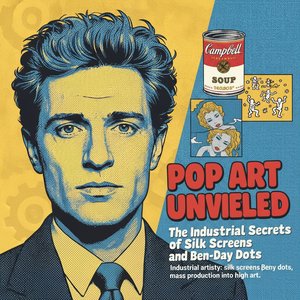
Pop Art Unveiled: The Industrial Secrets of Silk Screens and Ben-Day Dots
Explore the industrial artistry of Pop Art. Delve into the sophisticated history of Ben-Day dots and silk screen techniques that transformed mass media into high art, perfect for discerning collectors seeking deep historical insight and aesthetic excellence.
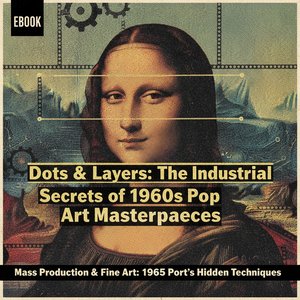
Dots & Screens: The Industrial Secrets Behind 1960s Pop Art Masterpieces
Explore the industrial secrets of 1960s Pop Art. Discover how Ben-Day dots and silk screening transformed mass media into masterpieces by Roy Lichtenstein. An in-depth look at the intersection of mechanical printing and fine art history for students and collectors.

Beyond the Screen: Transforming Personal Memories into Timeless AI-Driven Anime Masterpieces
Experience the magic of digital metamorphosis. Transform your cherished photos into stunning, hand-painted anime masterpieces using our proprietary AI technology and professional artists. Elevate your personal story with a timeless, high-quality oil painting on canvas.
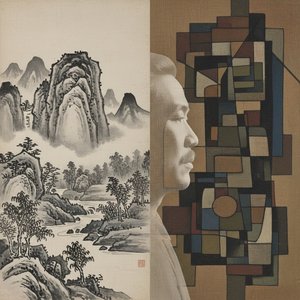
Yi Eungro: Bridging East & West in the Landscape of Korean Modernism
Explore the captivating world of Yi Eungro (Lee Ungno), a pivotal figure in Korean modernism. Discover his unique fusion of Eastern and Western artistic traditions, abstract masterpieces, and lasting legacy. A must-read for discerning art collectors.
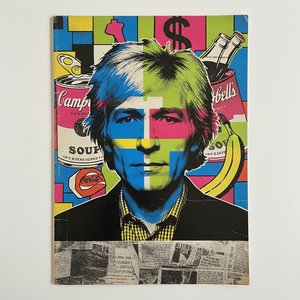
Andy Warhol: Deconstructing Pop Culture & Redefining Artistic Expression
Explore the revolutionary art of Andy Warhol & the Pop Art movement. Discover his iconic techniques, cultural impact, and investment potential. A guide for discerning collectors.