Bekijk op ware grootte
 Verstuur
 Delen
Delen
 Details bekijken
 Gids voor studentenkunstwerken

 Download
 Vergelijkbare items
 Röntgenonderzoek
 Diavoorstelling
 Statistieken
Last Supper
 Oil On Canvas
- WallArt
- High Renaissance
 1713
1713 67.0 x 104.0 cm
 National Gallery of Art
 Lees meer
Giclée / Kunstafdrukken
Giclée- of canvasafdruk van museumkwaliteit met een snelle productie en flexibele afwerkingsmogelijkheden. ( Koop handgeschilderd kunstwerk Schakel over naar digitale afbeeldingen)




P118B €10

P118H €10

P118W €10

P438Z €10

P508JH €12

P508YH €12

P805H €10

P805Z €10

P919BZ €10

P919G €10

P919XJ €10

P959ZH €10

P968JZ €12

W106C €8

W218G €10

W218JH €8

W218Y €10

W307PJ €10

W316G €10

W316PJ €8

W316Y €10

W398PJ €8

W4111J €10

W500HY €15

W500JH €15

W692G €12

W849H €8

W940BG €15

W953PJ €8




Kies uit onze vooraf ingestelde maten die overeenkomen met de originele verhoudingen van het kunstwerk.

Voer de breedte en de hoogte in die u nodig heeft, passend bij uw lijst of uw muur. Een afdruk kan alleen worden ingekort, nooit groter worden gemaakt dan het origineel, waardoor een formaat met een andere verhouding een deel van de afbeelding verliest. Wij sturen u een digitaal mockup ter goedkeuring voordat we iets drukken. De afbeelding op deze pagina toont niet de werkelijke uitsnede — dit is alleen te zien op het mockup.
Wereldwijde levering () binnen 2 weken in plaats van de standaard 4/5 weken. (24 oktober)

Gratis wereldwijde expressverzending

Hoogwaardig linnen canvas

Volledige verzendverzekering

Garantie op terugbetaling van invoerrechten

Garantie op exacte kleurweergave

Retourbeleid van 100 dagen (alleen bij defecten)

100% Geld-terug-garantie

Korting bij meerdere afnames
 De optie voor glas is alleen beschikbaar bij een formaat kleiner dan 110 cm.

Last Supper
Giclée / Kunstafdrukken
Formaat reproductie
-


Totaalprijs
€ 71
A Moment Frozen in Time: The Story of the Last Supper
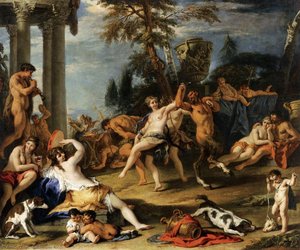
Sebastiano Ricci’s “Last Supper,” a monumental fresco dominating the refectory of Santa Maria delle Grazie in Milan, isn't merely a depiction of a biblical event; it’s a profound exploration of human emotion and betrayal. Painted between 1713 and 1714, this work captures the immediate aftermath of Jesus’ announcement that one among his disciples will betray him – a moment charged with disbelief, apprehension, and simmering resentment. Ricci masterfully conveys the palpable tension in the room, drawing the viewer into the heart of this dramatic exchange. The composition is carefully orchestrated; Jesus sits at the center, radiating an almost serene authority, while the apostles react with a spectrum of responses—shock, denial, suspicion, and outright anger – each face meticulously rendered to reveal their individual personalities and inner turmoil.
The painting’s historical context is crucial to understanding its power. Commissioned during the late Baroque period, Ricci's work reflects the era’s fascination with dramatic narratives and intense emotional expression. The Renaissance ideals of humanism are present, not in a purely idealized form, but through the realistic portrayal of flawed humanity – the vulnerability beneath the bravado, the fear masked by defiance. Ricci was part of a vibrant artistic milieu in Venice, influenced by masters like Dal Simè and Titian, yet he developed a distinct style characterized by a luminous palette and dynamic compositions. His work stands as a bridge between the grandeur of the High Renaissance and the more emotionally charged sensibilities of the Baroque.
Technique and Materials: A Delicate Balance
What sets Ricci’s “Last Supper” apart is not just its subject matter, but also the innovative – and ultimately problematic – techniques he employed. Unlike traditional fresco methods, which involve painting directly onto wet plaster, Ricci utilized tempera on a prepared gesso ground. This allowed for greater flexibility in altering details after the paint had dried, a crucial element for a work of this scale and complexity. However, it also introduced instability; the materials used were not entirely compatible with the wall’s structure, leading to rapid deterioration over centuries. The painting's surface has undergone numerous restorations, each attempting to mitigate the damage caused by humidity, temperature fluctuations, and the inherent fragility of tempera paint.
- The Gesso Ground: A carefully prepared layer of gesso provided a stable base for the pigment.
- Tempera Paint: Ricci used tempera, a fast-drying emulsion of pigments in egg yolk, known for its luminosity and rich colors.
- Pitch and Mastic: These substances were applied to seal the wall and create a barrier against moisture, though they ultimately proved insufficient to protect the delicate paint layer.
Symbolism and Emotional Resonance
Beyond the immediate narrative of betrayal, Ricci’s “Last Supper” is rich in symbolic detail. The arrangement of the apostles around the table reflects their social standing and relationships within the group. Judas Iscariot, often depicted with a subtly averted gaze and a gesture of offering, embodies deceit and treachery. The use of light and shadow – *chiaroscuro* – dramatically emphasizes key figures and creates a sense of drama and psychological intensity. Notice how Ricci uses subtle shifts in color to convey the emotional state of each apostle; the vibrant reds and yellows associated with Jesus contrast sharply with the muted blues and grays used for the disciples, highlighting their internal conflict.
The inclusion of the dog at the bottom left corner is a particularly intriguing detail. While its precise meaning remains debated by art historians, it’s often interpreted as representing loyalty or perhaps even the impending doom that awaits Judas. The overall effect is one of profound emotional depth – a visceral portrayal of human fallibility and the devastating consequences of betrayal.
A Timeless Masterpiece: Reproduction and Legacy
“The Last Supper” remains one of the most studied and admired paintings in the world, captivating viewers with its dramatic composition, masterful technique, and profound emotional resonance. High-quality reproductions capture much of the original’s power, offering a window into this pivotal moment in Christian history. When selecting a reproduction, consider factors such as print quality, color accuracy, and archival suitability to ensure that you are preserving the essence of Ricci's masterpiece for years to come. This iconic image continues to inspire artists, designers, and art lovers alike, solidifying its place as a cornerstone of Western artistic heritage.
Vragen & Antwoorden
Welke afmeting wordt aanbevolen voor "Last Supper" in een Dining Room?
Voor een Dining Room is de aanbevolen afmeting voor de print van "Last Supper" door Sebastiano Ricci Large.
Op welke fase in de carrière van Sebastiano Ricci komt de datum uit 1713 van "Last Supper" overeen?
"Last Supper", vervaardigd in 1713, behoort tot de Late Renaissance van de carrière van Sebastiano Ricci.
Kan "Last Supper" door Sebastiano Ricci, onderdeel van de collectie van National Gallery of Art, op legale wijze worden gereproduceerd?
Het originele "Last Supper" bevindt zich in National Gallery of Art en het werk is bevindt zich in het publiek domein - de auteursrechten zijn verlopen.
Biografie van de kunstenaar
Een Meester van het Venetiaanse Licht: Het Leven en Werk van Sebastiano Ricci
Sebastiano Ricci, geboren op 1 augustus 1659 in Belluno, Italië, was een vooraanstaande figuur binnen de Late Barokschilderkunst. Zijn naam is synoniem met het Venetiaanse licht, de grand manner stijl en een onmiskenbare virtuositeit in fresco’s. Ricci's leven was echter niet enkel gekenmerkt door artistieke triomfen; het was ook doorspekt met periodes van tegenslag, intriges en zelfs gevangenschap. Zijn carrière spande zich uit over verschillende Europese hoven, waar hij de aandacht trok van adellijke beschermheren en een belangrijke rol speelde in de verspreiding van de Venetiaanse esthetiek.
Vroege Jaren en Opleiding: De Fundamenten van een Talent
Ricci’s artistieke reis begon op jonge leeftijd. In 1671 trad hij in dienst als leerling bij Federico Cervelli, een gerenommeerd schilder uit Venetië. Sommige bronnen suggereren echter dat zijn eerste meester Sebastiano Mazzoni was. Deze vroege training legde de basis voor zijn technische vaardigheden en introduceerde hem in de rijke traditie van de Venetiaanse schilderkunst, die gekenmerkt werd door een levendig kleurgebruik, dynamische composities en een focus op atmosferische effecten. Zijn tijd in Bologna bracht hem in contact met het werk van Giovanni Gioseffo dal Sole, wiens stijl een significante invloed zou hebben op zijn latere ontwikkeling. Ricci absorbeerde de elegantie en verfijning van Dal Sole’s penseelvoering, maar ontwikkelde al snel een eigen, meer krachtige en expressieve benadering.
Belangrijke Werken en Opdrachten: Een Portfolio van Grandioze Schoonheid
Ricci's oeuvre is rijk aan opmerkelijke werken die getuigen van zijn meesterschap. Bacchus en Ariadne, te bewonderen in de National Gallery in Londen, is een perfect voorbeeld van zijn beheersing van de Barokstijl. Het schilderij straalt een weelderige pracht uit, met levendige kleuren, gedetailleerde figuren en een dynamische compositie die de aandacht van de kijker onmiddellijk grijpt. Een ander belangrijk werk is het Monument voor Admiraal Sir Clowdisley Shovell, een olieverfschilderij dat zijn vermogen demonstreert om emotie en drama vast te leggen. In 1685-1687 werkte hij samen met Ferdinando Galli-Bibiena aan de decoratie van het Oratorium van de Madonna del Seraglio, waarvoor hij een aanzienlijk bedrag van 4.482 lira ontving. Deze opdracht markeerde een belangrijke stap in zijn carrière en bevestigde zijn reputatie als een vooraanstaand fresco schilder.
Artistieke Stijl en Invloeden: Een Synthese van Venetiaanse Traditie en Persoonlijke Expressie
Ricci’s stijl was sterk beïnvloed door Giovanni Gioseffo dal Sole, maar hij ontwikkelde al snel een eigen, herkenbare benadering. Zijn schilderijen kenmerkten zich door grandioze composities, heldere kleuren en een dynamische penseelvoering. Hij stond bekend om zijn vermogen om licht op een spectaculaire manier te gebruiken, waardoor zijn werken een onmiskenbare levendigheid en diepte kregen. Ricci was een meester in het creëren van illusies en het verweven van architecturale elementen met schilderijen, wat resulteerde in indrukwekkende fresco’s die de grenzen tussen realiteit en fictie vervaagden. Zijn werk is representatief voor de Late Barokschool van Venetië, maar hij voegde er een persoonlijke touch aan toe door zijn nadruk op emotionele expressie en dramatische effecten.
Nalatenschap en Latere Levensjaren: Van Tegenslag tot Internationale Erkenning
Ricci’s carrière was niet zonder obstakels. Hij kende periodes van tegenslag, waaronder een gevangenisstraf als gevolg van een schandaal – de precieze aard ervan blijft enigszins onduidelijk. Ondanks deze moeilijkheden bleef hij echter productief en creëerde hij opmerkelijke werken zoals Venus neemt Afscheid van Adonis, dat zijn talent voor het vastleggen van hemelse schoonheid demonstreert. Uiteindelijk accepteerde hij bescherming aan buitenlandse hoven, met name in Londen, waar hij een opdracht uitvoerde voor Lord Burlington. Ricci overleed op 15 mei 1734, maar zijn nalatenschap leeft voort in de vele prachtige werken die hij achterliet en in de invloed die hij uitoefende op latere generaties schilders. Zijn kunstwerken blijven bewonderd worden om hun schoonheid, virtuositeit en emotionele kracht.
- Bekijk het werk van Sebastiano Ricci op OriginalUniqueArt.com
- Verken meer over de Barokschool van Venetië en haar invloeden op Wikipedia
- Ontdek andere prominente kunstenaars uit dezelfde periode, zoals Luigi Bonazza, op OriginalUniqueArt.com
Belangrijk: Dit artikel is gebaseerd op de beschikbare informatie van OriginalUniqueArt.com en kan worden gewijzigd naarmate er meer gegevens beschikbaar komen.

Sebastiano Ricci
1659 - 1734 , Italië
Snelle feiten
- Artistieke Stroming: Late Barok
- Bekende Werken:
- Bacchus en Ariadne
- Venus neemt afscheid
- Beïnvloed Door Kunstenaars: ['Giovanni Gioseffo dal Sole']
- Geboortedatum: 1 augustus 1659
- Geboorteplaats: Belluno, Italië
- Kunstenaars Beïnvloed: ['Marco Ricci']
- Nationaliteit: Italiaans
- Overlijdensdatum: 15 mei 1734
- Volledige Naam: Sebastiano Ricci
Gerelateerde artikelen
Leonardo da Vinci's Top 25 Meesterwerken: Kunst voor uw Interieur | OriginalUniqueArt
Ontdek de 25 meest iconische meesterwerken van Leonardo da Vinci! Van de Mona Lisa tot De Laatste Avondmaal, leer over zijn techniek & geschiedenis. Museumkwaliteit kunstprints voor uw interieur op OriginalUniqueArt.com
Leonardo da Vinci: A Renaissance Master’s Synthesis of Art, Science & Human Observation – Reinterpreted for the Collector
Explore Leonardo da Vinci’s timeless masterpieces with OriginalUniqueArt. Discover insights into his art, science, and legacy – trusted expertise for discerning collectors seeking authentic reproductions & investment opportunities.
Top 25 Meesterwerken: Een Reis door de Galleria degli Uffizi, Florence | OriginalUniqueArt
Ontdek de top 25 meesterwerken van de Galleria degli Uffizi, Florence! Reis door de Renaissance met Botticelli, Leonardo da Vinci & Michelangelo. Kunst reproducties van museumkwaliteit voor uw interieur. Explore the full collection on OriginalUniqueArt.com.
Renaissance Humanisme: 10 Meesterwerken die een Tijdperk Definieerden | OriginalUniqueArt
Ontdek de 10 meest iconische Renaissance meesterwerken die Humanisme definieerden! Leer over Leonardo da Vinci, Michelangelo & Rafaël. Museumkwaliteit kunst reproducties voor uw interieur op OriginalUniqueArt.com. Exploreer de collectie online!
Top 25 Louvre Meesterwerken: Kunstgeschiedenis voor aan de Muur | OriginalUniqueArt
Ontdek de top 25 meesterwerken van het Louvre, Parijs! Van de Mona Lisa tot Delacroix' Vrijheid. Leer over kunstgeschiedenis & koop museumkwaliteit reproducties voor uw interieur op OriginalUniqueArt.com.