

 Bekijk op ware grootte
 Verstuur
 Delen
Delen
 Details bekijken
 Gids voor studentenkunstwerken

 Download
 Vergelijkbare items
 Röntgenonderzoek
 Diavoorstelling
 Statistieken
After the Storm


 Lees meer
De kunstwerken die op deze pagina worden weergegeven, zijn beschermd door de auteursrechtwetgeving, wat betekent dat het ons wettelijk niet is toegestaan om identieke reproducties te maken of te verkopen. Deze bescherming wordt gehandhaafd onder internationale overeenkomsten zoals de Conventie van Bern en door nationale wetgeving, waaronder de bepalingen van de Amerikaanse auteurswet - Titel 17. Alle rechten voorbehouden. Reproduceren of distribueren van afbeeldingen is niet toegestaan zonder uitdrukkelijke schriftelijke toestemming van WahooArt.com en de rechthebbenden.
Als een respectvol en legaal alternatief bieden wij op maat gemaakte, handgeschilderde kunstwerken aan die geïnspireerd zijn op het origineel. Onze bekwame en professionele kunstenaars bestuderen zorgvuldig de stijl, sfeer en artistieke essentie van het origineel om een nieuw, uniek werk te creëren dat dezelfde emotie oproept – terwijl het een op zichzelf staande, originele creatie blijft.
Deze methode voldoet volledig aan de auteursrechtwetgeving, omdat het niet gaat om het kopiëren of dupliceren van het beschermde kunstwerk. In plaats daarvan is er sprake van een creatieve herinterpretatie — een nieuw schilderij dat door het origineel wordt geïnspireerd, maar er niet identiek aan is.
Handgemaakte olieverfreproductie
Met de hand geschilderd in olieverf op canvas in uw gewenste maat en lijst, op bestelling gemaakt door onze kunstenaars. ( Schakel over naar print Schakel over naar digitale afbeeldingen)




P118B €10

P118H €10

P118W €10

P438Z €10

P508JH €12

P508YH €12

P805H €10

P805Z €10

P919BZ €10

P919G €10

P919XJ €10

P959ZH €10

P968JZ €12

W106C €8

W218G €10

W218JH €8

W218Y €10

W307PJ €10

W316G €10

W316PJ €8

W316Y €10

W398PJ €8

W4111J €10

W500HY €15

W500JH €15

W692G €12

W849H €8

W940BG €15

W953PJ €8




Kies uit onze vooraf ingestelde maten die overeenkomen met de originele verhoudingen van het kunstwerk.

Voer de breedte en de hoogte in die u nodig heeft, passend bij uw lijst of uw muur. Dit is handgeschilderd, dus bij een afmeting met een andere vormverhouding kan de kunstenaar iets meer rondom het schilderij schilderen of juist iets meer weglaten — u kiest zelf. Wij sturen u een digitaal mockup ter goedkeuring voordat het schilderwerk begint. De afbeelding die op deze pagina wordt getoond, is niet het uiteindelijke resultaat — alleen de mockup geeft dit weer.
Na de bestelling zal het team van OriginalUniqueArt.com per e-mail contact opnemen met de klant voor instructies en een mockup-voorbeeld sturen.
Wereldwijde levering () binnen 3 tot 4 weken in plaats van de standaard 5 weken. (25 oktober). Zonder concessies aan de kwaliteit.

Gratis wereldwijde expressverzending

Hoogwaardig linnen canvas

Volledige verzendverzekering

Garantie op terugbetaling van invoerrechten

Garantie op exacte kleurweergave

Retourbeleid van 100 dagen (alleen bij defecten)

100% Geld-terug-garantie

Korting bij meerdere afnames
 De optie voor glas is alleen beschikbaar bij een formaat kleiner dan 110 cm.

After the Storm
Reproductiemethode
Formaat reproductie
-


Totaalprijs
€ 263
A Symphony of Light and Shadow
In the evocative masterpiece After the Storm, George Inness invites the viewer into a fleeting moment of atmospheric transition, where the raw power of nature meets a profound, quiet serenity. The canvas captures that precise, breathless interval when a tempest has passed, leaving behind a landscape transformed by moisture and light. In the middle foreground, sunlit trees draped in rich autumnal foliage glow with a golden intensity, acting as a luminous anchor amidst the surrounding drama. This brilliance stands in stark contrast to the distant horizon, where heavy, retreating storm clouds still cast deep, brooding shadows across the earth. It is a painting of dualities: the tension between the dark, receding gloom and the triumphant, emerging sun, creating a visual rhythm that breathes with the life of the natural world.
The composition is masterfully orchestrated to guide the eye through a narrative of pastoral peace. To the left, beneath the protective canopy of the trees, three cows graze in quiet repose, their presence grounding the scene in the humble reality of country life. On the right, the delicate figure of a woman advances with a pail in hand, her movement suggesting the rhythmic, enduring labor of the seasons. In the far distance, a small, white cottage with a red roof catches a stray beam of sunlight, appearing almost like a celestial vision amidst the vastness. This careful placement of elements creates an immense sense of depth and dimension, drawing the observer deeper into the heart of the American landscape.
The Soul of Tonalism and Technique
As a pivotal figure in the evolution of American landscape painting, Inness utilizes a technique that transcends mere topographical accuracy to reach for something more spiritual. While his early years were rooted in the grand, detailed traditions of the Hudson River School, After the Storm showcases his mastery of the Tonalist approach. Here, the artist moves away from sharp outlines toward a more unified, atmospheric palette. Through the subtle manipulation of color and soft, blended brushwork, he captures the "envelope" of air and moisture that hangs over the field. The interplay of light is not merely a visual effect but a tactile sensation; one can almost feel the dampness of the earth and the warmth of the sun breaking through the mist.
This stylistic shift reflects Inness’s deep connection to the French Barbizon School and the philosophical influence of Swedenborgian spiritualism. For Inness, the landscape was a mirror for the human soul. The storm represents the turbulence of existence, while the clearing sky symbolizes hope, clarity, and the persistence of light. For collectors and interior designers, this painting offers more than just aesthetic beauty; it provides an emotional sanctuary. Its muted, earthy tones and harmonious composition make it a sophisticated choice for creating a focal point in a room that demands tranquility, elegance, and a touch of the sublime.
An Enduring Legacy for the Modern Collector
Owning a reproduction of After the Storm is an opportunity to bring a piece of nineteenth-century American romanticism into a contemporary setting. The painting’s ability to evoke nostalgia while remaining strikingly modern in its atmospheric abstraction ensures its relevance across different eras of decor. Whether placed in a sun-drenched library or a quiet study, the work serves as a window into a world where nature and spirit are inextricably linked. It is an investment in atmosphere, offering a timeless sense of peace that resonates with anyone who finds beauty in the quiet aftermath of life's many storms.
Vragen & Antwoorden
Wat is de luminantie van "After the Storm" door Scotlan George Inness?
"After the Storm" door Scotlan George Inness heeft een luminantie van Soft Shadow. Luminantie beschrijft hoeveel licht de kleuren lijken te reflecteren.
Is "After the Storm" vrij van auteursrecht?
De auteursrechtelijke status van "After the Storm" door Scotlan George Inness: het werk is nog steeds auteursrechtelijk beschermd. Dit bepaalt of reproducties van de afbeelding vrijelijk mogen worden gemaakt.
Waarvan is "After the Storm" gemaakt?
Het medium van "After the Storm" door Scotlan George Inness is Oil On Canvas. Reproducties zijn bedoeld om de uitstraling van deze techniek weer te geven.
Biografie van de kunstenaar
The Ethereal Vision of George Inness
George Inness stands as one of the most profound and influential landscape painters of the nineteenth century, a master who sought to capture not merely the physical topography of the American wilderness, but the very soul of the natural world. While his contemporaries in the Hudson River School often focused on the grand, panoramic documentation of a burgeoning nation, Inness carved out a singular artistic path that blended Romantic idealism with deep scientific observation. His work serves as a bridge between the tangible reality of the earth and the intangible realms of spiritual contemplation, exploring the profound relationship between nature and the human spirit.
Born in Newburgh, New York, on May 1, 1825, Inness’s early life was steeped in a connection to both the rugged American landscape and his ancestral roots. His father, an emigrant from Ayrshire, Scotland, instilled within him a deep appreciation for the contemplative power of the wild. This duality of heritage—the American frontier and the Scottish tradition—would later manifest in his ability to find both epic scale and intimate, evocative beauty in his subjects. His early training was diverse, ranging from instruction under John Jesse Barker to a formative apprenticeship with the map engraver N. Curcept, which provided him with a foundational precision in visual representation that would later support his more expressive, atmospheric endeavors.
Spiritualism and the Barbizon Influence
The true metamorphosis of Inness’s style can be traced to his encounter with the theological writings of Emanuel Swedenborg. This profound spiritual influence became the cornerstone of his artistic worldview; Inness believed that the material world was permeated by unseen spiritual forces, and he viewed the canvas as a conduit for accessing these hidden realms. This conviction moved him away from the literalism of topographical painting toward a more subjective, emotional approach to landscape.
As his career progressed, Inness looked toward Europe, specifically absorbing the influences of the French Barbizon school. This movement, which emphasized the intimate, moody, and atmospheric qualities of nature, resonated deeply with his Swedenborgian beliefs. By integrating the tonalist sensibilities of the Barbizon masters with the grander traditions of American landscape painting, he developed a technique that prioritized light, shadow, and color to evoke mood rather than mere detail. His brushwork became more expressive, utilizing textures such as impasto to create depth and dimensionality, drawing the viewer into a world where the boundaries between the earth and the sky seem to dissolve.
A Legacy of Light and Atmosphere
The breadth of Inness’s oeuvre is reflected in works that range from the dramatic to the serene. In masterpieces such as Sundown, he demonstrates an unparalleled ability to capture the fleeting magic of a sunset, using a sky filled with clouds to create a dramatic backdrop for a peaceful pastoral scene. Similarly, his work September Afternoon showcases his mastery of tranquility, employing warm colors and a careful balance of light and shadow to evoke a sense of harmony within the natural landscape. Even in his more rugged depictions, such as the romanticized Scottish woodlands of Elf Ground, the artist’s focus remains on the evocative power of the atmosphere.
Throughout his life, Inness’s achievements redefined the boundaries of American art. He moved the genre of landscape painting from a medium of documentation to one of profound psychological and spiritual expression. His historical significance lies in this very transition—the movement toward Tonalism and the idea that art should capture the elusive essence of experience itself. Today, his legacy continues to resonate with artists and admirers alike, serving as a timeless reminder that the most beautiful landscapes are those that reflect the inner landscape of the human heart.

Snelle feiten
- Artistic Movement Or Style: Hudson River School; Luminist
- Artists Or Movements Influenced By This Artist: ['Régis François Gignoux']
- Artists Who Influenced This Artist:
- Thomas Cole
- Asher Durand
- Date Of Birth: May 1, 1825
- Date Of Death: August 3, 1894
- Full Name: George Inness
- Nationality: American
- Notable Artworks:
- View of the Tiber near Perugia
- Clearing Up
- Place Of Birth: Newburgh, New York
Gerelateerde artikelen

Arboreal Echoes: A Historical & Artistic Exploration of Trees in Painting
Explore the rich history of trees in painting! Discover symbolism, Romantic masterpieces by Caspar David Friedrich & beyond. A curated journey for art enthusiasts.
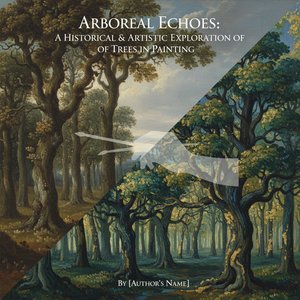
Arboreal Echoes: A Historical & Artistic Exploration of Trees in Painting
Explore the rich history of trees in painting! Discover symbolism, Romantic masterpieces by Caspar David Friedrich & beyond. A curated journey for art enthusiasts.
Claude Monet's Top 25 Meesterwerken: Kleur, Licht & Impressionisme | OriginalUniqueArt
Ontdek de 25 meest iconische werken van Claude Monet! Duik in de wereld van impressionisme, kleur en licht. Van Waterlelies tot Zonsopgang – bekijk de meesterwerken & vind perfecte kunst voor jouw interieur op OriginalUniqueArt.com.

Paul Cézanne's Top 25 Meesterwerken: Kleur, Vorm & De Basis van Modern Art | OriginalUniqueArt
Ontdek de 25 meest iconische schilderijen van Paul Cézanne! Duik in zijn kleurrijke wereld, leer over impressionisme & post-impressionisme en bewonder meesterwerken als 'De Baders'. Vind museumkwaliteit reproducties & interieurinspiratie op OriginalUniqueArt.com.

Golden Hues & Crimson Leaves: Capturing the Magic of Autumn Colors in Fine Art
Embark on a visual journey through the golden hues of autumn fine art. Discover how masters like Van Gogh capture seasonal magic through vibrant oil landscapes and explore expert tips for collecting timeless autumnal masterpieces.