

 Bekijk op ware grootte
 Verstuur
 Delen
Delen
 Details bekijken
 Gids voor studentenkunstwerken

 Download
 Vergelijkbare items
 Röntgenonderzoek
 Diavoorstelling
 Statistieken
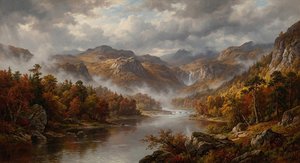
Kauterskill Falls


 Lees meer
Giclée / Kunstafdrukken
Giclée- of canvasafdruk van museumkwaliteit met een snelle productie en flexibele afwerkingsmogelijkheden. ( Koop handgeschilderd kunstwerk Schakel over naar digitale afbeeldingen)




P118B $10

P118H $10

P118W $10

P438Z $10

P508JH $12

P508YH $12

P805H $10

P805Z $10

P919BZ $10

P919G $10

P919XJ $10

P959ZH $10

P968JZ $12

W106C $8

W218G $10

W218JH $8

W218Y $10

W307PJ $10

W316G $10

W316PJ $8

W316Y $10

W398PJ $8

W4111J $10

W500HY $15

W500JH $15

W692G $12

W849H $8

W940BG $15

W953PJ $8




Kies uit onze vooraf ingestelde maten die overeenkomen met de originele verhoudingen van het kunstwerk.

U kunt uw eigen afmetingen opgeven om in een specifieke lijst of ruimte te passen. Als de door u gekozen maat niet overeenkomt met de proporties van het originele kunstwerk, zullen wij de afbeelding bijsnijden of uitbreiden met een gespiegelde of effen rand. Een digitaal mockup wordt ter goedkeuring naar u verzonden voordat de productie begint.
Houd er rekening mee dat de preview op het scherm de werkelijke bijsneding of uitbreiding niet weergeeft. Alleen de mockup toont de uiteindelijke compositie nauwkeurig.
Hoewel aangepaste maten beschikbaar zijn, raden wij aan een afmeting uit de vooraf bepaalde lijst te kiezen om de originele proporties te behouden.
Wereldwijde levering () binnen 2 weken in plaats van de standaard 4/5 weken. (27 september)

Gratis wereldwijde expressverzending

Hoogwaardig linnen canvas

Volledige verzendverzekering

Garantie op terugbetaling van invoerrechten

Garantie op exacte kleurweergave

Retourbeleid van 100 dagen (alleen bij defecten)

100% Geld-terug-garantie

Korting bij meerdere afnames
 De optie voor glas is alleen beschikbaar bij een formaat kleiner dan 110 cm.

Kauterskill Falls
Giclée / Kunstafdrukken
Formaat reproductie
-


Totaalprijs
$ 81
The Luminous Embrace of Nature: Kauterskill Falls
To gaze upon Sanford Robinson Gifford's depiction of Kauterskill Falls is to step across the threshold of time and into a realm untouched by the clamor of modern life. This painting is not merely a record of a waterfall; it is an immersion into the very breath of nature itself. The composition centers around the magnificent cascade, where water tumbles with palpable energy over unseen ledges, feeding a winding river below. Surrounding this aqueous spectacle, Gifford has masterfully arranged a tapestry of foliage—trees standing sentinel at varying distances, some in sharp relief, others softened by the atmospheric haze that lends the entire scene its ethereal quality. It speaks to the enduring human yearning for sublime beauty found deep within the wilderness.
A Masterpiece of Luminism and Landscape Grandeur
Sanford Robinson Gifford stood as a pivotal figure among the American landscape painters, particularly celebrated for his adherence to what is often termed luminism—a style deeply concerned with capturing the ephemeral quality of light. His technique here is breathtaking; one can almost feel the cool mist rising from the falls and sense the golden slant of sunlight filtering through the dense canopy. The artist possessed a unique gift for rendering atmosphere, making the air itself seem tangible. While the vibrancy of the colors speaks to the lush vitality of the Catskill region in 1871, it is the handling of light that elevates this piece from mere depiction to profound experience. It showcases his ability to balance dramatic natural power with serene, almost dreamlike tranquility.
Historical Echoes and Artistic Context
Painted during a period when American art was solidifying its identity outside European academic strictures, Kauterskill Falls reflects the burgeoning appreciation for the American wilderness as both a resource and a spiritual sanctuary. Gifford’s work aligns with the grand tradition of Hudson River School painters who sought to imbue their landscapes with moral or sublime weight. The inclusion of multiple water features—the main fall and the smaller background cascade—adds depth, suggesting an entire ecosystem unfolding before the viewer's appreciative gaze. It is a testament to American natural grandeur captured by a skilled hand.
Symbolism and Emotional Resonance for the Modern Collector
For the contemporary collector or designer, this artwork offers more than just decorative beauty; it provides a focal point of calm contemplation. The waterfall itself has long been a potent symbol in art—representing the relentless passage of time, purification, and unstoppable natural force. To bring such a piece into a home is to invite that sense of perpetual renewal and grounding energy. Whether placed in a grand hall or a sunlit study, its presence suggests an appreciation for enduring beauty and the restorative power of the wild. Owning a reproduction allows one to curate this moment of sublime peace, bringing the majesty of 19th-century American artistry into modern life.
Biografie van de kunstenaar
Early Life and Artistic Beginnings
Sanford Robinson Gifford, a name synonymous with the serene beauty of American landscapes, was born on July 10th, 1823, in Greenfield, New York – a small town nestled amidst the rolling hills of Saratoga County. His early life unfolded within a family that valued both industry and artistic inclination; his father, a successful foundry owner, fostered an environment where creativity wasn’t merely tolerated but encouraged. Gifford's childhood was spent in Hudson, a picturesque riverside town steeped in history and natural splendor – a setting that would profoundly shape his future artistic vision. While formal art training began modestly, with instruction from Henry Ary, a local landscape painter, Gifford’s burgeoning talent quickly outgrew these initial lessons. He sought guidance from John Rubens Smith, a British watercolorist who had established himself as a respected mentor in the Hudson Valley, and later benefited from studies at the National Academy of Design in New York City. This diverse educational foundation laid the groundwork for his distinctive style, blending technical skill with an intuitive understanding of light, color, and atmosphere.The Luminist Influence and European Sojourn
Gifford’s artistic journey took a pivotal turn when he encountered the burgeoning movement known as Luminism – a subgenre of the Hudson River School characterized by its emphasis on soft, diffused light and atmospheric effects. Inspired by artists like Thomas Cole and Frederic Church, Gifford began to capture the essence of nature not through dramatic detail or bold outlines, but through subtle gradations of color and an almost ethereal quality of light. This approach resonated deeply with his own artistic sensibilities, leading him to prioritize mood and feeling over precise representation. In 1855-1857, Gifford embarked on a transformative journey to Europe, a period that proved instrumental in refining his technique and broadening his artistic horizons. He immersed himself in the art of masters such as Turner, absorbing their innovative approaches to light and color. His travels extended across England, Scotland, France, Belgium, Holland, and Germany, each experience contributing to his evolving aesthetic vocabulary. This European sojourn wasn’t merely a sightseeing trip; it was an intensive period of study and experimentation, allowing him to translate the lessons he learned into his own unique style.Masterpieces from the Rocky Mountains to Italy
Upon his return to America in 1857, Gifford established a studio in New York City, where he found himself surrounded by fellow artists – including Albert Bierstadt and Frederic Church – who shared his passion for landscape painting. This vibrant artistic community provided both inspiration and competition, fueling his creative drive. During this period, Gifford produced some of his most celebrated works, capturing the grandeur of the Rocky Mountains in 1870 as part of a Hayden expedition led by Ferdinand Vandeveer Hayden. The expedition offered him unparalleled opportunities to sketch and paint the dramatic landscapes of Wyoming, Utah, and Colorado – experiences that profoundly influenced his artistic perspective. Simultaneously, he continued to explore familiar subjects within the Hudson Valley, producing iconic paintings like *Mount Mansfield* (1858) and *Tivoli* (1868), both now housed in the Metropolitan Museum of Art. *Tivoli*, a particularly luminous depiction of an Italian landscape, stands as a testament to his mastery of light and atmosphere, transporting the viewer to a realm of serene beauty.Legacy and Historical Significance
Sanford Robinson Gifford’s contributions to American landscape painting are undeniable and continue to resonate today. His work is characterized by its evocative sense of place, its masterful use of light and color, and its profound connection to the natural world. He played a significant role in establishing Luminism as a distinct artistic style, influencing generations of landscape painters who followed. Gifford’s paintings were exhibited at prestigious venues such as the National Academy of Design and the Exposition Universelle in Paris, solidifying his reputation as one of America's leading artists. After his death on August 29th, 1880, a comprehensive catalog of his work was published – a remarkable testament to his prolific career, documenting over 700 paintings. Today, Gifford’s works are cherished in museums across the country, including the Metropolitan Museum of Art, where *Tivoli* remains a captivating centerpiece of its collection. His legacy endures as a symbol of American artistic achievement and a reminder of the enduring power of nature to inspire beauty and contemplation.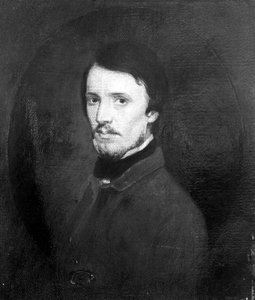
Sanford Robinson Gifford
1823 - 1880 , Verenigde Staten van Amerika
Snelle feiten
- Artistic Movement Or Style: Luminisme, Hudson River School
- Artists Or Movements Influenced By This Artist: ['Hudson River School']
- Artists Who Influenced This Artist: ['John Rubens Smith']
- Date Of Birth: 10 juli 1823
- Date Of Death: 29 aug 1880
- Full Name: Sanford Robinson Gifford
- Nationality: Amerikaans
- Notable Artworks:
- Tivoli
- Mount Mansfield
- Place Of Birth: Greenfield, USA
Gerelateerde artikelen
Robert Spencer: Luminism, Narrative & the American Landscape Tradition
Explore the captivating world of Luminism & the Hudson River School with our expert analysis. Discover the history, artists, and enduring beauty of 19th-century American landscape painting. Find museum-quality reproductions at OriginalUniqueArt.
Sanford Robinson Gifford: Luminism & the American Landscape Tradition
Explore the serene landscapes of Sanford Robinson Gifford, a leading Luminist painter of the Hudson River School. Discover his mastery of light, atmospheric effects & lasting influence on American art. Hand-painted reproductions available.

Wild & Untamed: The High-Impact Energy of American Romanticism and the Hudson River School
Experience the raw power of American Romanticism. Explore the high-impact energy of the Hudson River School through premium, hand-painted oil reproductions that capture the sublime beauty and untamed spirit of the American wilderness for discerning collectors.
The Sublime Landscape: Exploring the Hudson River School Movement
Explore the captivating world of the Hudson River School! Discover the history, artists, and defining characteristics of this iconic American art movement. Learn about Romanticism's influence & find inspiration for your collection.
Top 10 Meesterwerken van de Hudson River School: Kunst voor uw interieur
Ontdek de 10 meesterwerken van de Hudson River School! Leer over Thomas Cole, Frederic Church & meer. Prachtige landschappen uit de 19e eeuw voor uw interieur. Kunst reproducties van museumkwaliteit op OriginalUniqueArt.com.

