Renaissance
St. Jerome (Sandro Botticelli)
Sandro Botticelli (1445–1510) maakte St. Jerome. Het behoort tot de Renaissance-stroming. Het is gemaakt van Oil On Panel. Het is te vinden in Hermitage Museum in Sint-Petersburg, Rusland.
- Oil On Panel
- Hermitage Museum, Sint-Petersburg

 Voorvertoning

 Met de hand geschilderd olieverfwerk
 Verstuur
 Delen
 Informatieblad


 Download
 Vergelijkbare items
 Röntgenonderzoek
 Diavoorstelling
 Vraag & antwoord

 Statistieken
St. Jerome, in het kort
- Titel
- St. Jerome
- Kunstenaar
- Sandro Botticelli (1445–1510)
- Geboren in [jaar]
- Florence, Italië
- Medium
- Oil On Panel
- Te zien in
- Hermitage Museum, Sint-Petersburg, Rusland
- Beweging
- Renaissance
- Periode
- Renaissance
- Onderwerp
- religious lamentation, medieval grief scene, renaissance figures, classical composition, memento mori theme, oil painting technique
Wat stelt St. Jerome voor?
A Moment of Profound Grief: Exploring Botticelli’s *St. Jerome*
Sandro Botticelli's *St. Jerome*, a poignant depiction of sorrow and contemplation, offers a captivating glimpse into the artistic sensibilities of the Early Renaissance. While often overshadowed by his more celebrated mythological works like *The Birth of Venus*, this painting reveals Botticelli’s mastery of religious iconography and emotional depth.
Subject & Narrative
- A Scene of Lamentation: Though initially identified as the Lamentation, recent scholarship suggests this work depicts St. Jerome in his final moments, receiving communion before death. The central figure, surrounded by mourners, is likely not Joseph of Arimathea but figures expressing grief over the saint’s impending passing.
- St. Jerome – A Scholar and Ascetic: Saint Jerome (c. 347–420 AD) was a prominent theologian and translator of the Bible into Latin (the Vulgate). His life, marked by both scholarly pursuits and periods of intense asceticism, makes him a compelling subject for artistic representation.
- Setting the Stage: The rocky, cave-like setting evokes a sense of seclusion and spiritual retreat. This isolated location emphasizes the solemnity of the occasion and invites contemplation on mortality.
Artistic Style & Technique
- Renaissance Linearity: Botticelli’s style is characterized by elegant, flowing lines that define forms with precision. This linearity bridges the gap between the late Gothic and Early Renaissance aesthetics.
- Oil on Panel – A Flourishing Medium: Executed in oil on panel, the technique allows for subtle gradations of color and a smooth application of paint, enhancing the realism of the figures and drapery.
- Subdued Palette & Dramatic Lighting: The painting employs a subdued color palette, dominated by earth tones and muted hues. This is contrasted with dramatic lighting that highlights the central figure and casts shadows, intensifying the emotional impact.
- Perspective & Composition: While perspective isn’t fully developed as in later Renaissance works, Botticelli utilizes layering and overlapping forms to create a sense of depth within the confined space. The composition draws the viewer's eye towards St. Jerome through strategic arrangement and contrast.
Symbolism & Iconography
- Mortality & Remembrance: Symbolic elements, such as a skull (a *memento mori*), serve as reminders of human mortality and the transient nature of life.
- Religious Devotion: The act of receiving communion underscores St. Jerome’s unwavering faith and devotion to God in his final moments.
- The Mourners: The surrounding figures represent the grief and sorrow felt by those witnessing the saint's passing, emphasizing the human cost of spiritual dedication.
Historical Context & Legacy
- Florentine Renaissance: Created during the vibrant artistic climate of Florence in the late 15th century, *St. Jerome* reflects the humanist ideals and religious fervor of the period.
- Botticelli’s Diverse Oeuvre: While renowned for his mythological paintings, Botticelli also produced numerous religious works, demonstrating his versatility as an artist.
- Rediscovery & Appreciation: Like many Renaissance masters, Botticelli's work experienced a period of relative obscurity before being rediscovered and celebrated by the Pre-Raphaelites in the 19th century.
Emotional Impact & Interpretation
St. Jerome* evokes feelings of profound sadness, reverence, and contemplation. The painting invites viewers to reflect on themes of mortality, faith, and the human condition. Its quiet intensity and masterful execution make it a compelling work of art that continues to resonate with audiences today.
In welk museum bevindt St. Jerome zich?
Hermitage Museum
Sint-Petersburg, Rusland
Oorsprong en geschiedenis van het Hermitage Museum De geschiedenis van het Hermitage Museum vindt haar oorsprong in het jaar 1764. Het fundament van deze prestigieuze instelling werd gelegd met de verwerving van een collectie van 225 schilderijen, aangekocht bij de Berlijnse koopman Johann Ernst Gotzkowsky. Het was de visionaire impuls van Catharina de Grote die deze collectie de aanzet gaf, waarmee zij de eerste contouren schetste van wat een monumentale aanwezigheid in Sint-Petersburg, Rusland, zou worden.


Hoogwaardige afbeeldingen van St. Jerome
Publiek domein: de kunstenaar is overleden in 1510.
Sandro Botticelli, St. Jerome, Hermitage Museum. Publiek domein
Vragen over St. Jerome, beantwoord
Waar is "St. Jerome" door Sandro Botticelli tegenwoordig te zien?
Het originele "St. Jerome" door Sandro Botticelli wordt bewaard in Hermitage Museum, Sint-Petersburg, Rusland. Een reproductie maakt het mogelijk om het werk thuis tentoon te stellen.
Met welke techniek is "St. Jerome" door Sandro Botticelli vervaardigd?
Sandro Botticelli gebruikte de Oil On Panel-techniek voor "St. Jerome". De techniek bepaalt de materiële aard van het originele werk.
Wat wordt er afgebeeld in "St. Jerome" door Sandro Botticelli?
De thema's die aanwezig zijn in "St. Jerome" door Sandro Botticelli omvatten religious lamentation, medieval grief scene, renaissance figures, classical composition, memento mori theme, oil painting technique, symbolic imagery. Samen vatten zij de onderwerpen van het kunstwerk samen.
Is "St. Jerome" vrij van auteursrecht?
Wat betreft het auteursrecht valt "St. Jerome" onder bevindt zich in het publiek domein - de auteursrechten zijn verlopen.
Aan welke kunstenaar wordt "St. Jerome" toegeschreven?
De kunstenaar achter "St. Jerome" is Sandro Botticelli. Het werk is gecatalogiseerd onder de naam van Sandro Botticelli.
Bij welke kunststroming behoort "St. Jerome" door Sandro Botticelli?
"St. Jerome" door Sandro Botticelli behoort tot de Renaissance-stroming. Deze stroming biedt de stilistische context van het werk.
In welke periode van de carrière van Sandro Botticelli valt "St. Jerome"?
Binnen de carrière van Sandro Botticelli valt "St. Jerome" in de Mature Renaissance. Deze fase helpt om het werk te vergelijken met andere werken van de kunstenaar.
Waarom heeft het kunstwerk "St. Jerome" deze auteursrechtelijke status?
"St. Jerome" van Sandro Botticelli is bevindt zich in het publiek domein - de auteursrechten zijn verlopen. De auteursrechten worden berekend vanaf het jaar van overlijden van de kunstenaar; Sandro Botticelli is overleden in 1510.
Wordt "St. Jerome" bewaard in het land van de maker?
Nee - het kunstwerk wordt in het buitenland bewaard. "St. Jerome" bevindt zich in Rusland, terwijl Sandro Botticelli werd geboren in Italië.
Over de kunstenaar, Sandro Botticelli
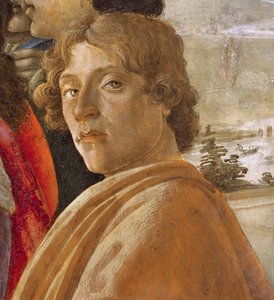
1445–1510, Italië
Sandro Botticelli
Het leven van Sandro Botticelli Sandro Botticelli leefde zijn leven tussen de smalle, drukke straatjes van Florence, Italië. Geboren als Alessandro di Mariano di Vanni Filipepi rond 1445, was hij de zoon van een leerlooier. Zijn familie woonde in de wijk Ognissanti, een plek die hem gedurende zijn hele leven nauw aan het hart lag. Uiteindelijk werd hij bekend onder de naam Botticelli, een bijnaam afgeleid van het woord botticello, wat verwijst naar een klein wijnvat of een klein vat.
Ook van Sandro Botticelli
 De Geboorte van Venus1485
 Primavera1482
 Venus en Mars1483
 De Aanbidding der Wijzen
Essays over St. Jerome
 25 Masterpieces by Sandro Botticelli: The Ultimate Guide to Renaissance BeautyJourney through the ethereal beauty of Sandro Botticelli's greatest works. From The Birth of Venus to his mythic Renaissance masterpieces, …
 The Scholar and the Hermit: Examining the Iconography of Saint Jerome in Renaissance and Baroque ArtExplore the profound iconography of Saint Jerome through Renaissance and Baroque masters. Discover the secrets of sacred art history now.
 Master of Shadow: The Top 25 Essential Artworks by Jusepe de RiberaExplore 25 iconic works by Jusepe de Ribera. Master the drama of Baroque tenebrism. Discover all masterpieces on OriginalUniqueArt.com.