Voorvertoning
 Verstuur
 Delen
Delen
 Details bekijken

 Download
 Vergelijkbare items
 Röntgenonderzoek
 Diavoorstelling
Primavera (detail) (15)


 Lees meer
Giclée / Kunstafdrukken
Giclée- of canvasafdruk van museumkwaliteit met een snelle productie en flexibele afwerkingsmogelijkheden. ( Bestel handgeschilderde reproductie Koop afbeelding)




P118B $10

P118H $10

P118W $10

P438Z $10

P508JH $12

P508YH $12

P805H $10

P805Z $10

P919BZ $10

P919G $10

P919XJ $10

P959ZH $10

P968JZ $12

W106C $8

W218G $10

W218JH $8

W218Y $10

W307PJ $10

W316G $10

W316PJ $8

W316Y $10

W398PJ $8

W4111J $10

W500HY $15

W500JH $15

W692G $12

W849H $8

W940BG $15

W953PJ $8




Kies uit onze vooraf ingestelde maten die overeenkomen met de originele verhoudingen van het kunstwerk.

U kunt uw eigen afmetingen opgeven om in een specifieke lijst of ruimte te passen. Als de door u gekozen maat niet overeenkomt met de proporties van het originele kunstwerk, zullen wij de afbeelding bijsnijden of uitbreiden met een gespiegelde of effen rand. Een digitaal mockup wordt ter goedkeuring naar u verzonden voordat de productie begint.
Houd er rekening mee dat de preview op het scherm de werkelijke bijsneding of uitbreiding niet weergeeft. Alleen de mockup toont de uiteindelijke compositie nauwkeurig.
Hoewel aangepaste maten beschikbaar zijn, raden wij aan een afmeting uit de vooraf bepaalde lijst te kiezen om de originele proporties te behouden.
Wereldwijde levering () binnen 2 weken in plaats van de standaard 4/5 weken. (23 augustus)

Gratis wereldwijde expressverzending

Hoogwaardig linnen canvas

Volledige verzendverzekering

Garantie op terugbetaling van invoerrechten

Garantie op exacte kleurweergave

Retourbeleid van 60 dagen (alleen bij defecten)

100% Geld-terug-garantie

Korting bij meerdere afnames
 De optie voor glas is alleen beschikbaar bij een formaat kleiner dan 110 cm.

Primavera (detail) (15)
Giclée / Kunstafdrukken
Afmetingen reproductie
-


Eindtotaal
$ 81
Beschrijving verzamelobject
A Symphony of Myth and Renaissance Grace
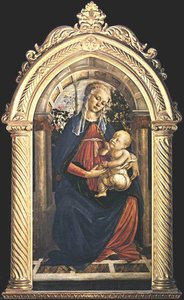
Sandro Botticelli’s Primavera stands as an eternal emblem of the High Renaissance, a period defined by a profound fascination with classical mythology and the luminous ideals of humanism. Housed within the prestigious Uffizi Gallery in Florence, this monumental panel painting transcends mere depiction to become a meditative exploration of rebirth, beauty, and divine harmony. As one gazes upon this masterpiece, they are transported into an idyllic, enchanted garden where the boundaries between the earthly and the divine blur. The scene is populated by nine figures representing deities and mythological creatures, each contributing to a narrative deeply rooted in Overture’s Metamorphoses. At its heart, the goddess Venus gazes serenely outward, presiding over a landscape that breathes with the vitality of a new season.
The painting captures a fleeting, magical moment of connection between nature and the divine. In this specific detail, we witness the delicate interaction between figures amidst a lush, verdant setting. One woman appears to hold a bird, her movements graceful and light, while another looks on with an expression of quiet interest. This intimate exchange is set against a backdrop of scattered birds and ancient trees, creating a serene and peaceful atmosphere that invites the viewer to pause and reflect. For the collector or interior designer, such a piece offers more than just visual beauty; it provides a window into a world of tranquility and sophisticated elegance, making it an ideal centerpiece for spaces designed to inspire contemplation and peace.
Mastery of Line and Botanical Precision
Botticelli’s signature style is a masterclass in the use of delicate lines and ethereal forms. Unlike the heavier, more grounded figures found in some of his contemporaries' works, Botticelli’s subjects possess an almost otherworldly elegance, characterized by flowing drapery and graceful, rhythmic poses. This technique reflects the humanist emphasis on idealized beauty that was prevalent during the Florentine Renaissance. Executed with meticulous care using tempera paint on a poplar wood panel, the artwork showcases a remarkable attention to detail that is particularly evident in its botanical accuracy. The artist skillfully blended pigments to achieve subtle gradations of color, creating a luminous surface that captures the vibrant, flickering light of springtime.
The technical brilliance of the piece lies in its ability to balance complex symbolism with naturalistic observation. Beyond the recognizable mythological figures, the painting contains at least 42 identifiable species of plants, including various green and flowering specimens. This commitment to botanical realism serves to ground the mythological allegory in a tangible, living world. For those seeking high-quality reproductions, this level of detail is what makes a Botticelli piece so captivating; every brushstroke contributes to a larger tapestry of life, ensuring that the artwork remains visually engaging from every angle and under any lighting condition.
A Legacy of Neoplatonic Thought and Timeless Decor
To understand Primavera is to understand the intellectual pulse of 15th-century Florence. Created during the illustrious reign of Lorenzo de' Medici, the painting serves as a visual manifesto for Neoplatonic philosophy—a belief system that sought to reconcile Christian theology with the rediscovered wisdom of pagan mythology. The figures within the grove are not merely characters in a myth; they are symbols of virtues, love, and the cyclical nature of life itself. This layering of meaning ensures that the artwork remains intellectually stimulating long after the initial visual impact has been felt.
In the realm of modern interior design, bringing a reproduction of such a masterpiece into a home or gallery space offers an unparalleled sense of cultural prestige. The soft palette and rhythmic composition of Primavera harmonize beautifully with both classical and contemporary decor, providing a touch of historical grandeur that elevates any room. Whether used to anchor a formal dining area or to add a layer of sophisticated storytelling to a private study, this work continues to serve as a testament to the enduring power of beauty, making it a timeless choice for those who appreciate the intersection of history, art, and exquisite craftsmanship.
Biografie van de kunstenaar
Early Life and Florentine Beginnings
Sandro Botticelli, geboren Alessandro di Mariano di Vanni Filipepi rond 1445 in Florence, Italië, kwam op tijdens een periode van buitengewone culturele fermentatie – de vroege Renaissance. Zijn leven was diep geworteld in de artistieke en sociale stof van de stad; hij dwaalde nooit ver af van zijn wijk Ognissanti, een getuigenis van zowel familiale banden als het levendige creatieve ecosysteem dat hem voedde. Zijn vader, Mariano Filipepi, begon als goudsmid en later als leerlooier, bood een vroege blootstelling aan vakmanschap en nauwkeurigheid – kwaliteiten die Botticelli’s artistieke benadering diepgaand zouden beïnvloeden. Hoewel aanvankelijke rapporten suggereerden dat hij goudsmid was, vond hij al snel zijn roeping onder de begeleiding van Fra Filippo Lippi, een toonaangevende schilder van het tijdvak. Deze leerlingenperiode bleek cruciaal, waardoor hij werd ondergedompeld in de technieken en esthetiek van de Florentijnse school, terwijl hij ook verbinding maakte met invloedrijke patrons zoals de Medici-familie.A Style Defined by Grace and Myth
Botticelli’s artistieke stijl is onmiddellijk herkenbaar door zijn lyrische schoonheid, gekenmerkt door elegante lineariteit, vloeiende contouren en een delicate kleurgebruik. Hij beheerstte het overbruggen van de kloof tussen de late Gotische tradities en de opkomende Renaissance-esthetiek, waarbij hij invloeden opnam van meesters zoals Fra Angelico en Paolo Uccello, maar toch een unieke persoonlijke visie creëerde. Zijn figuren bezitten een etherische kwaliteit, vaak afgebeeld met verlengde proporties en gracieuze poses die zowel sereniteit als een subtiele melancholie uitdrukken. Een kenmerkend element van zijn werk is de frequente integratie van klassieke mythologie – een weerspiegeling van de humanistische interesses die door Florence’s Renaissance heen woedden. Hij illustreerde deze oude verhalen niet alleen; hij verlegde er nieuwe lagen betekenis aan, waarbij thema's als liefde, schoonheid en spirituele verlangens werden onderzocht. Botticelli’s techniek was innovatief voor zijn tijd. Hij gebruikte vaak een zilverpotlood-tekening onder de verf van zijn doeken, wat bijdroeg aan de luminositeit en delicate details die te zien zijn in zijn afgewerkte werken. Zijn gebruik van temperagewijze verf stelde hem in staat tot nauwkeurige weergave en levendige kleuren, terwijl zijn latere experimenten met olieverf zijn expressieve mogelijkheden uitbreidden.Iconic Masterpieces and Artistic Development
Botticelli’s nalatenschap rust op een aantal iconische schilderijen die het publiek eeuwen later nog steeds betoveren. *De Geboorte van Venus*, voltooid rond 1486, staat als misschien zijn meest beroemde werk – een allegorisch beeld dat de godin afbeeldt die uit een schelpkom ontstaat, en de Renaissance-idealen van schoonheid en harmonie vertegenwoordigt. Zijn elegante compositie, delicate kleurpalet en evocatieve symboliek hebben het tot een blijvende symbool van de tijd gemaakt. Even beroemd is *Primavera*, gecreëerd rond 1482, een complex en raadselachtig schilderij dat lente en liefde viert, bevolkt met symbolische figuren uit klassieke mythologie. Deze werken tonen Botticelli’s meesterschap in compositie, zijn vermogen om atmosferische diepte te creëren en zijn diepe begrip van menselijke emoties. Zijn vroege jaren 70 zagen hem focussen op religieuze onderwerpen, waarbij hij zijn technische vaardigheden verfijnde en een reputatie opbouwde voor bekwame uitvoering. De jaren 80 markeerden het hoogtepunt van zijn creatieve kracht, met de creatie van zijn meest beroemde mythologische schilderijen. Het laatste kwart eeuw toonde echter een verschuiving in zijn stijl, beïnvloed door de gepassioneerde prediking van Girolamo Savonarola – een Dominicanse priester die wat hij zag als de decadentie en morele corruptie van Florence veroordeelde. Dit periode resulteerde in meer sober en emotioneel geladen werken, die een groeiende spirituele intensiteit weerspiegelden.Major Works
- De Geboorte van Venus (c. 1486): Een iconisch schilderij dat de Renaissance-idealen van schoonheid vertegenwoordigt.
- Primavera (c. 1482): Een complex allegorisch schilderij dat lente en liefde viert.
- Adoration of the Magi (1475-1476): Demonstreert vroege meesterschap in compositie en perspectief.
- Mystic Nativity (1501): Weerspiegelt een verschuiving naar spirituele thema’s in zijn latere carrière.
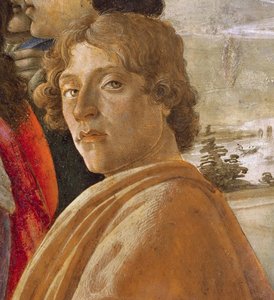
Sandro Botticelli
1445 - 1510 , Italië
Belangrijkste feiten
- Artistic Movement Or Style: Vroege Renaissance
- Artists Or Movements Influenced By This Artist: ['Pre-Raphaelieten']
- Artists Who Influenced This Artist:
- Lippi
- Uccello
- Date Of Birth: c. 1445
- Date Of Death: 1510
- Full Name: Alessandro di Mariano Filipepi
- Nationality: Italiaans
- Notable Artworks:
- Venus Ontstaan
- Primavera
- Wijzen Aanbidding
- Place Of Birth: Florence, Italië
Gerelateerde artikelen
Cultivating Paradise: A Historical & Artistic Exploration of Gardens in Painting
Explore the rich history of gardens in painting! Discover masterpieces from Renaissance to Impressionism & beyond. Learn about symbolism, artists like Monet & Klimt, and find your perfect artwork at OriginalUniqueArt.

The Flourishing Canvas: A Historical Journey Through Botanical Illustration
Explore the captivating history of botanical illustration! Discover renowned artists like Robert Havell & Mary Walcott, learn about techniques, and find museum-quality art at OriginalUniqueArt.com.
The Flourishing Canvas: A Historical & Artistic Exploration of Botanical Illustration
Explore the rich history of botanical illustration! Discover key artists like Havell & Barraband, learn about scientific accuracy & aesthetic beauty. Shop museum-quality reproductions at OriginalUniqueArt.

Echoes of Olympus: Mythological Narratives in Western Art Through the Ages
Explore the captivating history of mythological narratives in Western art! From ancient Greece to modern masterpieces, discover iconic artworks & symbolism. Expert analysis and high-quality reproductions at OriginalUniqueArt.
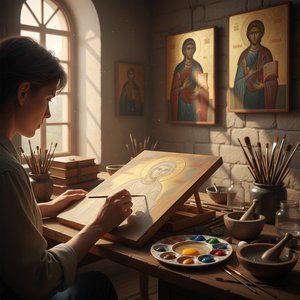
Illuminating Surfaces: A Comprehensive Exploration of Tempera on Panel Painting Techniques & Historical Significance
Explore the rich history & techniques of tempera painting! Discover Renaissance masters like Botticelli & Fra Angelico, conservation insights, and the enduring legacy of this captivating art form. Learn more now!