Voorvertoning
 Verstuur
 Delen
Delen
 Details bekijken

 Download
 Vergelijkbare items
 Röntgenonderzoek
 Diavoorstelling
Adoratie der Magi


 Lees meer
Giclée / Kunstafdrukken
Giclée- of canvasafdruk van museumkwaliteit met een snelle productie en flexibele afwerkingsmogelijkheden. ( Bestel handgeschilderde reproductie Koop afbeelding)




P118B $10

P118H $10

P118W $10

P438Z $10

P508JH $12

P508YH $12

P805H $10

P805Z $10

P919BZ $10

P919G $10

P919XJ $10

P959ZH $10

P968JZ $12

W106C $8

W218G $10

W218JH $8

W218Y $10

W307PJ $10

W316G $10

W316PJ $8

W316Y $10

W398PJ $8

W4111J $10

W500HY $15

W500JH $15

W692G $12

W849H $8

W940BG $15

W953PJ $8




Kies uit onze vooraf ingestelde maten die overeenkomen met de originele verhoudingen van het kunstwerk.

U kunt uw eigen afmetingen opgeven om in een specifieke lijst of ruimte te passen. Als de door u gekozen maat niet overeenkomt met de proporties van het originele kunstwerk, zullen wij de afbeelding bijsnijden of uitbreiden met een gespiegelde of effen rand. Een digitaal mockup wordt ter goedkeuring naar u verzonden voordat de productie begint.
Houd er rekening mee dat de preview op het scherm de werkelijke bijsneding of uitbreiding niet weergeeft. Alleen de mockup toont de uiteindelijke compositie nauwkeurig.
Hoewel aangepaste maten beschikbaar zijn, raden wij aan een afmeting uit de vooraf bepaalde lijst te kiezen om de originele proporties te behouden.
Wereldwijde levering () binnen 2 weken in plaats van de standaard 4/5 weken. (23 augustus)

Gratis wereldwijde expressverzending

Hoogwaardig linnen canvas

Volledige verzendverzekering

Garantie op terugbetaling van invoerrechten

Garantie op exacte kleurweergave

Retourbeleid van 60 dagen (alleen bij defecten)

100% Geld-terug-garantie

Korting bij meerdere afnames
 De optie voor glas is alleen beschikbaar bij een formaat kleiner dan 110 cm.

Adoratie der Magi
Giclée / Kunstafdrukken
Afmetingen reproductie
-


Eindtotaal
$ 81
Beschrijving verzamelobject
A Renaissance Vision: Botticelli’s Adoration of the Magi
Sandro Botticelli’s “Adoration of the Magi” (4) is a captivating example of Early Renaissance artistry, transporting viewers to a moment of profound religious significance and opulent spectacle. This painting isn't merely a depiction of a biblical scene; it’s a window into the evolving artistic sensibilities of 15th-century Florence. It stands as a testament to Botticelli’s mastery—a fusion of meticulous observation and imaginative interpretation that continues to inspire awe centuries later.Subject & Narrative
The artwork portrays the pivotal episode from the Gospel of Matthew where the Three Magi – wise men, kings, or astrologers – arrive to pay homage to the newborn Jesus. The scene is bustling with activity: figures kneel in adoration, present lavish gifts (gold, frankincense, and myrrh), and engage in reverent interactions with Mary and Joseph. Botticelli masterfully captures the *communal* aspect of this sacred event, filling the composition with a diverse array of onlookers – shepherds, attendants, noblemen – all drawn to witness the miraculous birth. The artist’s intention was not simply to record an historical narrative; he sought to convey the spiritual essence of faith and devotion—a theme that resonated deeply within Florentine society at the time.Style & Technique
Botticelli’s style is immediately recognizable for its elegant linearity and graceful forms. He bridges the gap between the late Gothic period and the burgeoning Renaissance, favoring flowing drapery, delicate facial features, and a refined sense of composition. Executed in oil on panel, the technique allows for subtle blending of colors and meticulous detail. The artist’s brushwork creates a slightly textured surface, particularly noticeable in the rich fabrics and skin tones, adding depth and realism to the scene. Botticelli's approach distinguishes itself through its lyrical quality—a deliberate departure from the rigid conventions of preceding artistic traditions. He prioritized beauty and harmony above all else, reflecting the humanist ideals that were gaining prominence during his era.Historical Context & Influences
Born in Florence around 1445, Botticelli lived during a period of immense cultural and artistic flourishing. Commissioned by wealthy patrons like the Medici family, his work reflected both religious devotion and humanist ideals. The “Adoration of the Magi” was a popular subject for Renaissance artists, offering opportunities to showcase their skill in depicting complex narratives, elaborate costumes, and architectural grandeur. Botticelli’s influence extended beyond Florence; he corresponded with artists across Europe, disseminating innovative stylistic ideas and contributing to the broader artistic dialogue of his time. He drew inspiration from earlier masters like Fra Filippo Lippi, but developed a uniquely personal style that would influence generations of artists—a style characterized by its ethereal beauty and symbolic richness.Symbolism & Meaning
The painting is rich in symbolic meaning. The gifts presented by the Magi – gold symbolizes kingship, frankincense divinity, and myrrh – foreshadows Jesus’ sacrifice. The architectural setting, reminiscent of a Roman temple or palace, suggests the universality of Christ's message and his claim to earthly and divine authority. The inclusion of numerous figures emphasizes the widespread recognition of Jesus as the Messiah. Botticelli skillfully employed visual metaphors to convey theological concepts—a hallmark of Renaissance art—creating an artwork that transcends its immediate subject matter and speaks to enduring themes of spirituality and redemption.Emotional Impact & Aesthetic Appeal
“Adoration of the Magi” evokes a sense of reverence, awe, and joyous celebration. The soft, diffused lighting creates an atmosphere of serenity and spiritual contemplation. The warm color palette – dominated by reds, blues, golds, and browns – contributes to the painting’s opulent and inviting aesthetic. Consider framing a reproduction with ornate gold detailing to complement the painting's rich color palette and historical context. This artwork is not just visually stunning; it invites viewers to reflect on themes of faith, hope, and the transformative power of belief. It's a piece that would lend itself beautifully to both traditional and contemporary interiors, adding a touch of Renaissance elegance and timeless beauty. ## Collecting & Reproduction- Botticelli’s works are highly sought after by collectors and institutions worldwide.
- High-quality reproductions allow art enthusiasts to enjoy the beauty and symbolism of this masterpiece in their own homes or offices.
- Consider framing a reproduction with ornate gold detailing to complement the painting's rich color palette and historical context.
Biografie van de kunstenaar
Early Life and Florentine Beginnings
Sandro Botticelli, geboren Alessandro di Mariano di Vanni Filipepi rond 1445 in Florence, Italië, kwam op tijdens een periode van buitengewone culturele fermentatie – de vroege Renaissance. Zijn leven was diep geworteld in de artistieke en sociale stof van de stad; hij dwaalde nooit ver af van zijn wijk Ognissanti, een getuigenis van zowel familiale banden als het levendige creatieve ecosysteem dat hem voedde. Zijn vader, Mariano Filipepi, begon als goudsmid en later als leerlooier, bood een vroege blootstelling aan vakmanschap en nauwkeurigheid – kwaliteiten die Botticelli’s artistieke benadering diepgaand zouden beïnvloeden. Hoewel aanvankelijke rapporten suggereerden dat hij goudsmid was, vond hij al snel zijn roeping onder de begeleiding van Fra Filippo Lippi, een toonaangevende schilder van het tijdvak. Deze leerlingenperiode bleek cruciaal, waardoor hij werd ondergedompeld in de technieken en esthetiek van de Florentijnse school, terwijl hij ook verbinding maakte met invloedrijke patrons zoals de Medici-familie.A Style Defined by Grace and Myth
Botticelli’s artistieke stijl is onmiddellijk herkenbaar door zijn lyrische schoonheid, gekenmerkt door elegante lineariteit, vloeiende contouren en een delicate kleurgebruik. Hij beheerstte het overbruggen van de kloof tussen de late Gotische tradities en de opkomende Renaissance-esthetiek, waarbij hij invloeden opnam van meesters zoals Fra Angelico en Paolo Uccello, maar toch een unieke persoonlijke visie creëerde. Zijn figuren bezitten een etherische kwaliteit, vaak afgebeeld met verlengde proporties en gracieuze poses die zowel sereniteit als een subtiele melancholie uitdrukken. Een kenmerkend element van zijn werk is de frequente integratie van klassieke mythologie – een weerspiegeling van de humanistische interesses die door Florence’s Renaissance heen woedden. Hij illustreerde deze oude verhalen niet alleen; hij verlegde er nieuwe lagen betekenis aan, waarbij thema's als liefde, schoonheid en spirituele verlangens werden onderzocht. Botticelli’s techniek was innovatief voor zijn tijd. Hij gebruikte vaak een zilverpotlood-tekening onder de verf van zijn doeken, wat bijdroeg aan de luminositeit en delicate details die te zien zijn in zijn afgewerkte werken. Zijn gebruik van temperagewijze verf stelde hem in staat tot nauwkeurige weergave en levendige kleuren, terwijl zijn latere experimenten met olieverf zijn expressieve mogelijkheden uitbreidden.Iconic Masterpieces and Artistic Development
Botticelli’s nalatenschap rust op een aantal iconische schilderijen die het publiek eeuwen later nog steeds betoveren. *De Geboorte van Venus*, voltooid rond 1486, staat als misschien zijn meest beroemde werk – een allegorisch beeld dat de godin afbeeldt die uit een schelpkom ontstaat, en de Renaissance-idealen van schoonheid en harmonie vertegenwoordigt. Zijn elegante compositie, delicate kleurpalet en evocatieve symboliek hebben het tot een blijvende symbool van de tijd gemaakt. Even beroemd is *Primavera*, gecreëerd rond 1482, een complex en raadselachtig schilderij dat lente en liefde viert, bevolkt met symbolische figuren uit klassieke mythologie. Deze werken tonen Botticelli’s meesterschap in compositie, zijn vermogen om atmosferische diepte te creëren en zijn diepe begrip van menselijke emoties. Zijn vroege jaren 70 zagen hem focussen op religieuze onderwerpen, waarbij hij zijn technische vaardigheden verfijnde en een reputatie opbouwde voor bekwame uitvoering. De jaren 80 markeerden het hoogtepunt van zijn creatieve kracht, met de creatie van zijn meest beroemde mythologische schilderijen. Het laatste kwart eeuw toonde echter een verschuiving in zijn stijl, beïnvloed door de gepassioneerde prediking van Girolamo Savonarola – een Dominicanse priester die wat hij zag als de decadentie en morele corruptie van Florence veroordeelde. Dit periode resulteerde in meer sober en emotioneel geladen werken, die een groeiende spirituele intensiteit weerspiegelden.Major Works
- De Geboorte van Venus (c. 1486): Een iconisch schilderij dat de Renaissance-idealen van schoonheid vertegenwoordigt.
- Primavera (c. 1482): Een complex allegorisch schilderij dat lente en liefde viert.
- Adoration of the Magi (1475-1476): Demonstreert vroege meesterschap in compositie en perspectief.
- Mystic Nativity (1501): Weerspiegelt een verschuiving naar spirituele thema’s in zijn latere carrière.
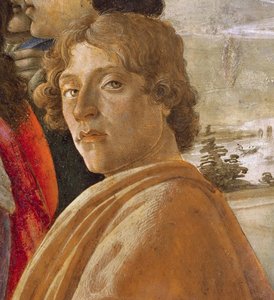
Sandro Botticelli
1445 - 1510 , Italië
Belangrijkste feiten
- Artistic Movement Or Style: Vroege Renaissance
- Artists Or Movements Influenced By This Artist: ['Pre-Raphaelieten']
- Artists Who Influenced This Artist:
- Lippi
- Uccello
- Date Of Birth: c. 1445
- Date Of Death: 1510
- Full Name: Alessandro di Mariano Filipepi
- Nationality: Italiaans
- Notable Artworks:
- Venus Ontstaan
- Primavera
- Wijzen Aanbidding
- Place Of Birth: Florence, Italië
Gerelateerde artikelen
Sandro Botticelli's Top 25 Meesterwerken: Kunst voor uw Interieur | OriginalUniqueArt.nl
Ontdek de 25 mooiste meesterwerken van Sandro Botticelli! Duik in de Renaissance, bewonder 'De Geboorte van Venus' & 'Primavera'. Museumkwaliteit reproducties voor uw interieur. Bekijk de collectie op OriginalUniqueArt.com.
Top 10 Renaissance Meesterwerken: Kunstgeschiedenis voor uw Interieur | OriginalUniqueArt.nl
Ontdek de 10 grootste meesterwerken van de Vroege Renaissance! Lees over Leonardo da Vinci, Michelangelo & Botticelli. Laat u inspireren door Italiaanse kunst en koop museumkwaliteit reproducties voor uw interieur op OriginalUniqueArt.com.
Top 25 Meesterwerken: Een Reis door de Galleria degli Uffizi, Florence | OriginalUniqueArt
Ontdek de top 25 meesterwerken van de Galleria degli Uffizi, Florence! Reis door de Renaissance met Botticelli, Leonardo da Vinci & Michelangelo. Kunst reproducties van museumkwaliteit voor uw interieur. Explore the full collection on OriginalUniqueArt.com.
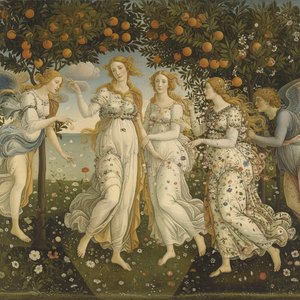
The Ethereal Beauty of Botticelli: A Journey Through the Grace and Symbolism of Italian Renaissance Masterpieces
Explore the ethereal beauty of Sandro Botticelli's masterpieces. Delve into the profound symbolism, mythological grace, and technical mastery that define the Italian Renaissance through an expert art-historical lens.
Top 10 Tempura Op Paneel Meesterwerken die de Kunst Voorgoed Veranderden | OriginalUniqueArt
Ontdek de 10 meest legendarische tempura op paneel meesterwerken die kunstgeschiedenis schreven! Van Jan van Eyck tot Botticelli, leer over hun techniek & impact. Museumkwaliteit reproducties voor uw interieur? Bekijk ze nu op OriginalUniqueArt.com.