Voorvertoning
 Verstuur
 Delen
Delen
 Details bekijken
 Gids
Gids

 Download
 Vergelijkbare items
 Röntgenonderzoek
 Diavoorstelling
 Vraag & antwoord
 Statistieken
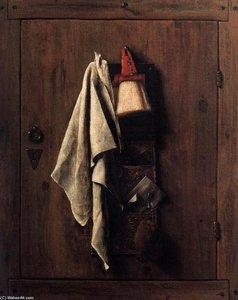
Old Man Looking Through a Window


 Lees meer
Giclée / Kunstafdrukken
Giclée- of canvasafdruk van museumkwaliteit met een snelle productie en flexibele afwerkingsmogelijkheden. ( Bestel handgeschilderde reproductie Schakel over naar digitale afbeeldingen)




P118B €10

P118H €10

P118W €10

P438Z €10

P508JH €12

P508YH €12

P805H €10

P805Z €10

P919BZ €10

P919G €10

P919XJ €10

P959ZH €10

P968JZ €12

W106C €8

W218G €10

W218JH €8

W218Y €10

W307PJ €10

W316G €10

W316PJ €8

W316Y €10

W398PJ €8

W4111J €10

W500HY €15

W500JH €15

W692G €12

W849H €8

W940BG €15

W953PJ €8




Kies uit onze vooraf ingestelde maten die overeenkomen met de originele verhoudingen van het kunstwerk.

Voer de gewenste breedte en hoogte in, passend bij uw lijst of muur. Een afdruk kan alleen worden ingekort en nooit groter worden gemaakt dan het origineel; een formaat met andere verhoudingen zal daarom een deel van de afbeelding verliezen. Wij sturen u een digitaal mockup ter goedkeuring voordat we tot drukwerk overgaan. De afbeelding op deze pagina toont niet de werkelijke uitsnede — dit is alleen te zien op het mockup.
Wereldwijde levering () binnen 2 weken in plaats van de standaard 4/5 weken. (9 november)

Gratis wereldwijde expressverzending

Hoogwaardig linnen canvas

Volledige verzendverzekering

Garantie op terugbetaling van invoerrechten

Garantie op exacte kleurweergave

Retourbeleid van 100 dagen (alleen bij defecten)

100% Geld-terug-garantie

Korting bij meerdere afnames
 De optie voor glas is alleen beschikbaar bij een formaat kleiner dan 110 cm.

Old Man Looking Through a Window
Giclée / Kunstafdrukken
Afmetingen reproductie
-


Eindtotaal
€ 72
A Window Into Eternity: The Melancholy Mastery of Van Hoogstraten
In the quiet, shadowed corners of the Dutch Golden Age, few artists possessed the intellectual depth and technical wizardry of Samuel Dirksz van Hoogstraten. His 1653 masterpiece, "Old Man Looking Through a Window," is far more than a mere portrait; it is a profound psychological journey captured in oil. As we gaze upon the weathered face of the subject, we are not just observing an elderly man, but participating in a carefully orchestrated meditation on time, isolation, and the very nature of perception. The painting serves as a threshold between the viewer’s world and a private, somber reality, inviting us to contemplate the fleeting essence of human existence through the lens of Baroque theatricality.
The composition is anchored by a sense of profound confinement. The subject, positioned centrally, peers through the iron bars of a window, his expression etched with a quiet, lingering sadness. This structural element—the window frame—acts as both a physical barrier and a symbolic gateway. Through Van Hoostraten’s expert use of trompe-l'œil, the boundaries between the canvas and reality begin to blur. The artist invites us into a space where the stone carving of the window frame feels tangible, almost heavy with the weight of history, creating an immersive experience that has captivated collectors and art enthusiasts for centuries.
The Alchemy of Light and Shadow
To understand the emotional gravity of this work, one must look to the artist's masterful command of chiaroscuro. Drawing from the profound influence of his mentor, Rembrandt, Van Hoogstraten employs dramatic contrasts between deep, velvety shadows and piercing highlights to sculpt the man’s features. This technique does not merely illuminate the subject; it breathes life into his very soul. The light catches the subtle textures of his beard and the weary creases around his eyes, revealing a narrative of lived experience, hardship, and reflection. Every brushstroke is executed with the precision of a stone carver, rendering the materiality of the scene—from the cold metal of the bars to the soft, aged skin of the man—with astonishing realism.
For the discerning interior designer or collector, this painting offers an unparalleled sense of gravitas. The interplay of light and dark creates a dynamic energy that can anchor a room, providing a focal point that demands contemplation. It is a piece that does not merely decorate a wall but transforms an environment, infusing it with a sense of historical depth and intellectual curiosity. Whether placed in a sunlit gallery or a moody, library-style study, the painting’s ability to manipulate atmosphere makes it a timeless choice for those seeking art that speaks to the complexities of the human condition.
A Legacy of Illusion and Intellect
Beyond its visual splendor, "Old Man Looking Through a Window" stands as a testament to the philosophical currents of seventeenth-century Europe. Van Hoogstraten was not only a painter but a poet and an art theorist who sought to dissect reality itself. This painting is a manifestation of that scientific and artistic inquiry—a study in how light defines form and how perspective shapes our understanding of truth. The subtle gradations of color and the meticulous attention to texture serve as a bridge between the tangible world and the ephemeral nature of thought.
Owning a high-quality reproduction of this work allows one to bring this piece of Dutch heritage into the modern home. It offers an opportunity to surround oneself with the brilliance of the Baroque era, providing daily inspiration through its masterful execution and hauntingly beautiful subject matter. In every detail, from the heavy stone textures to the melancholic gaze of the old man, lies a story of endurance and the eternal search for meaning through the windows of our own perception.
Veelgestelde vragen
Behoort "Old Man Looking Through a Window" van Samuel van Hoogstraten tot het publiek domein, en zo ja, waarom?
De auteursrechtstatus van "Old Man Looking Through a Window" - bevindt zich in het publiek domein - de auteursrechten zijn verlopen - is gebaseerd op het overlijden van de kunstenaar in 1678.
In welk jaar werd "Old Man Looking Through a Window" door Samuel van Hoogstraten gemaakt?
"Old Man Looking Through a Window" door Samuel van Hoogstraten werd gemaakt in 1653.
Uit welk land komt het Baroque Illusion Intellect werk "Old Man Looking Through a Window"?
Het Baroque Illusion Intellect-werk "Old Man Looking Through a Window" is vervaardigd door een kunstenaar uit Nederland.
Biografie kunstenaar
Samuel Dirksz van Hoogstraten: Een Meester van Illusie en Intelligentie
Samuel Dirksz van Hoogstraten, een naam die resoneert met de inventiviteit van de Gouden Eeuw in Nederland, was veel meer dan slechts een schilder. Geboren in Dordrecht in 1627 en stervend daar in 1678, verraadde hij de geest van intellectuele nieuwsgierigheid, artistieke innovatie en opbloeiende handelspower van die tijd. Hij registreerde niet alleen realiteit op het doek; hij ontrafelde het, speelde met perceptie en onderzocht de aard van representatie zelf. Van Hoogstraten onderscheidde zich niet alleen door zijn bekwame penseeltechniek, maar ook als dichter en een diepgaande kunsttheoreticus, nalatend een erfenis die verder reikt dan het visuele rijk in de wereld van ideeën. Zijn reis begon binnen de familie-atelier van zijn vader, Dirk van Hoogstraten, waarbij hij een fundamenteel begrip van artistieke principes verwierf voordat hij naar Amsterdam vertrok – het kloppende hart van Nederlandse kunst in de 17e eeuw. Daar trad hij toe tot de gerenommeerde studio van Rembrandt van Rijn, een ervaring die zijn vroege stijl en benadering van licht en schaduw onlosmakelijk zou vormen.Van Rembrandt’s Schaduw naar Onafhankelijke Visie
De invloed van Rembrandt is onmiskenbaar aanwezig in Van Hoogstraten's vroege werken. Een portret uit 1645, nu te vinden in de Liechtenstein-collectie in Wenen, getuigt daarover als een duidelijk bewijs. In tegenstelling tot veel studenten die vastbleven aan de stijl van hun meester, bezat Van Hoogstraten een onverzadigbare drang naar experimenteren en een rusteloze geest die hem verder stuurde dan imitatie. Hij was niet tevreden om Rembrandt’s clair-obscur te reproduceren; hij zocht het te ontleden, de effecten ervan te analyseren en uiteindelijk zijn eigen unieke artistieke stem te vormen. Deze zoektocht leidde hem op uitgebreide reis door Europa – naar Wenen, Rome en Londen – waardoor hij blootgesteld werd aan diverse kunsttradities en zijn intellectuele groei stimuleerde. Deze reizen waren niet alleen toeristische expedities; ze waren doordrenkt van studie en observatie. Na terugkeer in Dordrecht trouwde hij in 1656 en nam een burgerlijke functie op als ambtman van de munt, wat zijn veelzijdige talent aantoont dat zich uitstrekte verder dan het artistieke domein. Deze periode zag hij zijn vaardigheden verder verfijnen, gericht op een steeds complexere begrip van illusie en ruimtelijke representatie.Trompe-l’œil, Perspectiefdozen en de Kunst van Misleiding
Van Hoogstraten's artistieke begaafdheid bloeide werkelijk op in zijn meesterschap van trompe-l’œil, een techniek die “de ogen misleiden” betekent. Zijn stillevens waren niet alleen composities van objecten; ze waren zorgvuldig geconstrueerde illusies ontworpen om de grenzen tussen realiteit en representatie te vervagen. Hij verlegde de symbolische betekenis van schijnbaar willekeurige collecties, uitnodigend kijkers om na te denken over de vluchtigheid van het leven en de misleidende aantrekkingskracht van materiële bezittingen. Tegelijkertijd werd hij bekend met zijn creatie van “perspectiefdozen”—ingewikkelde apparaten die een meeslepende driedimensionale weergave boden van miniaturen werelden. Een dergelijke doos, momenteel te zien in de National Gallery in Londen, recreëreert het interieur van een typisch Nederlands huis met verbazingwekkende realiteit wanneer het door strategisch geplaatste kijkopeningen bekeken wordt. Deze waren niet alleen curiositeiten; ze waren doordachte verkenningen van perspectief en ruimtelijke illusie, die Van Hoogstraten's diepgaande kennis van hoe het menselijk oog diepte en dimensie waarnemt aantoonden. Zijn architecturale schilderijen, zoals zijn 1652-view van de Wenen Hofburg, toonden verder zijn technische vaardigheid en aandacht voor detail.Een Theoreticus' Erfenis: ‘Inleyding tot de hooge schoole der schilderkonst’
Echter, Samuel van Hoogstraten's bijdrage gaat verder dan zijn schilderijen en perspectiefdozen. Hij was een toegewijde kunsttheoreticus die probeerde de principes van schilderen te codificeren in zijn magnum opus, *Inleyding tot de hooge schoole der schilderkonst: anders de zichtbare werelt* (Introductie tot de Academie van Schilderkunst, of De Zichtbare Wereld), gepubliceerd in 1678. Dit ambitieuze traktaat staat als een van de meest uitgebreide en intellectueel rigoureuze verkenningen van kunsttheorie die in het Nederlandse Republiek in de 17e eeuw werd geproduceerd. Van Hoogstraten duikelde in kwesties van visuele overtuiging, illusie, de morele verantwoordelijkheden van de kunstenaar en de relatie tussen schilderkunst en filosofie, waarbij hij zich beroepde op een enorme reeks bronnen uit het verleden en de moderne tijd. Hij bouwde voort op de fundamenten die Karel van Mander had gelegd in zijn eerdere werk, *Het Schilder-Boeck*, om een systematisch kader te creëren voor het begrijpen en beoefenen van de kunst van schilderen. Zijn geschriften weerspiegelden zowel internationale invloeden die hij had opgedaan tijdens zijn reizen als hedendaagse debatten binnen Nederlandse artistieke kringen. Het was deze toewijding aan het uiteenzetten van de principes achter zijn vak dat zijn plaats verankerde als een sleutelfiguur in de geschiedenis van kunsttheorie.Een Laatste Invloed
Van Hoogstraten's invloed weerspiegelt zich in de werken van latere generaties kunstenaars, met name door zijn leerlingen – waaronder zijn broer Jan van Hoogstraten, Aert de Gelder en Cornelis van der Meulen. Zijn nalatenschap wordt verder bewaard gehandhaafd in de geschriften van Arnold Houbraken, een van zijn studenten die een biografie van de kunstenaar schreef die als een primaire bron van informatie over zijn leven en werk dient. Samuel Dirksz van Hoogstraten was niet alleen een schilder; hij was een polygiet—een kunstenaar, dichter, theoreticus en bestuurder—die de intellectuele fermentatie van de Gouden Eeuw vertegenwoordigde. Zijn innovatieve technieken, diepgaande inzichten in perceptie en toewijding aan het uiteenzetten van de principes van kunst blijven vandaag de dag boeien en inspireren, waardoor zijn positie als meester van illusie en intelligentie wordt versterkt waarvan zijn werk door de tijd heen gaat.
Samuel van Hoogstraten
1627 - 1678 , Nederland
Belangrijkste feiten
- Artistic Movement Or Style: Barok, Gouden Eeuw
- Artists Or Movements Influenced By This Artist:
- Aert de Gelder
- Cornelis van der Meulen
- Artists Who Influenced This Artist:
- Rembrandt
- Dirk van Hoogstraten
- Date Of Birth: 2 augustus 1627
- Date Of Death: 19 oktober 1678
- Full Name: Samuel Dirksz van Hoogstraten
- Nationality: Nederlands
- Notable Artworks:
- Zelfportret
- Lady Reading
- Man venr venster
- Place Of Birth: Dordrecht, Nederland
Gerelateerde artikelen

Top 10 Meesterwerken van de Gouden Eeuw: Kunst voor uw interieur | OriginalUniqueArt.nl
Ontdek de 10 meesterwerken van de Gouden Eeuw! Leer over Rembrandt, Vermeer & andere Hollandse schilders. Prachtige kunst reproducties voor uw interieur. Museumkwaliteit prints op OriginalUniqueArt.com.

Golden Light & Dutch Skies: The Timeless Magic of Dutch Golden Age Landscapes
Discover the breathtaking beauty of Dutch Golden Age landscapes. Explore the mastery of light, chiaroscuro, and 17th-century realism through an expert art history lens, celebrating the enduring legacy of the Dutch Masters for discerning collectors and art lovers.

Chiaroscuro and Character: A Definitive Guide to Light and Shadow in the Dutch Baroque Era
Explore the dramatic mastery of the Dutch Baroque era. Discover how masters like Rembrandt used chiaroscuro to transform everyday life into timeless art. An expert guide for collectors and enthusiasts seeking to understand the profound interplay of light and shadow.

Chiaroscuro and Character: A Masterclass in Light and Shadow within Dutch Golden Age Painting
Explore the profound mastery of light and shadow in Dutch Golden Age painting. From chiaroscuro to atmospheric landscapes, discover the techniques that defined an era and learn how to bring these timeless masterpieces into your home through museum-quality oil reproductions.

Golden Age Reflections: Dutch Baroque Painting & Cultural Innovation
Explore the Dutch Golden Age of painting! Discover key artists like Vermeer & ter Borch, their innovative techniques, and the rich cultural context behind these Baroque masterpieces. Learn about collecting & appreciating this iconic art period.