
 Verstuur
 Delen
Delen
 Details bekijken
 Gids
Gids

 Download
 Vergelijkbare items
 Diavoorstelling
 Vraag & antwoord
 Statistieken
Tobie Et L'ange


 Lees meer
Giclée / Kunstafdrukken
Giclée- of canvasafdruk van museumkwaliteit met een snelle productie en flexibele afwerkingsmogelijkheden. ( Bestel handgeschilderde reproductie Schakel over naar digitale afbeeldingen)




































Kies uit onze vooraf ingestelde maten die overeenkomen met de originele verhoudingen van het kunstwerk.

Voer de gewenste breedte en hoogte in, passend bij uw lijst of muur. Een afdruk kan alleen worden ingekort en nooit groter worden gemaakt dan het origineel; een formaat met andere verhoudingen zal daarom een deel van de afbeelding verliezen. Wij sturen u een digitaal mockup ter goedkeuring voordat we tot drukwerk overgaan. De afbeelding op deze pagina toont niet de werkelijke uitsnede — dit is alleen te zien op het mockup.
Wereldwijde levering () binnen 2 weken in plaats van de standaard 4/5 weken. (7 november)

Gratis wereldwijde expressverzending

Hoogwaardig linnen canvas

Volledige verzendverzekering

Garantie op terugbetaling van invoerrechten

Garantie op exacte kleurweergave

Retourbeleid van 100 dagen (alleen bij defecten)

100% Geld-terug-garantie

Korting bij meerdere afnames
 De optie voor glas is alleen beschikbaar bij een formaat kleiner dan 110 cm.

Tobie Et L'ange
Giclée / Kunstafdrukken
Afmetingen reproductie
-


Eindtotaal
€ 72
The Dramatic Embrace: Salvator Rosa’s “Tobie Et L'Ange”
Salvator Rosa’s “Tobie Et L'Ange,” a captivating Baroque masterpiece, isn’t merely a depiction of two celestial figures; it’s an invitation into a world brimming with allegory, emotion, and the untamed beauty of nature. Painted likely around 1670 in Rome, this work stands as a testament to Rosa’s unique artistic vision – a rejection of rigid academic conventions in favor of a deeply personal and often unsettling exploration of human experience within the grand scheme of the cosmos. The painting immediately draws the eye with its dynamic composition: two angels, rendered with a palpable sense of urgency and interaction, dominate the scene. One gently touches the head of the other, an intimate gesture that belies their divine status, while the central focus – a shimmering fish – becomes a potent symbol of both sustenance and potential danger. This isn’t a serene, idealized portrayal of heaven; it's imbued with a raw energy and a hint of unease, reflecting Rosa’s characteristic penchant for portraying the darker aspects of human nature alongside moments of grace.A Baroque Tapestry: Style, Technique, and Influences
Rosa’s style is instantly recognizable as deeply rooted in the Baroque period, yet he forged his own distinctive path. He absorbed influences from artists like Ribera – particularly his masterful use of tenebrism (strong contrasts between light and dark) – and Poussin, evident in the careful rendering of classical forms and landscapes. However, unlike these contemporaries who often adhered to established rules, Rosa deliberately embraced a more expressive and emotionally charged approach. His brushwork is loose and gestural, conveying movement and immediacy. Notice how he uses thick impasto—layers of paint applied with considerable texture—to build up the figures and landscape, creating a sense of physicality and drama. The color palette leans towards rich earth tones – ochres, browns, and deep reds – punctuated by flashes of silver and gold, contributing to the painting’s overall intensity. Rosa's background in printmaking also profoundly shaped his artistic practice; he frequently employed techniques borrowed from engraving, such as hatching and cross-hatching, to create intricate details and textures within his paintings.Mythic Resonance: Symbolism and Narrative
“Tobie Et L'Ange” is rich with symbolic meaning, drawing upon the biblical story of Tobias and the Angel. The fish itself represents divine providence and sustenance, a gift from God delivered through the angel’s intervention. The touch on the head signifies guidance and protection – a subtle reminder of the spiritual realm influencing earthly affairs. Beyond this immediate narrative, however, the painting operates on multiple levels. The turbulent landscape—a dramatic vista of cliffs, rocks, and swirling clouds—suggests the chaotic nature of human existence and the constant struggle between order and disorder. The presence of smaller figures in the foreground – a man on the left and another on the right – adds to this sense of complexity, hinting at other characters or elements within the larger story. Some art historians suggest that these figures represent the challenges and temptations faced by humanity, while the angels embody divine wisdom and compassion.A Legacy of Romanticism: Rosa’s Enduring Influence
Salvator Rosa's work was hugely influential in shaping the development of Romanticism, a movement that prioritized emotion, individualism, and the sublime beauty of nature. His depictions of wild landscapes—often rendered with a sense of foreboding and danger—challenged the classical emphasis on idealized beauty and harmony. Rosa’s willingness to portray humanity within these untamed environments – often as vulnerable and insignificant in comparison to the power of nature – resonated deeply with Romantic artists like Caspar David Friedrich and J.M.W. Turner. His legacy lies not just in his technical skill, but also in his courageous rejection of convention and his profound engagement with the complexities of human experience. Today, reproductions of “Tobie Et L'Ange” continue to captivate viewers with their dramatic intensity and evocative symbolism, offering a glimpse into the visionary world of one of Baroque art’s most compelling figures.Veelgestelde vragen
Waar zou een reproductie van "Tobie Et L'ange" door Salvator Rosa opgehangen moeten worden?
Met zijn Portrait-formaat is een reproductie van "Tobie Et L'ange" een prachtige aanvulling op een Living Room.
Is een download met hoge resolutie van "Tobie Et L'ange" beschikbaar?
"Tobie Et L'ange" is beschikbaar als een digitale afbeelding in hoge resolutie om te downloaden, direct te verkrijgen op de Digitale afbeelding pagina.
Welke ruimte past bij de kleuren van "Tobie Et L'ange" door Salvator Rosa?
Gezien het Earthy kleurenpalet wordt "Tobie Et L'ange" aanbevolen voor een Living Room.
Biografie kunstenaar
vroege jaren en opleiding
salvator rosa, een Italiaanse barokschilder, dichter en graveur, werd geboren in arenella, napels, op ofwel 20 juni of 21 juli 1615. zijn moeder, giulia greca rosa, maakte deel uit van een van de Griekse families van sicilië. ondanks de wens van zijn vader dat hij advocaat of priester zou worden, toonde salvator al van jonge leeftijd een sterke voorkeur voor de kunsten.artistieke carrière
De artistieke loopbaan van salvator rosa werd gekenmerkt door zijn onorthodoxe en extravagante stijl, die hem duidelijk onderscheidde van zijn tijdgenoten. Hij was werkzaam in napels, rome en florence, waarbij zijn werk beïnvloed werd door het naturalisme van ribera en het classicisme van poussin. Desondanks weigerde hij zich te laten beperken door een specifieke stijl of stroming.- pythagoras emerging from the underworld (kimbell art museum, fort worth, Verenigde Staten), een van zijn beroemdste werken, toont zijn unieke versmelting van filosofische en artistieke thema's.
- zijn the baptism of the eunuch (chrysler museum of art, norfolk, Verenigde Staten) demonstreert zijn vermogen om zelfs in kleinere bijbelse verhalen een enorme dramatiek te verweven.
invloeden en nalatenschap
Het werk van salvator rosa had een aanzienlijke impact op de ontwikkeling van de barokke kunst. Zijn invloed is terug te zien in het werk van latere kunstenaars, zoals luca giordano, die de grenzen van artistieke expressie bleef verleggen. **belangrijke links:** salvator rosa's profiel op OriginalUniqueArt wikipedia: salvator rosa pythagoras emerging from the underworld op OriginalUniqueArtconclusie
Het leven en werk van salvator rosa blijven kunstliefhebbers en historici fascineren. Zijn onorthodoxe stijl en voortdurende rebellie tegen de normen van zijn tijd hebben zijn plaats in de annalen van de barokke kunst stevig verankerd. Als schilder, dichter en graveur blijft hij een enigmatische figuur, wiens werk nieuwe generaties kunstenaars en kunstliefhebbers blijft inspireren.
Salvator Rosa
1615 - 1673 , Italië
Belangrijkste feiten
- Artistic Movement Or Style: Baroque art
- Artists Or Movements Influenced By This Artist: ['Romanticism']
- Artists Who Influenced This Artist: ['José de Ribera']
- Date Of Birth: June 20, 1615
- Full Name: Salvator Rosa
- Nationality: Italian
- Notable Artworks:
- View of the Gulf of Salerno
- Study for 'Il Genio di Rosa
- Place Of Birth: Arenella, Sicily
Gerelateerde artikelen

Salvator Rosa: A Baroque Rebel's Vision of Landscape, Allegory & the Human Condition
Explore the captivating world of Salvator Rosa, a rebellious Baroque master. Discover his dramatic landscapes, allegorical paintings & lasting influence on Romanticism. Hand-painted reproductions available at OriginalUniqueArt.

Drama in Nature: The Captivating Grandeur of Baroque Landscapes and the Art of Emotional Spectacle
Explore the breathtaking drama of Baroque landscapes. From Rubens's grand vistas to the mastery of chiaroscuro, discover how 17th-century artists transformed nature into a theatrical stage of emotion and light. A deep dive for true art enthusiasts.
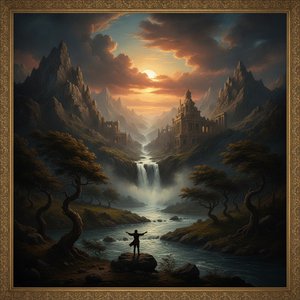
Epic Drama & Dark Vibes: The Ultimate Collector's Guide to Baroque Landscapes
Master the art of drama with our ultimate guide to Baroque landscapes. Discover the power of chiaroscuro, explore legendary masters, and learn how to curate epic, dark-vibe masterpieces for your collection with expert insights from OriginalUniqueArt.
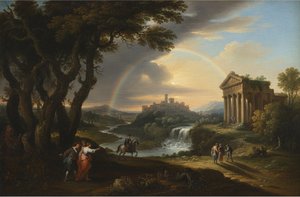
Shadow, Light, and Spectacle: The Dramatic Evolution of Baroque Landscape Painting
Explore the breathtaking drama of Baroque landscapes. Our expert guide delves into the interplay of light and shadow in 17th-century masterpieces. Discover art history and find museum-quality, hand-painted oil reproductions to bring classical grandeur to your home.

Celestial Messengers: Angels in Painting – A Historical & Artistic Exploration
Explore the captivating history of angels in painting! Discover symbolism, iconic Renaissance & Byzantine masterpieces, and renowned artists. Expert insights for art lovers & collectors at OriginalUniqueArt.


