

 Bekijk op ware grootte
 Verstuur
 Delen
Delen
 Details bekijken
 Gids voor studentenkunstwerken

 Download
 Vergelijkbare items
 Röntgenonderzoek
 Diavoorstelling
 Statistieken
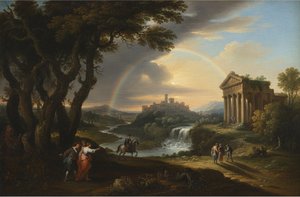
Ceres and Phytalus


 Lees meer
Handgemaakte olieverfreproductie
Met de hand geschilderd in olieverf op canvas in uw gewenste maat en lijst, op bestelling gemaakt door onze kunstenaars. ( Schakel over naar print Schakel over naar digitale afbeeldingen)




P118B €10

P118H €10

P118W €10

P438Z €10

P508JH €12

P508YH €12

P805H €10

P805Z €10

P919BZ €10

P919G €10

P919XJ €10

P959ZH €10

P968JZ €12

W106C €8

W218G €10

W218JH €8

W218Y €10

W307PJ €10

W316G €10

W316PJ €8

W316Y €10

W398PJ €8

W4111J €10

W500HY €15

W500JH €15

W692G €12

W849H €8

W940BG €15

W953PJ €8




Kies uit onze vooraf ingestelde maten die overeenkomen met de originele verhoudingen van het kunstwerk.

Type the width and the height you need, to fit your frame or your wall. This is hand-painted, so for a size with a different shape the artist can paint a bit more around the picture, or cut a bit — you choose. We send you a digital mockup to approve before the painting starts. The picture shown on this page does not show the real result — only the mockup does.
Na de bestelling zal het team van OriginalUniqueArt.com per e-mail contact opnemen met de klant voor instructies en een mockup-voorbeeld sturen.
Wereldwijde levering () binnen 3 tot 4 weken in plaats van de standaard 5 weken. (14 oktober). Zonder concessies aan de kwaliteit.

Gratis wereldwijde expressverzending

Hoogwaardig linnen canvas

Volledige verzendverzekering

Garantie op terugbetaling van invoerrechten

Garantie op exacte kleurweergave

Retourbeleid van 100 dagen (alleen bij defecten)

100% Geld-terug-garantie

Korting bij meerdere afnames
 De optie voor glas is alleen beschikbaar bij een formaat kleiner dan 110 cm.

Ceres and Phytalus
Reproductiemethode
Formaat reproductie
-


Totaalprijs
€ 282
A Mythological Encounter in Shadow and Line
In the evocative depths of Salvator Rosa’s 1662 masterpiece, Ceres and Phytalus, we are transported into a realm where the boundaries between the divine and the mortal dissolve. This exquisite etching captures a pivotal moment of mythological encounter, rendered through the masterful use of monochromatic linework. The scene centers upon Ceres, the Roman goddess of agriculture and fertility, and the mortal Phytalus, whose kneeling posture radiates a profound sense of reverence and supplication. Through the delicate interplay of light and shadow, Rosa invites the viewer into a dense, primordial forest where every etched line breathes life into the surrounding foliage. The composition is not merely a depiction of a story, but an immersive experience of texture and atmosphere, where the organic curves of the human forms emerge from a rugged, untamed landscape.
The technical brilliance of this work lies in Rosa’s command over the medium of printmaking. Utilizing the intricate techniques of hatching and cross-hatching, the artist achieves a remarkable range of tonal variations that simulate depth and dimension without the need for color. These dense networks of lines create areas of profound darkness within the thickets, contrasting sharply with the lighter, more delicate strokes that define the figures' skin and the soft highlights on the leaves. This method lends the piece a tactile quality; one can almost feel the rough bark of the ancient trees and the dampness of the forest floor. The lack of a singular, piercing light source creates a diffused, ethereal glow, contributing to the dreamlike, somewhat ambiguous perspective that characterizes the Baroque fascination with the mysterious and the sublime.
The Baroque Spirit and Symbolic Resonance
As a prominent figure of the Italian Baroque, Salvator Rosa was renowned for his refusal to conform to the rigid classical standards of his era. In Ceres and Phytalus, we see his signature blend of naturalism and dramatic tension. The subject matter—a goddess descending to interact with humanity—carries heavy symbolic weight, touching upon themes of abundance, the cycle of life, and the sacred connection between the earth and its inhabitants. For the discerning collector or interior designer, this piece offers more than just visual beauty; it provides a window into the philosophical inquiries of the 17th century. The tension held in Phytalus’s bowed head and the commanding yet nurturing presence of Ceres creates an emotional resonance that lingers long after the first glance.
Integrating a high-quality reproduction of such a work into a contemporary space allows for a sophisticated dialogue between historical depth and modern elegance. Whether placed in a study filled with leather-bound books or as a focal point in a minimalist gallery-style living room, the monochromatic intensity of Rosa’s vision commands attention. It serves as an intellectual anchor, sparking conversation about mythology, the artistry of the etching needle, and the enduring power of the Baroque aesthetic. To possess such a work is to hold a fragment of history, capturing the very essence of a period defined by its passion, its shadows, and its profound reverence for the natural world.
Vragen & Antwoorden
Waarvoor wordt het gebruik van "Ceres and Phytalus" door Salvator Rosa aanbevolen?
Het voorgestelde gebruik voor "Ceres and Phytalus" door Salvator Rosa is Accent. Het kan ook voor andere doeleinden dienen.
Kan ik "Ceres and Phytalus" in meer detail bekijken?
De Röntgenanalyse-pagina van "Ceres and Phytalus" door Salvator Rosa is een interactieve viewer waarmee u door elf optische lagen van de afbeelding van het kunstwerk kunt glijden, inclusief een weergave in röntgenstijl.
Is er een download beschikbaar voor "Ceres and Phytalus"?
"Ceres and Phytalus" door Salvator Rosa kan worden gedownload via de Downloaden-pagina van het kunstwerk, als een download van een digitale afbeelding in hoge resolutie.
Biografie van de kunstenaar
vroege jaren en opleiding
salvator rosa, een Italiaanse barokschilder, dichter en graveur, werd geboren in arenella, napels, op ofwel 20 juni of 21 juli 1615. zijn moeder, giulia greca rosa, maakte deel uit van een van de Griekse families van sicilië. ondanks de wens van zijn vader dat hij advocaat of priester zou worden, toonde salvator al van jonge leeftijd een sterke voorkeur voor de kunsten.artistieke carrière
De artistieke loopbaan van salvator rosa werd gekenmerkt door zijn onorthodoxe en extravagante stijl, die hem duidelijk onderscheidde van zijn tijdgenoten. Hij was werkzaam in napels, rome en florence, waarbij zijn werk beïnvloed werd door het naturalisme van ribera en het classicisme van poussin. Desondanks weigerde hij zich te laten beperken door een specifieke stijl of stroming.- pythagoras emerging from the underworld (kimbell art museum, fort worth, Verenigde Staten), een van zijn beroemdste werken, toont zijn unieke versmelting van filosofische en artistieke thema's.
- zijn the baptism of the eunuch (chrysler museum of art, norfolk, Verenigde Staten) demonstreert zijn vermogen om zelfs in kleinere bijbelse verhalen een enorme dramatiek te verweven.
invloeden en nalatenschap
Het werk van salvator rosa had een aanzienlijke impact op de ontwikkeling van de barokke kunst. Zijn invloed is terug te zien in het werk van latere kunstenaars, zoals luca giordano, die de grenzen van artistieke expressie bleef verleggen. **belangrijke links:** salvator rosa's profiel op OriginalUniqueArt wikipedia: salvator rosa pythagoras emerging from the underworld op OriginalUniqueArtconclusie
Het leven en werk van salvator rosa blijven kunstliefhebbers en historici fascineren. Zijn onorthodoxe stijl en voortdurende rebellie tegen de normen van zijn tijd hebben zijn plaats in de annalen van de barokke kunst stevig verankerd. Als schilder, dichter en graveur blijft hij een enigmatische figuur, wiens werk nieuwe generaties kunstenaars en kunstliefhebbers blijft inspireren.
Salvator Rosa
1615 - 1673 , Italië
Snelle feiten
- Artistic Movement Or Style: Baroque art
- Artists Or Movements Influenced By This Artist: ['Romanticism']
- Artists Who Influenced This Artist: ['José de Ribera']
- Date Of Birth: June 20, 1615
- Full Name: Salvator Rosa
- Nationality: Italian
- Notable Artworks:
- View of the Gulf of Salerno
- Study for 'Il Genio di Rosa
- Place Of Birth: Arenella, Sicily
Gerelateerde artikelen
Shadow, Light, and Spectacle: The Dramatic Evolution of Baroque Landscape Painting
Explore the breathtaking drama of Baroque landscapes. Our expert guide delves into the interplay of light and shadow in 17th-century masterpieces. Discover art history and find museum-quality, hand-painted oil reproductions to bring classical grandeur to your home.

Drama in Nature: The Captivating Grandeur of Baroque Landscapes and the Art of Emotional Spectacle
Explore the breathtaking drama of Baroque landscapes. From Rubens's grand vistas to the mastery of chiaroscuro, discover how 17th-century artists transformed nature into a theatrical stage of emotion and light. A deep dive for true art enthusiasts.

Top 10 Legendarische Etstechnieken die de Kunst Voorgoed Veranderden | OriginalUniqueArt
Ontdek de 10 meest legendarische etsen die de kunstgeschiedenis veranderden! Van Rembrandt tot Goya, leer over meesterlijke technieken en iconische werken. Vind museumkwaliteit reproducties & interieurinspiratie op OriginalUniqueArt.com.

Baroque Classicism: The Grandeur of Order and Drama in 17th-Century Art History
Explore the profound elegance of Baroque Classicism. Discover how 17th-century masters synthesized dramatic emotion with classical order through the lens of the Counter-Reformation and the works of legends like Carlo Maratta and Andrea Sacchi.

Salvator Rosa: A Baroque Rebel's Vision of Landscape, Allegory & the Human Condition
Explore the captivating world of Salvator Rosa, a rebellious Baroque master. Discover his dramatic landscapes, allegorical paintings & lasting influence on Romanticism. Hand-painted reproductions available at OriginalUniqueArt.


